Wisconsin Bear Denning Behaviour
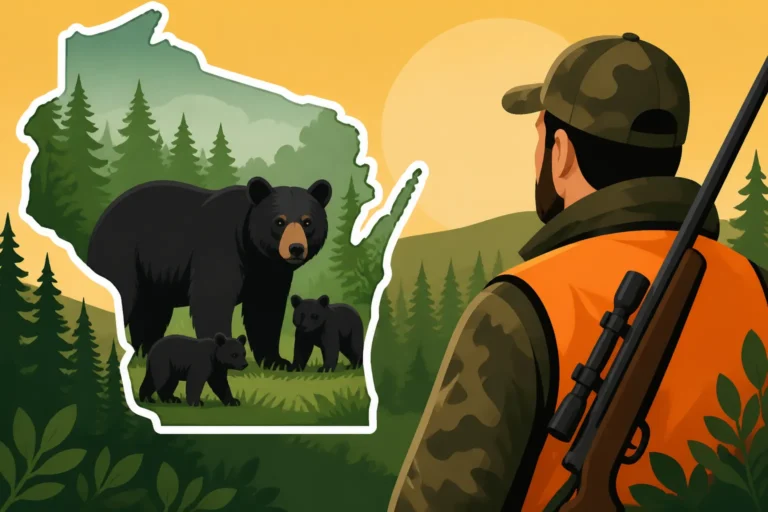
It’s a common misconception that bears simply hibernate, but the truth about their winter denning behavior in Wisconsin is far more complex and fascinating. Understanding where, when, and why black bears den is crucial for anyone interested in these magnificent animals, whether you’re a hunter, wildlife enthusiast, or just curious about their secret winter lives. This guide will delve deep into the intriguing world of Wisconsin bear denning, revealing the vital role it plays in their survival and reproduction.
The Rhythms of Bear Denning in Wisconsin
The annual cycle of a black bear is intrinsically tied to the changing seasons, and no phase is more critical than denning. It's not just about taking a long nap; it's a sophisticated biological process that allows them to endure the harsh Wisconsin winter and ensure the survival of their species.
Why Bears Den: More Than Just Sleep
Bears enter a state known as torpor, or winter lethargy, during their denning period, which is different from true hibernation as seen in some smaller mammals. While their heart rate, breathing, and metabolism slow significantly, their body temperature only drops slightly. This allows them to rouse relatively quickly if disturbed, a critical defense mechanism, especially for a mother bear with young cubs. The primary purpose of denning is energy conservation, allowing them to survive months without food or water by relying on their accumulated fat reserves.
Beyond energy, the den provides essential protection from the brutal cold, wind, and snow that define a Wisconsin winter. Imagine trying to find enough calories to maintain a massive body in deep snow with frozen ground – it's an impossible task. The den acts as a natural insulated shelter, creating a microclimate where temperatures remain more stable than the outside air. This is particularly vital for pregnant sows, who will give birth during this dormant period, as their tiny, helpless cubs require a warm, secure environment to survive.
Denning also serves as a sanctuary from potential predators, although adult black bears have few natural enemies in Wisconsin. However, for a sow with vulnerable newborn cubs, the den offers unparalleled security against coyotes, bobcats, or even other male bears who might pose a threat. It’s a period of intense biological activity masked by outward stillness, a testament to the incredible adaptations of the American black bear.
When Wisconsin Bears Head for the Den
The exact timing of when Wisconsin bears seek out their winter dens can vary quite a bit, depending on a number of factors like weather conditions, the availability of food sources, and the bear's reproductive status. Generally, bears in Wisconsin will begin to den up in late October or November, as the temperatures consistently drop and natural food sources like acorns, berries, and agricultural crops become scarce or disappear under the snow.
Pregnant sows are often the first to enter their dens, sometimes as early as mid-October, driven by the biological imperative to find a safe, undisturbed place to give birth. They need ample time to settle in and prepare for the arrival of their cubs. Sows with cubs from the previous year, or lone adult boars, might stay out a bit longer, especially if there's an abundant late-season food source, such as a strong acorn crop or unharvested cornfields. For those who enjoy hunting in Wisconsin, particularly in the later seasons, understanding these timelines can offer insights into bear movement, even if you’re focused on deer.
An early, heavy snowfall or a sudden, prolonged cold snap can also hasten denning for all bears, pushing them to seek shelter sooner than usual. Conversely, a mild, open autumn with persistent food availability might delay their entry into dens until well into December. These patterns are part of the larger picture of Wisconsin Bear Harvest Trends, and observing them can offer valuable insight into the overall health and behavior of the population.
Where Wisconsin Bears Build Their Dens
You might picture a classic cave when you think of a bear den, but in Wisconsin, black bears are incredibly resourceful, utilizing a variety of natural and sometimes surprisingly makeshift structures for their winter homes. Their choice is driven by a need for security, insulation, and concealment.
Types of Denning Structures
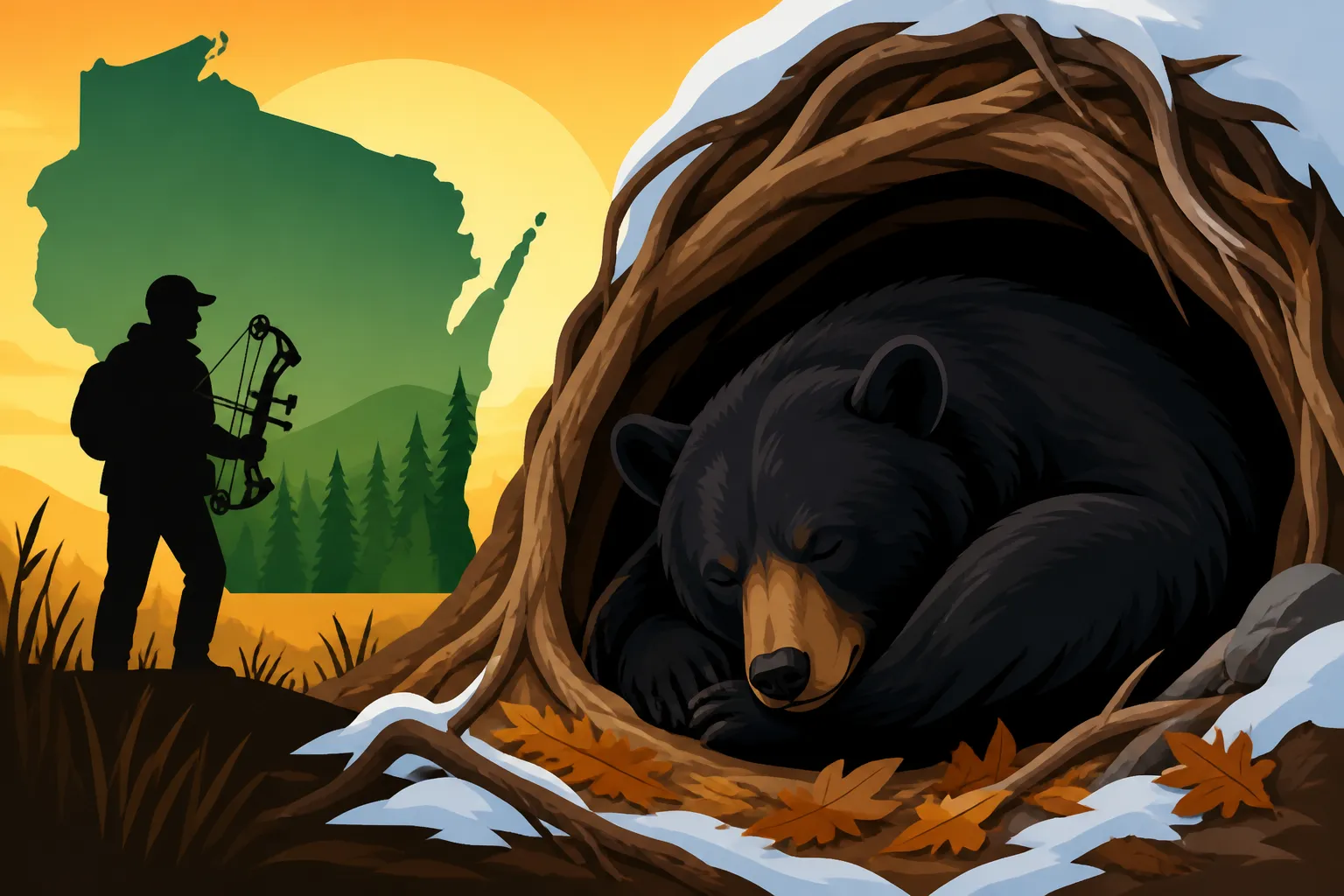
Wisconsin black bears rarely use true caves. Instead, they get creative. One of the most common den types is an excavated den dug into the side of a hill or under a tangle of tree roots. Bears are powerful diggers, and they’ll tunnel into sandy soil or clay, often under the root ball of a fallen tree or a dense cedar swamp. These subterranean dens offer excellent insulation from the cold and protection from the elements. They often line these dens with leaves, grasses, or evergreen boughs for added warmth and comfort.
Another favored denning spot, particularly in the heavily forested regions of northern Wisconsin Where Wisconsin Black Bears Live often involves extensive timber, is within large, hollow logs or under massive brush piles. A large, old-growth log, especially if it's elevated off the ground, can provide a surprisingly cozy and secure chamber. Similarly, a thick, impenetrable brush pile left over from logging operations or natural blowdowns can be excavated or simply used as an overhead shelter, with the bear burrowing deep within the tangle. In the rocky outcrops of the Driftless Area, where bears are expanding their range, they might even find natural rock crevices or small overhangs to shelter under.
Beyond these more substantial structures, some bears will opt for a less elaborate den, sometimes called a "ground nest." This might be a shallow depression scraped into the forest floor, perhaps under the protection of a dense balsam fir or spruce tree, or nestled into a thick cedar swamp. These dens rely heavily on deep snow cover for insulation once winter truly sets in. While less secure, they are quick to create and provide immediate shelter.
Factors Influencing Den Choice
The decision of where to den is a critical one for a bear, especially for a pregnant sow. The most important factors are often insulation, concealment, and an absence of human disturbance. A good den site needs to be well-insulated from the extreme cold, which is why underground dens or those within thick brush piles are so popular. The deeper the snow on top, the better the insulation, creating a natural igloo effect.
Concealment is also paramount. Bears want their dens to be hidden from prying eyes, whether those are other wildlife or, more importantly, humans. This is why dens are often found in remote, difficult-to-access areas of the forest, deep within cedar swamps, or on steep, north-facing slopes where snow accumulates quickly and lingers. While scouting for deer, you might inadvertently stumble upon evidence of denning, but it’s rare to find an active den without specifically looking for signs. If you're using tools like the GoHunt app to analyze terrain and satellite imagery, you might notice areas of dense cover or steep topography that look like prime denning habitat.
Finally, safety and stability are key. A den needs to be structurally sound enough to withstand heavy snow loads and not collapse on the bear. Pregnant sows, in particular, will seek out places that offer maximum security for their cubs, minimizing the risk of disturbance. This preference for undisturbed areas highlights why understanding Hunting Pressure on Wisconsin Public Land is important – less pressure generally means more secure habitat for sensitive wildlife activities like denning.
The Secret Life Inside the Den
Once a black bear is nestled into its winter den, a profound physiological transformation takes place, particularly for pregnant females. It's a period of minimal activity but intense biological importance, culminating in the birth and early rearing of the next generation.
The Birthing and Raising of Cubs
One of the most remarkable aspects of bear denning is that pregnant sows give birth in mid-winter, typically in late January or early February, while still in a state of torpor. The cubs are astonishingly small at birth, blind, hairless, and weighing only about half a pound – roughly the size of a squirrel. This diminutive size, relative to the mother's 200-plus pounds, is an evolutionary advantage, as it minimizes the energetic cost to the sow during pregnancy. She doesn't have to carry large, fully developed cubs for a long gestation period.
Inside the cozy, insulated den, the cubs immediately begin to nurse on their mother’s incredibly rich milk. This milk is high in fat and protein, allowing the tiny cubs to grow rapidly. The sow will periodically rouse herself enough to tend to her offspring, keeping them warm and clean. For the first several weeks, the den is their entire world, a haven where they can grow quickly and safely, shielded from the outside world. By the time late March or April rolls around, the cubs will have grown to several pounds, developed a thick coat of fur, and their eyes will be open, transforming from helpless newborns into miniature versions of their parents.
Emerging from the Den: Springtime Awakens
The emergence from the den is a gradual, cautious process, often beginning in late March or April in Wisconsin, though it can stretch into May depending on the lingering snow and the availability of early spring food. The sow is typically the first to poke her head out, sniffing the air, assessing the new landscape, and making sure the immediate surroundings are safe. Her cubs, now much more robust, will follow her out, often hesitant at first, experiencing the wide-open world for the very first time.
These initial outings are short, with the sow keeping her cubs close and retreating to the den at the first sign of danger or cold. She'll begin to lead them on short foraging trips, teaching them what to eat – early greens, grubs, and whatever else might be available as the snow melts. This period is critical for the cubs' education, as they learn survival skills directly from their mother. If you're out Scouting Wisconsin Public Land Before Season in early spring, you might even see fresh bear tracks of a sow and her cubs emerging from a dense thicket, a truly special sight.
The health of the sow and the success of the cubs' first few weeks outside the den are heavily dependent on the spring's conditions. A late, cold spring with scarce food can be challenging, but a mild spring with abundant early forage provides a crucial head start for the growing family. This understanding of denning behavior is part of a larger appreciation for Wisconsin's Black Bear Population and their impressive ability to thrive in our state's diverse habitats. When looking at potential hunting areas or just observing wildlife, maps like those found on GoHunt can help identify areas with prime denning features, such as dense, undisturbed forestland or swampy areas that offer good cover.
| Den Type | Typical Location | Advantages | Disadvantages |
|---|---|---|---|
| Excavated (under roots/hills) | Under root balls of fallen trees, steep banks | Excellent insulation, highly secure, concealed | Requires significant digging effort |
| Hollow Log | Large, decaying logs in mature forests | Good insulation, natural chamber, easy access | Limited by availability of suitable logs |
| Brush Pile | Logging slash, natural blowdowns, dense thickets | Good concealment, moderate insulation | Less secure than excavated, prone to disturbance |
| Rock Crevice/Overhang | Rocky bluffs, ledges (e.g., Driftless Area) | Extremely secure, permanent, good insulation | Limited to specific geological features |
| Ground Nest | Dense evergreen thickets, cedar swamps | Quick to create, uses snow for insulation | Less protection from elements/predators, minimal insulation without snow |
Understanding the intricate process of bear denning in Wisconsin offers a deeper appreciation for these adaptable creatures. From the careful selection of a den site to the miraculous birth of tiny cubs in the dead of winter, every aspect of this behavior is a testament to the black bear's resilience and its vital role in Wisconsin's wild landscapes.
Disclaimer
This article is for general informational purposes only and does not constitute professional advice. Laws, prices and regulations vary by location and change over time. Consult a qualified professional for guidance on your specific situation.