Hunting After an Acorn Failure
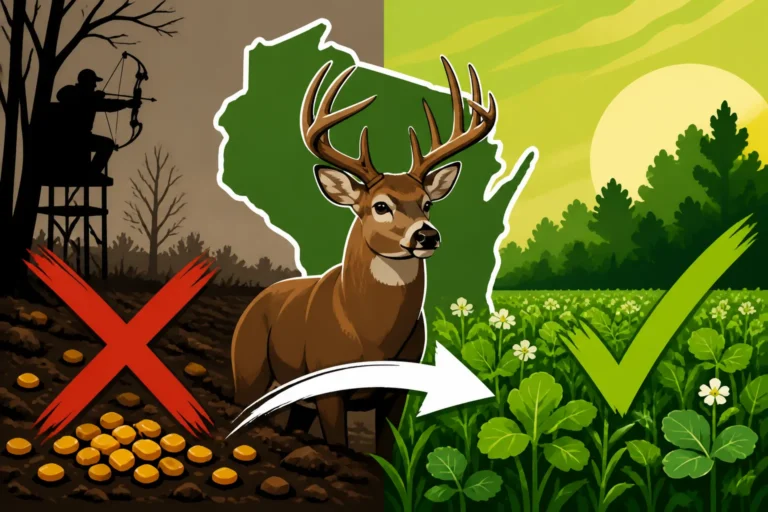
When the forest floor isn't littered with the usual bounty of acorns, Wisconsin deer hunters face a real challenge. That familiar "crunch-crunch" sound of deer feeding in the oak woods becomes eerily silent, throwing off years of traditional hunting strategies. It's frustrating to sit a perfect stand setup, only to realize the deer have completely abandoned their usual haunts because the primary food source is simply not there. This guide is here to help you navigate those tricky seasons, understand why an acorn failure changes everything, and, most importantly, equip you with the knowledge to adapt your hunting strategy and find success even when the acorns are gone.
Understanding Acorn Cycles and Their Impact on Deer
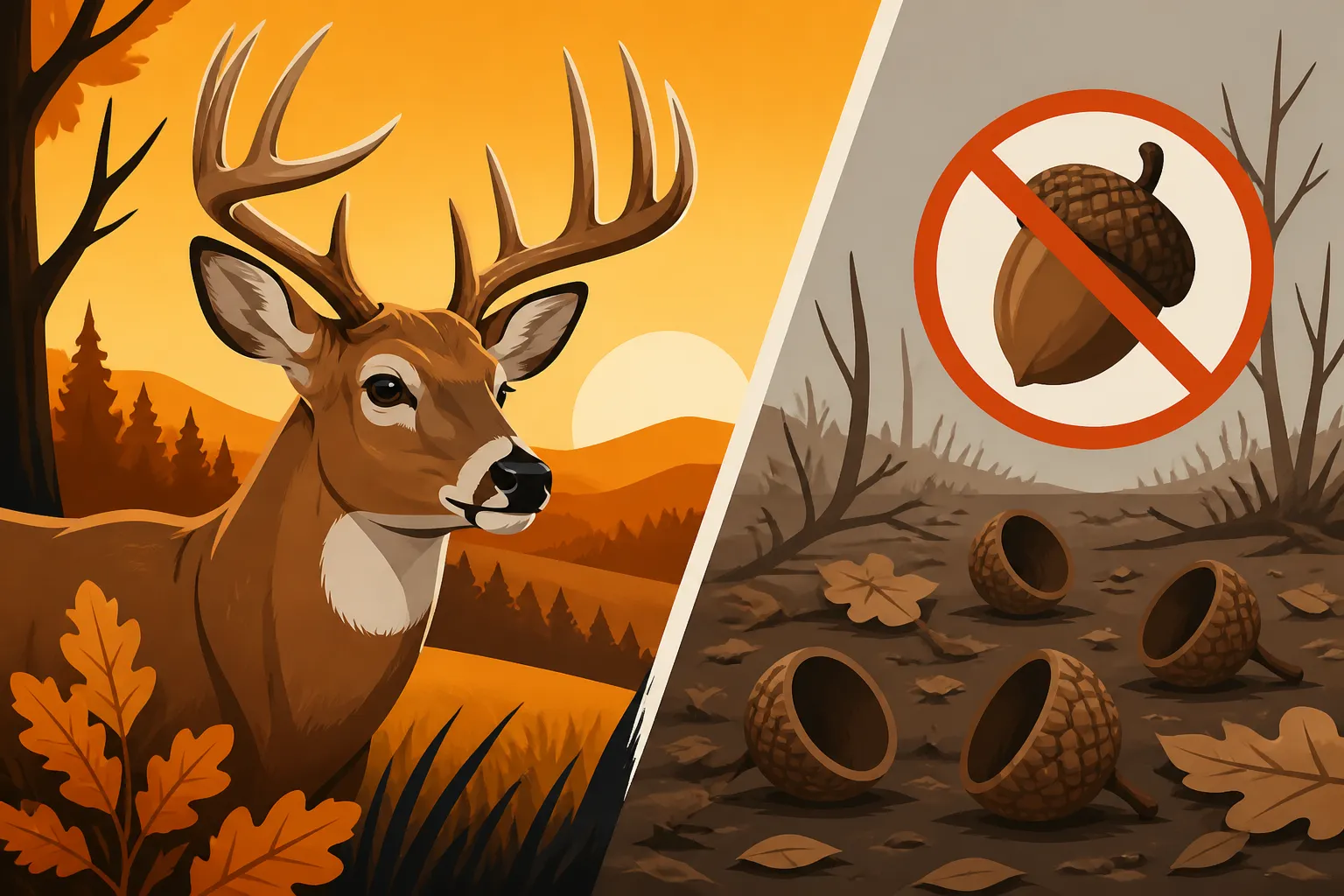
Acorns, particularly from red and white oak varieties, are an absolutely critical food source for white-tailed deer in Wisconsin. They're packed with carbohydrates and fats, providing a concentrated burst of energy that deer need to put on weight for the upcoming winter and the rigors of the rut. When Mother Nature decides to skip a year on the acorn production – what we call an "acorn failure" – it doesn't just mean a minor inconvenience; it completely reshapes deer movement patterns and their entire seasonal foraging strategy.
Why Acorn Failures Happen
Acorn production isn't a guaranteed thing every single year. It's cyclical, often influenced by a complex interplay of environmental factors. Sometimes, a late spring frost can kill off the delicate oak flowers before they have a chance to pollinate and develop into acorns. Other times, a severe drought during the summer can stress the trees, causing them to drop immature acorns prematurely or simply not produce a robust crop. Even excessive rain at the wrong time can interfere with pollination. These natural fluctuations are completely out of our control, but understanding them helps us anticipate when deer patterns might shift dramatically. When you hear reports of a widespread acorn failure in your hunting area, it's your first warning sign that it's time to change your game plan.
How Deer Behavior Changes Without Acorns
When acorns are abundant, deer tend to concentrate their feeding efforts in oak stands, often establishing predictable travel routes between bedding areas and these reliable food sources. Hunters can key into these patterns, setting up stands along trails, at pinch points, or directly in feeding areas. However, in a year of acorn scarcity, this entire system collapses. Deer are incredibly adaptable creatures, and their primary directive is survival. They will immediately seek out alternative food sources, sometimes traveling significant distances to find them. This means that the oak flat you've hunted successfully for years might become a ghost town. Instead, deer might disperse more widely, utilizing less desirable or more scattered food options. Their travel patterns become less concentrated, making them harder to predict and intercept. It's a fundamental shift that demands a fundamental change in how we approach our hunt.
Identifying Alternative Food Sources for Deer
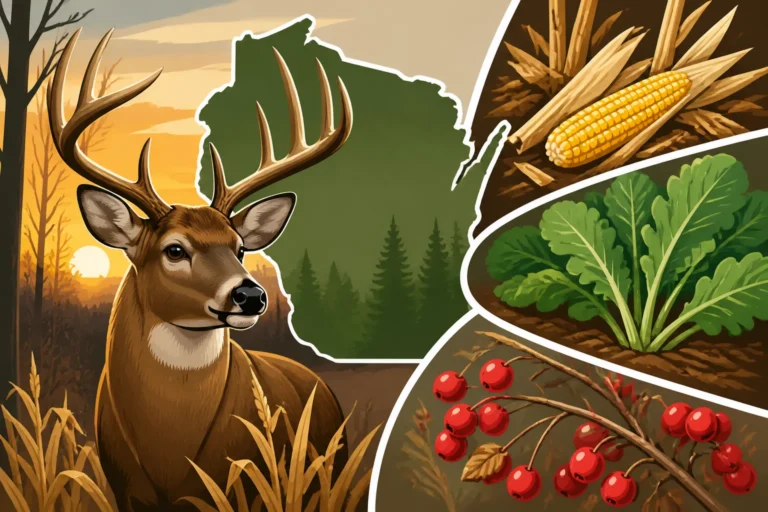
When the oak trees aren't dropping their nutty treasures, deer don't just give up; they pivot to whatever else is available and nutritious. Your job as a hunter is to anticipate this pivot and find where they're heading next. This often means broadening your definition of "prime deer habitat" beyond just the oak ridges.
Browse and Woody Stems
Even in a year with poor acorn production, deer still rely heavily on browse. Browse refers to the tender shoots, leaves, and twigs of woody plants. While not as energy-dense as acorns, it's a constant, often overlooked, part of their diet. In an acorn failure year, this reliance intensifies. Look for areas with young aspen, dogwood, maple saplings, and even blackberry brambles. These can be particularly attractive in clearcuts or areas that have recently been logged, as new growth sprouts vigorously.
Identifying these areas requires boots-on-the-ground scouting, but you can get a head start by utilizing online mapping tools like GoHunt. Zoom in on satellite imagery to spot younger timber stands or recent logging activity. These spots, often overlooked when acorns are plentiful, can become deer magnets when other options are scarce. Deer will spend more time here, methodically munching their way through the available vegetation.
Agricultural Fields and Food Plots
For hunters in Wisconsin's farmland zones, agricultural fields become even more crucial during an acorn failure. If standing corn, soybeans, or alfalfa fields are nearby, deer will funnel into these areas with increased intensity. Cornfields, in particular, offer both food and cover, making them irresistible. Deer will feed heavily on leftover grain in harvested fields or even browse on the stalks themselves in unharvested plots.
Don't just think about the obvious cornfields, though. Winter wheat, rye, or clover plots planted by landowners or the DNR can become absolute lifesavers for deer, and therefore, hot spots for hunters. These cultivated food sources offer consistent nutrition. If you're struggling to locate deer, consider exploring Hunting a Standing Cornfield in Farm Country. Remember, the edges of these fields, especially where they meet thick cover, will be primary travel routes.
Other Mast Crops and Soft Mast
While oaks get all the glory, other mast-producing trees and shrubs can become critical in lean years. Consider wild apple trees, often found in old homesteads or along forgotten fence lines. These can be prime spots early in the season. Hawthorns, with their small, berry-like fruits, are another excellent, often overlooked, food source. Even beech nuts, though less common than acorns in many parts of Wisconsin, can be sought out if present.
For soft mast, look for areas with wild grapes, dogwood berries, or even discarded orchard fruit. While these might not last as long into the season, they can draw deer in during the early bow seasons before harder frosts. The key is diversification in your scouting. Instead of just looking for oaks, you're now looking for any and all potential food sources that can sustain deer.
Shifting Your Hunting Strategy
When the traditional spots are dead, it's not time to give up; it's time to adapt. A successful season after an acorn failure demands a significant shift in thinking and tactics. You need to become a deer detective, seeking out the new patterns dictated by food availability.
Focusing on Bed-to-Feed Patterns Beyond Oak Stands
In an acorn-rich year, the bed-to-feed pattern often revolves around oak groves. Without them, deer will establish new, often longer, travel routes between their bedding cover and the newly preferred food sources. Your goal is to identify these new routes. This means more intensive scouting to find fresh tracks, droppings, and rub lines connecting thick cover to clearcuts, swamps, or agricultural fields.
Look for transition areas – where different habitat types meet – especially those that offer security cover leading directly to alternative food sources. This could be a dense cedar swamp adjacent to a clearcut with new browse, or a brushy finger that extends out into a harvested soybean field. These natural funnels and travel corridors become even more critical when deer are forced to move more widely to find sustenance. Remember, a deer's life is a constant balance between food and safety.
Utilizing Topography and Cover More Intensely
When food sources are scattered, deer often rely more heavily on topography and dense cover for safe travel between these areas. In Wisconsin's Driftless Area, this means focusing on Entry Routes on Steep Driftless Ground and understanding how deer use benches, saddles, and draws to move undetected. The ridges and coulees that once might have led to an oak flat now might lead to a hidden food plot or a browse-heavy clearcut.
In the Northern Forest, areas like conifer thickets, cedar swamps, and dense young growth become even more vital as bedding and security cover. Deer will hug these areas, using them as sanctuaries from pressure and as safe passage. Learning Where Northern Forest Bucks Bed and how they exit these areas towards sparse food sources becomes paramount. Hunting the downwind side of these thickets, or intercepting deer along the subtle trails leading out of them, can be highly effective.
Adjusting Stand Locations and Hunting Pressure
The old adage of "hunt the food" is never more true than during an acorn failure. However, "the food" has changed. If your go-to oak stand is unproductive, don't sit there out of habit. Move your stands to intercept deer near alternative food sources. This might mean setting up along the edge of a harvested cornfield, in a clearcut, or near a patch of wild apples.
It also means being mindful of hunting pressure. When deer are stressed and searching for food, they become even warier. If you find a hotspot, hunt it judiciously. Don't overpressure it. Consider still-hunting or spot-and-stalk tactics more often, especially in areas with scattered food. Or, if you prefer static stands, use tools like GoHunt to mark potential secondary locations based on nearby browse or other mast trees, ensuring you have backup options without blowing out your primary spot.
| Alternative Food Source | Typical Location | Deer Usage in Acorn Failure Year | Hunter Strategy |
|---|---|---|---|
| Browse (Young Saplings) | Clearcuts, Logging Roads, Thickets | Increased browsing, extended feeding times. | Hunt transition zones, thick cover edges. Look for fresh rubs. |
| Agricultural Fields | Farmland, Field Edges | Heavy feeding on corn, soybeans, alfalfa, winter wheat. | Hunt field edges, pinch points, cover leading to fields. |
| Soft Mast (Wild Apples, Berries) | Old Orchards, Field Edges, Stream Beds | High attraction in early season, short window. | Scout early, locate specific trees/bushes. Hunt immediately. |
| Other Hard Mast (Beech Nuts, Hickory) | Mixed Hardwood Stands | Targeted feeding where available, less widespread than acorns. | Identify specific tree species, focus scouting on those areas. |
| Food Plots | Private Land, Managed Public Areas | Constant draw, highly reliable. | Research DNR or private plot locations, hunt downwind. |
Scouting and Adaptation: Your Keys to Success
When acorns are scarce, your ability to scout effectively and adapt your plans on the fly becomes the single most important factor in your hunting success. This isn't a year for relying on last season's intel. It's a year for constant vigilance and proactive adjustment.
Pre-Season and In-Season Scouting Adjustments
In a normal year, pre-season scouting might focus heavily on oak ridges. In an acorn failure year, you need to diversify. Spend time walking timber edges, clearcuts, and areas with dense brush, actively looking for signs of heavy browsing. Search for fresh droppings, rub lines, and discernible trails that connect bedding areas to these alternative food sources.
Even during the season, remain a relentless scout. If your stand is cold for a few hunts, don't be afraid to pull it and move. This could mean simply moving 50-100 yards to a different set of browsed saplings, or it could mean packing up and moving to an entirely different part of your hunting ground, perhaps closer to a major agricultural field. Tools like the Scouting With the Wisconsin Hunt Wild App can be invaluable for pinpointing publicly accessible clearcuts or identifying areas with varied timber types. Take advantage of a mid-day lull to do some on-foot recon, especially if you can access areas quietly.
Leveraging Technology for Informed Decisions
Modern hunting apps and digital mapping platforms are more than just fancy gadgets; they are crucial tools, especially in a challenging year. Services like GoHunt allow you to layer different map types, from satellite imagery to topographic maps, helping you identify potential food sources and travel corridors from home. You can often spot clearcuts, timber density changes, and even agricultural field boundaries with remarkable detail.
Use these apps to mark potential new food sources you identify through aerial reconnaissance, then verify them on the ground. You can also use them to track your movements, mark fresh sign, and develop a more comprehensive understanding of how deer are navigating the landscape. When combined with ground-level scouting, this technological edge helps you make faster, more informed decisions. It's about working smarter, not just harder, to fill in the gaps left by the missing acorn crop. Learning to Reading Aerial Photos for Coulee Deer for example, can reveal benches and draws that lead to subtle food sources.
Patience and Persistence in a Challenging Season
Hunting after an acorn failure can be frustrating. You might go several hunts without seeing much activity in your usual spots. This is where patience and persistence truly pay off. Don't get discouraged. Remember that deer are still out there, they're just feeding in different places. Every piece of fresh sign you find, every observation you make, helps you piece together the puzzle.
It's a season that rewards hunters who are willing to put in the extra legwork, adapt their expectations, and constantly adjust their approach. It might not be the year for those easy sits over a classic oak flat, but it can be incredibly rewarding when you successfully unravel the deer's new patterns. By focusing on alternative food, utilizing cover, and relentlessly scouting, you can still have a successful and memorable season, even when the acorns fall short. And even as the rut approaches, remember that knowing where deer were feeding can still give you clues about their core home range and where they might travel during Hunting the Peak Rut Week in Wisconsin. Knowing where to look for Finding Sign in Big Timber for these alternative food sources is key.
Disclaimer
Hunting is an inherently dangerous activity. Always prioritize safety, understand and follow all Wisconsin Department of Natural Resources regulations, and obtain appropriate licenses and tags before heading afield. The information provided here is for educational purposes and should not replace official safety training or legal guidance. Be aware of your surroundings and hunt ethically and responsibly.