Shed Hunting on Wisconsin Public Land
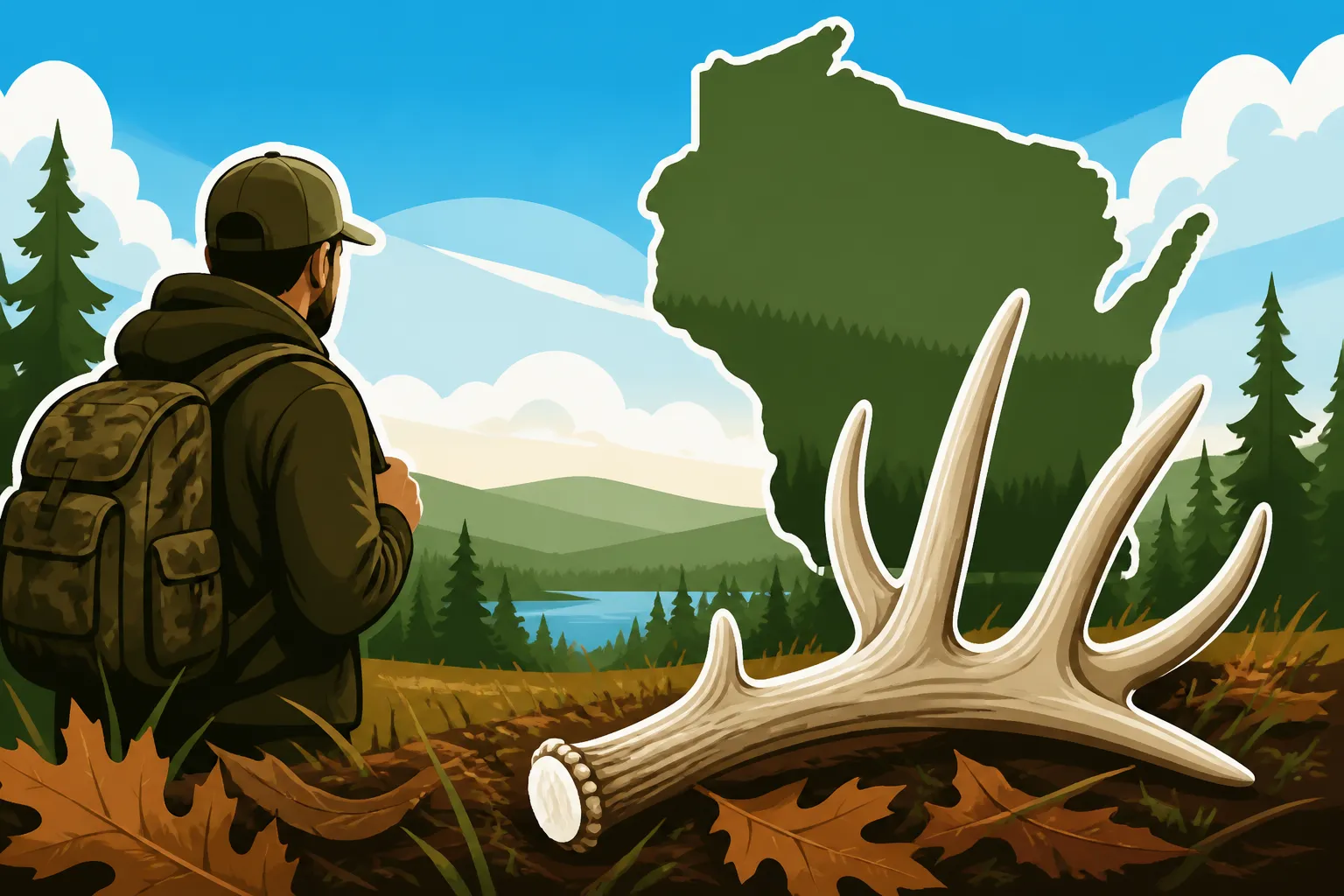
The quiet woods of Wisconsin after deer season can feel empty, but for many, it signals the start of a different kind of hunt: shed hunting. It can be incredibly frustrating to walk miles of public land, seeing nothing but old deer sign, wondering if you're even in the right place or if all the good ones have already been picked up. This guide aims to take some of that guesswork out, helping you effectively search for shed antlers on Wisconsin's public lands, turning those long walks into rewarding treasure hunts.
Why Shed Hunting on Wisconsin Public Land Can Be So Rewarding (and Challenging!)
Shed hunting on public land in Wisconsin is a unique endeavor, blending the physical challenge of navigating diverse terrain with the mental puzzle of understanding deer behavior. It’s certainly not for the faint of heart, especially when you consider the sheer number of hunters and outdoor enthusiasts who are often out there looking for the same prize. But that challenge is precisely what makes finding a public land shed so incredibly satisfying. It's a testament to your persistence and knowledge, a tangible piece of the wild that you've earned.
Many folks get discouraged after a few fruitless trips, thinking public lands are "shed out" or that all the big ones are on private ground. While private land with limited access certainly has its advantages, Wisconsin's vast public acreage holds plenty of dropped antlers for those willing to put in the time and effort. The key is often in knowing where to look and when to look, focusing on areas that might be overlooked by others or understanding the natural patterns that lead bucks to drop their antlers in specific spots. The reward isn't just the antler itself, but the journey, the scouting, and the connection you build with the land and its wildlife during a quieter time of year.
Understanding Wisconsin's Public Land Access Rules for Shed Hunters
Before you even step foot into the woods, it's crucial to understand the rules of the game when it comes to Wisconsin's public lands. Generally speaking, shed hunting is permitted on most public properties managed by the Wisconsin Department of Natural Resources (DNR), including state forests, wildlife areas, and even open Managed Forest Law (MFL) lands. You typically don't need a specific license or permit to pick up shed antlers, which is a nice relief compared to the complexities of drawing a tag for a bear hunt or a turkey season.
However, there are nuances you need to be aware of. For instance, while state forests and wildlife areas are generally open, federal lands like parts of the Chequamegon-Nicolet National Forest might have slightly different regulations or areas that are closed for specific reasons. It's always a good practice to check with the local land management office or consult the Wisconsin DNR's website for any specific area you plan to visit. Furthermore, always be mindful of private land boundaries. Even if a shed is lying right on the fence line, if it's on the private side, it's not yours to take without explicit permission from the landowner. A good mapping app like the one offered by GoHunt or the Wisconsin Hunt Wild App can be invaluable for clarifying property lines and ensuring you stay on legal ground, preventing any accidental trespassing mishaps.
The Thrill of the Find: What Makes Shed Hunting Addictive
There’s an undeniable rush that comes with spotting that curve of bone among the leaves, or seeing a white tine poking out from a patch of snow. It’s a moment of pure excitement, a sudden culmination of hours of walking and searching. This thrill is what makes shed hunting so incredibly addictive for so many. It’s not just about the trophy itself; it’s the detective work, the understanding of deer movement, and the connection to the animal that dropped it. You’re essentially finding a piece of a buck's story, a snapshot of its life from the past season.
Each shed found on public land feels like a small victory. You know countless other boots have walked these same trails, through these same thickets. Finding one means you outsmarted the competition, or at least you were in the right place at the right time. For many, it's a way to stay connected to the woods during the off-season, a chance to scout for next year's hunt, and a fantastic way to stretch your legs after the holidays. Plus, every antler holds clues: the size and mass can tell you about the buck's age and health, while the location of the drop can reveal preferred bedding areas or travel corridors. It's a continuous learning experience, and that pursuit of knowledge, combined with the pure joy of discovery, keeps people coming back year after year.
Best Times and Conditions to Hit the Woods for Sheds in Wisconsin
Timing is everything when it comes to shed hunting. Head out too early, and the antlers are still attached to their owners. Wait too long, and mice, squirrels, or other shed hunters might beat you to them. In Wisconsin, the sweet spot generally falls between late winter and early spring, but pinpointing the exact dates can be a bit of a moving target, varying year to year based on weather patterns and the overall health of the deer herd.
The conditions also play a huge role. A fresh blanket of snow can sometimes make sheds easier to spot against a white background, especially darker antlers. However, deep, crusty snow can make walking a nightmare and bury sheds completely. Conversely, a good thaws can reveal sheds that were hidden under snow, but also make the ground soggy and heavy underfoot. Being flexible and paying attention to local weather forecasts and deer activity is crucial for maximizing your chances.
The Post-Rut Drop: Timing Your Search for Early Sheds
Bucks typically begin to shed their antlers anywhere from late December through March, with the majority dropping in January and February. This period, often referred to as the post-rut drop, is when a buck's testosterone levels significantly decrease after the strenuous breeding season. As their bodies recover and nutrition shifts, the bone connection weakens, and the antlers eventually fall off. The exact timing can be influenced by several factors: the individual buck's health, its age, the severity of the winter, and its nutritional intake. For example, a buck that pushed itself hard during the rut and is facing a tough winter with limited Late-Season Food Sources for Whitetails might drop its antlers earlier than a well-fed, less stressed buck.
Starting your search in late January or early February can be productive, especially after a significant cold snap or a period of heavy snow. Deer will be concentrated in their wintering areas, often seeking shelter and food, and the stress of the environment can encourage earlier shedding. However, at this time, many bucks might still be carrying their headgear, so you’ll need to balance the urge to get out with the patience to let nature take its course. It's worth remembering that a buck can carry one antler for days or even weeks after dropping the first, so revisiting known deer wintering areas can sometimes yield a matched set over time.
Late Winter and Early Spring: Prime Time Tactics
For most Wisconsin shed hunters, late February, March, and even into early April represent the prime window. By this time, the vast majority of bucks have dropped their antlers. The snow cover often begins to recede, exposing sheds that were previously buried, and the brown forest floor provides a good contrast against the lighter color of the antlers. This is when you can really put in some serious miles.
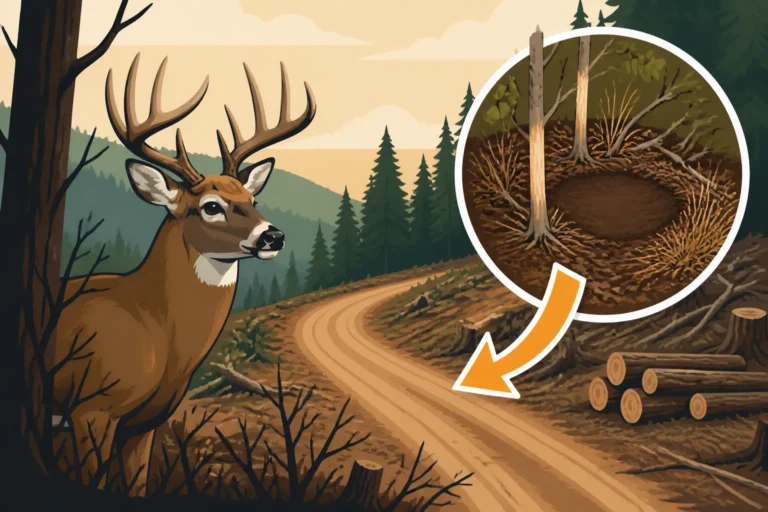
Focus your efforts on areas where deer have been wintering and browsing heavily. These include south-facing slopes that get more sun exposure and offer thermal cover, dense conifer stands like cedar swamps that provide protection from the elements, and transitional areas between bedding and feeding. Consider areas with dense cover near agricultural fields or thickets where deer seek refuge. Public land sections adjacent to known private food sources can be particularly hotbeds for sheds, as bucks will often travel from private land to public land for bedding, dropping an antler along the way. Be prepared for mud, melting snow, and possibly some fresh green-up starting, which can make spotting a bit tougher as the vegetation returns. Persistence during this time often pays off with the most finds.
Key Strategies for Locating Shed Antlers on Public Ground
Shed hunting isn't just aimless wandering; it's a strategic endeavor. To consistently find antlers on Wisconsin's public lands, you need a plan, keen observation skills, and a solid understanding of whitetail deer behavior. Think like a deer, then think like a hunter trying to intercept that deer's dropped antlers. It's about combining your knowledge of the landscape with an educated guess about where a buck might spend its time and, crucially, where it might experience the jolt or strain that dislodges an antler.
The key is often in covering ground systematically rather than just hoping for a lucky stumble. While luck certainly plays a part, consistent success comes from a methodical approach, focusing on high-probability areas, and maximizing your efficiency in the field. Don't be afraid to revisit areas multiple times throughout the shedding season, as new finds can appear with changing snow conditions or as other bucks drop their antlers.
Focusing on Deer Behavior and Habitat Funnels
Understanding where deer spend their time, especially during late winter, is paramount. Bucks are primarily focused on two things: food and security. Look for areas that offer both.
Prime locations include:
- Bedding Areas: These are often thick, south-facing slopes, dense cedar swamps, or young conifer plantations that provide thermal cover from cold winds and deep snow. Bucks will spend a lot of time bedded down, and when they get up, especially if they hit their head on a branch or another deer, an antler can fall. Consider using a tool like GoHunt's mapping features or the DNR's own Scouting Wisconsin Public Land Before Season resources to identify likely bedding areas.
- Travel Corridors & Funnels: Think about the paths deer take between bedding and feeding areas. These can be faint trails through dense woods, fence lines, creek bottoms, or narrow strips of cover between open fields. Any obstacle they have to jump over, duck under, or squeeze through can be a spot where an antler is dislodged. These are also often the same funnels you might focus on when Hunting a Funnel Between Two Swamps during the hunting season.
- Feeding Areas: While less common than bedding or travel routes, bucks can certainly drop antlers while browsing. Focus on areas with preferred late-season food sources like oak flats (if acorns are still present), regenerating clearcuts with young browse, or edges of agricultural fields that might have waste grain. Deer often congregate in these areas, increasing the chances of a drop.
- Water Sources: In drier years or areas, deer will frequent reliable water sources. Trails leading to and from these spots can be good places to check.
When you're walking, don't just stare at the ground directly in front of you. Train your eyes to scan side-to-side, looking for any unnatural shapes or colors. A shed antler often stands out against the natural browns and grays of the forest floor, especially if it's recently dropped and still bright.
Leveraging Technology and Mapping Tools
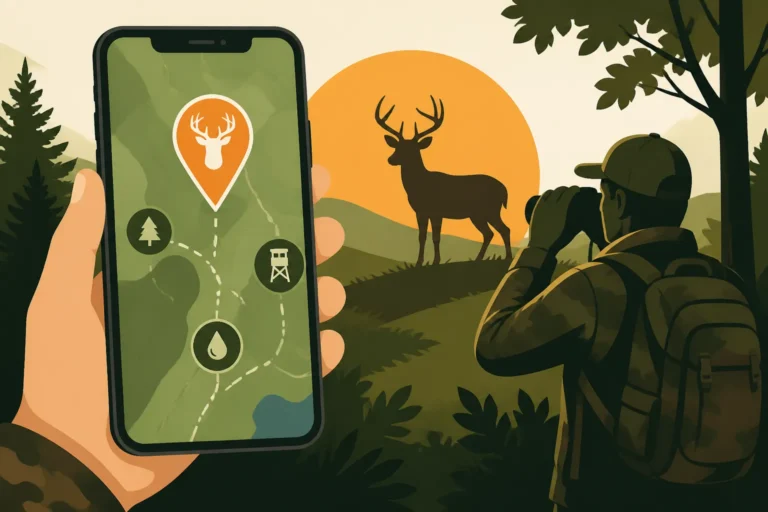
In today's shed hunting world, technology can be your best friend. Gone are the days of just relying on paper maps or general knowledge. Digital mapping applications have revolutionized how hunters and shed hunters approach public land. Apps like onX Hunt, BaseMap, or even specific features within GoHunt offer incredible advantages for navigating and strategizing your search on Wisconsin public lands. These tools allow you to:
- Identify Public vs. Private Land: This is crucial. With a touch of a button, you can see property boundaries, landowner names (on private parcels), and clearly distinguish between areas you can legally access and those you can't. This prevents accidental trespassing, which is a major concern when Hunting Pressure on Wisconsin Public Land means there are more eyes on the woods.
- Analyze Terrain and Habitat: High-definition aerial imagery and topographic maps allow you to identify potential bedding areas (dense cover, south-facing slopes), travel corridors (creek bottoms, ridge lines, timber edges), and food sources before you even step foot in the woods. You can scout from your couch, pinpointing high-potential areas and creating a strategic plan. You can easily visualize Reading Aerial Photos for Coulee Deer or identifying thickets where deer might bed.
- Track Your Progress: Most apps allow you to record your tracks, ensuring you cover an area thoroughly and don't miss sections. This systematic approach is far more effective than just wandering. If you find a shed, you can drop a waypoint to mark the exact location, helping you analyze patterns or revisit the area next year.
- Study Historical Data: Some advanced apps even incorporate historical weather data or harvest data, which, while not directly for sheds, can give you a better overall understanding of deer patterns in specific Wisconsin Deer Management Zones.
Before heading out, spend time with your chosen mapping app. Mark out potential areas, draw routes, and save them for offline use, as cell service can be spotty in many remote public land areas across Wisconsin. This preparation can dramatically increase your efficiency and success rate.
The Importance of a Systematic Search
Once you've identified high-probability areas using your mapping tools, the next step is to execute a systematic search. Simply "going for a walk" usually results in missed opportunities. Think of it like mowing a lawn; you want to cover every inch.
- Grid Search: For smaller, dense areas like bedding thickets or small woodlots, a grid search is highly effective. Walk in straight lines back and forth, ensuring you have enough overlap to cover all ground. The denser the cover, the closer your passes should be.
- Contour Following: In hilly or undulating terrain, like the Driftless Area Deer Hunting in Wisconsin, following contours can be very productive. Deer naturally use these paths for travel, and it's easier to maintain your systematic search while moving parallel to the terrain.
- Focus on Edges: Deer love edges – where two different habitat types meet (e.g., forest edge and field, swamp edge and hardwood timber). Walk these transition zones thoroughly, as deer often travel along them, and an antler might be knocked off when moving between cover and open areas.
- Slow and Steady: Resist the urge to rush. Walk slowly, deliberately, and scan constantly. Your eyes should be looking for the distinct color, texture, and shape of an antler. A shed can look remarkably like a stick, a rock, or even a clump of dead grass from a distance. Often, it's just a flicker of white or a slight curve that gives it away. Practice training your eyes to spot these anomalies.
- Look Back: Frequently turn around and scan the ground you've just covered. Antlers often become visible from a different angle that you might have missed when approaching them. The way light hits an antler can drastically change its visibility.
Bringing along a shed hunting buddy can also be a great strategy. You can cover more ground and even work together to grid sections, staying in communication with two-way radios or cell phones (if service allows).
What to Do When You Find a Shed (and Respecting the Land)
The moment you find an antler is exciting, but the work isn't quite over. There are a few things to keep in mind once you've made that discovery, from ensuring you're legally in the clear to properly caring for your find. It's also a chance to reinforce good outdoor ethics and leave the public land just as you found it – or even better.
Remember, shed hunting is not just about collecting antlers; it's about connecting with nature and respecting the wildlife and the habitat. Each shed tells a story, and you're now a part of that story.
Legality and Ethical Considerations
In Wisconsin, collecting naturally shed antlers is generally legal and does not require a hunting license. This makes it a fantastic, low-barrier way to enjoy the woods during the off-season. However, there are a few important ethical and legal points to consider:
- Private Land: As mentioned, never, ever trespass. If an antler is on private property, you need permission from the landowner to retrieve it. This holds true even if you can see it clearly from public land. Respecting property lines is fundamental to maintaining good landowner relations and ensuring future access for all outdoor enthusiasts.
- Attached Antlers: It is illegal to take antlers from a deer that is still alive, and it is also illegal to take antlers that are still attached to a dead deer found in the wild. If you find a dead deer with antlers still attached, it's considered part of the animal's carcass. In such a situation, you should contact the Wisconsin DNR. They might be interested in the carcass for CWD sampling or other wildlife management purposes. Removing antlers from a dead deer without proper authorization could lead to legal issues.
- No Baiting/Feeding: While shed hunting, do not engage in baiting or feeding deer. Wisconsin has very specific and often changing Wisconsin Baiting and Feeding Bans due to Chronic Wasting Disease (CWD). You don't want to inadvertently break these rules or attract deer to an area in a way that could spread disease.
- Respect the Habitat: While walking, be mindful of your impact. Try to avoid trampling delicate undergrowth, especially in sensitive areas or during early spring when new growth is emerging. Do not disturb potential deer bedding sites more than necessary. The goal is to observe and collect, not to disrupt. Also, avoid disturbing any active nests of ground-nesting birds, which might be starting to appear in late spring.
Preservation and Care for Your Finds
Once you've found a shed, congratulations! Now, how do you ensure it stays in good condition?
- Cleaning: Sheds often come with dirt, mud, and sometimes even algae or moss. A simple scrub with warm water and a brush (a dish brush works well) can clean them up nicely. For more stubborn stains, a mild bleach solution (very diluted!) can sometimes be used, but test it on an inconspicuous spot first, as too much bleach can whiten the antler excessively and make it brittle. Make sure to rinse thoroughly.
- Drying: After cleaning, let the antler air dry completely. Don't put it in direct sunlight for extended periods, as this can cause cracking and fading.
- Protecting from Pests: The biggest threat to a shed antler after you find it are rodents. Mice, squirrels, and other critters love to chew on antlers for their calcium and other minerals. If you plan to display your sheds indoors, a light coating of clear polyurethane or a clear wood sealant can help deter pests and preserve the antler's natural color. For sheds stored in a garage or shed, consider keeping them in a plastic tote with a tight-fitting lid.
- Documentation: For serious shed hunters, especially those collecting matched sets or unique finds, consider documenting the find. Note the date, general location (e.g., "Clark County Public Forest," not GPS coordinates if you don't want to share your spot!), and any interesting details about the antler itself. This helps build a personal collection record and track trends over years, perhaps even noticing patterns of When Wisconsin Bucks Shed Antlers in specific areas.
Remember that each shed is a trophy, regardless of its size. It's a memory of a day spent in the Wisconsin woods, a testament to the wild animals that roam there, and a unique piece of nature you've discovered.
| Shed Hunting Essential Gear | Purpose | Why it's Important for Wisconsin Public Land |
|---|---|---|
| Good Hiking Boots | Comfort and support for long walks | Varied terrain, mud, snow, and uneven ground are common. |
| Layered Clothing | Adapt to changing temperatures | Wisconsin late winter/early spring weather is unpredictable. |
| GPS/Mapping App | Navigation, property lines, track progress | Crucial for staying on public land and systematic searching. |
| Water and Snacks | Stay hydrated and fueled | Long hours and miles of walking can be physically demanding. |
| Small Backpack | Carry essentials and sheds | Keep hands free, store multiple sheds. |
| Binoculars | Spot antlers from a distance, check thick cover | Saves steps, helps distinguish antlers from sticks. |
| Walking Stick/Trekking Pole | Aid balance, probe leaf litter | Uneven ground, muddy conditions, can help dislodge sheds from brush. |
| First-Aid Kit | Handle minor injuries | Accidents happen, especially in remote areas. |
Disclaimer
The information provided in this guide is for general informational purposes only and is not intended as legal advice. Hunting regulations and public land access rules in Wisconsin can change, and specific rules may vary by location. Always consult the official Wisconsin Department of Natural Resources (DNR) website or contact local authorities for the most current and accurate regulations before engaging in any outdoor activities, including shed hunting. Adherence to all local, state, and federal laws is the responsibility of the individual.