Squirrel Hunting Wisconsin Hardwoods
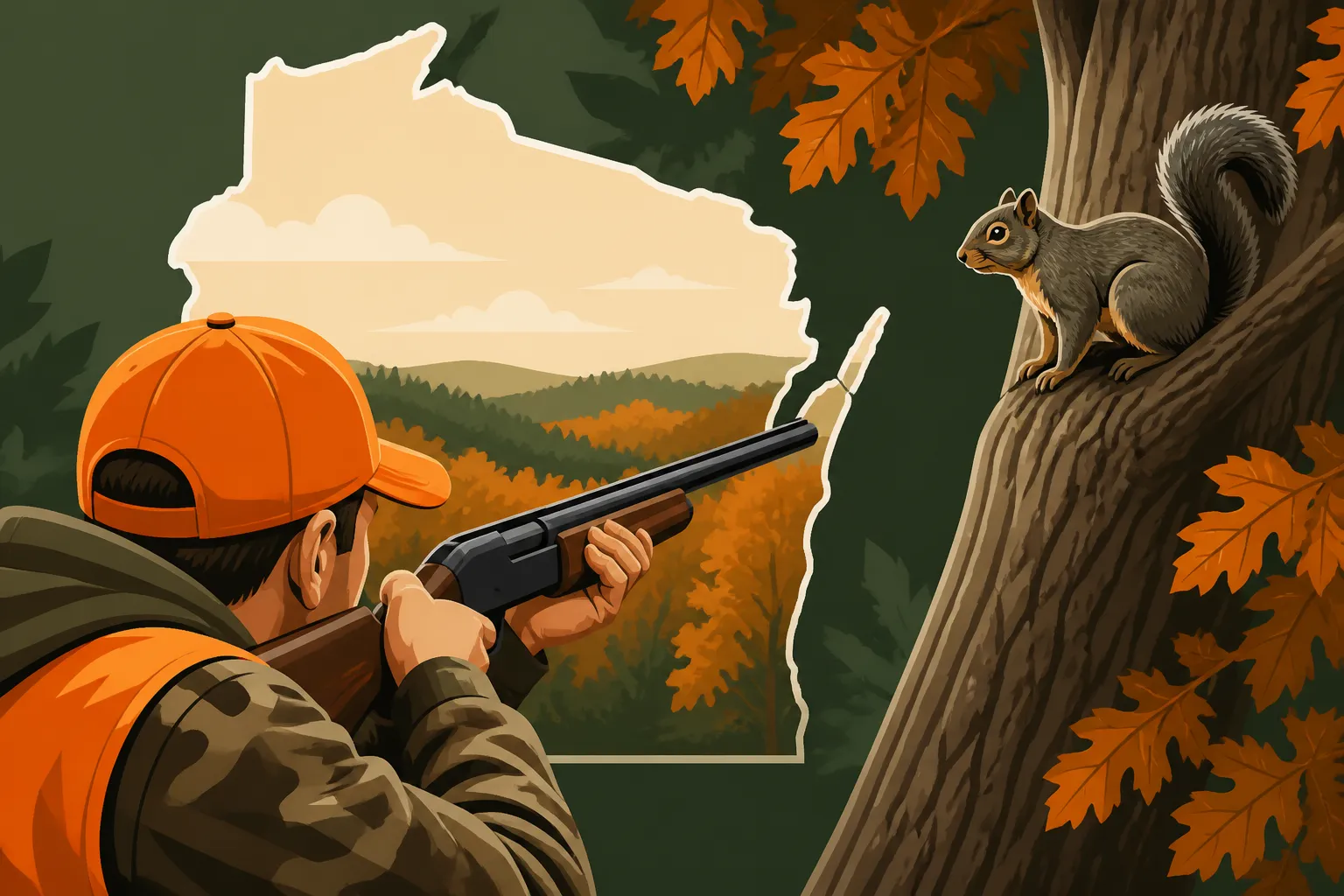
Many hunters, especially those new to the woods or just getting back into it, often overlook squirrel hunting, thinking it's too simple or just for kids. But the truth is, pursuing squirrels in Wisconsin's rich hardwood forests offers incredible opportunities to hone your hunting skills, truly connect with nature, and fill your freezer with some of the finest wild game. This comprehensive guide will walk you through everything you need to know for successful and incredibly rewarding squirrel hunting experiences, from understanding the species you'll encounter to mastering the tactics that put them in the bag.
Understanding Wisconsin's Squirrel Species and Their Habitat
Wisconsin is home to a couple of distinct squirrel species that offer varied hunting experiences. Knowing the subtle differences in their appearance, behavior, and preferred haunts can make a huge impact on your success rates. It's not just about finding any squirrel; it's about understanding which squirrel you're looking for and where it's most likely to be.
Fox Squirrels: The Bushy-Tailed Giants
The fox squirrel, Sciurus niger, is arguably the most recognizable and largest tree squirrel in Wisconsin. With their striking reddish-brown fur, often mixed with gray and a distinctive pale orange belly, they really stand out. These robust critters can weigh up to two pounds and are a fantastic quarry for hunters seeking a bit more meat in the bag. They're not quite as quick and acrobatic as their gray counterparts, often preferring to run along the ground or leap between trees rather than navigate the intricate branches with lightning speed.
You'll typically find fox squirrels in more open, mature hardwood forests, often near agricultural fields or forest edges. They love areas where timber patches meet cornfields or oak savannas. They're a bit more terrestrial than gray squirrels, meaning they spend more time foraging on the forest floor, especially when mast crops like acorns and hickory nuts are abundant. Their tendency to be less frantic and more deliberate in their movements can make them a slightly easier target for patient hunters.
Their habitat preference also means they're often found in woodlots scattered across the agricultural landscape of southern Wisconsin, or in the more open, mature stands of the central and western parts of the state. If you're scouting an area with a good mix of mature oaks, hickories, and adjacent farm fields, you're likely in prime fox squirrel country. Pay attention to den trees – hollows in large oaks or snags – as these are often central hubs for a fox squirrel's activity, especially during colder months.
Gray Squirrels: Nimble Residents of Dense Timber
The gray squirrel, Sciurus carolinensis, is the more common and often more challenging of Wisconsin's tree squirrels. Smaller and sleeker than the fox squirrel, they typically sport a grizzled gray coat with a white belly, though color variations can occur. These squirrels are masters of the canopy, known for their incredible agility, speed, and tendency to stick to the upper branches, making them a true test of a hunter's reflexes and marksmanship.
Gray squirrels prefer dense, mature hardwood forests with a closed canopy, particularly those rich in a variety of nut-bearing trees like oaks, maples, and hickories. They thrive in expansive timber tracts where they can move freely through the interwoven branches without needing to touch the ground. This arboreal lifestyle means you'll often find them scampering high above, using the intricate network of limbs for both travel and escape. Their quick, darting movements can be frustrating but also incredibly engaging.
Their presence often indicates a healthy, mature forest ecosystem. Unlike fox squirrels, grays are less tolerant of fragmented habitats and prefer continuous stretches of woods. They're constantly on the move, caching nuts for winter, and their incessant chattering and rustling in the leaves are often the first sign of their presence. If you're hunting in vast tracts of northern Wisconsin hardwoods or deep coulees of the Driftless Area, you're almost certainly going to encounter these lively, acrobatic squirrels.
Where to Find Prime Squirrel Territory
Successfully hunting squirrels, regardless of species, really boils down to finding where they eat, sleep, and play. And the number one factor? Mast crops. Squirrels are almost exclusively found where there's a reliable food source, particularly nuts from oak, hickory, and walnut trees. When scouting, focus on mature stands of these trees. Look for groves where the forest floor is littered with nut shells or "cuttings" – the small fragments of shells left behind by feeding squirrels. A fresh pile of cuttings under an oak is like a neon sign telling you, "Squirrels here!"
Beyond specific tree species, consider the overall structure of the forest. Fox squirrels might favor the edges of these stands, especially if they border agricultural fields, as this offers easy access to corn or soybeans when nuts are scarce. Gray squirrels will delve deeper into the unbroken canopy, utilizing the dense network of branches for cover and escape. Identifying key travel corridors, like continuous stretches of oak ridge tops or draws that connect different food sources, can also be incredibly productive. You'll often find that even within a large block of hardwoods, certain areas are simply more active due to better food production or more favorable denning opportunities.
When it comes to location, Wisconsin offers abundant opportunities. Much of the state's central, western, and southern regions, particularly the Driftless Area Deer Hunting in Wisconsin and the areas around the Fox River Valley, boast extensive hardwood forests and agricultural interfaces perfect for squirrels. Public hunting land in Wisconsin is also fantastic for squirrel hunters. County forests, state forests, and numerous state wildlife areas often contain significant tracts of mature hardwoods. Don't overlook smaller woodlots either, especially if you can gain private land permission in Wisconsin; these can be overlooked gems that hold plenty of bushy-tails.
Seasons, Regulations, and Licensing Essentials
One of the great joys of squirrel hunting in Wisconsin is the sheer length and accessibility of the season. It's truly a sport that can be enjoyed for many months, offering a fantastic way to extend your time in the woods beyond the primary deer and turkey seasons. But even with such a generous season, it's absolutely crucial to understand the specific rules and regulations to ensure a legal and ethical hunt.
Navigating Wisconsin's Generous Squirrel Season
Wisconsin's squirrel season is a gift to small game hunters, typically running for an extensive period, often from mid-September right through to the end of February. This incredible span allows for diverse hunting experiences, from the warm, bug-filled days of early fall when the leaves are still thick on the trees, to the crisp, silent mornings of deep winter with snow crunching underfoot. The early season, while beautiful, presents the challenge of dense foliage, making spotting squirrels difficult and often requiring close-range shots. However, it's also when squirrels are most active, frantically gathering nuts for winter.
As the season progresses, especially after the leaves drop in late October, visibility improves dramatically, making it easier to spot squirrels at longer distances. This is a favorite time for many hunters as the woods become more open, and the vibrant fall colors make for a stunning backdrop. The late season, particularly from December through February, brings its own unique advantages. With snow on the ground, squirrel tracks become easy to follow, revealing active feeding areas and travel routes. It also means squirrels are often more reliant on their cached food, making den trees and middens highly productive spots.
This long season truly bridges the gaps between other hunting opportunities. It's a perfect way to stay sharp after Wisconsin's Nine-Day Gun Deer Season wraps up or to get some practice in before Spring Turkey Hunting in Wisconsin begins. You can check the Wisconsin DNR's small game regulations for the precise dates each year, but generally, you can count on plenty of time to pursue these agile critters. For a more detailed look at the season specifics, be sure to read our guide on Wisconsin's Long Squirrel Season Explained.
Daily Bag Limits and Possession Rules
When hunting squirrels in Wisconsin, you'll find the bag limits quite generous, designed to allow ample opportunity for harvest without impacting the overall population. For gray and fox squirrels combined, the daily bag limit is typically five. This means you can harvest up to five squirrels per person, per day. The possession limit, which is the maximum number of squirrels you can have in your possession at any given time (including those at home or in the freezer), is usually double the daily bag limit, so ten squirrels.
It's vital to keep track of your harvest, especially if you're hunting multiple days or with a group. Exceeding bag or possession limits is a violation and can result in fines. These limits are set to ensure sustainable hunting practices and to maintain healthy squirrel populations throughout the state. While it might seem easy to hit these limits on a really good day, remember that ethical hunting also means taking only what you'll use and appreciating each animal harvested.
Always double-check the current year's regulations on the Wisconsin DNR website or in their printed small game regulations pamphlet before you head afield. While squirrel limits are generally consistent, there can occasionally be minor changes or county-specific rules, though this is rare for squirrels. Being informed is part of being a responsible hunter and helps ensure you have a worry-free day in the woods.
Licensing Requirements and Go Wild System
Before you even step foot in the squirrel woods, you'll need the proper licensing. For squirrel hunting in Wisconsin, all you need is a valid small game hunting license. This license covers a wide array of small game species, including rabbits, pheasants, and of course, squirrels. If you're also a deer hunter or plan to pursue other game, you might already have this component as part of a larger license package.
Purchasing your license is a straightforward process thanks to Wisconsin's "Go Wild" system. You can easily buy your license online through the Wisconsin DNR's Go Wild portal, or in person at one of many authorized vendors across the state, such as sporting goods stores or bait shops. The Go Wild system is incredibly user-friendly and allows you to keep a digital copy of your license on your phone, though it's always wise to have a physical copy or a printed version in case of technology glitches in the field. GoHunt's mapping tools can also help you plan your excursions and ensure you're aware of public land boundaries, which is a great complement to the Go Wild system for a seamless outdoor experience.
For new or young hunters, Wisconsin offers a fantastic Mentored Hunting Program. If you're new to the sport and haven't completed hunter education, you can hunt squirrels with a mentor who is at least 18 years old and has a valid hunting license. The mentor must remain within arm's reach and provide direct supervision. This is an excellent way for beginners to learn the ropes safely and ethically before getting their own full license. To learn more about the costs and various options, you can check out our detailed guide on Wisconsin Hunting Licences and What They Cost.
Essential Gear for Hardwood Squirrel Hunting
While squirrel hunting can be a relatively minimalist pursuit, having the right gear can significantly enhance your comfort, effectiveness, and overall enjoyment. You don't need a truckload of specialized equipment, but a few key items will make your time in Wisconsin's hardwoods much more productive. Think practical, quiet, and comfortable.
Firearms: Choosing Your Tool
When it comes to firearms for squirrel hunting, you really have two primary choices: a .22 caliber rimfire rifle or a small-gauge shotgun. Each has its pros and cons, and the best choice often depends on your personal preference, the specific habitat you're hunting, and your hunting style.
The .22 rifle is a classic for squirrel hunting, and for good reason. Its accuracy, quiet report, and inexpensive ammunition make it an ideal tool for headshots, which preserve more meat. When hunting in open hardwoods where shots might be a bit longer and squirrels are often stationary in a tree, a .22 shines. Brands like Ruger's 10/22 or Marlin's 60 are extremely popular and reliable choices. You'll want to zero your rifle carefully, as even a few yards can make a difference on a small target like a squirrel's head. The downside is that a .22 requires a very precise shot; a missed vital can mean a lost squirrel, especially in thick cover where a wounded animal might escape into a den tree.
Shotguns, typically a .410, 20-gauge, or even a 12-gauge with light loads, are excellent for fast-moving targets or hunting in denser cover where pinpoint accuracy with a rifle is challenging. If you're jump-shooting squirrels that are constantly on the move, or hunting early in the season when foliage is thick, a scattergun provides a much wider margin for error. Number 6 or 7 ½ shot is generally ideal for squirrels, offering enough pellet count to cleanly take down a squirrel without excessive damage. Many hunters use a shotgun primarily designed for upland birds, and you can learn more about suitable options in our article on Shotguns for Wisconsin Grouse Cover. The drawback is that shot can damage some meat, and it's louder than a .22, which might scare off other squirrels in the area. Some hunters even carry both, opting for the rifle when a clear, stationary shot presents itself, and the shotgun for quick flushes.
Optics and Apparel for Stealth and Comfort
Good optics can make all the difference in spotting a well-camouflaged squirrel. A pair of binoculars, usually 8x or 10x power, is invaluable. They allow you to meticulously scan tree trunks, branches, and the forest floor for any tell-tale twitch of a tail or the outline of a squirrel against the bark. You don't need high-end, expensive binoculars; a decent pair that offers clear vision in low light will suffice. For more information on choosing the right magnification, consider our guide on Binocular Power for Timber Hunting.
Your apparel should prioritize stealth, comfort, and protection from the elements. Camouflage is beneficial for breaking up your outline, especially if you're still-hunting or sitting in the open. More importantly, your clothing needs to be quiet. Avoid noisy fabrics that rustle with every movement. Layers are essential in Wisconsin, allowing you to adapt to changing temperatures throughout the day. Early season can be warm, but mornings can be chilly. As winter approaches, you'll need serious insulation. Comfortable, waterproof boots are also non-negotiable. You'll be doing a lot of walking, often over uneven terrain and through damp leaves or snow, so keeping your feet dry and blister-free is paramount. Our piece on Boots for Walking Wisconsin Aspen Cuts offers great insights into footwear suitable for similar rugged terrain.
Packs, Calls, and Other Useful Accessories
A small, quiet daypack is perfect for carrying your essentials. This includes water, a snack, a field dressing knife, and a game bag or sack to carry your harvested squirrels. Many hunters prefer a mesh game bag or a simple canvas sack, as it allows for airflow and prevents the squirrels from getting too warm. A good knife, not necessarily a large one, is crucial for field dressing your squirrels quickly to cool the meat. If you're looking for recommendations, our article on Field Dressing Knives Worth Carrying might offer some ideas.
Squirrel calls can sometimes be effective, particularly bark calls or distress calls, which can pique a squirrel's curiosity and get them to reveal their location. While not always a guaranteed success, they can be a fun addition to your arsenal, especially if hunting is slow. Lastly, don't forget the small but mighty items: a compass or GPS device (like the GoHunt app) to help navigate, especially in unfamiliar public lands, and a basic first-aid kit for minor scrapes and cuts. Having a reliable flashlight or headlamp is also smart, especially if you find yourself walking out of the woods at dusk or later. Carrying a well-thought-out pack will ensure you're prepared for whatever the Wisconsin hardwoods throw at you, as discussed in Packs for a Day on Public Land.
Mastering Hardwood Squirrel Hunting Tactics
Squirrel hunting isn't just about walking into the woods and hoping for the best. It's a nuanced pursuit that rewards patience, observation, and a good understanding of squirrel behavior. Employing specific tactics can dramatically increase your chances of success and make your time in the forest far more engaging.
Still-Hunting: The Art of Slow Movement
Still-hunting is perhaps the most rewarding and challenging method for squirrel hunting, especially in Wisconsin's hardwoods. It's an active form of hunting that involves moving through the woods at an incredibly slow, deliberate pace, pausing frequently to observe, listen, and scan. The key here is patience. You should move no faster than a few steps per minute, taking as much as an hour to cover a hundred yards. This glacial pace allows you to pick apart the forest, spotting squirrels that might otherwise go unnoticed.
Start by entering the woods quietly, especially during early morning or late afternoon when squirrels are most active. Take a few steps, then freeze. Use your binoculars to systematically scan every tree, from the trunk to the outermost branches, looking for any movement, a flicker of a tail, or the tell-tale silhouette of a squirrel. Pay close attention to the ground for fresh cuttings, indicating recent feeding activity. Listen intently for the rustle of leaves, the chattering of squirrels, or the dropping of nut shells. Often, you'll hear them before you see them.
When still-hunting, always try to move into the wind to minimize the chances of squirrels smelling you. Use natural cover, such as thick brush or the trunks of large trees, to break up your outline. Shadows can also be your friend, helping you blend into the background. If you spot a squirrel, assess its behavior. Is it feeding, moving, or alert? Try to position yourself for a clear, ethical shot without alerting other squirrels in the vicinity. The goal is to become part of the forest, moving so subtly that the squirrels never know you're there until it's too late.
Sit-and-Wait: Patience in the Prime Zone
For those who prefer a less active approach, or when still-hunting proves challenging due to thick undergrowth or noisy leaves, the sit-and-wait method is highly effective. This tactic relies on finding a prime location, settling in, and letting the squirrels come to you. It demands even more patience than still-hunting, but in the right spot, it can be incredibly productive.
The success of sit-and-wait hinges entirely on location scouting. Look for areas with abundant signs of squirrel activity: freshly gnawed nut shells, active den trees, or heavily used travel corridors between feeding and bedding areas. A patch of mature oak or hickory trees that are currently dropping nuts is an ideal choice. Locate a comfortable spot with good visibility, preferably with your back against a wide tree trunk for camouflage and stability. A small, quiet stool or cushion can make a world of difference for long sits.
Once settled, remain as still and quiet as possible. Resist the urge to fidget or check your phone. Scan the trees and ground continuously, and listen for the sounds of feeding or movement. Squirrels tend to become active in waves, especially in the morning and late afternoon. If you sit patiently in a good location, chances are, squirrels will eventually show themselves. This method is particularly effective when Reading Cuttings Under an Oak reveals a hot feeding spot, as you know you're in a high-traffic area. It’s a fantastic way to observe the natural behavior of squirrels and the wider forest ecosystem while waiting for your shot opportunity.
The Role of Acorns and Other Mast Crops
Understanding and tracking mast crops is the single most critical factor for consistent squirrel hunting success. Squirrels are food-driven creatures, and their activity patterns are directly tied to the availability of acorns, hickory nuts, walnuts, and other hard mast. A successful squirrel hunter is, first and foremost, a successful mast scout.
Before the season even opens, take time to walk the hardwoods and assess the mast crop. Are the oak trees heavy with acorns? Are hickory nuts dropping? Identify the areas where the mast production is highest. These will be your primary hunting grounds. Once nuts start to fall, squirrels will converge on these areas, sometimes traveling considerable distances to get to the bounty. Look for the tell-tale signs on the forest floor: freshly chewed shells, fragmented nut pieces, and disturbed leaves. These "cuttings" are undeniable proof of current feeding activity.
A good mast year can mean an abundance of squirrels throughout the woods, making hunting easier. Conversely, Hunting After an Acorn Failure or other mast crop failures can be significantly more challenging. In such years, squirrels will spread out more widely, searching for alternative food sources like pine cones, buds, or even fungi. They might also shift their focus to agricultural fields if available. By understanding the yearly mast cycle and adapting your hunting strategy accordingly, you can consistently find active squirrels, regardless of how abundant the natural food sources are. This knowledge is what separates a casual outing from a truly productive hunt.
Navigating Public Lands and Ethical Considerations
Wisconsin boasts an incredible amount of public land accessible to hunters, making squirrel hunting a fantastic option for those without private property access. However, hunting public lands comes with specific responsibilities and ethical considerations, ensuring a safe and respectful experience for everyone.
Finding Public Access for Squirrels
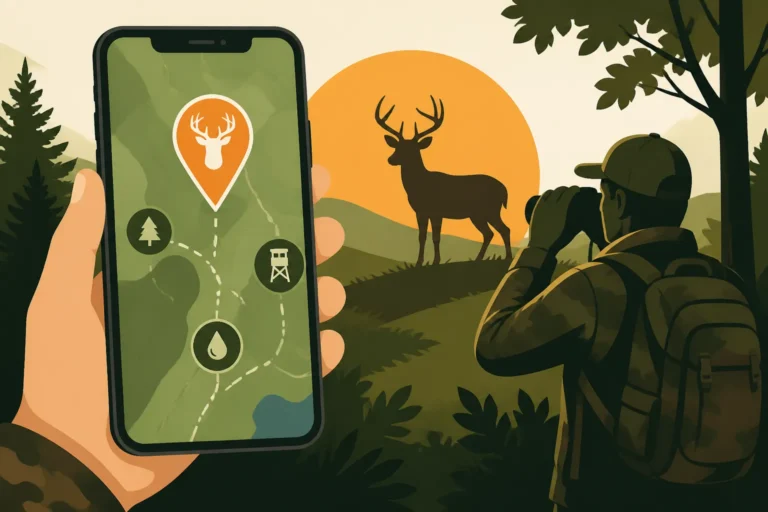
Locating productive public hunting land for squirrels is easier than you might think, thanks to modern tools. The Wisconsin DNR's "Hunt Wild Wisconsin" app is an absolute game-changer. This free app uses your phone's GPS to show you public land boundaries, parcel ownership, and even specific habitat types, all while you're in the field. It's an invaluable resource for navigating county forests, state forests, and wildlife areas which often hold prime squirrel habitat. You can also visit the DNR website for interactive maps and printable resources.
Focus your search on areas known for mature hardwoods. Many county forests in central and northern Wisconsin, like those in Langlade, Marinette, and Jackson counties, offer vast tracts of timber with abundant oak and hickory. State forests such as the Northern Highland-American Legion State Forest or the Black River State Forest are also excellent choices. Remember that not all public land is created equal for squirrels; some might be primarily conifer stands or young timber. Look for areas marked with mature hardwoods on the maps. Scouting Wisconsin Public Land Before Season is highly recommended to pinpoint active feeding areas and potential den trees before you carry a firearm. Tools like GoHunt maps also provide detailed satellite imagery and property line overlays, which can be immensely helpful for pre-season scouting and on-the-ground navigation, allowing you to identify those crucial mast-producing groves.
Don't be afraid to put in some legwork. While popular spots might see more pressure, many public land areas are large enough that a willingness to walk a bit further can lead you to untapped squirrel populations. Access roads and trails are good starting points, but moving a half-mile or more off the beaten path can often lead to quieter, more productive hunting grounds.
Respecting Boundaries and Other Hunters
Hunting on public land means sharing the resource, and respecting boundaries and fellow hunters is paramount. Always be acutely aware of property lines. The Hunt Wild Wisconsin app or dedicated mapping services like GoHunt are excellent for this, as they clearly show where public land ends and private land begins. Unintentional trespassing is still trespassing, so always err on the side of caution. For a deeper dive into property regulations, review Finding Wisconsin Property Lines to understand how to correctly identify legal hunting areas.
During overlapping seasons, such as archery deer season or early turkey season, you'll need to be extra mindful of other hunters. Wear blaze orange or pink during the gun deer season (or as required by specific regulations for other seasons) even if you're only hunting squirrels, to make yourself visible. If you encounter other hunters, give them plenty of space and avoid disrupting their hunt. A friendly wave and a wide berth are always appreciated. Communication, if possible, can prevent conflicts. For example, if you see a deer hunter on stand, quietly move to another area or wait until they've cleared out.
Ethical shot placement is another critical consideration. Aim for clean, humane kills. For squirrels, this typically means a headshot with a .22 rifle or a well-placed shotgun pattern. Avoid speculative shots that might only wound an animal. After the shot, make every effort to quickly recover your game. A wounded animal should be tracked relentlessly to ensure it doesn't suffer and that your harvest isn't wasted.
Field Care and Processing Your Harvest
Proper field care of your harvested squirrels begins immediately after the shot. Cooling the meat quickly is crucial, especially during the warmer early fall season. The first step is to field dress the squirrel. This involves making an incision to remove the entrails. While not strictly necessary in cold weather if you get the squirrel home quickly, it's a good habit to ensure rapid cooling and prevent spoilage. If you're hunting multiple squirrels or on a warm day, a full field dressing, similar to the principles discussed in Field Dressing a Deer in Cold Weather (though on a much smaller scale), will ensure the best meat quality.
Once field dressed, place the squirrels in a mesh game bag or a breathable sack. Avoid plastic bags, as they trap heat and can cause the meat to spoil faster. Get your squirrels home and processed as soon as possible. Skinning squirrels is a skill that comes with practice, but there are many online tutorials demonstrating efficient methods, such as the "tail pull" technique. Once skinned and cleaned, the meat should be rinsed and then either cooked fresh, refrigerated for a few days, or frozen for longer storage.
Squirrel meat is lean and delicious, often described as having a rich, slightly sweet flavor. It's incredibly versatile and can be used in stews, fried, braised, or even ground. Taking the time to properly care for your harvest not only respects the animal but also ensures you get to enjoy the fruits of your labor. Don't let your hard-earned squirrels go to waste; they make excellent table fare.
Squirrel Species Comparison
Here's a quick comparison of the two main squirrel species you'll encounter in Wisconsin:
| Feature | Fox Squirrel | Gray Squirrel |
|---|---|---|
| Scientific Name | Sciurus niger | Sciurus carolinensis |
| Average Weight | 1.5 – 2.5 lbs (larger) | 1 – 1.5 lbs (smaller) |
| Coloration | Reddish-brown/gray mix, pale orange/rusty belly | Grizzled gray with white belly |
| Preferred Habitat | Open hardwoods, forest edges, near farm fields | Dense, mature hardwoods with closed canopy |
| Behavior | More terrestrial, slower, deliberate movements | More arboreal, very agile, quick, frantic movements |
| Tail | Long, bushy, often with a reddish hue | Long, bushy, often with a silver-frosted appearance |
| Sounds | Barking, chattering | Persistent chattering, scolding |
Disclaimer
Hunting is an inherently dangerous activity. Always prioritize safety, follow all local, state, and federal regulations, and practice responsible firearm handling. This guide is for informational purposes only and should not replace official regulations or professional instruction. The information on seasons, limits, and rules can change, so always consult the latest Wisconsin Department of Natural Resources publications before hunting.