Rabbit and Hare Hunting in Wisconsin
For many hunters, especially those new to the pursuit or families looking for accessible opportunities, the sheer thought of venturing out can feel overwhelming, particularly when big game seasons seem so complex. But what if I told you that some of the most enjoyable and rewarding hunting experiences in Wisconsin lie just beyond those heavily trafficked deer woods, in the often-overlooked world of rabbit and hare hunting? This guide is designed to peel back the layers of mystery surrounding these spirited small game animals, providing you with a comprehensive roadmap to successful and ethical hunting in our beautiful state.
Understanding Wisconsin's Rabbits and Hares
Wisconsin is home to two primary species that fall under the "rabbit and hare" umbrella, and while they might seem similar at first glance, they present distinctly different challenges and require varied approaches. Knowing the nuances of each is your first step toward becoming a successful small game hunter here.
Eastern Cottontail Habitat and Behavior
The Eastern cottontail is likely what most folks picture when they think of a "rabbit." These little dynamos are incredibly common across Wisconsin, especially in the southern and central parts of the state. They absolutely thrive in what we call "edge habitat" – those transitional zones where fields meet woods, where brushy fence rows crisscross agricultural land, and where thickets of briars and young trees offer both food and escape. You'll find them in abundance around farms, near suburban green spaces, and in state wildlife areas with mixed cover.
Cottontails are creatures of dense cover. They're not going to be out in the wide open unless they're making a dash for safety or grabbing a quick bite. Their diet is quite varied, from grasses and clover in warmer months to twigs, bark, and leftover agricultural crops when snow blankets the ground. When startled, a cottontail will typically make a short, explosive dash, often circling back to its familiar cover if not pursued too aggressively. This predictable behavior is precisely what makes them so much fun to hunt, especially with a good dog.
Snowshoe Hare Habitat and Behavior
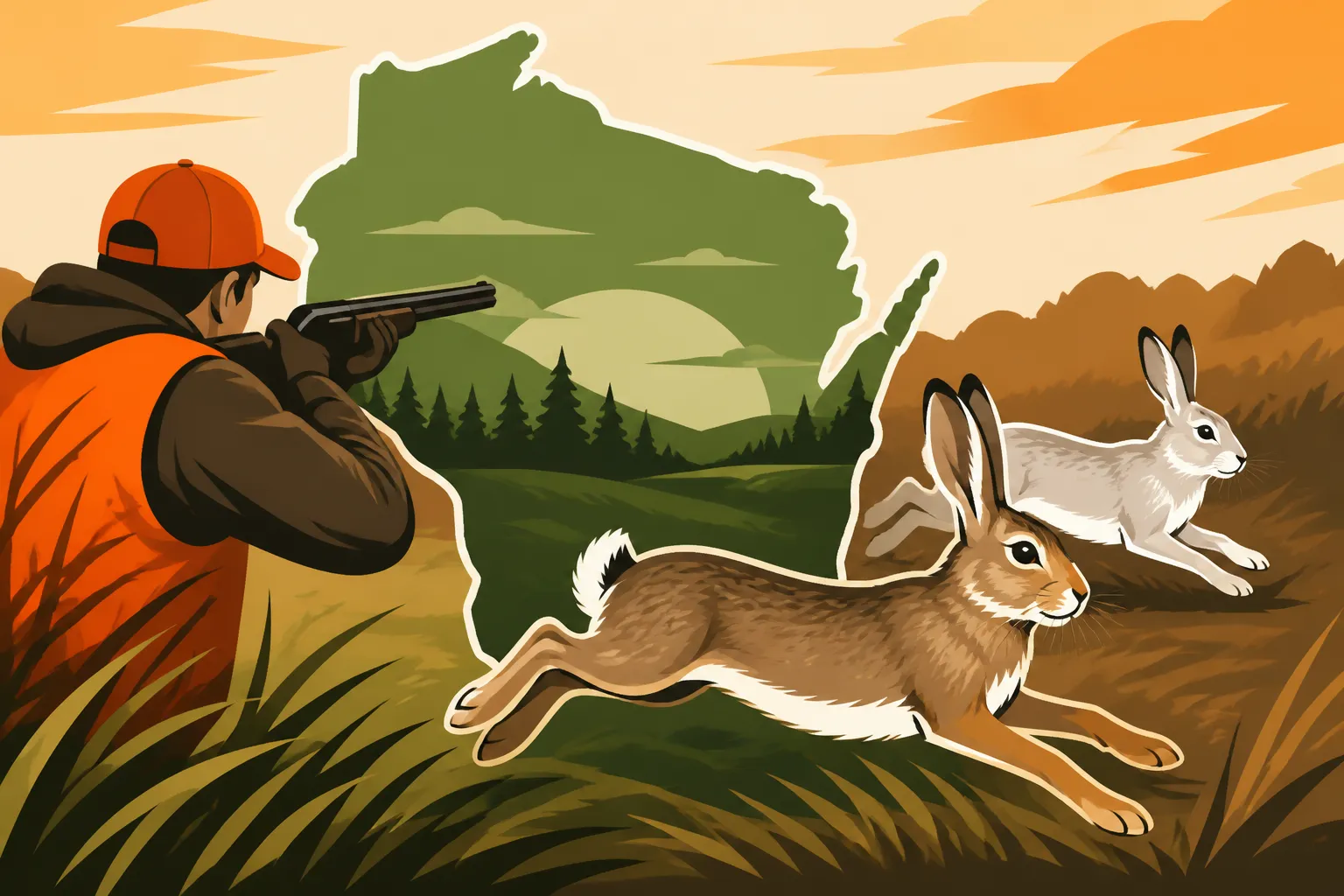
Now, the snowshoe hare is a different beast entirely, both in appearance and where you'll find it. These fascinating animals are true inhabitants of Wisconsin's northern forests, often associated with dense coniferous swamps, cedar thickets, and areas with thick, young aspen and spruce regeneration. Their most iconic trait, of course, is their remarkable camouflage: they wear a brown coat in summer and swap it for a pristine white one in winter, helping them blend seamlessly into the snow-covered landscape. Their large hind feet, covered in dense fur, act like natural snowshoes, allowing them to navigate deep snow with relative ease, a significant advantage over cottontails in their northern domain.
Snowshoe hares are generally larger than cottontails and tend to run in wider, more sweeping arcs when flushed. While they also favor dense cover, their habitat is distinctly different, often characterized by more mature forests with a thick understory. Think about those dense evergreen stands or areas where beavers have flooded lowlands, creating tangled masses of downed timber and new growth – that's prime snowshoe country. Their diet leans more towards woody vegetation, buds, and bark, especially during winter. Successfully hunting them means understanding their reliance on this specific, often challenging, northern forest terrain.
Key Differences for Hunters
Understanding the distinctions between cottontails and snowshoes is paramount for any hunter targeting these species in Wisconsin. Beyond the obvious size and color changes, their preferred habitats dictate your scouting efforts and hunting methods. Cottontails are often found closer to human habitation, in fragmented landscapes, making them ideal for shorter hunts closer to home, often without the need for specialized snow gear. They are fantastic for introducing new hunters to the sport due to their relatively predictable escape patterns in smaller coverts.
Snowshoes, on the other hand, demand a more rugged approach. Their deep woods habitat means longer walks, tougher terrain, and often, colder conditions. If you're looking for a serious winter woods challenge, especially if you enjoy exploring remote parts of the Chequamegon-Nicolet National Forest, the snowshoe hare is your quarry. They also require a keen eye to spot their white forms against the snow, a skill that significantly enhances your woodcraft. The change of seasons profoundly impacts how you'll approach each species; while cottontails are available through the fall and into late winter, snowshoes truly come into their own once the snow flies, transforming the landscape and their camouflage into a strategic game.
Seasons, Regulations, and Licenses
Before you even think about loading up your shotgun or lacing up your boots, you absolutely need to be squared away with Wisconsin's hunting regulations. Ignorance of the law is never an excuse, and a little homework now can save you a lot of headache later.
Open Seasons and Bag Limits
Wisconsin offers a generous season for both rabbits and hares, providing ample opportunity to get out in the field. Generally, the season for both Eastern cottontails and snowshoe hares runs from mid-September through February. This long season allows hunters to pursue them in various conditions, from crisp fall days to deep winter snow. However, it's always critical to double-check the current year's regulations on the Wisconsin DNR website, as dates can shift slightly.
The daily bag limit for cottontails is typically quite liberal, often set at three per day, with a possession limit of six. For snowshoe hares, the daily bag limit is usually two, with a possession limit of four. These limits are designed to ensure sustainable harvest while still providing a rewarding experience for hunters. Remember, these limits apply per hunter, per day. If you're hunting with a group, each hunter contributes to the overall take, so keep a running tally to avoid accidental overharvest. These plentiful seasons and generous limits are one of the reasons why small game hunting is such a fantastic option for putting some wild protein on the table.
Licensing Requirements and Go Wild
To hunt rabbits and hares in Wisconsin, you'll need the appropriate licenses. Generally, a small game hunting license is required for residents and non-residents alike. If you plan on using a firearm, you'll also need to have successfully completed a hunter safety course unless you were born before January 1, 1973, or are participating in a mentored hunt.
The easiest way to acquire your licenses is through the DNR's Go Wild system. This online platform is incredibly user-friendly and allows you to purchase all the necessary tags and stamps from the comfort of your home. You can even carry proof of your license on your phone, making it super convenient when you're out in the field. When checking current season dates and bag limits, I often recommend using the GoHunt app or website, as it provides real-time updates and interactive maps that can be invaluable for ensuring you're compliant with all the rules. For a comprehensive overview of how to obtain your permits, check out our guide on Wisconsin Resident Licence Options.
Blaze Orange Rules and Legal Hours
Safety is always paramount, and Wisconsin has specific requirements for hunter visibility, especially when gun hunting. If you're pursuing rabbits or hares during any gun deer season, or on any lands where firearms are permitted for hunting (even small game), you are required to wear blaze orange or fluorescent pink. This includes at least 50% of the outer clothing above the waist, including a hat. This rule is designed to ensure you are highly visible to other hunters, dramatically reducing the risk of accidents.
Legal shooting hours for small game generally extend from 30 minutes before sunrise to 30 minutes after sunset. This gives you a good window of opportunity, especially during the shorter days of late fall and winter. Always carry a reliable light source if you plan to be out near dusk or dawn. It's not just about visibility for other hunters; it's about making sure you can safely navigate the terrain and handle your firearm. Adhering to these rules isn't just about avoiding a citation; it's about fostering a safe and responsible hunting culture for everyone enjoying Wisconsin's outdoors.
Essential Gear for Rabbit and Hare Hunters
While rabbit and hare hunting isn't typically as gear-intensive as, say, a backcountry elk hunt, having the right equipment can significantly enhance your comfort, safety, and success. Remember, you'll often be pushing through thick brush or slogging through snow, so durability and practicality are key.
Shotgun and Ammunition Choices
For both cottontails and snowshoe hares, a 12- or 20-gauge shotgun is the preferred firearm. These gauges offer a good balance of stopping power and maneuverability in thick cover. While a 12-gauge throws more shot, a 20-gauge is lighter and can be quicker to shoulder, which can be a real advantage when a rabbit busts out unexpectedly from a brush pile. Many hunters also favor a .410 for cottontails, especially for younger hunters, due to its lighter recoil. However, its effective range is more limited, demanding closer shots.
When it comes to ammunition, lead shot is generally permitted for small game hunting in Wisconsin, except where specific regulations (like federal waterfowl production areas or some state properties) require non-toxic shot. For rabbits and hares, consider using shots sizes like 6 or 7.5. These smaller pellets create a dense pattern, which is ideal for hitting fast-moving targets at close range without over-penetrating the meat. A modified or improved cylinder choke is often recommended, as it provides a good balance of spread for close shots and enough density for slightly longer ones. Always carry a few extra shells, because when the action heats up, you'll be glad to have them.
Clothing and Footwear for Winter Cover
Wisconsin's weather can be notoriously fickle, especially during the small game seasons which stretch into late winter. Layering is your best friend. Start with a moisture-wicking base layer, add an insulating mid-layer like fleece or wool, and top it off with a durable, brush-resistant outer shell. For pushing through thick brush, thorn-resistant brush pants or chaps are an absolute game-changer. There's nothing worse than getting torn up by thorns a mile from the truck.
Footwear is arguably the most critical piece of clothing. You'll be doing a lot of walking, often in wet or snowy conditions, so waterproof, insulated boots are a must. Look for boots with good ankle support and aggressive tread for navigating uneven terrain. Brands like Irish Setter or Lacrosse offer excellent options that can stand up to the rigors of a Wisconsin winter. If you're heading into true snowshoe hare country, particularly when the snow gets deep, consider wearing gaiters to keep snow out of your boots. For advice on suitable foot protection, you can always refer to our guide on Boots for Wisconsin Swamps and Snow.
Carrying and Tracking Gear
Beyond your firearm and appropriate clothing, a few other items will make your rabbit and hare hunt much more efficient and enjoyable. A comfortable game vest or small backpack is essential for carrying your shells, water, snacks, and, most importantly, any harvested game. Many vests come with a large, blood-proof game bag in the back, perfect for stashing your rabbits.
If you're hunting in snowy conditions, especially for snowshoe hares, a good set of lightweight snowshoes might be necessary if you're venturing off-trail in deeper snow. A GPS unit or a reliable hunting app like GoHunt on your smartphone is also invaluable for navigation, especially on larger public land tracts like those found in the Northern Forest. These apps often allow you to mark hotspots, track your path, and verify property boundaries, helping you find those prime Rabbit Hunting Thick Wisconsin Brush spots and stay safe. Don't forget a sharp knife for field dressing, and a small first-aid kit, because even a simple fall in the woods can lead to an unexpected cut or scrape.
Hunting Tactics for Cottontails and Snowshoes
The thrill of rabbit and hare hunting often comes from the sudden burst of action and the challenge of navigating thick cover. There are several proven methods that hunters employ, each with its own charm and effectiveness.
Still-Hunting and Kicking Brush Piles
This is perhaps the most accessible method for solo hunters or small groups without dogs. Still-hunting for rabbits involves moving slowly and deliberately through promising cover, pausing frequently to observe and listen. Rabbits and hares are masters of camouflage, and they'll often sit tight until you're nearly on top of them. Look for dense thickets, downed trees, brush piles, overgrown fence rows, and the edges of standing cornfields – anywhere they can find refuge.
When you encounter a likely looking brush pile or thicket, the "kick and walk" approach comes into play. Actively kick or stomp around the base of the cover, or use a stick to thrash through it. The goal is to startle the rabbit or hare into bolting. Be ready! They often explode from cover at lightning speed. You'll need quick reflexes and a clear shooting lane. Remember that cottontails often circle back, so if you miss the first shot, stay alert; it might come back around. This method is especially effective for Hunting Wisconsin Farmland Deer during the late season when rabbits are often concentrated in remaining cover.
Using Beagles and Other Hounds
For many, the quintessential rabbit hunt involves a pack of energetic beagles baying on a hot trail. Beagles are born with an instinct to follow rabbit scent, and their short legs mean they'll run at a pace that keeps the rabbit circling within a relatively confined area, often bringing it back right to where the chase began. This allows hunters to position themselves strategically along known travel routes or escape paths.
When hunting with beagles, the strategy involves releasing the dogs in promising cover. Once a rabbit is jumped, the dogs will take up the chase, announcing their pursuit with an excited chorus of barks. Hunters then spread out, waiting for the rabbit to complete its circle. It's an incredibly social and exciting way to hunt, and there's nothing quite like the sound of a beagle pack working a trail on a crisp Wisconsin morning. While beagles are the most popular, other hounds like Basset Hounds can also be effective. To learn more about this traditional method, read our detailed article on Running Beagles on Wisconsin Snowshoe Hares. The key is to listen to your dogs, anticipate the rabbit's route, and be ready for a shot when it comes into view.
Reading Sign and Scouting Hotspots
Successful rabbit and hare hunting, especially without dogs, relies heavily on your ability to read the landscape and identify prime habitat before you even step foot in the woods. Look for areas with abundant droppings, which resemble small, round pellets. Fresh droppings indicate recent activity. You might also spot tracks in the snow or mud, especially around preferred feeding areas. For snowshoe hares, look for tracks with their characteristic large hind prints, indicating those "snowshoe" feet.
During scouting, pay close attention to the types of vegetation. For cottontails, this means identifying dense briar patches, honeysuckle thickets, multiflora rose, and overgrown saplings. For snowshoe hares, focus on areas with dense spruce, balsam fir, cedar swamps, and young aspen stands. Look for browsed branches and clipped twigs, which are sure signs of feeding activity. Using tools like the GoHunt app's satellite imagery can help you pinpoint these dense pockets of cover on public land before you ever leave home. Finding these hotspots, especially in areas with a good Snowshoe Hare Numbers in Wisconsin or Wisconsin Cottontail Population Trend, will dramatically increase your chances of success.
Finding Prime Rabbit and Hare Habitat
Wisconsin offers a diverse landscape, which means different regions will hold different species and require varying approaches to finding prime habitat. Knowing where to look is half the battle.
Cottontail Hotspots in Farmland Edges
For Eastern cottontails, your best bet lies in the agricultural regions of southern and central Wisconsin. Think about the counties known for their corn and soybean fields, where pockets of neglected land still hold dense cover. These areas are characterized by brushy fence rows that act as wildlife corridors, small woodlots choked with undergrowth, and abandoned farmsteads with crumbling outbuildings and overgrown fields. Drainage ditches lined with cattails and willow thickets are also magnets for cottontails.
Good places to start your search include state wildlife areas and county lands located within these agricultural zones. Many of these properties are specifically managed to provide habitat for small game. Also, don't overlook securing permission to hunt on private farmland. Often, landowners are quite receptive to hunters willing to help manage small game populations, especially if the rabbits are causing damage to crops or gardens. Always remember to ask permission respectfully, perhaps even offering a share of your harvest. For tips on navigating these conversations, check out our guide on Hunting Small Private Tracts in Wisconsin. These areas can provide consistent action throughout the long small game season.
Snowshoe Hare Sanctuaries in Northern Forests
Venturing north into Wisconsin's vast timberlands shifts your focus dramatically from farmland edges to dense coniferous forests and young deciduous stands. Snowshoe hares are abundant in the Northern Forest zone, particularly in the Chequamegon-Nicolet National Forest, various state forests like the Northern Highland-American Legion State Forest, and numerous county forest lands. Look for areas that have undergone recent logging operations, which stimulate dense regeneration of young trees and shrubs, providing ideal cover and food. Cedar swamps are also classic snowshoe hare haunts.
These northern landscapes can be challenging to navigate, especially with deep snow. Utilize snowshoes or cross-country skis to access remote areas where hares are less pressured. Pay attention to stands of young spruce, balsam fir, and tamarack, as well as areas where alders and willows grow in wet depressions. The edges of clearcuts, especially those that are a few years old and have developed a thick understory, are also excellent places to find hares. Exploring these areas can be an adventure in itself, allowing you to experience the rugged beauty of northern Wisconsin while pursuing a unique game animal. Our resource on Hunting the Wisconsin Northern Forest for Deer also provides insights into navigating similar terrain.
Public Land Access and Maps
Wisconsin is blessed with an incredible amount of public hunting land, and a significant portion of it holds excellent rabbit and hare populations. The key is knowing how to find and access these areas. The Wisconsin DNR's website offers detailed maps of state wildlife areas, state forests, and national forests, often highlighting parking areas and boundaries.
Beyond the DNR, the GoHunt app is an invaluable tool for public land hunters. Its detailed satellite imagery, property line overlays, and access point markers can save you countless hours of scouting. You can identify brushy corridors, dense conifer stands, and access roads from your couch, then pinpoint them in the field. Remember that public land can see pressure, especially closer to roads. Don't be afraid to walk a little further to find undisturbed pockets of habitat. Many county forests also offer excellent small game hunting opportunities; their websites often provide maps and details on specific regulations or access points.
Post-Hunt Care and Safety
The hunt doesn't end when the shot is fired. Proper post-hunt care ensures your harvest is high-quality, and adhering to safety protocols remains crucial throughout the entire process.
Field Dressing and Meat Care
Once you've harvested a rabbit or hare, quick and clean field dressing is essential, especially on warmer days, to preserve the quality of the meat. A sharp knife is all you need. Many hunters simply make an incision along the belly, eviscerate the animal, and then hang it by the hind legs to bleed out. Removing the entrails quickly helps the carcass cool down, preventing bacterial growth.
After field dressing, get your game cooled as soon as possible. On cold winter days, simply hanging them in the shade or placing them in a breathable game bag can work well. If temperatures are mild, bring a cooler with ice to store your rabbits for the trip home. Once home, skinning and butchering can be done immediately or after a short cooling period in a refrigerator. The meat is lean and flavorful, excellent for stews, braises, or frying. For more detailed insights into handling your harvest, you might find our guide on Handling Bear Meat Safely useful, as some principles of quick cooling apply across species.
Preventing Disease Transmission
While generally safe to consume, hunters should be aware of a few potential health considerations when handling rabbits and hares. The most common concern is tularemia, also known as "rabbit fever." While rare, it can be transmitted to humans through handling infected animals. Always wear gloves when field dressing, and thoroughly cook all game meat to an internal temperature of at least 160°F.
A tell-tale sign of a potentially infected animal is a lethargic demeanor or unusual white spots on the liver or spleen during field dressing. If you encounter an animal exhibiting these signs, it's best to avoid harvesting it or, if already harvested, discard it and report your findings to the Wisconsin DNR. The risk is generally low, but being vigilant and practicing good hygiene are always smart precautions. Beyond tularemia, general parasites like ticks can also be present, especially in warmer months, so always check yourself and your gear after a hunt.
Safe Hunting Practices
Finally, fundamental hunting safety rules apply universally, regardless of the game you're pursuing. Always treat every firearm as if it were loaded. Keep the muzzle pointed in a safe direction, keep your finger off the trigger until ready to shoot, and be absolutely certain of your target and what lies beyond it. When hunting with dogs or in a group, communication is key. Use two-way radios or clear verbal commands to let others know your position and if a rabbit is flushed.
Additionally, always inform someone of your hunting plans – where you're going and when you expect to return. Carry a fully charged cell phone (though don't rely solely on it in remote areas), a map, compass, and emergency supplies. Be prepared for changing weather conditions, especially in Wisconsin's varied environments. Understanding and adhering to all regulations, including blaze orange requirements, is not just about legality; it's about being a responsible, ethical, and safe hunter. For more information on reporting successful hunts and understanding harvest data, refer to Reading a Wisconsin Harvest Report.
Cottontail vs. Snowshoe Hare Comparison
| Feature | Eastern Cottontail | Snowshoe Hare |
|---|---|---|
| Primary Habitat | Farmland edges, brushy fence rows, woodlots, suburbs | Northern coniferous forests, cedar swamps, clearcuts |
| Typical Size | Smaller, average 2-3 lbs | Larger, average 3-4 lbs |
| Winter Coat | Brown | White (seasonal camouflage) |
| Feet | Smaller, less furred | Large, heavily furred ("snowshoes") |
| Running Style | Shorter dashes, often circles tighter | Wider, more sweeping arcs |
| Diet | Grasses, clover, garden crops, bark, twigs | Woody vegetation, buds, bark |
| Bag Limit (Daily) | Typically 3 | Typically 2 |
| Ideal Hunting Season | Fall through early winter, pre-snow | Mid-winter, once snow covers ground |
Disclaimer
Please remember that hunting regulations, seasons, and licensing requirements can change. Always consult the official Wisconsin Department of Natural Resources (DNR) website or their current hunting regulations pamphlet before heading into the field. This guide is for informational purposes only and does not supersede official DNR regulations.