Hunting Horicon Marsh Waterfowl
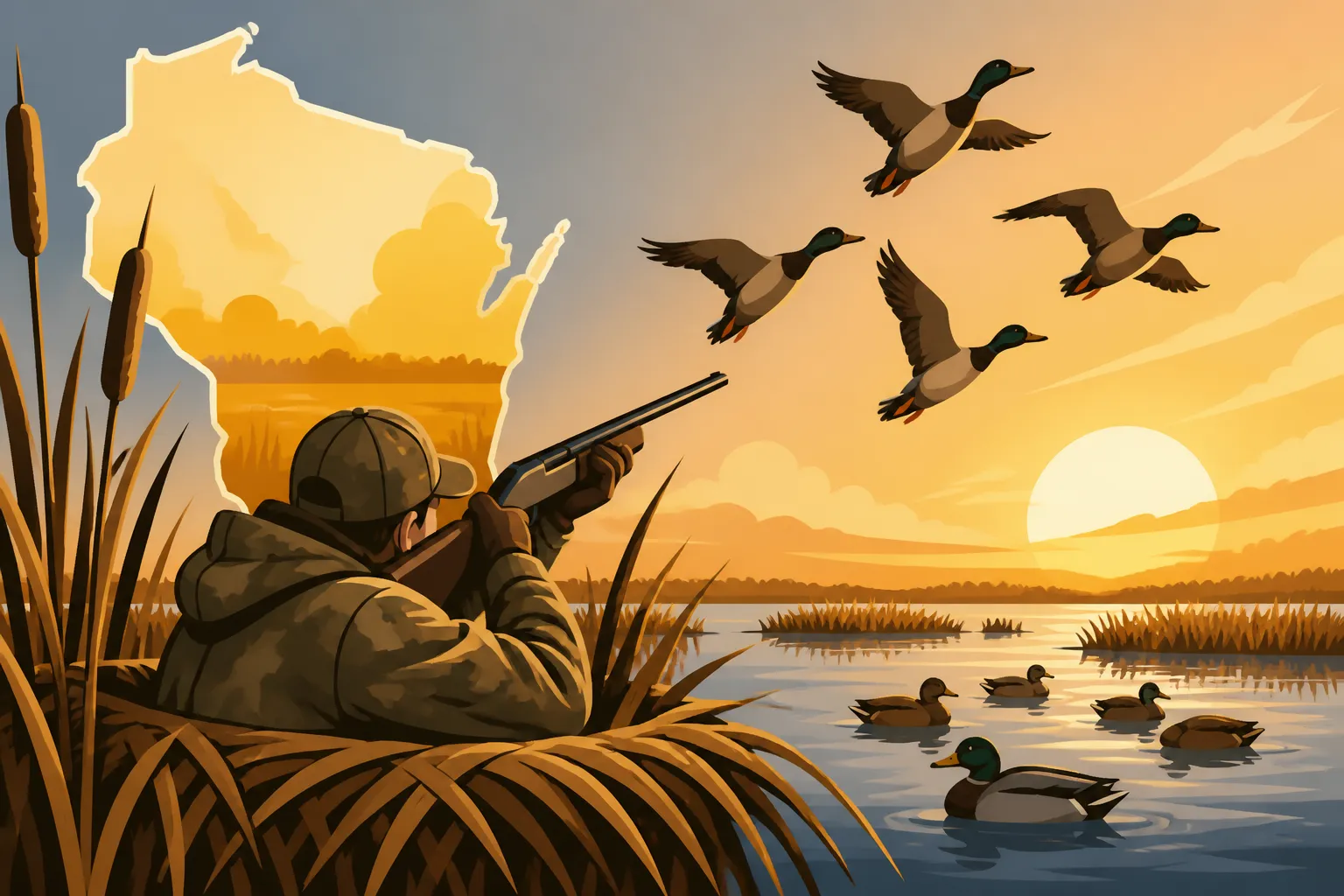
Hunting waterfowl on Horicon Marsh can feel like trying to solve a giant, beautiful puzzle, especially for those new to its vastness and complex regulations. Between navigating the unique split ownership by both state and federal agencies, understanding the lottery system for prime spots, and simply figuring out where to even launch a boat, it’s easy to feel overwhelmed before you even set a decoy. This guide aims to demystify the experience, offering practical advice and deep insights to help you successfully hunt ducks and geese on one of Wisconsin's most legendary waterfowl meccas.
Understanding Horicon Marsh: A Waterfowler's Paradise (and Puzzle)
Horicon Marsh isn't just a place; it's an institution in the Wisconsin hunting world. Spanning over 33,000 acres across Dodge and Fond du Lac counties, it's a colossal wetland that serves as a critical stopover for millions of migratory birds on the Mississippi Flyway. For waterfowlers, its sheer scale promises incredible opportunities, yet its divided management and unique ecology present significant challenges that demand careful planning and respect. It's a place where you can have a truly epic day, or spend hours scratching your head, wondering where all the birds went.
The Sheer Scale and Unique Ecology of Horicon
Imagine a wetland so immense that you can barely see across it in some areas, filled with dense cattails, scattered open water potholes, and winding dike systems. That's Horicon Marsh. This impressive landscape is largely a remnant of Glacial Lake Wisconsin, and its shallow, fertile waters create an abundance of food sources – everything from diverse aquatic vegetation to waste grain in surrounding agricultural fields. This rich buffet is exactly what draws in waterfowl, often in numbers that are hard to comprehend until you witness them firsthand. However, this dense habitat also means birds can hide incredibly well, making finding them a constant game of strategy and patience. The marsh is a dynamic ecosystem, changing with water levels, vegetation growth, and of course, the ever-present influence of human activity both within and surrounding its boundaries. It’s not just a pond; it’s an entire world of its own.
Horicon's Place on the Mississippi Flyway
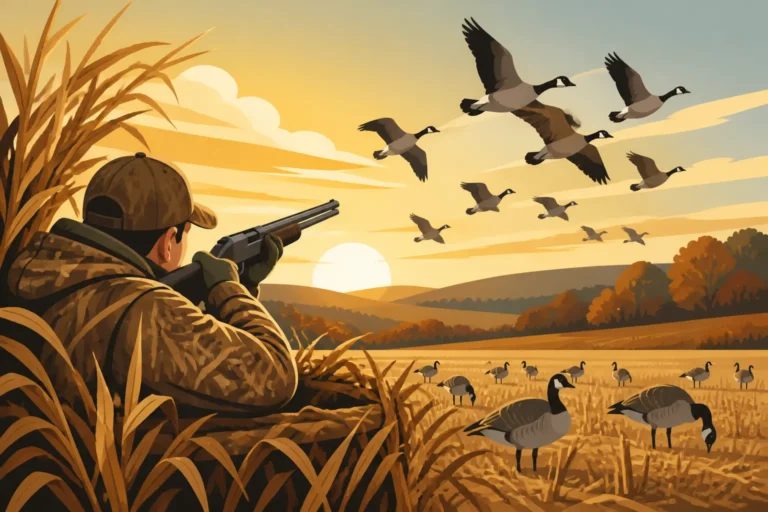
As migratory birds make their epic journey south each fall, Horicon Marsh stands out as one of the most vital pit stops along the entire Mississippi Flyway. For waterfowl like mallards, teal, wood ducks, and especially Canada geese, it offers refuge, abundant food, and critical resting grounds. The marsh is particularly renowned for its spectacular staging concentrations of Canada geese, often numbering in the hundreds of thousands, if not more, during peak migration. While these impressive numbers are a sight to behold, they also mean that the marsh can attract immense hunting pressure. Understanding the broader migration patterns and knowing when different species are likely to be present in significant numbers is crucial for success. For more on the timing of these movements, you might want to read our guide on Wisconsin Waterfowl Migration Timing. This area is a true funnel for birds heading south, making it a hotspot, but also a challenge due to the sheer volume of birds and hunters.
State vs. Federal: Navigating the Two Halves
One of the most defining and often confusing aspects of hunting Horicon Marsh is its split ownership and management. The northern two-thirds (approximately 21,000 acres) is managed by the U.S. Fish and Wildlife Service as the Horicon National Wildlife Refuge (NWR), while the southern one-third (approximately 11,000 acres) is managed by the Wisconsin Department of Natural Resources (DNR) as the Horicon Marsh State Wildlife Area. The rules, access points, and even the hunting opportunities differ significantly between these two halves. The NWR generally has more restrictive hunting regulations, often focusing on controlled hunts and refuge areas, while the State Wildlife Area offers more general hunting opportunities, though still with specific rules. You absolutely must know which half you are hunting in and abide by its specific regulations. Ignorance of the law is no excuse, and wardens patrol both sides of this remarkable natural resource diligently.
Permits, Seasons, and Regulations: The Gatekeepers of Horicon
Hunting Horicon Marsh is not simply a matter of showing up with your shotgun and decoys. Both the state and federal portions have specific permit requirements, unique season structures, and detailed regulations that must be understood and followed to the letter. Navigating this bureaucratic maze can be daunting, but it's an essential first step for any hunter hoping to experience the marsh's legendary waterfowl hunting. Failing to secure the right permits or understand the specific rules for your chosen hunting zone can quickly turn an exciting trip into a frustrating one, or worse, lead to hefty fines.
Drawing for a Managed Hunt Slot
For many of the prime hunting locations, particularly within the Horicon National Wildlife Refuge and some areas of the State Wildlife Area, access is controlled through a lottery or drawing system. This is especially true for popular goose blinds during the early seasons when bird numbers are highest. Hunters apply through the Wisconsin DNR's Go Wild system, often months in advance, for a chance to secure one of these highly coveted slots. These managed hunts often provide access to areas that would otherwise be difficult or impossible to hunt, and they are designed to distribute pressure and enhance the hunting experience. Keep a close eye on application deadlines, usually in August, and be prepared for low draw odds, as these hunts are incredibly popular. It can be frustrating to put in for years and not draw, but persistence is key for many long-time Horicon hunters. For more details on this process, check out our piece on Applying for a Horicon Goose Hunt.
Understanding the Zones and Periods
Beyond the state and federal split, Horicon Marsh is further divided into specific hunting zones and periods, each with its own set of rules and accessibility. For instance, the State Wildlife Area may have certain areas open to general hunting with varying shooting hours, while other zones might be restricted to specific permit holders or even closed to hunting entirely. Within the NWR, hunting opportunities are even more precisely delineated, often by specific units or designated blind sites that are part of the managed drawing. These zones are put in place to manage hunting pressure, provide sanctuary for birds, and ensure a sustainable harvest. You’ll need to consult the most current Wisconsin Waterfowl Regulations and the Horicon NWR hunting brochure annually, as rules can and do change. A thorough understanding of these maps and regulations is non-negotiable before you ever step foot on the marsh.
Federal Regulations for the Horicon National Wildlife Refuge
Hunting the federal side, the Horicon National Wildlife Refuge, comes with its own distinct set of federal regulations that often supersede state rules or add additional layers of compliance. These can include different shooting hours, specific transportation requirements for retrieved game, limitations on dog use, and strict rules regarding blinds and decoys. For example, some areas might prohibit permanent blinds, requiring portable setups only. The NWR also has designated "closed areas" that serve as complete sanctuaries for wildlife, and violating these boundaries is a serious offense. All hunters on the NWR must possess a valid Federal Duck Stamp in addition to their state licenses. For a deeper dive into these requirements, you can find information in our article on Wisconsin Federal Duck Stamp Rules. It's not enough to know the state rules; you must specifically familiarize yourself with the federal directives to avoid issues.
| Feature | Horicon Marsh State Wildlife Area (DNR) | Horicon National Wildlife Refuge (USFWS) |
|---|---|---|
| Management | Wisconsin Department of Natural Resources | U.S. Fish and Wildlife Service |
| Size | ~11,000 acres (Southern portion) | ~21,000 acres (Northern two-thirds) |
| Access | General hunting access in designated areas, some managed hunts. | Primarily managed hunts (drawings), specific entry points. |
| Permits | State hunting license, waterfowl stamp, HIP registration. | State hunting license, waterfowl stamp, HIP registration, Federal Duck Stamp, often specific NWR hunt permits. |
| Regulations | Wisconsin waterfowl hunting regulations. | Federal waterfowl hunting regulations (often more restrictive), NWR specific rules. |
| Baiting | Prohibited. | Prohibited. |
| Boats | Generally allowed in designated areas, certain restrictions. | Specific launch points and watercraft restrictions in certain units. |
| Common Species | Ducks, Canada Geese, Sandhill Cranes (viewing). | Ducks, Canada Geese (major staging area), Sandhill Cranes (viewing). |
Essential Gear for Horicon Marsh Success
Just like any specialized hunting pursuit, tackling Horicon Marsh requires the right equipment. This isn't your average farm pond hunt; the sheer size, unpredictable weather, and demanding terrain of the marsh call for robust, reliable gear that can withstand the elements and help you stay comfortable and effective. Skimping on essentials here can lead to a miserable, cold, and potentially dangerous experience. Investing in quality gear is not just about comfort; it's about safety and ultimately, success.
Boats, Blinds, and Decoy Spreads
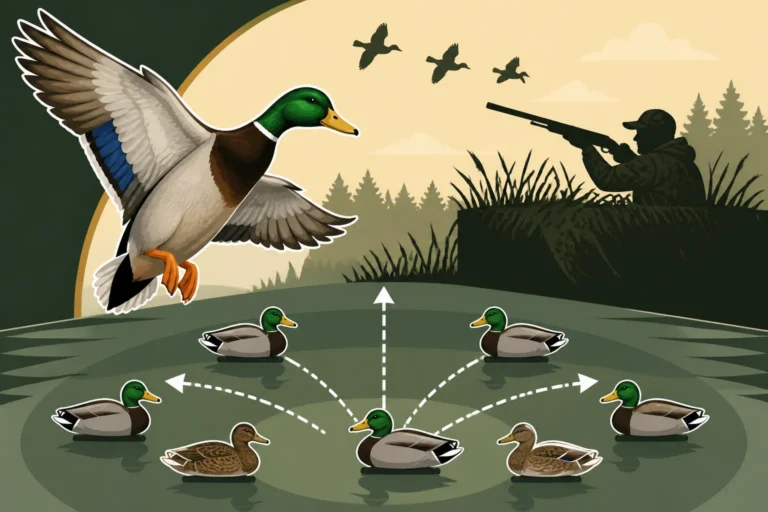
To effectively hunt many areas of Horicon Marsh, especially the larger open water sections or more remote potholes, a shallow-draft boat is often indispensable. Jon boats or marsh boats, typically with small outboard or electric motors, are ideal for navigating the often-mucky bottom and dense vegetation. Retrieval of downed birds is also significantly easier with a boat. When it comes to concealment, a robust layout blind or a well-constructed boat blind is crucial. The wide-open nature of many parts of the marsh means you'll be exposed, and good camouflage is paramount. Decoy spreads should be adaptable. For ducks, a mix of mallards, pintails, and wigeon is a good start. For geese, large Canada goose spreads, sometimes numbering in the dozens of full-body decoys, are common. Depending on the zone, you might be limited in the number of decoys you can deploy, so always check the specific regulations. For deeper insights into setting up your hide and attracting birds, you could look at Layout Blinds and Marsh Boats and Decoy Spreads for Wisconsin Divers.
Waders, Layering, and Cold-Weather Preparedness
Wisconsin waterfowl hunting, especially on a vast marsh like Horicon, demands serious consideration for weather. You'll be spending long hours exposed to the elements, often standing in cold water. High-quality chest waders are non-negotiable, preferably insulated ones, as are waterproof and windproof outer layers. Layering is your best friend: start with a moisture-wicking base layer, add insulating middle layers (fleece or down are popular choices), and top it off with your waterproof shell. Don't forget insulated gloves, a warm hat, and waterproof boots if you're not in waders. Hypothermia is a real danger, and being prepared for freezing temperatures, driving rain, or heavy snow is paramount. You might start a hunt in crisp fall air and end it in a blizzard. Having durable Waders for Wisconsin Marsh Hunting is key.
Shotguns, Loads, and Waterfowl Dogs
When it comes to firearms, a reliable 12-gauge shotgun is the standard for Horicon Marsh. Most hunters opt for semi-automatics or pump-actions for their capacity and versatility. Choke selection is critical; modified or improved cylinder chokes are good all-around choices, but you might want a tighter choke for long-range goose passes. Remember, federal law mandates the use of non-toxic shot for all waterfowl hunting, so steel shot, bismuth, or tungsten-based loads are essential. Shot size typically ranges from BB or #1 for geese to #2 or #4 for ducks. A well-trained waterfowl dog is an invaluable asset on Horicon. The thick cover and cold water make retrieving downed birds without a dog incredibly challenging, often leading to lost game. Not only do dogs increase your recovery rate, but they also significantly enhance the overall hunting experience. Equipping your canine partner with Dog Vests for Cold Water Retrieves is a smart move to protect them from the elements and sharp cattail stalks.
Strategic Approaches to Hunting Horicon Marsh
Horicon Marsh is a chess game, not checkers. It's too big and too dynamic to simply show up and expect success. Hunters who consistently do well on the marsh are those who approach it with a strategic mindset, constantly observing, adapting, and planning. From pre-season scouting to in-the-moment adjustments, every decision can impact your chances of filling your limit. It's a place where local knowledge and hard-earned experience truly pay off, but even newcomers can find success with the right approach.
Scouting the Marsh: Finding Hidden Gems
Effective scouting is the bedrock of success on Horicon. This isn't just a drive-by affair; it often involves physically getting into the marsh, observing bird patterns, identifying food sources, and locating accessible hunting spots. Before the season, use tools like aerial maps from GoHunt or other mapping apps to pinpoint open water, dense cattail edges, and potential access routes. Look for pinch points or funnels where birds might naturally fly. During the season, pay attention to where birds are actively feeding or resting. Drive the perimeter roads, use binoculars and spotting scopes, and even walk dikes to observe movement patterns. Birds often change their habits based on pressure, weather, and available food. A spot that was hot last week might be cold this week. Remember, while a GoHunt subscription provides excellent mapping data and public land overlays, getting boots on the ground (or waders in the water) is irreplaceable for truly understanding the marsh's dynamics.
Dealing with Hunting Pressure and Other Hunters
Horicon Marsh is a popular destination, and consequently, it often experiences significant hunting pressure, especially on weekends and during peak migration. Learning to navigate this pressure is a critical skill. One strategy is to hunt during weekdays when crowds are generally lighter. Another is to seek out less accessible areas; often, the harder a spot is to reach, the less pressure it receives. Being polite and respectful to other hunters is also paramount; give them space, avoid sky-busting, and remember that everyone is there to enjoy the outdoors. Sometimes, other hunters' movements can even work to your advantage, pushing birds into your area. Be prepared to adapt if a spot you planned to hunt is already occupied. Having a backup plan (or three) is always a good idea. Understanding Hunting Pressure on Wisconsin Public Land can give you an edge in finding those less-traveled spots.
Timing Your Hunt: Peak Migration vs. Early Season
The timing of your hunt profoundly influences the species you'll encounter and the hunting conditions you'll face. The early season (September-early October) often sees local birds, primarily wood ducks, teal, and early-arriving mallards. The weather is typically milder, but insect pressure can be higher. This is a great time for jump-shooting smaller potholes or hunting secluded creeks. As the season progresses into late October and November, the marsh truly comes alive with migratory birds. This "peak migration" period is when you'll see massive numbers of Canada geese, diverse duck species, and more challenging, colder weather. Many hunters specifically target Hunting Horicon Marsh in October due to this influx of birds. Late season, particularly after the nine-day gun deer season, can still offer opportunities, especially for hardy mallards and geese, but ice becomes a significant factor, making access difficult or impossible in some areas. Planning your trip around the Wisconsin Duck Season Dates by Zone will ensure you're in sync with the legal hunting windows.
Navigating the Public Access Points and Hunting Zones
Gaining access to the prime hunting areas within Horicon Marsh can be one of the biggest hurdles for new and even experienced waterfowlers. With its vastness, divided ownership, and intricate network of dikes and waterways, simply knowing where to go and how to get there is a crucial piece of the puzzle. It's not always as simple as pulling off the highway and setting up; there are specific entry points, parking areas, and regulations governing movement within both the state and federal sections.
State Wildlife Area Access: Ditches, Dikes, and Entry Points
The Horicon Marsh State Wildlife Area, primarily the southern portion, offers numerous access points, though they vary in convenience and the type of hunting they facilitate. Many hunters access the state land via a network of gravel dikes and maintained ditches, which often require a good pair of waders or a small boat. Popular entry points include areas off Highway 28, County Road S, and Ledge Road, but specific parking lots and designated hunter access lanes are marked. These dikes can be walked to access cattail edges or small potholes, but be aware of the distance, especially when packing in decoys. Some larger ditches and channels allow for boat access, opening up more expansive areas of the marsh. Always consult the official Wisconsin DNR maps for the most current access information, as regulations can change. These maps are invaluable for scouting and planning your routes.
National Wildlife Refuge Specific Access and Rules
Accessing the Horicon National Wildlife Refuge (NWR) is generally more restricted and often tied to the managed hunt drawing system. If you are fortunate enough to draw a permit, your access point and designated hunting unit will be clearly outlined in your permit packet. These often involve specific check-in stations and may require special vehicle passes or boat launch authorizations. For general hunting outside of the managed draw, limited areas might be open, but they are typically clearly marked and have their own distinct access rules. It’s imperative to thoroughly review the NWR's specific brochures and maps available online or at the refuge headquarters. Attempting to enter or hunt restricted areas on the NWR without proper authorization is strictly prohibited and heavily enforced. Remember that even though it's public land, the federal management carries a different set of rules.
Common Challenges and Solutions for Entry
Beyond the official access points, hunters often face practical challenges when trying to get into hunting positions. Muddy terrain, especially after heavy rains, can make even designated parking areas difficult to navigate for two-wheel-drive vehicles. Deep, soft mud in the marsh itself can bog down waders and even small boats. Solutions include using a four-wheel-drive vehicle, dressing for extreme muck (oversized rubber boots or chest waders), and bringing a push pole for your boat to navigate shallow, vegetated areas. Early season hunts might involve thick weed beds that impede boat travel, while late-season hunts introduce the challenge of ice, making boat launches dangerous or impossible. Always scout your access route ahead of time if possible, and be prepared to adjust your plans if conditions dictate. A reliable GPS or mapping app like the one offered by GoHunt, with offline capabilities, is incredibly helpful for marking your entry and exit points and navigating in low light.
Beyond the Hunt: Conservation and Respect at Horicon
Hunting at Horicon Marsh is more than just bagging birds; it's about being part of a larger tradition, respecting an incredible natural resource, and contributing to its long-term health. The marsh is a fragile ecosystem, and our actions as hunters have a direct impact. Embracing ethical practices, understanding wildlife health protocols, and supporting conservation efforts ensures that Horicon remains a premier waterfowl destination for generations to come.
Practicing Ethical Hunting and Retrieval
Ethical hunting is paramount on Horicon Marsh. This means taking only clean, responsible shots within your effective range, avoiding "sky-busting" (shooting at birds too high to reliably hit or retrieve), and making every effort to recover downed birds. The dense cattails and expansive open water make retrieval challenging, which is why a well-trained dog is so valuable. If you shoot a bird and it falls in thick cover, spend the necessary time and effort to find it. Leaving wounded game is not only unethical but also illegal. Always be mindful of your surroundings and other hunters, giving them ample space and avoiding interference. These practices ensure a positive experience for everyone and uphold the integrity of hunting. For more on safe hunting, consider reviewing Wisconsin Hunter Safety and Mentored Hunting.
Carcass Transport and Disease Prevention
Given the presence of Chronic Wasting Disease (CWD) in Wisconsin deer and other wildlife diseases like Avian Influenza in birds, responsible carcass handling is increasingly important. While CWD isn't a direct concern for waterfowl, Avian Influenza can affect bird populations. When hunting Horicon, be aware of any specific directives from the DNR or USFWS regarding the handling or transport of waterfowl carcasses, especially during disease outbreaks. Generally, practicing good hygiene, like washing hands and cleaning equipment, is always recommended. If you notice any visibly sick or diseased birds, report them to the DNR. These efforts help monitor wildlife health and prevent the spread of diseases, protecting both wildlife and human health. You can find more information on these topics in Wisconsin Wildlife Diseases Wisconsin Hunters Watch.
Supporting Marsh Conservation Efforts
Horicon Marsh exists as a hunting destination thanks to decades of dedicated conservation efforts, and it continues to thrive due to ongoing support. Hunters are often the first line of conservationists, and your participation matters. This includes purchasing your federal duck stamp and state waterfowl stamp, as these funds directly contribute to wetland acquisition, restoration, and management. Organizations like Ducks Unlimited and the Horicon Marsh Bird Club also play crucial roles in habitat enhancement and education. By respecting the marsh's regulations, reporting violations, and advocating for sound wildlife management, you contribute to the sustainability of this incredible resource. It's a privilege to hunt Horicon, and with that privilege comes the responsibility to ensure its future.
Disclaimer
The information provided in this guide is for general informational purposes only and is not a substitute for official regulations. Hunting regulations, seasons, and access rules for Horicon Marsh (both State Wildlife Area and National Wildlife Refuge) are subject to change by the Wisconsin DNR and the U.S. Fish and Wildlife Service. Hunters are solely responsible for consulting and adhering to all current federal, state, and local laws and regulations before engaging in any hunting activities. Always prioritize safety and ethical hunting practices.