Boots for Walking Wisconsin Aspen Cuts
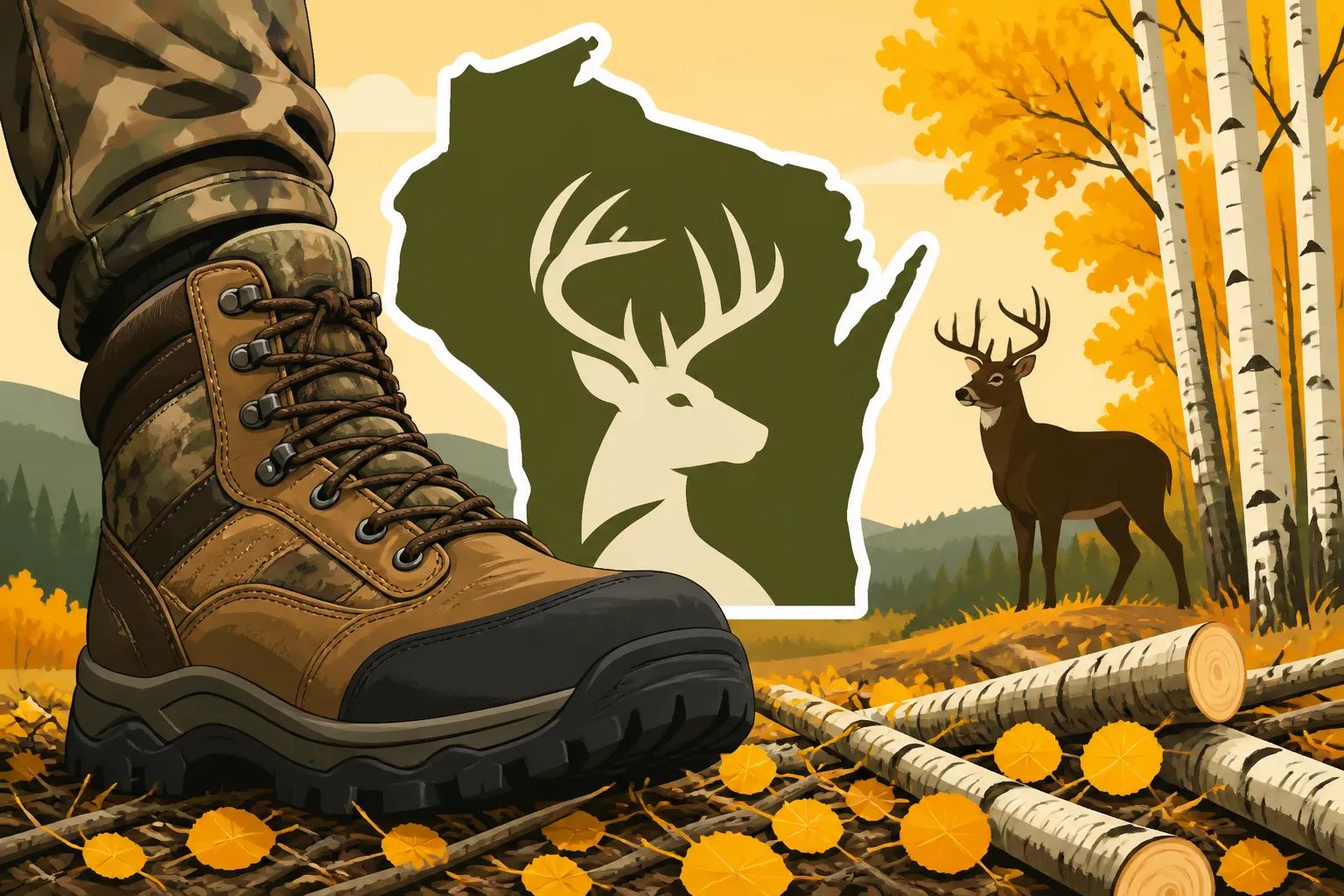
If you've spent any time chasing ruffed grouse or woodcock in Wisconsin, you know those dense aspen cuts and alder runs are a special kind of beautiful… and a special kind of brutal on your feet. The constant pushing through brush, the hidden puddles, the uneven ground – it demands a boot that can truly keep up. This guide is all about finding that perfect partner for your feet, ensuring your hunts are about the flush, not about aching arches or soaked socks.
The Unique Demands of Wisconsin's Aspen and Alder Cover
Aspen cuts, often regenerating timber stands, and alder runs, found along stream beds and wet areas, are prime habitat for ruffed grouse and woodcock. However, they are far from a walk in the park. These environments present specific challenges that can quickly turn a good day into a miserable one if your footwear isn't up to snuff.
Navigating Dense Undergrowth and Uneven Terrain
When you're pushing through a young aspen stand, you're not on a groomed trail. You're climbing over downed logs, stepping into hidden depressions, and constantly battling tangled saplings. This means your boots need to offer excellent ankle support to prevent twists and rolls, especially when you're moving quickly after a flush or navigating steep terrain common in areas like the Driftless Area Deer Hunting in Wisconsin or the Kettle Moraine. A flimsy boot here is an invitation for injury. The aggressive tread pattern is crucial for gripping slippery leaves, moss, and loose soil that can send you tumbling.
Beyond the obvious snags, the ground itself is rarely flat. Old stumps, rocks, root balls, and even forgotten fence lines can be lurking just beneath the surface litter. Your feet and ankles are constantly working, flexing, and adapting to these subtle shifts. A boot with a stiff, supportive midsole can help absorb some of this punishment, reducing fatigue over a long day. Without that proper support, every step becomes a jarring impact, and by noon, your feet will be screaming for a break, taking your focus away from the hunt itself. It's a real energy drain, and it makes you hesitant to push deeper into that promising cover.
Battling Wisconsin's Wet and Variable Conditions
Wisconsin's upland hunting season, particularly for grouse and woodcock, often coincides with damp, cool, and sometimes outright wet weather. Aspen cuts and alder runs, by their very nature, tend to hold moisture. You'll encounter muddy low spots, standing water from recent rains, dewy mornings that soak through everything, and even unexpected creek crossings. Your boots need to be a fortress against this moisture. Walking through Grouse Hunting Wisconsin Aspen Cover can often mean wading through damp tangles that quickly saturate inadequate footwear.
A truly waterproof boot isn't just a nice-to-have; it's a non-negotiable requirement. Nothing saps your morale faster than cold, wet feet miles from the truck. Even if the ground looks dry, pushing through chest-high wet brush will quickly drench any boot that isn't fully sealed. The constant friction and moisture can quickly lead to painful blisters and chafing, turning an enjoyable hunt into an endurance test. Consider how quickly a light drizzle can turn into a downpour when you're deep in the woods, or how much dew collects on the undergrowth on a crisp fall morning. Being prepared for these conditions means you can keep hunting longer and more comfortably.
Essential Features for Upland Boots in Aspen Country
Choosing the right boots means understanding what truly matters when you're putting in the miles in thick cover. It's not just about looking good; it's about performance and comfort, day in and day out, to ensure you stay focused on the hunt.
Waterproofing: The Non-Negotiable Barrier
Let's face it: if your feet get wet, your hunt is effectively over, or at least significantly dampened. Look for boots with a high-quality waterproof membrane, often Gore-Tex or similar proprietary technologies. This membrane creates a barrier that keeps external moisture out while still allowing perspiration to escape, preventing that clammy feeling. It’s a delicate balance, but a good membrane achieves it. Don't skimp here; a "water-resistant" boot simply won't cut it when you're sloshing through muddy pockets or pushing through soaked brush that might be knee-high.
Beyond the membrane, pay attention to the construction of the boot itself. Stitched-down soles tend to be more durable and less prone to separation than purely glued-on soles, which can be critical for maintaining that waterproof seal over time. Also, consider the height of the boot. A taller boot (8-10 inches) provides more protection against splashes and deeper puddles, which are incredibly common in these types of habitats. It also helps keep sticks, burrs, and other debris from getting inside. When you're Finding Woodcock in Alder Runs, that extra height can truly be a lifesaver, allowing you to cross those boggy spots with confidence.
Ankle Support and Stability for Rough Ground
As we discussed, the ground in aspen and alder is anything but predictable. Strong ankle support is paramount to prevent twists, sprains, and overall fatigue. Look for boots with a rigid, well-padded collar and a lacing system that allows you to cinch them down securely. Some boots feature internal support systems or a reinforced heel counter to further stabilize your foot. This support isn't just about preventing injury; it's about confidence. When you know your ankles are well-protected, you can move more freely and quickly, which is often necessary when a grouse flushes unexpectedly and you need to pivot for a shot.
A boot that offers good torsional rigidity – meaning it doesn't twist easily side-to-side – will also help significantly. This stiffness, usually provided by a shank in the midsole, keeps your foot stable on uneven surfaces and reduces the effort required to navigate rough ground. Think about traversing a steep sidehill in the Hunting Wisconsin Coulees and Ridge Tops or stepping on a canted, moss-covered log; a boot that flexes too much will make your foot work much harder, leading to early fatigue and potential missteps. This is especially true when carrying a shotgun or other gear, as stability becomes even more crucial.
Aggressive Traction and Outsole Design
The outsole is your connection to the ground, and in aspen cuts, that ground can be slick with dew, mud, wet leaves, or even early season snow. An aggressive lug pattern with deep, multi-directional lugs is essential for grip. Materials also matter; softer rubber compounds tend to provide better traction but might wear faster, while harder compounds are more durable but can be less grippy on wet surfaces. For the mixed conditions of Wisconsin, a balanced compound is often best to give you both grip and reasonable longevity.
Consider self-cleaning lug patterns, which are designed to shed mud and debris as you walk. This prevents caked-on mud from turning your boot into a slippery platform, which can be a real hazard when you're in a hurry. When you're trying to quickly pivot for a shot or maintain your footing on a steep, leaf-covered bank, reliable traction is non-negotiable for safety and success. Don't overlook the importance of a defined heel breast (the abrupt transition from the arch to the heel of the sole), which helps immensely with braking on descents and provides a secure purchase when climbing over obstacles.
Comfort for Miles: Fit, Weight, and Cushioning
Even the most rugged boot is useless if it's uncomfortable. A proper fit is the absolute most important factor. Your toes should have room to wiggle, but your heel should be locked in place with minimal slippage. Too tight, and you'll get pressure points; too loose, and you'll get blisters. Always try boots on with the type of socks you'll actually wear for hunting – often wool or synthetic blends. Different brands offer varying lasts and fits, so trying a few is key. You might even use a platform like GoHunt to scout the type of terrain you'll be walking, which can help inform your boot choice.
Weight is another significant consideration for long walks. While heavy-duty leather boots offer superb durability, they can become tiring over a full day of busting brush. Lighter synthetic or hybrid boots can reduce fatigue without necessarily sacrificing protection, making those extra miles feel a little less taxing. Cushioning in the midsole and footbed also plays a huge role in long-term comfort, absorbing shock and protecting your feet from the constant impact of walking on hard, uneven ground. Removable insoles are a plus, allowing you to customize the support with aftermarket options if needed.
Popular Boot Types for Wisconsin Upland Hunting
Wisconsin's diverse terrain and weather mean there isn't one "perfect" boot for every hunter or every condition. Instead, several popular types offer different strengths, and understanding these can help you pick the best tool for the job.
Traditional Full-Leather Upland Boots
These are the classics, often found with a leather upper, sometimes treated with oil or wax for water resistance, and a durable rubber sole. They offer excellent support, conform to your foot over time for a custom fit, and are incredibly durable if properly cared for. Many feature a traditional lace-up design that allows for precise fit adjustments, giving you that custom feel. Brands like Danner and Irish Setter have long histories of producing high-quality leather upland boots favored by many Grouse and Woodcock Hunting in Wisconsin enthusiasts for their rugged reliability.
The downside? They can be heavy, and while "water-resistant" through treatment, they aren't always fully waterproof without a dedicated membrane, which can be a deal-breaker in truly wet conditions. They also typically require a significant break-in period, which means putting in some miles before opening day. However, for hunters who value longevity, repairability, and a classic aesthetic, a good pair of full-leather boots is hard to beat. They breathe well in cooler, drier conditions and offer fantastic protection against thorns and sharp sticks.
Rubber Boots: The Ultimate Wet Weather Solution
When the forecast calls for rain, or you know you'll be slogging through swamps and muddy lowlands, traditional rubber boots are often the go-to. Modern rubber boots, especially those with neoprene linings, offer 100% waterproof protection and excellent insulation for cold, wet days. They are also incredibly easy to clean – just hose them off – and require virtually no break-in, making them ready for the field right out of the box. Many come with aggressive outsoles for good traction, specifically designed for muck.
However, rubber boots can lack the ankle support of a lace-up leather or hybrid boot, which can be a concern on truly uneven ground. They also don't breathe well, which can lead to sweaty feet in warmer weather or on long, strenuous walks, potentially causing chafing or blisters. For those extremely wet days, though, when you're Still-Hunting Wisconsin Cedar Swamps or pushing through knee-deep marsh grass for ducks, they're simply indispensable. They excel when you prioritize keeping dry above all else, especially when static in cold, wet cover.
Hybrid and Synthetic Upland Boots: The Best of Both Worlds?
This category encompasses a wide range of boots that blend materials and design elements to offer a fantastic balance of features. Many feature a durable synthetic upper (often nylon or Cordura) combined with leather accents, a waterproof membrane (like Gore-Tex), and a robust rubber outsole. These boots are generally lighter than full-leather options, require far less break-in, and often offer excellent waterproof performance right out of the box, thanks to their advanced construction.
They often strike a great balance between support, weight, and waterproofing, making them a popular choice for the varied conditions of Wisconsin upland hunting. They might not be as bombproof as an all-leather boot or as utterly waterproof as a rubber boot in standing water, but they offer a versatile package for most scenarios. When you're planning a day that might involve both dry ridges and damp lowlands, perhaps in an area you scouted using GoHunt, a quality hybrid boot can keep you comfortable and focused without feeling overbuilt or underprepared.
| Boot Type | Pros | Cons | Best For |
|---|---|---|---|
| Full-Leather Upland | Excellent ankle support, highly durable, custom fit over time, thorn resistance | Heavy, long break-in period, water resistance varies, higher initial cost | Drier, cooler conditions; classic feel; long-term investment for dedicated hunters |
| Rubber Boots | 100% waterproof, often insulated for warmth, easy to clean, no break-in | Poor breathability, less ankle support, can be bulky, not ideal for warm weather | Extremely wet conditions; standing water; muddy terrain; cold weather sits |
| Hybrid/Synthetic Upland | Lighter weight, minimal break-in, good waterproofing, balanced support | Durability can vary with materials, breathability can be an issue in hot weather, less "feel" than leather | Versatile; mixed conditions; good balance of features; all-around use in varied terrain |
Maintaining Your Boots for Longevity and Performance
Investing in a good pair of upland boots is just the first step. Proper care and maintenance are crucial to ensure they last for many seasons and continue to perform when you need them most. Neglecting them will shorten their lifespan and compromise their effectiveness.
Cleaning and Drying After Every Hunt
This might sound obvious, but it's often overlooked in the excitement or exhaustion after a successful hunt. As soon as you get home, take a few minutes to clean your boots. Remove any large clumps of mud, dirt, or debris with a brush or old rag. Pay special attention to the lacing system and around the sole where mud can accumulate, as dried mud can accelerate wear. For rubber boots, a simple hose-down is usually sufficient, making them incredibly low maintenance in this regard.
After cleaning, allow your boots to air dry completely. Never use direct heat sources like a campfire, radiator, or clothes dryer, as this can damage the leather, melt adhesives, or compromise waterproof membranes, leading to cracking or delamination. Stuffing them with crumpled newspaper can help absorb moisture from the inside and maintain their shape, especially for leather boots. Boot dryers, which use gentle heat or forced air, are excellent investments, especially if you hunt frequently or in very wet conditions, much like the care you'd take when Keeping a Muzzleloader Dry in Wet Snow.
Conditioning and Protecting Your Investment
For leather boots, regular conditioning is vital to keep the leather supple and prevent it from drying out and cracking. Use a leather conditioner or boot treatment specific to hunting boots, especially those that maintain breathability and water resistance, not just any old leather treatment. Apply it according to the product's instructions, often after cleaning and drying, working it into all leather surfaces. This not only extends the life of the leather but also helps maintain its water-shedding properties, making it easier for the DWR treatment to do its job.
Even boots with waterproof membranes can benefit from an external DWR (Durable Water Repellent) treatment periodically, particularly if you notice water starting to soak into the outer fabric instead of beading up. This helps the boot shed water more effectively and prevents the outer material from becoming waterlogged, which can make the boots feel heavier and colder, even if your feet stay dry inside. Pay attention to the manufacturer's recommendations for specific care products, as some treatments might not be suitable for all materials or membranes. Always test on an inconspicuous area first.
Storage and Inspection
When the season wraps up, ensure your boots are thoroughly cleaned, dried, and conditioned before storing them away for the off-season. Store them in a cool, dry place, away from direct sunlight or extreme temperatures, which can degrade materials over time. Using shoe trees or stuffing them with newspaper can help maintain their shape and prevent creases that could lead to cracking in the leather or damage to seams. Proper storage is often overlooked but critical for longevity.
Before the next season, give your boots a thorough inspection. Check the seams for any signs of separation, look for cracks in the leather or rubber, examine the outsole for excessive wear or missing lugs, and test the laces for fraying. Replace worn-out laces promptly, and consider resoling if the outsoles are shot but the uppers are still in good shape – many quality boots can be resoled, extending their life significantly. Catching small issues early can prevent major problems in the field and keep you comfortable on those long walks through Wisconsin's incredible hunting grounds, especially if you're using mapping tools like GoHunt to explore new Hunting Wisconsin Clearcuts and Aspen Cuts areas.
Disclaimer
This article is for general informational purposes only and does not constitute professional advice. Laws, prices and regulations vary by location and change over time. Consult a qualified professional for guidance on your specific situation.