Filling a Wisconsin Antlerless Tag
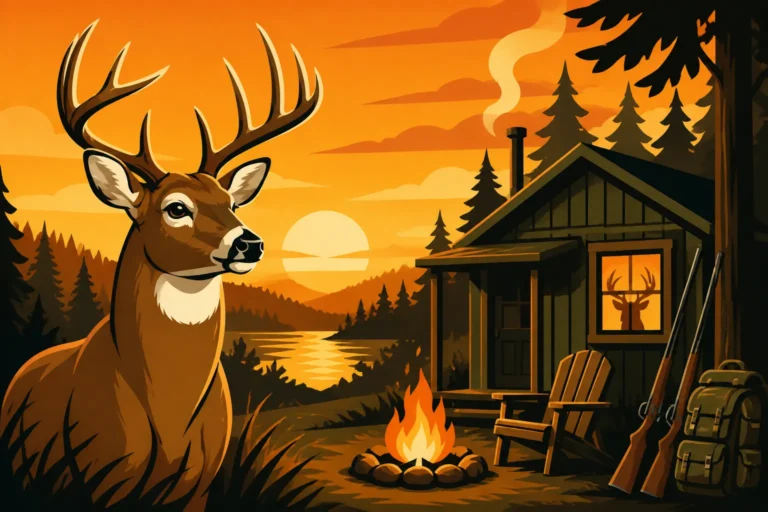
It’s a common scenario for many Wisconsin deer hunters: you’ve got that coveted antlerless tag in your pocket, but actually filling it can feel like a whole different ballgame than chasing a big buck. Maybe you're facing intense hunting pressure, deer that are suddenly nocturnal, or just struggling to locate those does and fawns. This guide is all about cutting through that frustration, offering realistic strategies and practical advice to help you confidently fill your Wisconsin antlerless tag this season.
Understanding Wisconsin's Antlerless Tag System
Navigating Wisconsin's deer hunting regulations can sometimes feel like trying to untangle a snarled fishing line – confusing, right? But getting a handle on how antlerless tags work is crucial, because these tags are your key to bringing home some venison and helping manage our state's deer herd. It’s not just about what you can do, but how these tags fit into the bigger picture of deer management across our diverse landscapes.
The Different Types of Antlerless Authorizations
First off, let’s talk about the various ways you might end up with an antlerless tag. It’s not a one-size-fits-all situation, and understanding the differences is key to knowing where and when you can use them.
You’ve got your basic "Deer Hunting License" that comes with a "Conservation Patron" license, or that you buy separately as a resident or nonresident. This license typically includes a "Hunter's Choice" or "Buck Authorization" that can be used for either an antlered or antlerless deer, but only one of them. Then, there are the dedicated antlerless tags, often referred to as "Antlerless Harvest Authorizations." These are the tags specifically for does and fawns. Many hunters will apply for or purchase additional antlerless tags to increase their harvest opportunities. These can vary by county and management zone, and sometimes even by public versus private land. For instance, some areas in the Farmland Zone might have a surplus of antlerless tags available, while a Northern Forest zone might have very limited options due to lower deer densities. This distinction between zones is important, as is understanding how many deer you can take in Wisconsin based on your specific tags.
How Antlerless Tag Quotas and Availability are Determined
Ever wonder why one county has a ton of antlerless tags and the one next door has hardly any? It’s all about deer management, which is a complex process driven by data and local input. Our Wisconsin Department of Natural Resources (DNR) works with County Deer Advisory Councils (CDACs) to set quotas for antlerless deer. These councils, made up of local citizens, review harvest data, deer impacts on forests and agriculture, and public input to recommend antlerless quotas for their respective counties. The goal is to balance herd health, agricultural impact, public safety (like deer-vehicle collisions), and hunter satisfaction. The number of available tags directly reflects these recommendations, aiming to reduce or stabilize deer populations in areas where they're over objectives, and to allow for more limited harvest where the population needs to grow. This is why you'll see more tags in high-deer-density areas, particularly in the agricultural regions, and fewer in the vast, wilder tracts of the Northwoods. Keeping an eye on these annual recommendations and how they impact your preferred hunting area is a smart move, and sites like GoHunt often provide breakdowns of these quotas.
Wisconsin Antlerless Harvest Authorizations
Key Strategies for Success on Public and Private Land
Whether you're hoofing it on public ground or have secured permission on private property, filling an antlerless tag requires a thoughtful approach. The deer are the same animals, but the dynamics of hunting them can be vastly different depending on where you set your boots down. Understanding these nuances is crucial for success.
Public Land Tactics for Antlerless Deer
Hunting public land often means dealing with increased pressure from other hunters, especially during the peak of the Wisconsin Gun Deer Season Structure. This pressure can push deer into thicker cover, make them more nocturnal, or force them to use less obvious travel corridors. So, your strategy needs to adapt.
First, hunt the fringes and overlooked pockets. Many hunters will stick to easy access points, logging roads, or obvious openings. Don't be afraid to walk a little further, or push into areas that look "too thick" or "too nasty." Often, these are the places where does and fawns will seek refuge from human activity. Look for small cattail marshes, thick cedar swamps, or dense brushy draws that other hunters might avoid. These overlooked spots can be goldmines.
Second, focus on food and cover transitions. Antlerless deer, especially mature does, are incredibly survival-oriented. They will almost always be near a reliable food source, but with dense cover close by for quick escape. Think about the edges of clearcuts, the periphery of standing cornfields (if allowed and available near public land), or areas with abundant mast crops like acorns. Using an app like GoHunt can help you identify these transitions from satellite imagery, allowing you to scout smarter. When the Wisconsin Rut in November kicks in, even doe groups become more active, moving more frequently between these areas.
Third, still-hunting and slow drives. If you're on public land, especially in thicker areas, a slow, deliberate still-hunt can be incredibly effective. Move slowly, pause frequently, and use your binoculars to pick apart the cover. With a group of friends, small, organized deer drives can also be successful. Focus on pushing deer out of thickets or swamps towards "posters" positioned along escape routes. For tips on how to coordinate these, consider resources on Deer Drives With Three or Four Hunters.
Private Land Tactics for Antlerless Deer
Private land often offers a different set of advantages, primarily less hunting pressure and potentially more predictable deer movement. However, it still requires smart strategy.
One of the biggest advantages on private land is the ability to manage your impact. Since you likely have exclusive access or share it with a small, coordinated group, you can control when and where you hunt, minimizing disturbance. This can lead to more consistent daylight movement from deer. Focus on identifying bedding areas and primary food sources (like alfalfa fields, standing soybeans, or oak ridges) and then setting up ambush points along the travel corridors between them. For hunters in the more agricultural parts of the state, Hunting Wisconsin Farmland Deer offers some fantastic insights.
Next, leverage terrain features and food plots. If you have permission on a property with varied terrain, like the Driftless Area Deer Hunting in Wisconsin, use coulees, ridge tops, and bottlenecks to your advantage. Antlerless deer will often follow the path of least resistance or utilize natural funnels. If the landowner allows, small food plots can be incredibly effective at drawing and holding deer, providing consistent opportunities to fill your tags. Learn more about Food Plots Instead of Bait as a management tool.
Finally, communication with the landowner is paramount. They often know the deer movement patterns on their property better than anyone. Ask them where they see does, where they cause crop damage, or where they tend to bed. This local knowledge is invaluable. Also, respect their land and property. Being a good steward not only helps you fill your tag but also secures future hunting opportunities.
Incorporating Technology and Scouting
Regardless of public or private land, modern tools can significantly boost your odds. Apps like GoHunt provide incredibly detailed aerial imagery, topographical maps, and public/private land boundary layers. This allows you to scout from your couch, identifying potential bedding areas, travel corridors, and optimal stand locations before you ever step foot in the woods. You can mark waypoints, track your movements, and even check local regulations for specific Deer Management Units (DMUs) right from your phone. Pre-season scouting, both physically and digitally, is an absolute game-changer. Learning to use tools like the Wisconsin Hunt Wild App can give you an edge.
Practical Tips for the Hunt
Once you've done your homework and picked your spot, it's time to get down to the actual hunt. Antlerless deer can be notoriously cagey, especially if they've felt hunting pressure before. Here are some practical tips to increase your chances.
Choosing the Right Time and Conditions
Not all hunting days are created equal, especially when you're targeting antlerless deer. Pay close attention to weather forecasts and how they might influence deer movement.
- Cold Fronts and Post-Front Activity: A significant drop in temperature, especially after a period of mild weather, often triggers increased deer movement as they need to feed more to maintain body heat. The day after a cold front has passed, with stable, cold conditions, can be exceptional.
- Approaching Storms: Deer often sense an approaching weather system and will feed heavily just before it hits. This can provide a great window of opportunity, particularly in the late afternoon.
- Wind and Rain: While unpleasant for hunters, light rain or a steady drizzle can be fantastic for still-hunting. The rain masks your sound, and deer often move more casually in light precipitation. Heavy wind, however, tends to make deer bed down, though they may still move in protected areas.
- Late Season Advantage: As the season wears on, especially into the Late Antlerless Hunting in Wisconsin periods, food sources become scarcer, and deer become more concentrated around remaining forage. This can make them more predictable. Cold weather sitting strategy becomes critical as temperatures drop.
Consider the time of day as well. While dawn and dusk are always prime times, don't discount the middle of the day. As hunting pressure mounts, deer may shift their movement patterns to avoid peak hunter activity, sometimes moving more frequently around midday in dense cover.
Effective Stand Setups and Hunting Methods
The way you set up your stand or conduct your hunt can make or break your success. Remember, antlerless deer are always on alert.
- Scent Control: This cannot be emphasized enough. Does and fawns rely heavily on their sense of smell for survival. Use scent-free laundry detergent, shower with scent-eliminating soap, and store your hunting clothes properly. Play the wind religiously, even if it means sacrificing your favorite stand. If the wind isn't right, don't hunt that spot.
- Quiet Entry and Exit: Deer know when you're coming and going. Plan your routes to be as quiet and unobtrusive as possible. Use natural terrain features or existing trails that minimize noise. Avoid busting deer out of a bedding area on your way in or out, as this will educate them quickly.
- Patience and Persistence: This is a virtue in all hunting, but especially for antlerless deer. Sometimes, it takes hours of sitting quietly for a group of does to feel safe enough to emerge. If you're still-hunting, slow down even more. Take five steps, then stop for five minutes, scanning every inch of cover.
- Utilizing Calls: While often associated with bucks, subtle doe bleats and fawn bleats can sometimes draw in curious does, especially early in the season or during the rut when does are receptive. Don't overdo it; a few soft bleats are often all it takes.
- Ground Blinds vs. Treestands: Both have their place. A well-brushed-in ground blind can offer excellent concealment, especially for hunting field edges or in areas where suitable trees for a treestand are sparse. If you're in hardwoods, a treestand setup provides a higher vantage point for spotting deer and often keeps your scent above their primary detection zone. For ideas on setups, consider guides on Treestand Setups in Wisconsin Hardwoods.
Table: Prime Seasons & Methods for Filling Antlerless Tags in Wisconsin
| Season/Period | Primary Method(s) | Typical Location Focus | Key Advantage | Considerations |
|---|---|---|---|---|
| Early Archery (Sep-Oct) | Stand hunting, still-hunting | Food plots, crop fields, oak ridges | Less pressure, predictable feeding patterns | Warm weather for meat care; deer still in summer patterns |
| Gun Deer Season (Nov) | Stand hunting, still-hunting, small deer drives | Thick cover near food, swamps, public land fringes | Increased deer movement due to rut & pressure | High hunter density; deer become more wary |
| Muzzleloader (Dec) | Stand hunting, still-hunting | Late-season food sources (browsing, ag fields) | Cold weather concentrates deer; lower pressure | Harsh conditions; deer often nocturnal; specific regulations |
| Late Archery (Dec-Jan) | Stand hunting near food, still-hunting | Remaining food sources, thermal cover | Deer seeking energy; low hunter pressure | Extreme cold; limited daylight movement |
| Holiday Antlerless Hunt (Dec) | Stand hunting, still-hunting, small drives | Food sources, heavy cover | Dedicated antlerless season; good for herd reduction | Often very cold; deer are heavily pressured |
Post-Shot Procedures
Once you've made a good shot, patience is still your best friend. Give the deer time, especially if it's not a clear pass-through shot. A good rule of thumb is 30 minutes for a gut shot, or an hour or more if you suspect a liver shot, and sometimes even longer in warmer weather. Mark the spot of the shot, where you last saw the deer, and where you found the first blood. Use a quality headlamp if tracking after dark. When it comes to retrieving your game, if you're alone and on rugged terrain, methods like dragging a deer up a coulee wall might be challenging, so plan for recovery. Always prioritize safety during recovery.
Post-Harvest Considerations for Antlerless Deer
Harvesting an antlerless deer is just the first step. To ensure your hard work pays off and you comply with Wisconsin regulations, there are a few crucial steps you need to follow. These aren’t just bureaucratic hoops; they're essential for wildlife management and ensuring your venison is handled properly.
Registering Your Harvest
This is non-negotiable and incredibly important for the Wisconsin DNR's ability to manage deer populations. Every deer harvested in Wisconsin must be registered. The good news is, it's easier than ever before. You can register your deer online through the DNR's Go Wild system, or over the phone. Make sure you have all the necessary information ready: your customer ID, the unique harvest authorization number, the date and time of harvest, the county and unit where it was harvested, and the sex of the deer. This data is critical for tracking harvest trends, assessing population health, and making informed decisions about future hunting seasons. Failing to register your deer can result in fines and other penalties, so don't skip this step! Information on Registering a Wisconsin Deer Online is readily available.
Chronic Wasting Disease (CWD) Sampling
Chronic Wasting Disease (CWD) is a serious concern in Wisconsin, particularly in the southern and central parts of the state. It's a fatal, neurological disease that affects deer, elk, and moose. As responsible hunters, playing our part in CWD surveillance is vital.
If you harvest a deer in a CWD-affected county or an area where sampling is encouraged, please consider getting your deer tested. The Wisconsin DNR provides voluntary CWD sampling kiosks and cooperating businesses across the state where you can submit a sample (typically the head) from your deer. This helps the DNR monitor the spread and prevalence of the disease. While there's no evidence CWD can be transmitted to humans, it's recommended not to consume meat from a CWD-positive animal. You can find up-to-date information on Wisconsin CWD Sampling and Test Sites and specific county regulations on the DNR website or through resources like GoHunt. Be aware of Wisconsin Carcass Transport Rules as well, especially if you plan to move your deer out of a CWD-affected area.
Meat Care and Processing
Bringing home venison is a big part of why many of us hunt. Proper meat care starts immediately after the harvest.
- Field Dressing: Get the deer field-dressed as quickly as possible. This cools the carcass rapidly, which is crucial for meat quality, especially in warmer early archery conditions. For detailed steps, consider reviewing guides on Field Dressing a Deer in Cold Weather.
- Cooling the Carcass: After field dressing, get the deer cooled down. If temperatures are above 40°F, you might need to use ice inside the chest cavity or get it to a processor quickly. In colder weather, hanging the deer in a cool, shaded place is usually sufficient.
- Processing: You can butcher the deer yourself at home, which many hunters enjoy, or take it to a professional wild game processor. If you're doing it yourself, make sure you have clean, sharp knives and a sanitary workspace. If you opt for a processor, call ahead to confirm their availability and turnaround times, especially during the busy gun season.
Responsible harvesting and post-harvest care ensure that the venison you worked hard for is safe, delicious, and contributes positively to wildlife management efforts in Wisconsin.
Disclaimer
Please remember that hunting regulations can change. Always consult the official Wisconsin Department of Natural Resources (DNR) hunting regulations pamphlet or their website for the most current and accurate information before heading afield. This guide is for informational purposes only and should not replace official state regulations.