Wisconsin Gun Deer Season Structure
For many, the crack of a rifle echoing through crisp autumn air signals the true start of deer season, yet understanding all the nuances of Wisconsin's various gun deer hunts can feel like navigating a maze. It’s not just about the big nine-day season anymore; there are youth hunts, muzzleloader opportunities, and even late-season options. This guide aims to clear up the confusion, walking you through the intricate structure of Wisconsin's gun deer seasons so you can plan your hunt with confidence.
Decoding the Core Nine-Day Gun Deer Season
Ah, the nine-day gun deer season. For generations of hunters across Wisconsin, this is the event. It’s a time-honored tradition, a pilgrimage to deer camp, and the season that defines deer hunting for so many. But even this beloved staple has its specific rules and rhythm that every hunter needs to understand to have a successful and legal hunt.
The Historic Weekend Opener and Season Length
The sound of gunshots on the Saturday before Thanksgiving is practically the state bird in Wisconsin. This opening weekend is legendary, often bringing together families and friends, many of whom only see each other at deer camp. The season traditionally kicks off on the Saturday preceding the fourth Thursday in November and runs for a continuous nine days. This structure, ingrained in our hunting heritage, allows for two full weekends of hunting, which is a blessing for those who can only get away for short stints from work and family obligations. It's a sprint, not a marathon, and the intensity on public lands, especially on that first Saturday, can be palpable. Knowing when Wisconsin Gun Deer Season Dates are officially set each year is the first step in planning your camp and vacation time.
This nine-day period is often characterized by significant hunter pressure, particularly in accessible areas. If you're hunting public land, especially a popular spot, expect to see other hunters. This isn't necessarily a bad thing; deer drives are a common tactic during this period, and the movement created by hunters can push deer to unexpected locations. However, it also means being extra vigilant about hunter orange requirements and identifying your target clearly. The sheer number of participants during Wisconsin's Nine-Day Gun Deer Season truly makes it a unique experience, a shared endeavor across the state.
Legal Firearms and Ammunition Restrictions
When it comes to what you can actually carry into the woods during the nine-day gun season, Wisconsin has fairly straightforward, but crucial, rules. The primary legal firearms for deer hunting are rifles, shotguns, and handguns. However, there are some important distinctions and restrictions based on location and firearm type. For instance, in certain highly populated or CWD-affected areas, there might be specific regulations regarding the use of rifles versus shotguns, sometimes restricting hunters to shotguns, muzzleloaders, or specific straight-wall cartridge firearms. It’s essential to check the regulations pamphlet for the specific county or Deer Management Unit (DMU) you plan to hunt in, as these rules can change.
Generally, centerfire rifles are the go-to for many hunters, offering accuracy and range, but shotguns shooting slugs are also highly effective, especially in dense brush or areas where projectile travel is a concern. Handguns are legal, but they must meet minimum barrel length and caliber requirements. For any firearm, fully automatic weapons are a no-go, and even semi-automatic rifles and shotguns usually have magazine capacity restrictions for hunting. Always double-check the current regulations on Legal Firearms for Wisconsin Deer before you head out, as misunderstanding these rules can lead to serious consequences. And remember, regardless of the firearm, knowing your weapon, practicing shot placement, and ensuring your ammunition is appropriate for deer hunting are paramount.
Specialized Gun Seasons and Opportunities
While the nine-day hunt is iconic, Wisconsin also offers several other distinct gun deer seasons, each designed to provide specific opportunities or manage deer populations more effectively. These seasons cater to different demographics or hunting styles, adding layers to the overall structure that hunters can take advantage of.
Youth Gun Deer Hunt Weekend
The Youth Gun Deer Hunt Weekend is a fantastic initiative aimed at introducing the next generation to deer hunting in a less pressured environment. This special weekend, typically held in early October, allows youth hunters (ages 10-15) to hunt deer statewide with a gun. The best part? They can do so without a separate antlerless tag, as long as they possess a valid deer license. It's a truly special time where mentors can focus entirely on teaching safe hunting practices, tracking, field dressing, and the joy of being in the outdoors with their young protégés.
What makes this weekend so special is that it often falls outside of other major deer hunting seasons, meaning less competition from adult hunters. This can lead to a more relaxed and educational experience for the youth. The regulations stipulate that youth hunters must be accompanied by a qualified adult mentor (18 years or older, not carrying a firearm, unless they are also participating in a legal archery/crossbow hunt and following all associated rules). It’s a mentored hunt through and through, emphasizing safety and learning. For detailed information on eligibility and rules, checking the Wisconsin Youth Deer Hunt Rules is a must for any adult planning to take a young hunter afield. It’s moments like these, sharing the tradition, that truly cement hunting in the hearts of new hunters.
Muzzleloader Deer Hunting
For those who appreciate tradition, a challenge, or simply want more time in the woods, Wisconsin’s muzzleloader deer season offers a unique opportunity. This season typically runs for about 10 days, often overlapping with or immediately following the nine-day gun season. It's a chance to step back in time, employing firearms that require more skill and precision, where every shot truly counts. The satisfying cloud of smoke after a successful shot is a feeling many muzzleloader enthusiasts chase.
Muzzleloaders, by their very nature, introduce an element of challenge that modern firearms might diminish. Loading takes time, and you often only get one shot. This forces hunters to be more selective, more patient, and more aware of their surroundings. You can use your statewide deer license for either an antlered or antlerless deer, depending on available authorizations for the unit you're hunting. Specific rules govern the type of muzzleloaders allowed, including ignitions (flintlock, percussion cap, or in-line primer), minimum caliber, and projectile type. Hunters often find this season to be less crowded than the main gun season, offering a more tranquil and solitary hunting experience. To dive deeper into the specifics, exploring resources like Muzzleloader Deer Hunting in Wisconsin can help you prepare for this unique opportunity.
Holiday Antlerless Deer Hunt
When the main gun seasons are over, and the chill of late December sets in, Wisconsin offers one last hurrah for gun hunters: the Holiday Antlerless Deer Hunt. This season, usually held between Christmas Eve and New Year’s Day, provides another chance to fill antlerless tags, contributing to local deer management goals. It's particularly popular in the Farmland Zone, where antlerless quotas are often generous, and the hunting pressure has typically dropped significantly.
This late-season hunt is entirely focused on antlerless deer, meaning no bucks are allowed. It's a great opportunity to put more venison in the freezer or help manage local populations where antlerless harvest is encouraged. Hunters must possess an unfilled antlerless deer tag that is valid for the specific Deer Management Unit (DMU) or county they are hunting in. The weather can be a real factor during this hunt, often involving deep snow and bitter cold, so proper gear and cold-weather strategies are paramount. Despite the challenging conditions, the solitude and the chance to hunt in a winter wonderland can be incredibly rewarding. Make sure to verify the exact dates and rules for the Wisconsin Holiday Antlerless Hunt Dates each year, as they can sometimes see minor adjustments based on the calendar.
Deer Management Zones and Their Impact
Wisconsin isn't a monolithic block when it comes to deer hunting. The state is divided into different zones and units, each with its own unique characteristics, deer populations, and management goals. Understanding these distinctions is absolutely critical for any hunter, as they directly influence the type of tags available, the length of seasons, and even what firearms are permissible. It's not a one-size-fits-all approach, and that's by design.
Regional Differences in Deer Population and Habitat
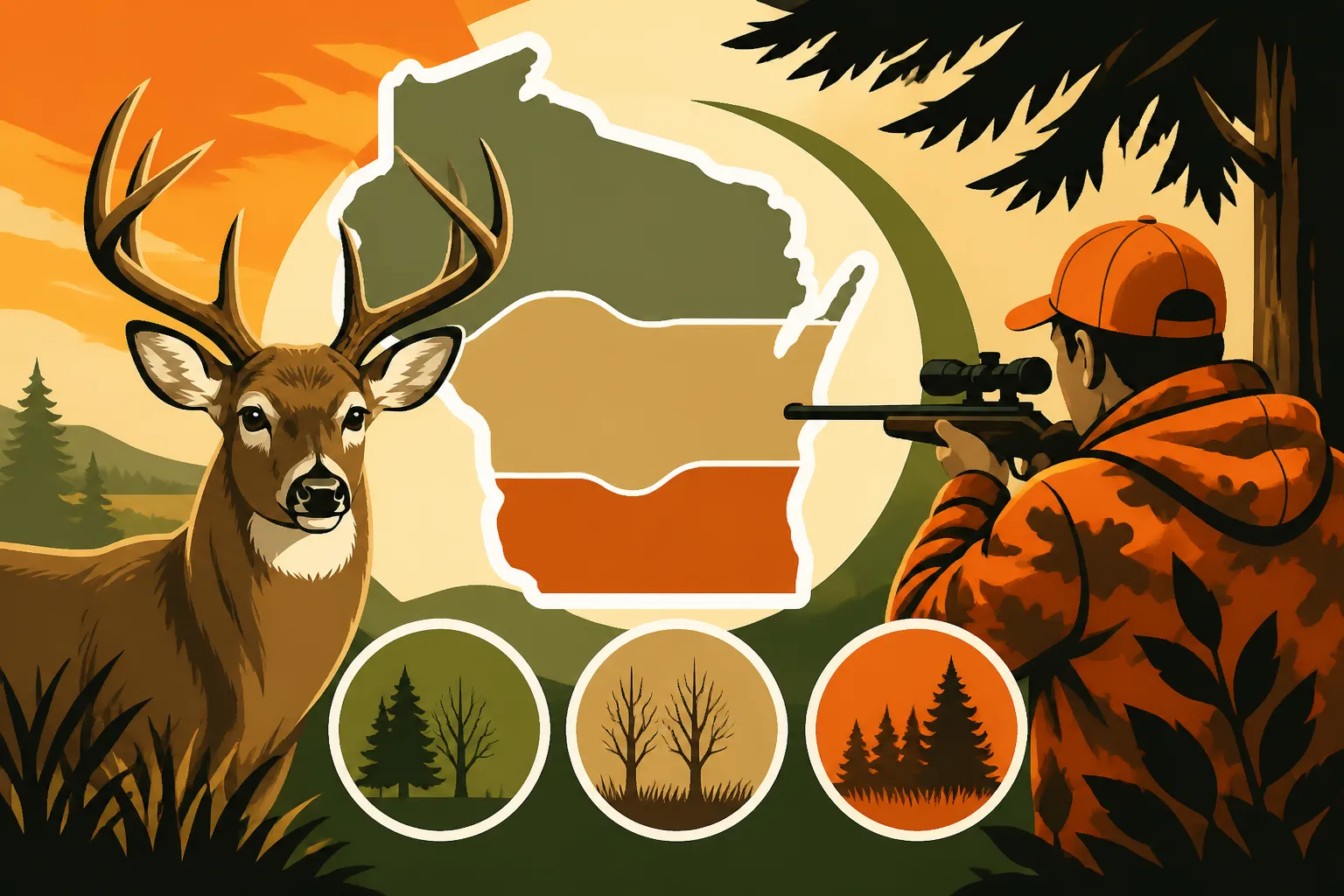
Wisconsin's deer landscape is incredibly diverse, from the dense, coniferous forests of the Northwoods to the rolling agricultural fields and hardwood ridges of the southern Farmland Zone and the rugged coulees of the Driftless Area. These habitat variations lead to distinct deer populations, with different densities, herd health, and antler characteristics. For example, the Northern Forest Zone often has lower deer densities due to harsher winters and less abundant food sources, leading to more conservative antlerless quotas. In contrast, the Farmland Zone, rich with agricultural crops, typically supports higher deer numbers and, consequently, more liberal antlerless tag availability.
Hunters often choose their hunting grounds based on these regional differences. Those seeking a wilderness experience and a challenge might head North, while those prioritizing venison and higher success rates might prefer the agricultural areas. The Wisconsin Deer Management Zones system attempts to tailor management strategies to these specific ecological and social contexts. What works for deer in a sprawling pine plantation simply won't work in a mosaic of cornfields and woodlots. These zones are dynamic, too, with boundaries sometimes shifting based on biological data and public input, so staying current with DNR maps and regulations is key.
Antlerless Quotas and Evolving Management Strategies
Perhaps the most significant impact of deer management zones on the individual hunter is the allocation of antlerless quotas. These quotas determine how many antlerless deer can be harvested in a given area and translate directly into the availability of antlerless deer tags. In areas with high deer populations and concerns about crop damage or overbrowsing, bonus antlerless tags might be plentiful and relatively inexpensive. In regions where the deer herd is lower or managers are trying to encourage population growth, antlerless tags might be limited, distributed via a drawing, or only available for specific properties (like private land tags).
The DNR, in conjunction with local County Deer Advisory Councils (CDACs), continually assesses deer populations, harvest data, and local conditions to set these quotas. Factors like winter severity, fawn recruitment, and chronic wasting disease (CWD) prevalence all play a role in these decisions. Hunters need to pay close attention to when and where bonus antlerless tags are sold, as they can often sell out quickly in popular units. Understanding How Many Deer You Can Take in Wisconsin is directly tied to the antlerless authorizations available in your chosen zone. The goal is to strike a balance: providing ample hunting opportunities while maintaining a healthy, sustainable deer herd.
Licensing and Tagging Essentials for Gun Hunters
Getting out for the gun deer season means more than just having your gear ready; it means navigating the licensing and tagging system correctly. Wisconsin has a streamlined, but comprehensive, system that all hunters, resident and non-resident alike, need to understand. Skipping a step here can quickly turn a memorable hunt into a frustrating, and potentially illegal, one.
The Go Wild System and Required Licenses
Wisconsin moved to the "Go Wild" licensing system some years ago, which is an integrated online portal where hunters and anglers purchase all their licenses and permits. It's designed to be a one-stop shop, making it easier for hunters to manage their accounts, review their harvest history, and apply for draws like turkey or bear permits. For gun deer hunters, the essential purchase is typically a "Gun Deer License," which includes a "statewide deer tag" that is good for one antlered deer, or an antlerless deer if hunting in a unit where an antlered tag can be used for antlerless.
In addition to your base gun deer license, you'll likely need to purchase "bonus antlerless deer tags" if you intend to harvest an antlerless deer in most areas. These bonus tags are specific to a county or Deer Management Unit (DMU) and often differentiate between public and private land. It's crucial to buy the correct bonus tag for the specific area and land type you plan to hunt. Prices for licenses and tags vary for residents and non-residents, and there are special rates for juniors and seniors. If you're new to the state or need a refresher, checking out Wisconsin Hunting Licences and What They Cost is an excellent starting point to ensure you're squared away before hitting the woods. The Go Wild system aims to simplify this, but the responsibility to understand what you need rests squarely on the hunter's shoulders.
Understanding Tag Types: Buck, Antlerless, and Bonus
The heart of Wisconsin's deer tagging system revolves around two main categories: the statewide deer tag and bonus antlerless tags. Your primary gun deer license comes with one statewide deer tag. This tag can be used for an antlered deer anywhere in the state, provided it's within the legal gun season dates for that area. This same tag can also be used for an antlerless deer in specific DMUs, often in the Farmland Zone, where general deer harvest is more liberal. However, you can only use it for one deer.
If you want to harvest additional antlerless deer, or if you're hunting in a zone where your statewide tag is only valid for an antlered deer (e.g., much of the Northern Forest), you'll need to purchase bonus antlerless tags. These tags are explicitly for antlerless deer, are zone/county specific, and sometimes land-type specific (public vs. private). The price and availability of these tags fluctuate based on the DNR's management goals for each unit. It's not uncommon for hunters to buy several bonus antlerless tags if they intend to fill their freezer or participate in local population control efforts. Always double-check the current regulations for the most up-to-date information on how many tags you can purchase and where they are valid. Using an online mapping tool like GoHunt can help you visualize land ownership and tag requirements, ensuring you have the correct authorizations for your chosen spot.
The Importance of Immediate Tagging and Registration
Once you've successfully harvested a deer, the administrative part of the hunt begins, and it's just as important as the hunt itself. Wisconsin law requires immediate tagging of the deer at the point of kill. This means attaching your valid tag to the deer before moving it from the kill site. The tag must be securely attached and visible. This isn't a suggestion; it's a legal requirement designed to prevent tag sharing and ensure accountability.
After tagging, the next crucial step is registration. All harvested deer in Wisconsin, regardless of species or sex, must be registered with the DNR. The good news is that this process has become incredibly convenient with the Go Wild system. You can register your deer online via the Go Wild website, through the Go Wild mobile app, or by calling a toll-free number. The deadline for registration is typically 5:00 PM the day after the harvest. You'll need information like your customer ID, the tag number, the county and unit of harvest, and the sex of the deer. This data is vital for the DNR to track harvest numbers and inform future management decisions. Failing to tag or register your deer correctly can result in fines and penalties, so take these steps seriously.
Navigating Rules, Regulations, and Changes
Wisconsin's hunting regulations are dynamic, constantly adapting to biological data, disease prevalence, and environmental conditions. What was true last year might have changed this year, especially regarding things like baiting bans or CWD protocols. Staying informed is not just good practice; it's essential for a responsible hunter. It can feel like a lot to keep up with, but there are resources available to help you.
Chronic Wasting Disease CWD and Carcass Movement
Chronic Wasting Disease (CWD) continues to be a significant concern for Wisconsin’s deer herd, particularly in the southern and central parts of the state. As a result, the DNR has implemented a number of regulations aimed at slowing its spread. For hunters, this primarily affects carcass movement and mandatory testing in certain areas. If you harvest a deer in a CWD-affected county, there will likely be restrictions on transporting the entire carcass out of that county. Generally, you can move deboned meat, capes, and antlers (without brain tissue) across county lines, but the head and spinal column, which can harbor the CWD prion, must remain within the CWD-affected area or be taken to a designated CWD sampling station.
The DNR provides numerous Wisconsin CWD Sampling and Test Sites across affected counties where hunters can voluntarily or, in some cases, mandatorily submit deer heads for testing. This data is critical for monitoring the disease's spread and prevalence. Always check the most current regulations regarding Wisconsin Carcass Transport Rules before leaving your hunting area, especially if you're hunting in or near a CWD-affected zone. It’s a small inconvenience that plays a large role in protecting the health of the broader deer herd.
Understanding Baiting and Feeding Bans
One of the most frequently asked questions, and often a source of confusion, among Wisconsin deer hunters revolves around baiting and feeding. The rules for baiting and feeding deer are some of the most complex and frequently updated regulations in the state, primarily due to efforts to control CWD. Generally, baiting (placing food or other attractants to lure deer for hunting purposes) is banned in any county where CWD has been detected, as well as in all adjoining counties. This is a crucial distinction: a county adjacent to a CWD-positive county will also have a baiting ban, even if CWD hasn't been confirmed within its own borders.
These bans can last for multiple years once triggered, creating a patchwork of regulations across the state. What's legal in one county might be strictly prohibited in the next. "Feeding" deer (placing food out for deer for any non-hunting purpose) often has similar restrictions, particularly in CWD-affected areas, to prevent unnatural congregations of deer that could facilitate disease transmission. Hunters must check the current Wisconsin Baiting and Feeding Bans map and regulations for their specific hunting county every single year. Ignorance of these rules is not a defense, and violations carry significant penalties. If baiting is banned in your area, focus on scouting, natural food sources, and understanding deer movement patterns. Even without bait, success is very achievable with good woodsmanship.
Staying Up-to-Date with DNR Resources
Given the evolving nature of deer management and hunting regulations, it's paramount for hunters to proactively seek out and understand the most current information. The Wisconsin Department of Natural Resources (DNR) is the primary source for all official regulations, and they offer a wealth of resources to help hunters stay informed. The annual Hunting Regulations pamphlet, available both online and in print at license vendors, is your bible. It details season dates, bag limits, licensing requirements, CWD rules, baiting bans, and much more.
Beyond the pamphlet, the DNR website is an invaluable tool, offering interactive maps, news releases, and frequently asked questions. They also often provide email updates and social media alerts for important changes. Utilizing mapping applications or platforms like GoHunt that integrate DNR data can also be extremely helpful for visualizing public land, private parcels, and specific regulations tied to geographical areas. Don't rely solely on word-of-mouth or last year's knowledge. Take the time each season to review the official regulations for your specific hunting area. It's an investment in a safe, legal, and successful hunt.
Comparing Wisconsin's Gun Deer Season Options
To help you visualize the different gun deer seasons available in Wisconsin, here's a brief overview. This table highlights the key characteristics of each major gun season, from the traditional nine-day hunt to the specialized opportunities.
| Season Name | Typical Dates | Eligible Hunters | Eligible Deer Harvested | Notes |
|---|---|---|---|---|
| Nine-Day Gun Deer Season | Saturday before 4th Thurs in Nov, runs 9 days | All licensed gun hunters | One antlered deer (statewide tag), plus antlerless with bonus tags | Most popular, high hunter pressure, traditional deer camp season. |
| Youth Gun Deer Hunt Weekend | Early October (often 1st or 2nd weekend) | Ages 10-15 with valid deer license | One deer (antlered or antlerless) | Mentored hunt, reduced pressure, no separate antlerless tag needed, focuses on education. |
| Muzzleloader Deer Season | Dec. 2 – Dec. 11 (often overlaps/follows 9-day) | All licensed muzzleloader hunters | One antlered deer (statewide tag), plus antlerless with bonus tags | Requires specific muzzleloader firearms, less crowded, challenges hunters with traditional methods. |
| Holiday Antlerless Hunt | Dec. 24 – Jan. 1 (specific dates vary slightly) | All licensed gun hunters with valid antlerless tags | Antlerless deer only (with bonus tags for specific units) | Late season opportunity, often cold and snowy, good for filling freezer, helps with antlerless management. |
This table serves as a quick reference, but always consult the official Wisconsin DNR regulations for the most precise and up-to-date information, including specific dates, zone regulations, and firearm restrictions.
Disclaimer
Please remember that hunting regulations are subject to change. This guide provides general information and should not be considered a substitute for reading and understanding the official Wisconsin Department of Natural Resources (DNR) hunting regulations pamphlet and website each year. Always verify current rules, season dates, and bag limits for your specific hunting zone before heading into the field.