Hunting Wisconsin’s Holiday Antlerless Hunt
As the regular gun season wraps up, many of us are left with unfilled antlerless tags, or simply a desire to extend our time in the woods. The thought of letting those tags go to waste can be frustrating, especially when there's still deer to be had. That's where Wisconsin's Holiday Antlerless Hunt comes in, offering a unique opportunity to fill your freezer and enjoy the quiet beauty of a late-season hunt that many hunters overlook.
Understanding Wisconsin's Holiday Antlerless Hunt
The Holiday Antlerless Hunt is a fantastic, often underutilized, opportunity for hunters to extend their deer season and help manage local deer populations. It's not just about getting another deer; it's about experiencing the woods in a unique, late-season setting that tests your skills and persistence in ways earlier seasons don't.
What is the Holiday Hunt and When Does It Run?
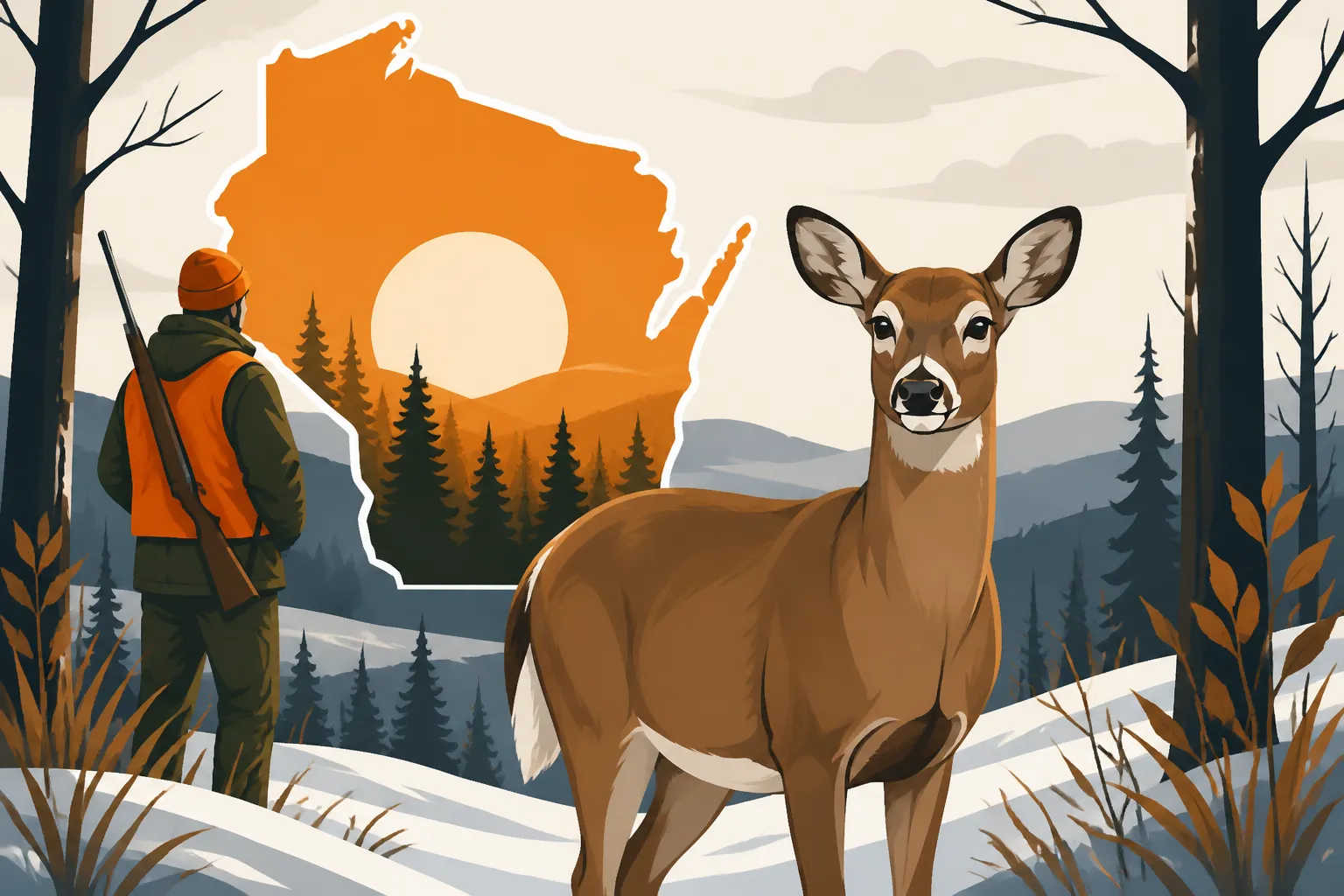
The Holiday Antlerless Hunt is a special deer season specifically designed to increase antlerless deer harvest in designated Deer Management Units (DMUs) and zones. This season typically runs for about 10 days, usually starting right after Christmas and continuing into the new year. For example, in recent years, it has often kicked off on December 24th and concluded on January 1st. However, it's absolutely crucial to remember that the specific dates and, more importantly, which counties or zones participate can change annually based on deer population goals and disease management efforts by the Wisconsin DNR. You cannot simply assume it will be available in your preferred hunting area.
The primary purpose behind offering this late-season hunt is population control. By extending the opportunity to harvest antlerless deer, the DNR aims to keep herds healthy and within ecological carrying capacity, particularly in areas where deer numbers might be higher than desired or where Chronic Wasting Disease (CWD) management is a priority. For hunters, it offers a quieter, often colder, but equally rewarding experience compared to the bustling gun season. It's a chance to put more venison in the freezer when other seasons are long gone. Make sure to consult the most current Wisconsin DNR regulations each year to confirm participation and exact dates for your target area.
Required Licenses and Authorizations
To participate in Wisconsin's Holiday Antlerless Hunt, you'll need the appropriate licenses and authorizations, just like any other deer season. First and foremost, you must possess a valid Wisconsin deer hunting license – either an archery or gun license is acceptable, depending on your chosen weapon for the hunt. On top of that, you'll need an antlerless deer authorization (often called a tag) that is valid for the specific DMU where you plan to hunt during the Holiday Hunt.
Many hunters find themselves with unused antlerless tags from earlier in the season, and these are often valid during the Holiday Hunt. Additionally, the DNR may offer "bonus antlerless tags" for sale, which are often available for specific zones or counties where additional harvest is needed. These bonus tags are usually a cost-effective way to get more opportunities. It’s important to verify that your antlerless authorization explicitly states it is valid for the Holiday Hunt period and the correct county or zone. You can purchase and manage all your Wisconsin hunting licenses and authorizations through the state's Go Wild system, which streamlines the process. Checking how many antlerless tags you can buy and ensuring they align with the rules for this late season is a critical step before you head afield.
Tactics for Success in Late-Season Conditions
Hunting during the Holiday Antlerless Hunt presents its own unique set of challenges and, consequently, its own set of effective tactics. The landscape is often transformed by snow and bitter cold, forcing deer to alter their behavior significantly. Understanding these changes is key to filling your tag.
Keying in on Late-Season Food Sources
As winter truly sets in, natural food sources dwindle, and deer become incredibly reliant on whatever high-energy options remain available. This is often the single most critical factor in locating deer during the Holiday Hunt. Focus your scouting efforts on areas with standing corn or bean fields that haven't been harvested, especially those near thick cover. Alfalfa fields, though often covered in snow, can still provide palatable browse. In certain areas, you might find remaining acorns under oaks, particularly if snow cover isn't too deep, offering a valuable calorie boost. Deer will concentrate their feeding efforts around these scarce resources, making these locations hot spots.
Deer during this time are far less likely to be browsing randomly. They are in survival mode, conserving energy, and will often make a beeline from their bedding areas to the most reliable food sources, then back again. This creates predictable movement patterns. Using mapping tools like GoHunt can be invaluable for identifying potential food plots instead of bait, standing agricultural fields, and connecting them with dense thermal cover. Pay attention to tracks in the snow leading to and from these areas; fresh tracks are your best indicator of recent activity. Knowing the best late-season food sources for whitetails is paramount.
Utilizing Cover and Thermal Hubs
Beyond food, the second major driver of late-season deer movement and bedding is cover, particularly thermal cover. Conifer thickets, like cedar swamps or stands of dense pines, offer crucial protection from harsh winds and heavy snow. South-facing slopes, even those with deciduous trees, can collect more sunlight and offer warmer bedding sites during the day. Deer will often bed in the thickest, most secluded cover they can find, only venturing out to feed during periods of low light.
When planning your hunt, consider these areas. Still-hunting Wisconsin cedar swamps or other dense conifer stands can be incredibly effective, slowly picking apart the cover for bedded deer. Alternatively, setting up a ground blind on Wisconsin public land or a treestand on the edge of these thermal cover patches, overlooking a travel corridor to a food source, can pay off. Wind and thermals in a coulee or any hilly terrain become even more critical in cold weather. Deer will often use topography to their advantage, bedding on the leeward side of hills or just over a ridge to stay out of the wind. A good cold weather sitting strategy involves understanding how these elements interact.
Strategies for Pressured Deer
By late December, deer in many areas have been hunted hard for months. They are wary, nocturnal, and highly sensitive to pressure. This means your tactics need to adjust beyond simply sitting on a field edge. To find success, you often need to go where others aren't willing to go. This might mean hunting deeper into public land, often miles from access points, or finding overlooked pockets of private land by knocking on doors in Wisconsin farm country and asking for permission on smaller, less desirable tracts.
One of the most effective strategies for harvesting antlerless deer during this period, especially in thick cover or on larger parcels, is the deer drive. Even with just three or four hunters, a well-executed, quiet deer drive can push deer out of dense bedding areas and towards waiting standers. The key is to coordinate closely, move slowly, and anticipate deer escape routes. If you're hunting without bait in a banned county, drives can be a legal and highly effective way to move deer. Remember, the objective is often to get a deer moving, not necessarily to spook it into a full run, so thoughtful planning and quiet movement are essential. Filling a Wisconsin antlerless tag often requires more effort this late in the year.
Practical Considerations for the Holiday Hunter
The Holiday Antlerless Hunt occurs during some of the coldest, most unpredictable weather Wisconsin offers. Being prepared for these conditions is not just about comfort; it's about safety and increasing your odds of success.
Dressing for Extreme Cold and Snow
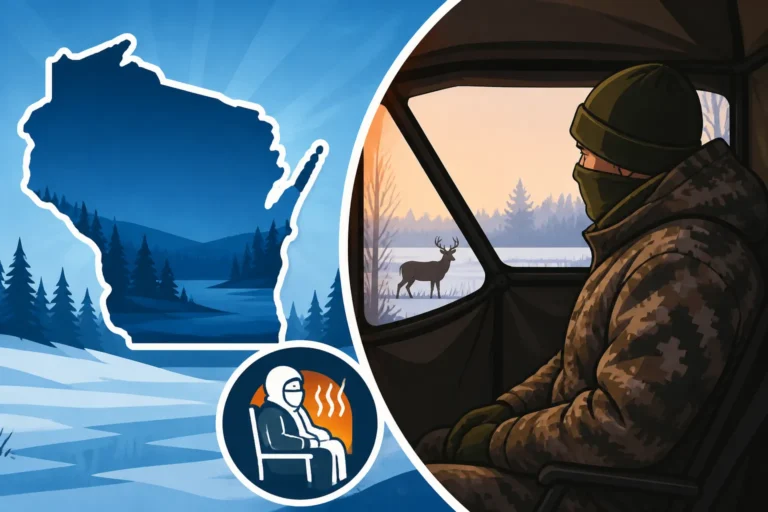
Staying warm is paramount during late December and early January hunts. Layering is not just a suggestion; it's a necessity. Start with quality base layers for a Wisconsin November hunt, preferably wool or high-performance synthetics, to wick moisture away from your skin. Add insulating mid-layers like fleece or down, and top it off with an insulated, windproof, and waterproof outer shell. Remember, wet snow can quickly lead to hypothermia, so reliable rain gear for a Wisconsin downpour is important even if it's "just" snow.
Your extremities are most vulnerable. Invest in high-quality, insulated boots for all-day sits that are rated for extreme cold and are waterproof for wading through slush or melting snow. Thick wool socks are a must. Carry multiple pairs of gloves or mittens, swapping them out if one pair gets wet. Hand warmers that last a full sit and toe warmers can be lifesavers, providing crucial warmth when you're sitting still for hours. Don't forget a warm hat and a neck gaiter or facemask to protect exposed skin.
Tracking and Recovery in Winter Conditions
One of the significant advantages of hunting in late season is snow, which can be an incredible asset for tracking. Fresh snow makes deer tracks incredibly obvious, allowing you to follow trails to bedding areas or to determine recent movement patterns. However, tracking a deer in Wisconsin snow also presents unique challenges. Melting snow can obscure blood trails, and multiple deer tracks can make it difficult to follow a single animal.
Always mark your blood trail frequently, especially if the snow is patchy or melting. Use brightly colored flagging tape that you can easily spot. If you wound a deer, give it ample time, especially if the shot wasn't perfect. Waiting a few hours, or even until morning if the temperature is well below freezing, can often result in an easier recovery. When darkness falls, a powerful headlamp for walking out after dark is essential, not just for safety but for spotting faint blood against the snow. Consider a high-quality unit with multiple brightness settings and a red light option to preserve night vision. Sleds and drags for snow country can make getting a deer out much easier, especially through deep drifts.
Venison Care in Cold Weather
The cold temperatures of the Holiday Antlerless Hunt are a huge advantage for venison care. Unlike early archery season, where warm temperatures can lead to rapid meat spoilage, the frigid air acts as a natural refrigerator. This means you have a bit more leeway for field dressing a deer in cold weather. However, proper care is still vital to ensure quality meat.
Field dress your deer as soon as possible after the harvest to allow the carcass to cool internally. The cold air will quickly dissipate body heat, which is excellent, but ensure good airflow to prevent any lingering warmth from souring the meat. If temperatures are consistently below freezing, you can let the deer hang for a day or two to age the meat, but always keep it protected from scavengers. Transporting your deer, whether on a deer cart or sled, will be much easier with the firming effect of cold. If you need to break down the deer in the field, carrying a quality field dressing knife and perhaps a small bone saw is a good idea. Even though it's cold, having game bags for warm September days can still be useful for protecting the meat from dirt, snow, and debris during transport.
Here’s a quick overview of late-season considerations:
| Aspect | Early Season (Sept-Oct) | Late Season (Dec-Jan) |
|---|---|---|
| Primary Challenge | Heat, insect pressure, scattered deer, abundant food. | Extreme cold, deep snow, highly pressured deer, limited food. |
| Deer Behavior | Browsing widely, nocturnal, seeking shade, rutting activity. | Concentrated feeding, seeking thermal cover, conserving energy. |
| Key Food Sources | Acorns, soft mast, fresh browse, lush food plots. | Standing corn/beans, alfalfa, persistent acorns, brassicas. |
| Optimal Clothing | Lightweight layers, scent control, breathable. | Heavy insulation, waterproof/windproof, layering for warmth. |
| Tracking Conditions | Variable blood trails, good visibility, thicker vegetation. | Excellent snow trails, potential for obscured blood, open visibility. |
| Meat Care | Rapid cooling crucial, ice chests/game bags essential. | Cold acts as refrigeration, good airflow still important. |
| Hunter Pressure | Moderate to high, especially on public land. | Low to moderate, often quieter woods. |
Disclaimer
Please remember that hunting regulations and season dates can change annually. Always consult the official Wisconsin Department of Natural Resources (DNR) regulations and publications for the most current and accurate information before planning any hunt. This article is intended for informational purposes only and does not replace official legal guidance.