Pheasants and Wisconsin Farmland
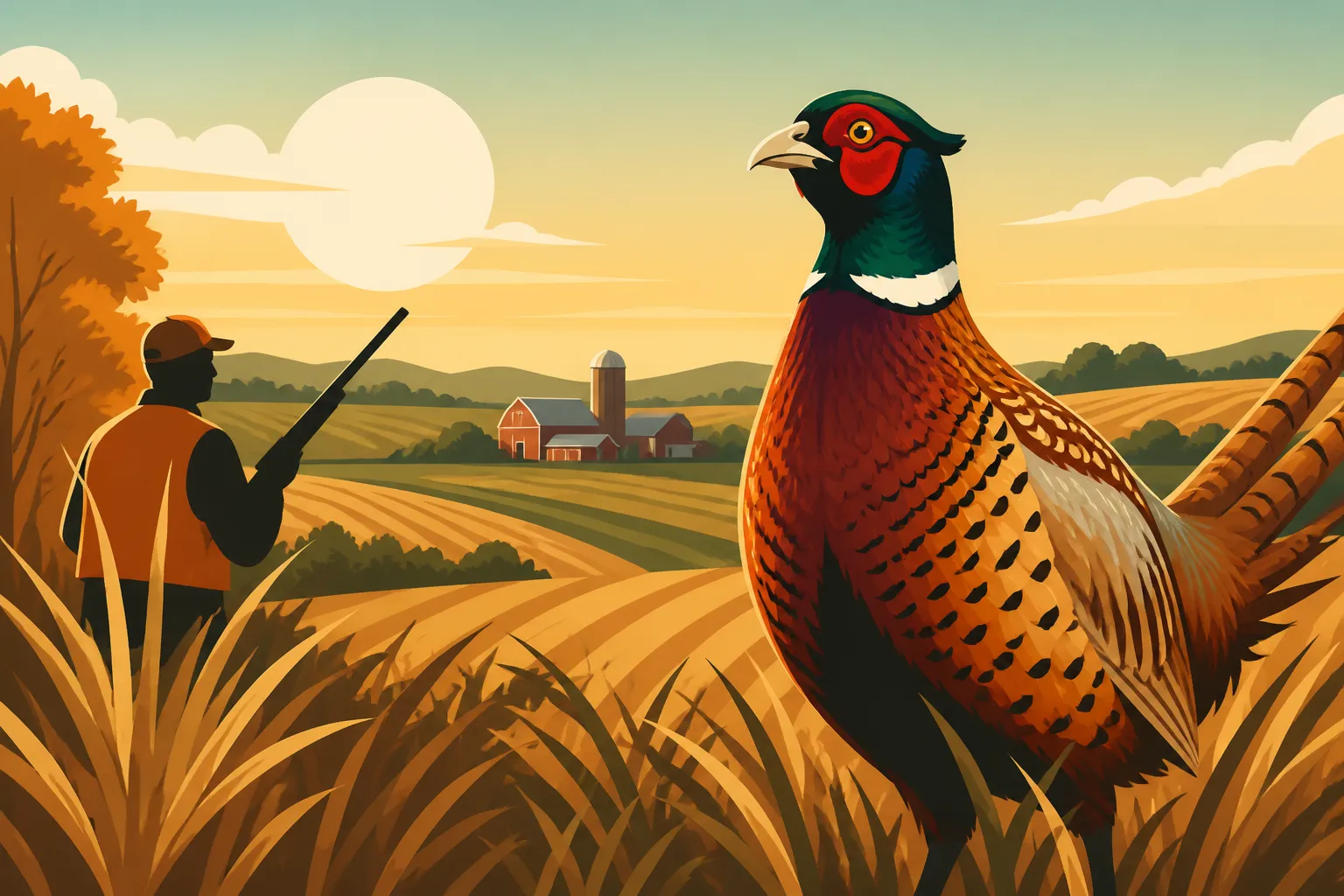
For many years, the sight of a rooster pheasant bursting from a Wisconsin cornfield or cattail marsh was a common one, but for today's hunter, finding these elusive birds can feel like chasing a ghost. The challenges are real, from vanishing habitat to intense competition on public lands. This guide aims to cut through the frustration, offering a comprehensive look at Wisconsin's pheasant populations, the critical role of farmland habitat, the impact of stocking programs, and practical strategies to help you find success in the field.
The Fading Echoes: Wisconsin's Wild Pheasant Population History and Decline
The story of the pheasant in Wisconsin is one of boom and bust, intimately tied to the land use practices that defined our state for generations. Understanding this past helps us grasp the current realities hunters face.
The Golden Age: Post-WWII Boom and Habitat Changes
After World War II, Wisconsin’s rural landscape was a haven for wild pheasants. Farms were generally smaller, characterized by diverse crop rotations, an abundance of fence rows, and extensive cover provided by grasslands, pastures, and idle acres. Programs like the Soil Bank, which paid farmers to take land out of production, further boosted prime pheasant habitat by establishing vast fields of nesting and brooding cover. This period, often romanticized by older hunters, truly was a golden age for pheasants, with populations thriving across the southern and central parts of the state. It wasn't uncommon to see multiple roosters in a single drive or hear their distinctive cackle echoing across the open fields. This also coincided with a time when deer populations were expanding, a testament to the rich, diverse landscape. You might even find interesting insights into that era by looking at something like Wisconsin Deer Herd Size.
However, this idyllic landscape began to shift dramatically. The mechanization of agriculture, driven by technological advancements and economic pressures, led to larger farms and a move towards monoculture — vast expanses of single crops like corn and soybeans. Fence rows, once critical corridors and cover, were ripped out to accommodate bigger machinery. Pastures were plowed under, and hayfields, often cut earlier and more frequently, became deathtraps for nesting hens. The clean farming mentality left little room for the "weeds" and diverse cover that pheasants needed for survival. This relentless push for efficiency, while feeding a growing nation, inadvertently stripped the land of the very components that supported robust wild pheasant numbers.
Factors Contributing to Decline: Habitat Loss and Predation
Without a doubt, habitat loss remains the most significant factor in the decline of Wisconsin's wild pheasant populations. Pheasants are habitat generalists in some ways, but they are highly specific in their needs for nesting, brood-rearing, winter cover, and food, all within a relatively small home range. The disappearance of diverse grasslands for nesting, the reduction of weedy field edges that provide insects for growing chicks, and the scarcity of dense winter cover like cattail marshes or thickets leave pheasants vulnerable year-round. Modern farming leaves fields barren in winter, forcing birds to concentrate in dwindling pockets of cover, making them easy targets for predators and exposing them to the harshest elements.
Predation, both from avian and mammalian sources, is an inherent part of the ecosystem. While predators alone rarely cause a healthy pheasant population to crash, their impact becomes amplified in fragmented, low-quality habitat. When nesting cover is sparse, nests are easier for raccoons, skunks, and opossums to find. When winter cover is limited, raptors like hawks and owls, and mammalian predators such as coyotes and foxes, have an easier time locating and ambushing birds. This heightened vulnerability means that even natural challenges like severe winters with deep snow or prolonged wet, cold springs during nesting season can have a disproportionately devastating effect on already stressed populations. It’s a similar story to the challenges faced by other ground-nesting birds, which you can learn more about in resources like Nest Predation and Turkey Hatches.
Understanding Wisconsin's Pheasant Habitat: Farmland's Role
To truly understand where pheasants might thrive, or at least survive, we need to dive into the specifics of their habitat needs, particularly how they interact with agricultural landscapes.
Key Habitat Components: What Pheasants Need to Thrive
Pheasants aren't just looking for a place to hide; they need a complex mosaic of cover types throughout the year. For nesting, they absolutely require dense, undisturbed herbaceous cover like tall grasses, alfalfa fields, or undisturbed hayfields. This cover needs to be substantial enough to conceal a hen and her nest from predators and provide shelter from the elements. Ideally, these nesting areas should be adjacent to or intermingled with brood-rearing cover. Brood-rearing habitat is crucial for young pheasants, consisting of areas with plenty of broad-leaved forbs and legumes that support an abundance of insects – the primary food source for growing chicks. Think of an old field with a mix of wildflowers and weeds, providing both cover and an insect buffet.
As seasons change and crops are harvested, the need for robust winter cover becomes paramount. Pheasants need dense, woody cover or thick wetland vegetation, like cattail marshes or dogwood thickets, that can offer protection from severe cold, deep snow, and predators. These areas provide thermal insulation and a physical barrier against the elements. Without sufficient winter cover, birds are often forced into exposed areas where they suffer from hypothermia, starvation, or predation. Finally, reliable food sources are a year-round requirement. While insects are vital for chicks, adult pheasants rely heavily on waste grain in agricultural fields, seeds from weeds, and various berries. These food sources must be accessible, especially during winter when snow cover can make foraging difficult. The challenge in modern farming is that these diverse components are often stripped away, leading to a fragmented landscape where pheasants struggle to piece together a survivable existence. This quest for consistent food sources is a challenge many game animals face, as highlighted in guides like Late-Season Food Sources for Whitetails.
Identifying Productive Farmland Areas for Pheasants
Finding those elusive pockets where pheasants still persist, or where stocked birds are regularly released, requires a bit of detective work and a keen eye for habitat. The best places tend to be in the southern and central Wisconsin farmland zones, where agriculture is predominant but where remnants of suitable cover persist. You're looking for areas where crop fields, particularly corn and soybeans, are interspersed with thick cover. Think about the edges of large cattail marshes adjacent to cornfields, or areas where landowners have enrolled in conservation programs, creating blocks of switchgrass or other dense prairie plantings.
Modern mapping tools are invaluable here. Applications like the Wisconsin DNR's Hunt Wild app or even platforms like GoHunt that overlay public land boundaries with satellite imagery can help you identify these habitat mosaics from your couch. Look for the distinctive green blocks of state wildlife areas, often managed for pheasants, or the more subtle signs of Managed Forest Law (MFL) land that is open to public hunting. Pay close attention to aerial photos; they'll reveal those crucial transitions between crop fields, wetlands, and CRP strips. Key indicators include linear features like old fence rows that have grown into brushy thickets, unharvested food plots, and dense, ungrazed pastures. These visual cues can guide your scouting efforts, helping you pinpoint areas that might hold birds. Learning to interpret these maps for pheasant habitat is a skill, much like Reading Aerial Photos for Coulee Deer helps hunters understand whitetail movement. For a broader look at digital scouting tools, check out Scouting With the Wisconsin Hunt Wild App.
Wisconsin's Pheasant Stocking Program: Where and Why
Given the ongoing challenges faced by wild pheasant populations, Wisconsin has relied heavily on stocking programs to meet hunter demand and provide opportunities. This isn't a new concept, but it's one that continues to evolve.
The Need for Stocking: Supplementing Wild Populations
The stark reality is that in many parts of Wisconsin, wild pheasant populations simply cannot sustain themselves at levels that support consistent hunting opportunities. Years of habitat degradation, coupled with natural factors, have created a landscape where the ringneck pheasant struggles. Hunter numbers remain strong, and the tradition of pheasant hunting is deeply ingrained in our state's sporting heritage. Without intervention, many hunters would simply have no pheasants to pursue.
This is where the stocking program steps in. It's designed primarily as a "put-and-take" operation, meaning birds are raised specifically for release with the expectation that they will be harvested shortly thereafter. While some stocked birds may survive to reproduce, the program's main goal is to provide immediate hunting recreation. It's a pragmatic solution to a complex problem, allowing hunters to experience the thrill of a flushing rooster in areas where wild birds are scarce or nonexistent. For many, it's the only access they have to pheasant hunting, keeping traditions alive and introducing new generations to upland bird hunting.
How the Stocking Program Works and Where Birds are Released
The backbone of Wisconsin's pheasant stocking program is the State Game Farm at Poynette. This facility raises thousands of pheasants annually, ensuring a consistent supply for release. These birds are typically released on public hunting grounds across the state, specifically on lands managed by the Wisconsin Department of Natural Resources (DNR) that have suitable pheasant habitat. These are often state wildlife areas, public hunting grounds, and some scattered Managed Forest Law (MFL) open lands in the southern and central farmland regions. Some of the most well-known areas for pheasant releases include popular spots like Horicon Marsh State Wildlife Area (distinct from the federal refuge), and other expansive properties in counties like Columbia, Dodge, Dane, Jefferson, and Rock.
The release schedule is a key factor for hunters. Birds are typically released weekly throughout the pheasant season, starting before opening day and continuing until late in the season. This staggered approach helps distribute hunting pressure and ensures fresh birds are available for longer periods. The DNR often provides weekly updates on their website and through their Hunt Wild app, detailing which public lands have received birds. It’s important to note that stocked birds, while robust, are farm-raised and can sometimes behave differently than their wild counterparts, often holding tighter or being less wary initially. Knowing the specific locations and timing of these releases is crucial for planning successful hunts on these managed properties. Places like Wisconsin State Wildlife Areas are critical for these programs, and hunters often see similar management techniques for other species, such as those found while Hunting Horicon Marsh Waterfowl.
Hunting Pheasants in Wisconsin Farmland: Tactics and Access
Alright, so you know where the pheasants should be, whether wild or stocked. Now, let's talk about how to actually get a bird in the bag. It's not always easy, but with the right gear, a good strategy, and maybe a little help from a furry friend, you can greatly increase your odds.
Essential Gear and Dog Work for Upland Success
When it comes to pheasant hunting, having the right gear is more about practicality and comfort than anything else. A 12- or 20-gauge shotgun is standard, with improved cylinder or modified chokes generally being the most versatile for the close-to-medium range flushes pheasants often provide. Shot sizes typically range from 4 to 6, with many hunters favoring 5s for their balance of pattern density and knockdown power. You'll want good, durable brush pants or chaps to protect your legs from thorns and thick cover, along with a comfortable upland vest to carry shells, water, and, hopefully, a bird or two. For a deeper dive into shotgun choices for upland birds, you might check out Best Shotgun Gauge for Wisconsin Grouse as similar principles apply.
But let's be honest: a pheasant hunt without a good bird dog is often just a long walk. Dogs are absolutely invaluable for finding pheasants, which are notorious for running and holding tight in cover. Pointers like German Shorthairs, Brittanys, or English Pointers will "lock up" on a bird, allowing you to walk in for the flush. Flushers like English Springers, Labs, or Cockers will work cover aggressively, pushing birds out. Retrievers, of course, are critical for finding downed birds in thick cover, preventing lost game. A well-trained dog can make the difference between a frustrating blank day and a memorable hunt. They don't just find birds; they enhance the entire experience, teaching you to read scent and cover in ways you never could alone. Make sure you also have essential items like a good upland vest, potentially with added water capacity, something discussed in Upland Vests With Water Capacity.
Strategies for Public and Private Farmland Hunting
Hunting pheasants in Wisconsin’s farmland demands different approaches depending on whether you’re on public or private land.
Public Land: Navigating Pressure and Maximizing Opportunity
Public pheasant hunting grounds, especially those that are regularly stocked, can see significant pressure, particularly early in the season and on weekends. To maximize your chances, consider hunting during weekdays or later in the season when crowds thin out. Early mornings can be productive, but pheasants often move into thicker cover as the day progresses. Focus your efforts on the densest habitat available: large blocks of CRP grass, thick cattail marshes, multiflora rose thickets, and even standing corn or unharvested food plots if permitted.
When working cover, try to form a line of hunters (if you have a group) and walk slowly, methodically, pushing birds towards an open edge or another patch of cover. Pay close attention to corners and isolated islands of cover, as pheasants will often hold incredibly tight there, hoping you walk past. Don't be afraid to circle back and re-work good cover; birds often get bumped and then re-settle. Utilize the GoHunt app or DNR maps to identify fingers of cover, drainage ditches, and fencelines that pheasants might use to escape or travel. Understanding Hunting Pressure on Wisconsin Public Land can also give you an edge in finding less disturbed areas.
Private Land: The Art of Gaining Access
Private farmland, though often more challenging to access, can offer some of the best pheasant hunting opportunities, particularly for wild birds that have seen less pressure. Many farmers are amenable to hunters, especially if you approach them respectfully and at an appropriate time of year (not during peak harvest!). Start by identifying potential pheasant habitat on private parcels using aerial maps – look for those unkempt field edges, small woodlots, or marshy draws adjacent to crop fields.
When you approach a landowner, be polite, dress presentably, and come prepared to explain exactly what you want to do (e.g., "I'm looking to hunt pheasants with my dog, and I'll stick to the fencerows and grassy areas"). Offer to share some of your harvest or help with a chore. Always leave gates as you found them, don't drive on wet fields, and pick up any spent shells. The key is to be a good ambassador for hunters and to build trust. Once you have permission, respect it rigorously. Private land often holds birds that are warier and more challenging, offering a truly rewarding experience. The value of good relationships with landowners is immeasurable, as explored in articles like Asking a Wisconsin Farmer for Permission.
Here’s a quick overview of some differences you might encounter:
| Feature | Wild Pheasant Hunting (Private Land) | Stocked Pheasant Hunting (Public Land) |
|---|---|---|
| Bird Behavior | Extremely wary, run readily, hold tight in dense cover | Can be less wary, may hold tighter initially, but still flush hard |
| Habitat | Diverse, unmanicured farm edges, wetlands, CRP | Managed grassland, food plots, marsh edges on PHAs |
| Hunter Pressure | Generally low, especially with good permission | Can be very high, especially on weekends & early season |
| Dog Work | Essential for finding running birds & tough flushes | Still highly beneficial for finding and retrieving |
| Reward | High satisfaction from finding truly wild birds | Consistent opportunities, often higher bird numbers |
| Access | Requires landowner permission | Open to anyone with a valid license/stamp |
Conservation Efforts and the Future of Wisconsin Pheasants
While hunting pheasants provides immediate rewards, the long-term health of these populations depends heavily on robust conservation efforts. Hunters themselves play a critical role in supporting these initiatives.
Habitat Restoration Initiatives
The primary challenge for pheasants, as we've discussed, is habitat. Recognizing this, numerous programs and organizations are working tirelessly to restore and create the diverse cover these birds need. Federal programs like the Conservation Reserve Program (CRP) pay farmers to take highly erodible or environmentally sensitive land out of agricultural production and plant it with grasses and other beneficial vegetation. CRP acres provide critical nesting, brooding, and winter cover. The Conservation Reserve Enhancement Program (CREP) builds on this by focusing on riparian buffers and other targeted areas, often enhancing water quality while creating habitat. Wisconsin also has state-specific habitat grants and initiatives managed by the DNR, sometimes in partnership with local groups, to improve wildlife habitat on both public and private lands. You can find out more about similar initiatives in articles discussing Habitat Work on Wisconsin Wildlife Areas and the benefits of Food Plots Instead of Bait for other game.
Beyond government programs, non-profit conservation groups are absolutely vital. Organizations like Pheasants Forever (PF) have chapters across Wisconsin that work directly with landowners, providing technical assistance and financial incentives to establish and maintain pheasant habitat. They host youth hunts, organize fundraisers, and advocate for sound wildlife policies. Similarly, groups like Wings Over Wisconsin contribute significantly to habitat projects and public awareness, ensuring that the needs of upland birds are championed. These collective efforts, from large-scale federal programs to local volunteer actions, are the backbone of any hope for increasing or sustaining wild pheasant numbers in the state.
Hunter's Role in Supporting Pheasant Populations
As hunters, our connection to the land and its wildlife goes beyond the harvest; we are essential conservationists. One of the most direct ways pheasant hunters contribute is through the purchase of the Wisconsin Pheasant Stamp. This stamp, required for hunting pheasants in the state, directly funds the pheasant stocking program and critical habitat development projects. Every dollar spent on that stamp goes back into creating more opportunities and better conditions for pheasants, making it a tangible investment in the future of the sport. It's similar to how waterfowl hunters contribute through the federal duck stamp – a direct user-pays, user-benefits model. The details of the Wisconsin Pheasant Stamp are covered more thoroughly in Wisconsin Pheasant Season and Stamp.
Beyond financial contributions, ethical hunting practices are paramount. This means respecting private landowners, retrieving all downed birds, and being mindful of bag limits and season regulations. It also extends to advocating for habitat conservation efforts and supporting organizations like Pheasants Forever. Participating in habitat workdays, introducing new hunters to the sport, and simply being a responsible ambassador for hunting all contribute to a positive public perception and stronger support for wildlife management. Our passion for the hunt fuels the conservation that ensures these magnificent birds continue to grace Wisconsin's fields for generations to come. For those interested in broader conservation support, examining the Wisconsin Conservation Patron Licence shows how one purchase can benefit many species.
Disclaimer
Please note that hunting regulations, seasons, and access rules can change frequently. Always consult the most current Wisconsin Department of Natural Resources (DNR) hunting regulations and local ordinances before heading afield. This guide provides general information and should not be considered a substitute for official DNR publications or expert legal advice.