Asking a Wisconsin Farmer for Permission
Finding quality hunting land in Wisconsin can feel like searching for a needle in a haystack, especially when public land spots are often crowded, making a truly peaceful hunt a rare gem. Many hunters dream of private ground, a place where they can implement their strategies without bumping into other orange hats around every corner. This guide is all about helping you bridge that gap, offering practical, empathetic advice on how to respectfully approach a Wisconsin farmer and secure that coveted permission to hunt their land.
Why Private Land Permission is Gold in Wisconsin
Let's be honest, we all love our public lands in Wisconsin – places like the Chequamegon-Nicolet National Forest or countless state wildlife areas offer incredible opportunities. But there's a flip side to that coin: everyone else loves them too. The sheer number of hunters during key seasons, especially the Wisconsin's Nine-Day Gun Deer Season, can turn a serene forest walk into a constant game of avoidance. This intense pressure often pushes deer deeper into cover, makes them more nocturnal, and generally complicates your hunting efforts.
The Reality of Public Land Pressure
Think about opening weekend of gun season in a popular area, or even a prime archery spot during the Hunting the Peak Rut Week in Wisconsin. You’ve spent weeks scouting, found the perfect pinch point, set up your stand, and just as dawn breaks, you see headlamps bobbing in the distance, or worse, hear the distinct sound of another hunter walking right into your setup. It's demoralizing, frustrating, and often leads to less successful hunts. Deer become wise to the constant human presence, altering their patterns and making themselves incredibly difficult to pin down. When every good piece of public ground sees a dozen hunters, the odds simply aren't in your favor for consistent success or a peaceful experience.
This isn't to say public land is bad; it's a vital resource. But the reality is that to truly control your hunting experience, to implement long-term strategies, and to feel like you're not constantly competing, private land is often the answer. It allows you to develop an intimate knowledge of a specific parcel, observe deer patterns without constant disruption, and truly manage the hunting pressure yourself. It’s about more than just bagging a buck; it’s about the quality of the experience.
The Benefits of Exclusive Access
Imagine having a piece of property all to yourself, or shared with just a trusted few. On private land, you can dictate access, control pressure, and even influence deer movement with careful planning. You can scout without fear of giving away your prime spot, hang stands with confidence that they won't be messed with, and truly learn the nuances of a specific herd. This kind of exclusive access opens up possibilities for specific tactics, like developing Food Plots Instead of Bait where baiting is banned, or implementing careful Deer Drives With Three or Four Hunters without worrying about pushing deer onto another hunter's stand.
Furthermore, private land often holds excellent habitat, especially in the agricultural regions of southern and western Wisconsin. Farmers cultivate crops that act as irresistible food sources, and their woodlots, CRP fields, and brushy fence rows provide crucial cover. This combination can create absolute deer magnets. Having permission on a farm means direct access to these resources, often with less competition than similar habitat might see on public ground. It's a game-changer for serious hunters looking for consistent opportunities.
Preparing for the Ask: Homework is Key
Before you even think about knocking on a door or making a phone call, you need to do your homework. Showing up unprepared not only wastes your time but can also leave a negative first impression that's hard to shake. Farmers are busy people, and they want to know you're serious, responsible, and respectful of their land and livelihood.
Researching the Property and the Landowner
The first step is identifying potential properties. Drive around the areas you're interested in, looking for good habitat – woodlots adjacent to fields, thick brush, draws, and unkempt corners. Once you spot a promising piece of land, you need to figure out who owns it. This is where tools like onX Hunt become invaluable. With onX Hunt, you can often see property lines, identify the landowner's name, and even find their mailing address or phone number, all from your phone or computer. This detailed information allows you to target your efforts efficiently instead of randomly guessing. You can also visually inspect the terrain, identifying potential Entry Routes on Steep Driftless Ground or bottlenecks that might appeal to deer. Reading Aerial Photos for Coulee Deer can reveal hidden gems.
Beyond just ownership, try to learn a little about the farm itself. Is it a dairy farm, row crops, or hay? Are there active livestock? This helps you understand their operation and anticipate potential concerns they might have about hunters. For instance, a dairy farmer might be worried about early morning disruptions to milking, while a row crop farmer might be more concerned about field damage or access during harvest. Having this basic understanding allows you to tailor your approach and show that you're considerate of their business.
Presenting Yourself Professionally
When you approach a farmer, you're not just a hunter; you're a potential guest on their property. First impressions matter immensely. Dress neatly and respectfully – no torn camouflage or dirty boots. Your vehicle should be clean. Be polite, articulate, and confident. Have a clear, concise explanation of who you are and why you're there. Think of it like a job interview; you're applying for a privilege.
Bring along some form of identification and perhaps a brief, written summary of your hunting ethics and what you're looking for. Some hunters even create a simple "hunting resume" that outlines their experience, commitment to safety, and respect for property. This might sound excessive, but it immediately sets you apart from the casual, less serious asker. Being prepared shows you value their time and their land, demonstrating that you're a responsible individual they can trust.
The Art of the Ask: Tips for Success
So you've done your homework, you're looking presentable, and you're ready to make the ask. This is the moment of truth, and how you handle it can make all the difference. It's a conversation, not a demand, and it requires finesse and empathy.
When and How to Approach a Farmer
Timing is everything. Farmers often work incredibly long hours, especially during planting and harvest seasons. Approaching them when they're rushing to get crops in or dealing with livestock issues is a recipe for a quick "no." The best times are typically during slower periods, like late winter after the holidays, or mid-summer before harvest truly kicks in. Weekday evenings or Sunday afternoons can also be good, but always be mindful of their schedule.
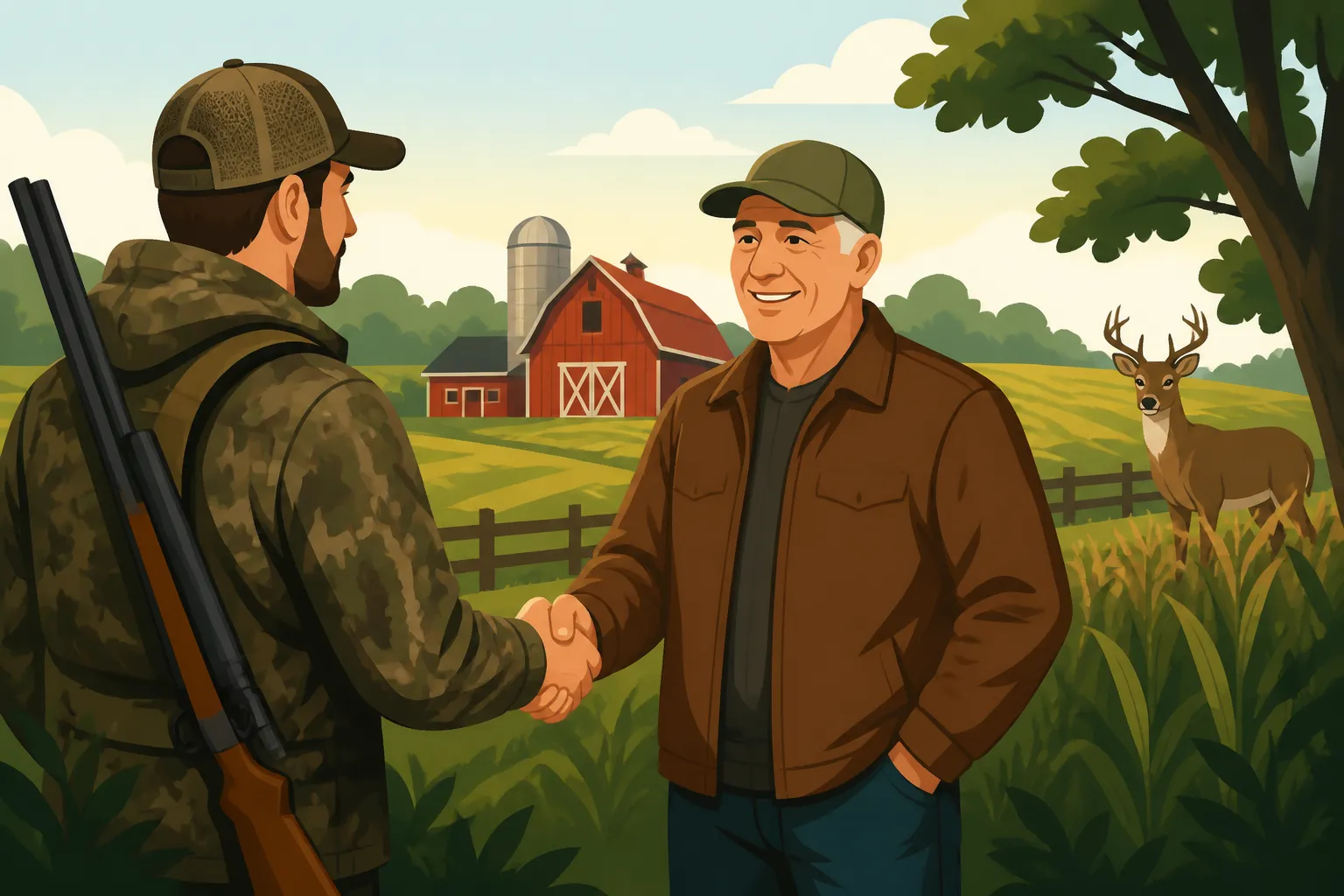
When you do make contact, whether by knocking on the door or calling, be concise and clear. Start by introducing yourself and stating your purpose politely. "Hi, Mr./Ms. [Farmer's Name], my name is [Your Name], and I was hoping to speak with you for a few minutes about the possibility of hunting deer on your property this fall." Emphasize respect for their land and livestock. Be prepared for a direct "no," and accept it graciously if it comes. Remember, it's their land, and they have every right to refuse. If they're hesitant, ask if you could leave your contact information in case they change their mind or if you could help them with any chores.
What to Offer in Return
While permission is a privilege, offering something in return can sweeten the deal and demonstrate your commitment to a partnership, not just taking. This isn't about buying access, but about building a relationship. Many farmers appreciate help around the property. Think about offering to help with chores: fixing fences, stacking firewood, painting a barn, or even just clearing brush. If they have a specific need, such as dealing with coyotes or other predators, that could be a valuable service. Coyote Calling in Wisconsin Winter could be a way to help reduce pressure on their livestock or deer herd.
Consider offering a portion of your harvest, whether it's venison from a deer you bag, or a share of small game. A thoughtful gift like a fruit basket, a gift certificate to a local diner, or even a batch of homemade cookies can go a long way in showing appreciation, especially after a successful season. Sometimes, simply offering to keep an eye on their property for anything suspicious can be a valuable service to a busy landowner. Think about what they need, not just what you want.
| Do's When Asking for Permission | Don'ts When Asking for Permission |
|---|---|
| Do dress neatly and respectfully. | Don't show up in dirty hunting clothes. |
| Do be polite and introduce yourself clearly. | Don't assume they know who you are or what you want. |
| Do have your hunting license and ID ready. | Don't forget to bring your personal information. |
| Do explain your hunting experience and safety practices. | Don't make them guess about your responsibility. |
| Do offer to help with chores or property maintenance. | Don't only ask for permission without offering anything in return. |
| Do ask about their specific concerns (livestock, crops, family). | Don't ignore their potential worries or property rules. |
| Do offer to share your harvest. | Don't expect to keep all the game for yourself. |
| Do confirm property boundaries and access points. | Don't trespass or assume where you can go. |
| Do provide your contact information. | Don't leave without a way for them to reach you. |
| Do accept "no" gracefully and thank them for their time. | Don't argue or try to guilt-trip them. |
Setting Clear Expectations and Rules
Once a farmer grants permission, it's crucial to establish clear rules and expectations. This avoids misunderstandings down the road and protects both of you. Discuss specific details:
- Access points: Where can you park and enter/exit the property? Vehicle Rules on Wisconsin Public Land often differ greatly from private land rules.
- Boundaries: Exactly where are you allowed to hunt? Use a mapping app like
onX Huntto walk the boundaries with the landowner, making sure you both understand the lines. This is vital to avoid accidentally venturing into off-limits areas or adjoining properties. - No-go zones: Are there areas where you absolutely cannot hunt, such as near their home, barns, or livestock pens?
- Timing: Are there specific times you can hunt? (e.g., "no hunting during milking hours," or "no hunting on Sunday mornings").
- Species: What can you hunt? (e.g., deer only, or small game as well).
- Methods: What methods are allowed? (e.g., bow only, rifle during gun season).
- Guests: Can you bring a friend or family member? If so, do they also need to check in?
- Retrieval: What's the protocol for retrieving a downed animal, especially if it runs onto an neighbor's property or into a difficult spot like a swamp?
- Carcass disposal: Where should you dispose of gut piles?
- Written agreement: Consider putting key rules in writing. This protects both parties and ensures clarity. Do You Need Written Permission in Wisconsin? outlines the legal aspects of this.
Being proactive in discussing these details shows immense responsibility and helps solidify their trust in you.
Maintaining the Relationship for Years to Come
Getting permission is just the first step; maintaining that relationship is how you ensure access for seasons to come. Think of it as an ongoing partnership where mutual respect and communication are paramount. A good relationship with a landowner is more valuable than any trophy.
Showing Gratitude and Respect
Throughout the season and beyond, consistently show your gratitude. A simple text message after a hunt, even if unsuccessful, letting them know you're off the property and everything is in order, goes a long way. After you fill your tag, share your success and offer some venison. A handwritten thank-you card at the end of the season, perhaps with a small gift, is a wonderful gesture. Remember them during holidays with a card or a small token of appreciation.
Most importantly, always, always follow the rules you agreed upon. Leave gates as you found them, pick up any trash (even if it's not yours), drive carefully on their farm roads, and be hyper-aware of their livestock and equipment. If you see something out of place, like a broken fence or a downed tree, report it to them. Be a steward of their land, not just a hunter on it. Your actions reflect on all hunters, so always strive to leave a positive impression.
Beyond the Hunting Season
The relationship shouldn't end when the season does. Keep in touch throughout the year. Offer to help with chores during other times, perhaps during spring planting or summer haying. Stopping by for a quick chat and offering to lend a hand can reinforce your value as a trusted partner. This year-round connection shows you're not just interested in what their land can give you, but that you genuinely respect them and their livelihood.
If circumstances change – perhaps you move, or their property use shifts – communicate openly. If you can't hunt a particular year, let them know. If they decide to lease their land, don't take it personally; thank them for the opportunities you had. Building a strong, respectful relationship with a Wisconsin farmer can lead to years of enjoyable hunting experiences and often, a genuine friendship. This long-term approach is what truly unlocks the potential of private land hunting and makes it such a rewarding endeavor.
Disclaimer
This article is for general informational purposes only and does not constitute professional advice. Laws, prices and regulations vary by location and change over time. Consult a qualified professional for guidance on your specific situation.