Wisconsin State Wildlife Areas
For many of us who love chasing game across Wisconsin, finding reliable public land can feel like a constant puzzle. You spend hours poring over maps, trying to decipher what's truly open, what has reasonable access, and where you won't be bumping into a dozen other hunters every fifty yards. It's a real frustration, especially when you just want to get out there and enjoy the woods. This comprehensive guide is here to untangle the complexities of hunting Wisconsin State Wildlife Areas, helping you understand their purpose, navigate their diverse landscapes, and ultimately find success in these invaluable public resources.
What Exactly Are Wisconsin State Wildlife Areas?
Wisconsin's State Wildlife Areas are absolutely vital pieces of the public hunting and outdoor recreation puzzle, but many hunters don't fully grasp their scope or their primary mission. These aren't just random parcels of state land; they are meticulously managed ecosystems designed to benefit a wide array of wildlife, with hunting often being a primary, yet not exclusive, use. Understanding this foundational concept helps you appreciate the resource and approach your hunt with more informed expectations.
More Than Just Hunting Ground
It's easy, as a hunter, to see a "Wildlife Area" sign and immediately think "deer stand" or "duck blind." And while hunting is certainly a cornerstone activity, these areas are actually multi-purpose conservation lands. They provide critical habitat for non-game species, protect sensitive ecosystems, and offer a wide range of outdoor recreation beyond hunting. Think birdwatching, hiking, fishing, and even cross-country skiing in some locations. This multi-use approach means that while you're out chasing a whitetail, you might encounter hikers on a trail or birders with binoculars. It's part of the shared public space experience, and being mindful of other users helps foster a more harmonious outdoor community. The management decisions made in these areas, from timber sales to controlled burns, are always weighed against the needs of the diverse flora and fauna they protect, and the recreational opportunities they provide for everyone.
These lands are often strategic acquisitions, pieces of the puzzle that connect larger corridors of habitat, protect unique wetlands, or restore degraded landscapes. They are investments in Wisconsin's natural heritage, often acquired and maintained through dedicated conservation funding derived, in no small part, from hunting and fishing license sales. So, every time you buy a Wisconsin Hunting Licences and What They Cost or a waterfowl stamp, you're directly contributing to the preservation and enhancement of these very places.
A Legacy of Conservation
The story of Wisconsin's State Wildlife Areas is deeply rooted in a long-standing commitment to conservation, often spearheaded by hunters themselves. Many of these areas began as efforts to restore populations of game species that had been decimated by overhunting or habitat loss in the late 19th and early 20th centuries. Hunters, recognizing the need for stewardship, were among the first to advocate for regulations, license fees, and the establishment of dedicated public lands where wildlife could recover and thrive. This foresight led to the creation of robust systems for managing game populations and protecting vital habitats.
Over the decades, these areas have expanded, often through grants, partnerships, and continued investment from license dollars. They represent a tangible outcome of the "North American Model of Wildlife Conservation," where wildlife is a public trust, managed by science, and funded by those who benefit most directly from it. When you step into a State Wildlife Area, you're walking on land that has been intentionally set aside, carefully managed, and fiercely protected to ensure that wildlife populations remain healthy and that future generations have places to connect with nature. It’s a profound legacy, and one that hunters continue to uphold through their participation and financial contributions.
Navigating the Sheer Volume: Finding the Right Wildlife Area for You
Wisconsin boasts an incredible number of State Wildlife Areas, ranging from sprawling expanses that cover thousands of acres to smaller, more fragmented parcels. This sheer volume can be both a blessing and a curse. While it means there’s likely public land accessible to almost everyone, it also means figuring out which area suits your hunting style and target species can feel overwhelming. It’s like looking at a massive menu and trying to pick the perfect meal without knowing what half the dishes are.
The Scale and Diversity of Wildlife Areas
From the vast wetlands of Horicon Marsh to the rolling uplands of the Driftless Area, Wisconsin's State Wildlife Areas offer a staggering diversity of habitats. You might find yourself in a dense cedar swamp in northern Wisconsin, chasing grouse in an aspen cut, or setting up for ducks along a winding river. This means that a "wildlife area" isn't a monolithic entity; each one has its own unique character, challenges, and opportunities. Some are primarily managed for waterfowl, with extensive dikes and flowages, while others focus on upland game or deer habitat, featuring food plots, prescribed burns, and timber management.
Understanding this diversity is your first step. Don't assume that what you learned about hunting one wildlife area applies universally to another. A marshland habitat near Lake Michigan will have completely different dynamics and game populations than a heavily forested area in the central sands. It pays to do your homework, not just on the state's public land system as a whole, but on the specific areas you're considering. This might involve looking at maps, reading management plans, and even talking to local DNR wildlife managers who have their boots on the ground every day.
Leveraging Digital Tools for Discovery
In today's world, navigating the labyrinth of public land boundaries and regulations would be nearly impossible without the aid of modern technology. The days of relying solely on paper plat books or outdated county maps are largely behind us, thank goodness! Now, we have powerful digital tools that put a wealth of information right at our fingertips, making the process of finding and understanding State Wildlife Areas significantly easier.
One of the most invaluable resources is the Wisconsin DNR's own "Hunt Wild" app, which provides detailed maps of public lands, including State Wildlife Areas, right on your phone. Beyond that, platforms like onX Hunt have revolutionized how hunters scout and navigate. With onX Hunt, you can see clear property lines, identify public versus private parcels, mark waypoints, view satellite imagery, and even check land ownership details. This kind of mapping clarity is absolutely crucial when you're exploring a new wildlife area, especially those with irregular boundaries or interspersed private land. Similarly, services like GoHunt can offer data-driven insights and mapping features, helping you pinpoint potential hotspots based on habitat types and historical success rates, though these might be more focused on larger Western game species, the principles of using advanced mapping apply across the board. These digital platforms allow you to virtually "walk" the property from your couch, identifying potential access points, dense cover, water sources, and pinch points long before you ever set foot in the field. This saves countless hours of aimless wandering and helps you formulate a more effective game plan. Remember, even with these tools, always carry a backup map or have your phone charged – technology can fail when you need it most. Using the Wisconsin Hunt Wild App is a great start for any Wisconsin hunter.
Local Knowledge and Scouting
While digital tools are fantastic for initial reconnaissance, nothing, and I mean nothing, replaces good old-fashioned boots-on-the-ground scouting and the invaluable insights of local knowledge. Every Wildlife Area has its nuances, its hidden pockets, and its patterns that only reveal themselves through direct observation. The way deer use a particular ridge after a fresh clearcut, where the woodcock congregate in an alder bottom, or how ducks flight into a specific marsh – these are things you learn by being there.
Talk to other hunters, local landowners (respectfully, of course, on adjacent private land), bait shop owners, or even DNR personnel if you get the chance. They often hold a treasure trove of information about historical patterns, current conditions, and general game behavior in specific areas. However, always take "tips" with a grain of salt and verify them yourself. Then, dedicate time before the season opens to walk the property, especially areas identified by your mapping apps. Look for old rubs, scrapes, tracks, bedding areas, and feeding sign. Pay attention to how cover changes, where water is located, and potential travel corridors. Understand the terrain, note prevailing wind directions, and identify potential stand locations or ambush points. Even if you only find a fraction of what you're looking for, that direct experience builds a mental map far superior to anything a screen can offer. Scouting Wisconsin Public Land Before Season is crucial for success.
Common Game Species and How They Thrive
Wisconsin State Wildlife Areas are designed to foster diverse ecosystems, which naturally support a variety of game species. While deer and waterfowl often get the lion's share of attention, these public lands also provide excellent opportunities for upland birds and small game. Understanding which species frequent particular types of wildlife areas, and why, can significantly improve your chances of success.
Whitetails in the Wetlands and Uplands
White-tailed deer are undoubtedly the most pursued game animal in Wisconsin, and State Wildlife Areas provide critical habitat for them across the state. In wetland-dominated areas, deer often utilize dense cattail marshes, willow thickets, and low-lying woods for bedding and escape cover. The edges of these wetlands, where they transition into uplands or agricultural fields, become prime feeding areas and travel corridors. Hunting these transition zones, especially during the rut, can be highly productive. Deer feel secure in the thick stuff, emerging at dawn and dusk to feed.
In upland wildlife areas, particularly those managed with forestry practices, you'll find deer using mature timber, regenerating clearcuts, and brushy edges. Regenerating clearcuts, for instance, offer excellent browse and thick cover for fawns and young bucks, making them great spots for still-hunting or setting up a ground blind. Mature timber provides acorns and other mast crops, drawing deer during the fall. Understanding how deer use these varied habitats within a given wildlife area, and how that use shifts throughout the season, is key to consistently finding success. Knowing where to look for bedding, feeding, and travel routes is paramount. White-Tailed Deer Across Wisconsin discusses the statewide picture.
Waterfowl Havens: Ducks and Geese Galore
For waterfowl enthusiasts, Wisconsin State Wildlife Areas are absolute goldmines. Many of these properties were specifically established and are meticulously managed to provide ideal nesting, resting, and feeding habitat for a myriad of duck and goose species. From the expansive flowages and cattail marshes of places like Horicon Marsh State Wildlife Area to the smaller potholes and river backwaters scattered throughout the state, these areas are crucial stops on the Mississippi Flyway. Hunters can expect to encounter mallards, wood ducks, teal, divers like canvasbacks and redheads, and various goose species, depending on the location and time of year.
Management practices within these areas often include water level manipulation, control of invasive species, and planting of food plots like corn or millet to attract and hold birds. Access might involve wading through shallow marshes, using a canoe or kayak, or hunting from designated blinds or dike edges. The sheer amount of diverse wetland habitat means that a committed waterfowl hunter can find opportunities from the early teal season all the way through the late season freeze-up, adapting their tactics to changing conditions and bird movements. Scouting flights and understanding local regulations for specific areas, which can be quite detailed, are critical for a successful hunt. Wisconsin Waterfowl Hunting on Marsh and River delves into this further.
Upland Birds and Small Game Opportunities
Beyond deer and waterfowl, State Wildlife Areas provide fantastic opportunities for upland birds and small game, which are often overlooked by hunters focused on larger species. Ruffed grouse thrive in younger forests, especially areas with aspen regeneration, which are frequently found in wildlife areas undergoing timber management. Finding these grouse requires covering a lot of ground, often with a good bird dog, in brushy, dense cover. Woodcock, those elusive timberdoodles, frequent moist, young alder thickets, often near water sources, and many wildlife areas provide this specific habitat. Their migration patterns make timing critical for a successful hunt. Ruffed Grouse and Woodcock in Wisconsin provides more detail on these birds.
Pheasants are another target in many southern Wisconsin wildlife areas, particularly those with extensive grassland and agricultural components. While some areas are stocked, others hold healthy populations of wild birds. For small game, rabbits and squirrels are abundant in most wildlife areas. Cottontail rabbits prefer brushy edges, briar patches, and dense hedgerows, while squirrels, both gray and fox, will be found in mature hardwood stands, especially those with oak and hickory producing mast crops. These often require less specialized gear than big game or waterfowl hunting, making them excellent entry points for new hunters or a great way to extend your time afield after tagging out on deer. Wisconsin Small Game and Furbearer Seasons lists the rules.
| Wildlife Area Type | Primary Habitat | Common Game Species | Typical Hunting Challenges |
|---|---|---|---|
| Wetland/Marsh | Cattails, Open Water, Brush | Ducks, Geese, Deer, Muskrats | Wading, Mud, Mosquitos, High Pressure |
| Upland Forest | Hardwoods, Conifers, Regenerating Cuts | Deer, Grouse, Squirrels, Turkeys | Dense Cover, Steep Hills, Navigating Thick Brush |
| Agricultural Edge | Crop Fields, Grasslands, Hedgerows | Deer, Pheasants, Rabbits, Geese | Private Land Proximity, Limited Cover, Field Access |
| River Bottoms | Riparian Forests, Sloughs, Floodplains | Deer, Ducks, Squirrels, Turkeys | Water Crossings, Changing River Levels, Dense Undergrowth |
| Barrens/Prairie | Grasslands, Oak Savanna, Pine Plantations | Deer, Sharptails (rare), Rabbits | Open Exposure, Finding Cover, Large Expanses |
Rules, Regulations, and What Hunters Really Need to Know
Hunting in Wisconsin's State Wildlife Areas comes with its own set of rules and nuances that go beyond the general statewide hunting regulations. Ignorance of these specific rules is no excuse, and can quickly turn a peaceful hunt into a stressful encounter with a conservation warden. It's not just about knowing when the season opens or what your bag limit is; it's about understanding the localized framework that governs public land use.
General Regulations Versus Area-Specific Rules
While the Wisconsin DNR sets overarching Wisconsin Deer Seasons and Zones and other general hunting regulations that apply statewide, State Wildlife Areas often have additional, site-specific rules. These can cover anything from permitted hunting methods, designated access points, vehicle restrictions, or even limitations on specific types of hunting. For example, some wildlife areas might have restricted firearm use, allowing only shotguns or archery equipment, especially those close to populated areas. Others might have designated zones where hunting is prohibited or only certain species can be pursued.
It is absolutely crucial to check the specific regulations for each State Wildlife Area you intend to hunt. This information is typically available on the DNR website, often in detailed property maps or special hunting regulation pamphlets specific to that area. Don't rely on what you "heard" or what was true five years ago; rules can change. A quick call to the local DNR office or a thorough review of the online resources before you head out can save you a lot of grief and ensure you're hunting legally and ethically.
Access, Parking, and Trail Camera Usage
Practical considerations like where you can park, how you access the property, and what you can do once you're on it are often subject to specific rules within Wildlife Areas. Many areas have designated parking lots, and parking on road shoulders or blocking gates can lead to fines or towing. Some properties might restrict vehicle access entirely beyond certain points, requiring hunters to walk, bike, or use non-motorized means to reach prime hunting spots. This often means planning for longer walks and lighter gear loads.
Trail cameras, a popular scouting tool, also fall under specific guidelines on public lands. While generally allowed, there might be rules regarding how they are affixed to trees (no nails or screws that damage trees), how long they can remain out, or if they need to be marked with your contact information. It's paramount to respect these rules not just to avoid penalties, but to ensure the land remains pristine for everyone. Always assume that if there isn't a clear sign saying something is allowed, you should verify it first. Treestand Rules on Wisconsin Public Land are another key consideration, as stands often have to be removed daily or within a certain timeframe.
Baiting and Feeding Bans within Wildlife Areas
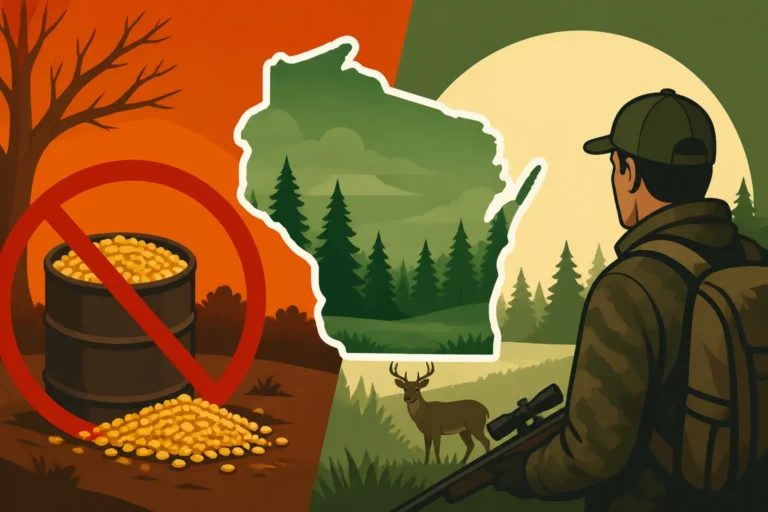
One of the most significant and often confusing regulations impacting deer hunting in Wisconsin, particularly on public land, concerns baiting and feeding. Many counties in Wisconsin have ongoing baiting and feeding bans due to the presence of Chronic Wasting Disease (CWD). Even in counties where baiting might be permitted on private land, many State Wildlife Areas have their own blanket ban on baiting and feeding within their boundaries, regardless of county status. This means what's legal on private land just across the road might be strictly prohibited on the public side.
The intent behind these bans is to limit the concentration of deer at artificial feeding sites, which can facilitate the spread of diseases like CWD. For hunters accustomed to using bait, this requires a significant shift in strategy. You'll need to focus on natural food sources, scout travel corridors, and understand deer movement patterns driven by natural forage and cover. Always check the current Wisconsin Baiting and Feeding Bans for the specific county and, more importantly, the individual State Wildlife Area you plan to hunt. Assuming it's allowed could lead to serious legal trouble and contribute to wildlife health issues.
Maximizing Your Success: Tactics Tailored to Wildlife Areas
Hunting State Wildlife Areas can be incredibly rewarding, but it often requires a different mindset and approach compared to hunting private land. These areas typically see more pressure, and the game animals within them become very adept at avoiding humans. Therefore, to truly maximize your success, you need tactics tailored to these unique public land environments, focusing on strategy, resilience, and a deep understanding of animal behavior.
Avoiding the Crowds on Opening Day
Let's be realistic: if it's opening day of gun season, or the first weekend of archery, expect company, especially in easily accessible State Wildlife Areas. This isn't a complaint, it's just a fact of Hunting Pressure on Wisconsin Public Land. The key to success often lies in actively avoiding the crowds, or at least using their presence to your advantage. One common strategy is to walk further than most other hunters are willing to go. Many hunters will stick to areas within a quarter-mile of a road or parking lot. Pushing a mile or two back into the property, especially through difficult terrain like swamps or dense brush, can put you in front of less-pressured animals.
Another tactic is to hunt mid-week, if your schedule allows, when pressure typically drops off significantly. Consider hunting the afternoon of opening day, after the initial morning rush subsides and many hunters have left. Furthermore, paying attention to how other hunters move deer can be a strategy. On gun deer drives, for instance, sometimes the "posts" (hunters positioned at the end of a drive) can benefit from deer pushed by others. The goal is to anticipate where deer will go to escape pressure, rather than to follow the pressure.
Utilizing Habitat Diversity to Your Advantage
State Wildlife Areas, as we've discussed, are often managed for diverse habitats. This isn't just a pretty picture; it's a strategic advantage for hunters. Deer, turkeys, and other game species constantly move between different habitat types to fulfill their needs for food, water, and cover. Understanding these movements is critical. For instance, deer might bed in a dense cedar swamp during the day for thermal cover and security, then move to an adjacent oak ridge to feed on acorns in the evening. Or they might traverse a narrow brushy funnel to get from one section of thick cover to another.
Your strategy should involve identifying these transition zones and travel corridors. Look for the edges where a marsh meets a timber stand, where a young clearcut borders mature woods, or where a brushy fence row connects two larger blocks of cover. These are natural funnels and pinch points that deer instinctively use. Turkeys, similarly, will roost in tall trees along river bottoms or high ridges, then fly down to feed in nearby open fields or timber with good bugging habitat. By recognizing and exploiting this habitat diversity, you're essentially predicting animal movement rather than just reacting to it.
Late Season Opportunities and Hidden Gems
Many hunters pack it in after the main gun deer season, but for those willing to brave colder temperatures and shorter days, State Wildlife Areas can offer some incredible Late Antlerless Hunting in Wisconsin opportunities, as well as chances for other game. The late archery season, often extending into January, can be fantastic for targeting deer focused on winter food sources. Food plots managed within wildlife areas, standing corn (if permitted), or even overlooked pockets of browse can become magnets for deer trying to pack on calories.
Similarly, late-season small game hunting for rabbits and squirrels in dense cover, or even a shot at a late-season goose, can be very productive with significantly reduced hunter pressure. The key is to shift your focus from expansive cruising to identifying concentrated food sources and the thickest thermal cover where animals will hunker down during cold snaps. These "hidden gems" aren't always easy to find, often requiring more extensive scouting and a willingness to venture off the beaten path, but the reward is often a less-pressured animal and a more solitary hunting experience. Patience and cold-weather gear become your best friends.
Challenges and Considerations for Hunting State Wildlife Areas
While State Wildlife Areas offer invaluable public hunting access, it's important to approach them with a realistic understanding of the unique challenges they present. These aren't private, manicured hunting preserves. They are dynamic, often heavily utilized landscapes where you'll encounter a variety of conditions and circumstances that require adaptability and respect.
Managing Hunter Pressure and Competition
Let's face it: one of the biggest challenges on popular State Wildlife Areas is hunter pressure. Especially during peak seasons, you're going to encounter other people. This isn't necessarily a bad thing, but it demands a strategic approach. Hunting Pressure on Wisconsin Public Land can make deer nocturnal or push them into the densest, most inaccessible cover. This is where your scouting and understanding of terrain become crucial. Learning to identify areas that others overlook—a small pocket of thick brush deep in a swamp, a steep hillside that's tough to climb, or a strip of cover between two busy fields—can be the difference between seeing deer and seeing other hunters.
Another aspect of managing pressure is developing a "Plan B" (and C, and D). If your primary spot has three trucks parked at the access point, don't force it. Have alternative locations scouted and ready to go. Flexibility is key. Also, remember that not all pressure is bad. Sometimes, distant hunting activity can actually push deer towards your stand if you're positioned correctly. The goal isn't just to avoid other hunters, but to understand how their presence influences game movement and to position yourself accordingly.
Understanding Habitat Management Practices
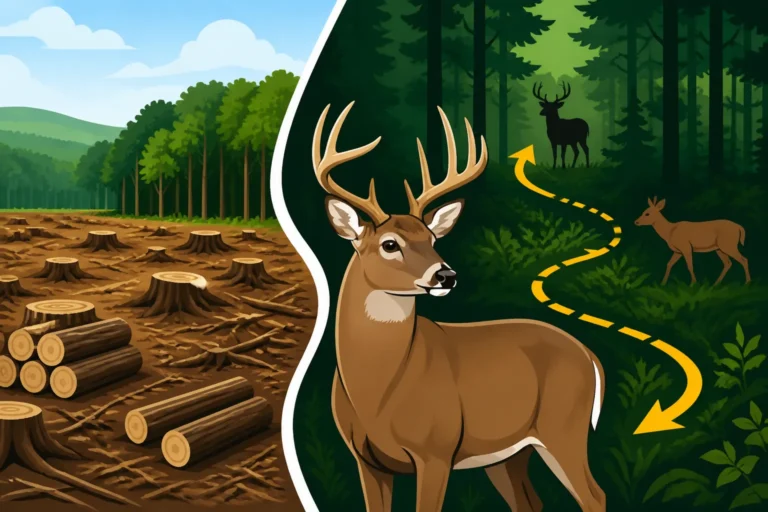
State Wildlife Areas are actively managed to enhance wildlife habitat, and these management practices can significantly impact hunting conditions. You might encounter recently logged areas, prescribed burns, or newly planted food plots. While these are ultimately beneficial for wildlife in the long term, they can temporarily alter animal patterns and access routes. A fresh clearcut might initially displace deer, but within a season or two, it becomes prime browse and bedding cover. A prescribed burn might temporarily remove ground cover, but it stimulates new growth that attracts foraging animals.
It's helpful to stay informed about the management activities planned for the specific wildlife area you hunt. The DNR often posts information about these projects on their website or at kiosks within the property. Understanding these changes helps you predict how game might react and where they might move. A freshly cut area might create a new funnel or edge that wasn't there last year, offering new hunting opportunities. Habitat Work on Wisconsin Wildlife Areas is an ongoing process that benefits hunters in the long run.
Dealing with Environmental Factors
Hunting State Wildlife Areas often means dealing with Mother Nature at her most raw. Because many of these areas encompass large tracts of natural landscape, they are highly susceptible to environmental factors. Wetland areas can have drastically different water levels from year to year, impacting waterfowl hunting and even deer access. Heavy rains can turn access roads into muddy quagmires, and early snowfalls can make walking difficult.
Be prepared for these variations. If you're hunting a marsh, have waders that can handle deeper water than you expect. If you're heading into a heavily wooded area, know that rain can make logging roads slick and impassable for vehicles. Always check weather forecasts and conditions before heading out, and dress appropriately for whatever Wisconsin decides to throw at you. Having backup plans for different water levels or snow depths can be a lifesaver, ensuring you can still reach your chosen hunting grounds, even if conditions aren't ideal.
Beyond the Hunt: Supporting Wisconsin's Wildlife Areas
Hunting in Wisconsin's State Wildlife Areas isn't just about bagging game; it's about being part of a larger conservation effort that ensures these precious resources remain vibrant for generations to come. Every hunter plays a crucial role, not just through their actions afield, but through their contributions and commitment to ethical stewardship.
The Role of Hunter Dollars
It's a fact that often goes unappreciated by the general public, but hunters are among the most significant funders of wildlife conservation in Wisconsin and across North America. Your hunting license fees, state and federal waterfowl stamps, and excise taxes on firearms and ammunition directly contribute millions of dollars to wildlife management programs, habitat acquisition, and the ongoing maintenance of State Wildlife Areas. This "user-pays, user-benefits" model is the backbone of conservation funding.
When you purchase your Wisconsin Conservation Patron Licence or a simple deer tag, a portion of that money goes directly towards the salaries of wildlife biologists who study game populations, the land managers who conduct prescribed burns and timber stand improvements, and the wardens who enforce regulations. It literally pays for the land you hunt on and the healthy wildlife populations you pursue. Understanding this direct link fosters a greater sense of ownership and responsibility for these lands, reinforcing the idea that hunters are, first and foremost, conservationists.
Ethical Hunting and Respectful Use
As hunters, we are guests in these State Wildlife Areas, and our actions directly reflect on the entire hunting community. Practicing ethical hunting isn't just about following the law; it's about upholding a higher standard of respect for the land, the wildlife, and other users. This means ensuring quick, clean kills, making every effort to recover wounded game, and knowing your effective range for your chosen weapon.
Respectful use also extends to how we interact with the environment and other people. Always pack out everything you pack in, and if you can, pick up any litter you find. Leave no trace of your presence behind, ensuring that the next person to come along experiences the same wild beauty. Be courteous to other hunters, hikers, birdwatchers, and any other outdoor enthusiasts you encounter. A friendly nod or a brief, polite conversation goes a long way in fostering positive relationships between different user groups. Remember, these lands belong to everyone, and our shared responsibility is to keep them healthy and accessible. By demonstrating impeccable ethics and respect, we help secure the future of hunting on public lands for generations to come.
Disclaimer
This article is for general informational purposes only and does not constitute professional advice. Laws, prices and regulations vary by location and change over time. Consult a qualified professional for guidance on your specific situation.