Wisconsin Woodcock Singing Ground Surveys
For many of us who cherish the snap of autumn leaves underfoot and the whir of wings from thick cover, pursuing the elusive woodcock is a cherished tradition. But trying to understand where these migratory timberdoodles are settling down and how their overall population is faring can feel like looking for a needle in a haystack, especially when you're planning a trip to a new area. It's truly frustrating to drive hours to a favorite covert only to find it eerily quiet, leaving you wondering if the birds simply haven't arrived, or if their numbers are down this year. This comprehensive guide aims to demystify Wisconsin's Woodcock Singing Ground Surveys, explaining what they are, why they're so crucial for wildlife management, how they're conducted across our state, and, most importantly, how you can use this valuable data to become a more informed and successful woodcock hunter.
Understanding Woodcock Singing Ground Surveys
Before we dive into the nitty-gritty, it’s important to understand what a "Singing Ground Survey" actually is and why it's such a vital tool for wildlife managers and, by extension, for hunters. Imagine a precise, early morning census focused solely on male woodcock announcing their presence. That’s essentially what these surveys are. They are a standardized, long-running method designed to monitor the breeding population trends of American woodcock across their entire range, including right here in Wisconsin.
What Constitutes a Singing Ground Survey
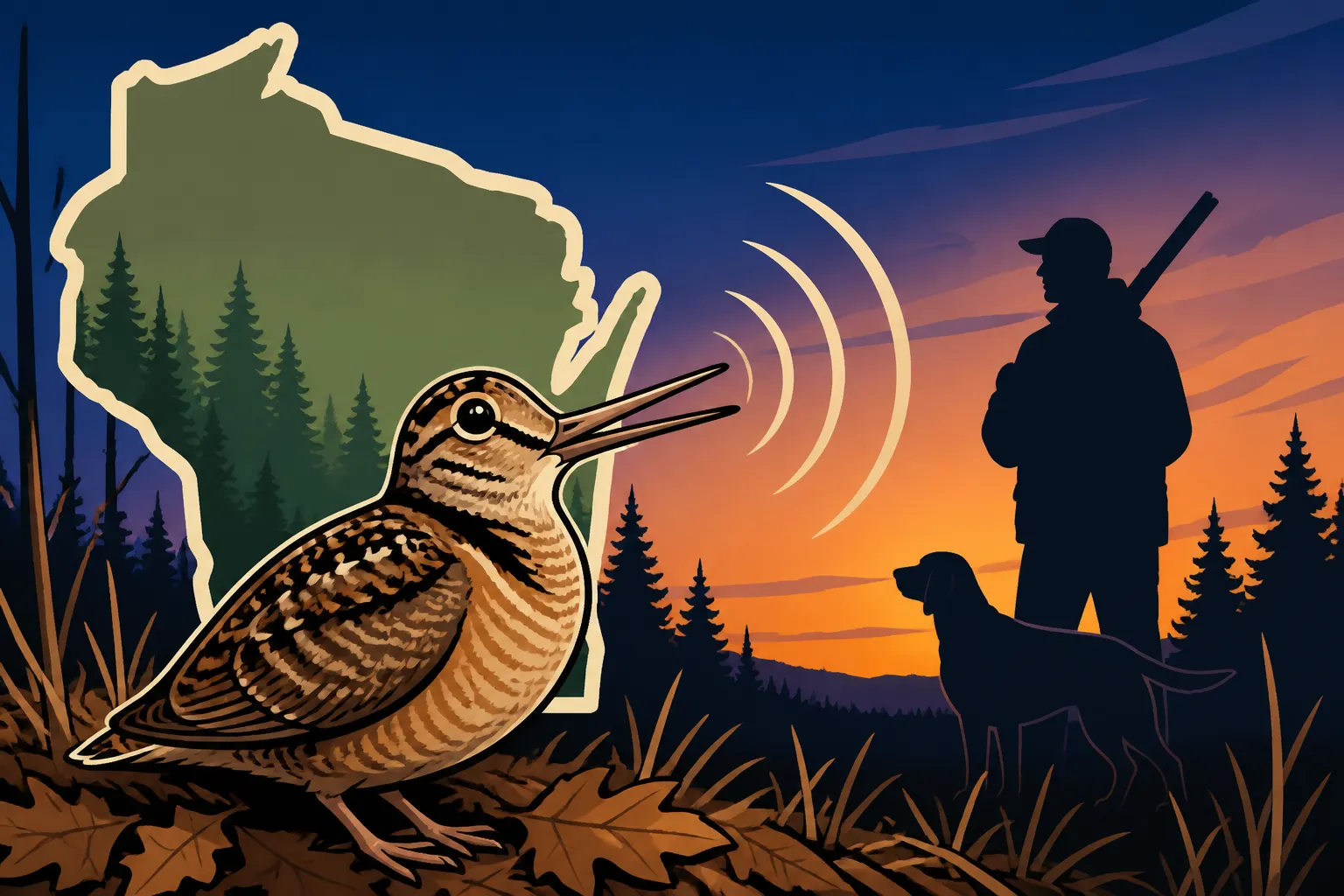
At its core, a woodcock singing ground survey is a series of roadside listening stops performed during the breeding season, typically from mid-April to early May in Wisconsin. The idea is to listen for male woodcock performing their distinctive "peenting" call on their singing grounds at dusk or dawn. These singing grounds are typically open areas or clearings adjacent to the dense, moist cover where woodcock spend most of their time. The male’s performance is a courtship display, involving both ground calls and aerial acrobatics, making them quite audible. Biologists and trained volunteers drive established routes, stopping at predetermined intervals to listen for a set period, recording every peenting male they hear. This method provides a reliable index of the breeding population, as the males are vocal and relatively stationary during this crucial period.
Why These Surveys Are Critical for Wildlife Management
The data collected from these surveys is absolutely indispensable for understanding the health and trends of the woodcock population. Without this information, wildlife agencies would be flying blind when it comes to setting season dates, bag limits, and implementing habitat management strategies. Woodcock are migratory birds, and their populations can be influenced by factors far beyond Wisconsin's borders, including habitat changes on their wintering grounds in the southern U.S. and along their migration routes. The surveys allow biologists to detect significant declines or increases over time, prompting further investigation or management actions. For hunters, these trends directly impact future opportunities. If survey numbers consistently drop, it might indicate a need for more restrictive seasons or increased habitat work to bolster populations. It helps ensure that we can continue to enjoy Ruffed Grouse and Woodcock in Wisconsin for generations to come.
How Woodcock Singing Ground Surveys are Conducted in Wisconsin
Conducting these surveys isn't a casual morning drive; it's a meticulously planned and executed scientific endeavor that requires consistency and dedication. The methodology ensures that the data collected from year to year, and even across different states, is comparable, allowing for broad-scale population assessments.
The Specifics of Survey Routes and Timing
In Wisconsin, as throughout the woodcock's breeding range, survey routes are carefully established. Each route consists of 10 listening stops, spaced approximately 0.4 miles apart. These routes are often rural roads that pass through a mosaic of suitable woodcock habitat, such as young aspen stands, alder thickets, and regenerating clearcuts. The timing is critical: surveys are conducted between one-half hour before to one hour after sunset, or between 40 minutes before to 20 minutes after sunrise. These precise windows are when male woodcock are most actively engaged in their twilight or dawn courtship displays. The surveys are conducted once annually, typically during that prime breeding window in late April to early May, to capture peak peenting activity. Weather conditions are also taken into account; surveys aren't conducted during heavy rain, high winds, or extreme cold, as these conditions can suppress woodcock activity and skew results.
Who Conducts the Surveys and How Data is Recorded
The backbone of Wisconsin's woodcock singing ground surveys, like many wildlife monitoring programs, relies on a combination of professional biologists and dedicated, trained volunteers. These individuals follow the exact same protocol for each route, every year. At each of the 10 stops, the surveyor listens intently for two minutes, recording the number of peenting male woodcock heard. They also note any drumming grouse, which often share similar early successional habitats. The consistency of these efforts is paramount; using the same routes, the same listening periods, and the same methods year after year helps eliminate variables and ensures that any observed changes in woodcock numbers are likely due to actual population fluctuations rather than differences in survey effort. Many dedicated bird enthusiasts and even some hunters volunteer their time, contributing directly to the conservation efforts that ultimately benefit their sport. Programs like GoHunt often rely on such foundational data for their habitat and species insights, highlighting the community's role.
Here's a quick overview of the key components of a Wisconsin Woodcock Singing Ground Survey:
| Feature | Description | Importance |
|---|---|---|
| Purpose | Monitor breeding population trends of American Woodcock. | Guides conservation, habitat management, and hunting regulations. |
| Season | Spring (typically mid-April to early May in Wisconsin). | Captures peak male courtship activity. |
| Time of Day | 30 min before to 1 hour after sunset; 40 min before to 20 min after sunrise. | When male woodcock are most vocal on their singing grounds. |
| Routes | Established routes with 10 stops, 0.4 miles apart. | Standardized coverage of potential habitat. |
| Listening Stops | 2-minute listening period at each stop. | Consistent data collection to compare year-to-year. |
| Personnel | Wildlife biologists and trained volunteers. | Ensures consistent methodology and broad coverage. |
| Key Data | Number of "peenting" male woodcock heard. | Direct index of breeding population abundance. |
Interpreting Wisconsin Woodcock Survey Results
Once the data is collected and compiled, it's analyzed to reveal trends. But merely looking at a raw number doesn't tell the whole story; understanding what these results truly indicate, and what their limitations are, is crucial for both managers and hunters.
What the Numbers Really Mean for Populations
The primary metric derived from these surveys is the "average number of peenting males heard per route." This figure is an index, not a total count of every single woodcock in the state. However, it's an incredibly powerful indicator of how the breeding population is changing over time. If this average number consistently declines over several years across a broad region, it's a strong signal that the overall woodcock population is facing challenges. Conversely, stable or increasing numbers suggest a healthy, or at least recovering, population. These regional trends, often reported by the U.S. Fish and Wildlife Service, help to inform decisions at a much broader, flyway-wide level, not just for Wisconsin. Remember that woodcock are migratory; what happens here for breeding reflects only one part of their annual cycle. For specific timing information, knowing When Woodcock Migrate Through Wisconsin is also key.
Local Versus Regional Trends and Weather's Impact
While the singing ground surveys provide excellent regional and national trends, it's important to recognize their limitations at a hyper-local level. A poor survey count on one specific route in Bayfield County, for instance, doesn't necessarily mean there are no woodcock in that general area for the fall hunting season. Local factors, such as habitat changes from logging or natural succession, or even unusually bad weather during the survey period, can influence a single route's numbers. A particularly wet spring might lead to different ground conditions, or a late cold snap could temporarily delay breeding activity, affecting the survey counts. So, while statewide or regional reports can tell you if the overall population trend is up or down, don't let a single year's anomaly from a broad report dictate your fall hunting plans completely. Use resources like GoHunt to cross-reference with more current habitat maps.
How Hunters Can Use Survey Information
So, you've grasped the science behind the surveys. Now, how can you translate this ecological data into practical advantages for your next woodcock hunt in Wisconsin? It's all about combining this big-picture information with your own scouting and local knowledge.
Scouting Smart and Targeting Promising Areas
Understanding the broader population trends from the singing ground surveys can help you make more informed decisions about where to focus your scouting efforts. If the overall trend for the Great Lakes region (which includes Wisconsin) shows a stable or slightly increasing woodcock population, it gives you more confidence in seeking out prime habitat. Conversely, if numbers are broadly down, you might need to scout more extensively and perhaps cover more ground to find concentrated pockets of birds. This data is best used as a filter: focus your time and energy on areas that historically hold woodcock and that also fall within regions showing healthier survey numbers. Knowing Where Wisconsin Woodcock Concentrate is also immensely helpful.
Integrating Survey Data with Habitat Knowledge
Woodcock surveys primarily tell us about breeding populations. When it comes to hunting, we're often dealing with migratory birds in the fall. However, a healthy breeding population index suggests good recruitment and potentially more birds available for migration. The key is to combine this population trend data with your knowledge of prime woodcock habitat. Think thick, young deciduous cover – specifically, patches of young aspen, birch, and especially alder runs often near water or damp ground. If survey data indicates good numbers in a particular county or region, that’s your cue to start looking for those classic Woodcock Hunting Wisconsin Alder Runs or other dense, early successional habitats. The surveys provide the "where there could be birds" while habitat knowledge helps you pinpoint the "where the birds actually are."
The Complementary Role of Technology and Tools
Modern hunting apps and mapping tools like GoHunt can be powerful complements to survey data. While GoHunt won't directly show you real-time woodcock counts, it can help you identify and visualize the types of habitats woodcock prefer based on the general trends reported by the surveys. For instance, if surveys show a healthy population in northern Wisconsin, you could then use your mapping application to scout for public land with suitable young forest habitat or moist lowlands. You can pinpoint access points, identify dense coverts, and even look for areas with past timber management that would create ideal conditions for woodcock and Aspen Management and Wisconsin Grouse. Furthermore, pairing your efforts with good gear, like Upland Guns for Aspen and Alder, appropriate Shot Size for Grouse and Woodcock, and a well-choked shotgun for Choke Choice for Fast Flushes, will maximize your chances once you find the birds. Don't forget that many small game hunters also chase Hunting Grouse and Woodcock Together, so understanding the habitats for both can lead to a diverse bag. The more information you gather, from broad survey reports to boots-on-the-ground scouting, the better prepared you'll be for a successful hunt.
Disclaimer
This article is for general informational purposes only and does not constitute professional advice. Laws, prices and regulations vary by location and change over time. Consult a qualified professional for guidance on your specific situation.