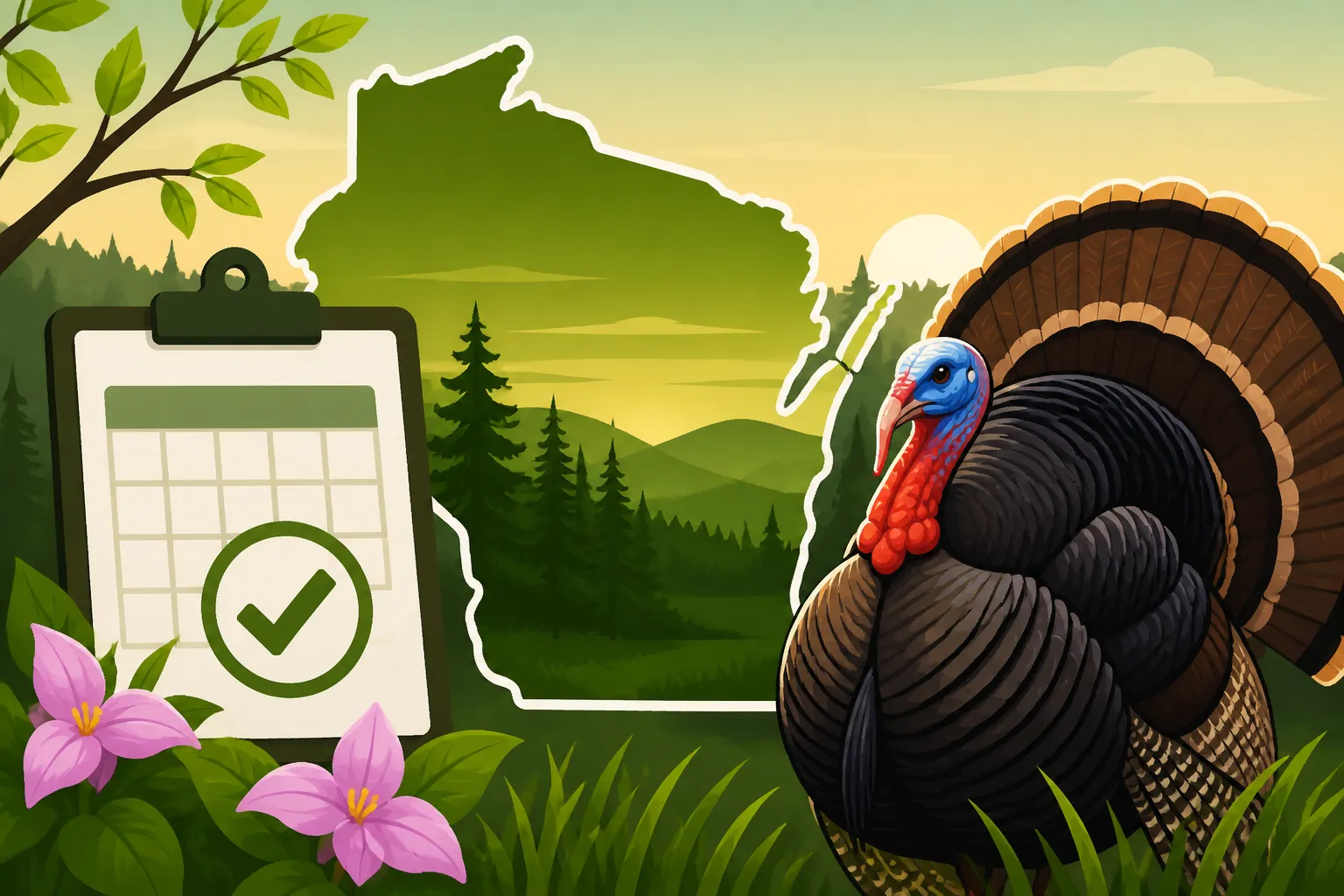
Wisconsin Spring Turkey Application Deadline
Missing the application deadline for Wisconsin's spring turkey season can feel like a punch to the gut. All that anticipation, all those dreams of hearing a gobbler thunder across a crisp spring morning, dashed because a date slipped by. It's a common frustration, especially with so many different hunting seasons and regulations to keep track of throughout the year. But don't worry, this guide is here to untangle the complexities of the Wisconsin spring turkey application process, making sure you're squared away and ready for your shot at a tom.
Navigating the Wisconsin Spring Turkey Application Deadline
The absolute first thing you need to engrave in your memory, or better yet, set multiple reminders for, is the application deadline for Wisconsin's spring turkey season. It's easy to overlook amongst all the other commitments in our busy lives, and once that window closes, so does your primary chance to get into the drawing for the most desirable periods and zones. For many hunters, securing a tag in a specific unit or during a particular week is crucial for their hunting plans, whether it's coordinating with buddies or aligning with time off work.
The Critical Date for Spring Turkey Applications
While the exact dates can shift slightly year to year based on the calendar, the application period for the Wisconsin spring turkey hunt typically runs from early December through early January. The Wisconsin Department of Natural Resources (DNR) usually sets the deadline around the first week of January. For instance, in recent years, it's often landed around January 7th or 10th. It's absolutely vital to check the official Wisconsin DNR website each year for the precise dates, as missing this relatively short window means you forfeit your opportunity to participate in the initial permit drawing. Imagine planning your whole spring around a hunt, only to realize too late that you forgot to submit your application; it's a gut-wrenching feeling that many hunters have unfortunately experienced. If you miss this deadline, your only recourse will be to hope for leftover tags, which are a much more unpredictable proposition.
Why an Application is Necessary for Spring Turkey
Unlike some small game hunts, spring turkey hunting in Wisconsin operates under a controlled system. This isn't just about bureaucracy; it's a necessary management tool. Wild turkey populations, while robust in many areas thanks to successful restoration efforts, could easily be overharvested if an unlimited number of hunters descended upon them. The demand for spring turkey hunting far outweighs the available permits in many areas, especially the prime zones and early hunting periods. The DNR divides the state into specific Wisconsin Spring Turkey Zones and Periods and allocates a limited number of permits for each period within those zones. This system ensures a sustainable harvest, manages hunter density to enhance the quality of the hunting experience, and ultimately protects the resource for future generations. It's a system designed to balance opportunity with conservation, and the application process is the gateway to participating in this well-managed hunt.
Understanding the Wisconsin Turkey Drawing and Preference Points
It's not just about getting your application in on time; it's about understanding how Wisconsin meticulously allocates its coveted spring turkey authorizations. For many, this is where the system can start to feel a bit opaque, with talk of drawings and preference points. But once you grasp the mechanics, it becomes a powerful tool for strategic planning, especially if you have a specific zone or period in mind. This structured approach helps distribute hunting pressure and ensures fair access.
How the Drawing System Works
The heart of Wisconsin's spring turkey allocation is a lottery system, designed to distribute permits fairly among all applicants. After the application deadline passes, all submitted applications are entered into a computerized drawing. This drawing assigns permits for each of The Seven Wisconsin Turkey Zones and within those, for each of the six distinct hunting periods, typically labeled A through F. Period A is the earliest, often starting in mid-April, while Period F is the latest, extending into late May. The early periods are highly sought after because gobblers are often more vocal and actively breeding, making them potentially more responsive to calls. Later periods can offer less hunter pressure and different challenges as turkeys shift their behaviors. The DNR's Wisconsin Turkey Period Drawing ensures that everyone who applies has a chance, regardless of their past success or experience, though preference points certainly tip the scales.
Building and Using Wisconsin Turkey Preference Points
This is where the game gets strategic. A preference point in Wisconsin's turkey drawing system is essentially a bonus entry into the lottery. For every year you apply for a spring turkey permit and do not draw one, you automatically accrue one preference point. You can also actively purchase a preference point during the application period without applying for a permit if you know you can't hunt that year but want to build points for the future. These points are cumulative and never expire, which is a fantastic benefit for long-term planning.
When you apply in subsequent years, your total preference points are added to your application, increasing your odds of drawing a permit. For example, if you have three preference points, your name essentially gets entered into the drawing four times (your current application plus three points). This system significantly improves your chances of drawing a tag in highly competitive zones or during prime periods. Many hunters strategically bank points for a few years, especially if they're aiming for a particular zone known for its large Wisconsin Turkey Population Trends or for a trophy gobbler. Websites like GoHunt offer valuable insights and tools that can help you analyze drawing odds by zone and period, allowing you to make informed decisions about when to spend your accumulated points or when to simply buy a point for the year. Understanding Wisconsin Turkey Preference Point Rules is key to successful long-term turkey hunting in the state.
Navigating the Go Wild System and Post-Application Steps
The Wisconsin Department of Natural Resources (DNR) utilizes the "Go Wild" system as the central hub for all hunting and fishing licenses, permits, and applications. While it’s designed to streamline the process, getting used to a new online portal can sometimes feel like navigating a maze, especially when the stakes are high for a desired hunting permit. However, with a little guidance, applying through Go Wild becomes a straightforward task.
Applying Through Wisconsin's Go Wild System
The Go Wild platform is your one-stop shop for everything from purchasing your annual Wisconsin Hunting Licences and What They Cost to applying for special drawings like the spring turkey hunt. When the application period opens, you'll need to log into your Go Wild account. If you don't have one, creating one is a simple process, requiring some basic personal information. Once logged in, navigate to the "Apply for a Permit" section or similar designation. You'll then select the spring turkey application.
Here’s where careful attention is crucial: you'll be prompted to choose your preferred turkey zone and hunting period (A-F). This is your chance to specify exactly where and when you want to hunt. If you've been strategizing with your preference points, this is the moment to put that plan into action. Make sure to double-check your selections before confirming and proceeding to payment. It's incredibly frustrating to realize you accidentally applied for the wrong zone or period after the deadline has passed. Websites like GoHunt can be particularly helpful during this planning phase, providing data and odds that can inform your zone and period choices within the Go Wild system.
After the Application: Drawing Results and Leftover Sales
The wait after submitting your application can feel agonizing, but patience is a virtue in hunting. Drawing results for the spring turkey hunt are typically released in mid-February. You'll usually receive an email notification from the DNR, or you can log directly into your The Wisconsin Go Wild Licence System account to check your status.
If you are fortunate enough to draw a tag, congratulations! Make sure to print your authorization or download it to your mobile device, as you'll need proof of your permit while afield. Familiarize yourself with the specific zone and period printed on your tag.
But what if you don't draw a tag? Don't despair! This isn't necessarily a bad outcome. If you applied for a permit and were unsuccessful in the drawing, you will automatically accrue a preference point for the next year's drawing, boosting your chances. This is how the system is designed to reward persistent applicants.
Furthermore, not drawing a tag opens the door to the leftover turkey authorization sales. These permits are sold on a first-come, first-served basis, usually starting in mid-to-late March, with staggered sales dates for different zones and periods. Leftover sales are a fantastic opportunity for hunters who missed the initial deadline, didn't draw a tag, or simply want an additional tag. However, they go fast, especially for popular zones and early periods. It's like a digital race, so be online and ready right when sales open. Many hunters use resources like GoHunt to track which zones typically have leftovers and to get alerts for when these sales begin, giving them a competitive edge. Understanding Leftover Turkey Authorizations in Wisconsin is a crucial backup plan.
Maximizing Your Spring Turkey Hunting Success in Wisconsin
Securing a spring turkey tag in Wisconsin is a rewarding achievement, but it's really just the first step in the journey. The real work, and much of the enjoyment, comes in the field, translating that permit into a successful hunt. This isn't just about luck; it's about strategic preparation, understanding turkey behavior, and employing the right tactics for the varied landscapes Wisconsin offers.
Strategic Zone and Period Selection
When you're applying for your tag, or even considering leftover permits, a little research into zone and period selection can pay huge dividends. Wisconsin's diverse habitats mean that turkey populations and hunting conditions vary significantly across the state. The heavily forested northern zones might present different challenges and opportunities compared to the agricultural lands of the southern or Driftless areas.
Consider what kind of hunting experience you prefer. If you thrive on intense gobbling action and don't mind competing with more hunters, an early period in a high-density zone might be for you. Conversely, if you prefer less pressure and enjoy the challenge of locating quieter birds, a later period could be ideal. Researching local Wisconsin Turkey Harvest Numbers from previous years can also provide valuable insights into success rates. Public land availability is another major factor; some zones offer vast tracts of public hunting ground, while others rely more on private land access. Sites like GoHunt often have mapping features and harvest data that can help you make these crucial decisions based on your personal hunting style and access preferences. Don't just pick a zone at random; think about where you want to hunt and what kind of hunting it offers.
Essential Gear and Tactics for Wisconsin Gobblers
Successfully hunting a Wisconsin gobbler requires a blend of appropriate gear and well-honed tactics. Your gear setup should include a reliable shotgun, ideally patterned with turkey-specific loads at various distances, and a selection of calls. Turkey Calls Worth Carrying in Wisconsin might include mouth diaphragms for hands-free calling, slate calls for versatile sounds, and perhaps a box call for loud, attention-grabbing yelps. Don't forget realistic decoys; a jake or hen decoy can often entice a wary tom into range, especially when used in conjunction with thoughtful setups. For tips on deployment, consider tactics like Decoy Placement for Pressured Birds.
Beyond the gear, scouting is paramount. Long before the season opens, spend time in your chosen zone. Locate roosting areas, feeding grounds, and travel corridors. Look for signs like tracks, droppings, and strut marks. Understanding how birds move through the landscape is critical. During the hunt, flexibility is key. Some mornings, birds might be incredibly vocal, responding readily to calls, making tactics like Calling a Wisconsin Gobbler Off the Roost effective. Other days, they might be "henned up" or quiet, requiring a more aggressive "run-and-gun" approach, moving frequently to cover ground and elicit a response. Hunting techniques like Run-and-Gun Turkey Tactics on Public Land are often employed when birds are less cooperative. Adapting your strategy to the day's conditions and the specific birds you're targeting is the hallmark of a successful Wisconsin turkey hunter.
Key Wisconsin Spring Turkey Dates and Actions
To make sure you don't miss a beat in your quest for a Wisconsin gobbler, here's a handy table summarizing the critical dates and actions. Remember, always verify the exact dates on the official Wisconsin DNR website each year, as they can have minor adjustments.
| Action | Typical Timeline | What to Do | Important Notes |
|---|---|---|---|
| Application Period Opens | Early December | Log into Go Wild, prepare your application. | This is your window to select your preferred zone and period for the initial drawing. |
| Application Deadline | Early January (e.g., Jan 7-10) | Submit your application and payment via Go Wild. | CRITICAL DATE! Missing this means you cannot enter the primary drawing and will rely solely on leftover tags. |
| Drawing Results Announced | Mid-February | Check your Go Wild account or email for drawing results. | If successful, print or save your permit. If unsuccessful, you'll gain a preference point for next year. |
| Leftover Permit Sales Begin (Staggered) | Mid-to-Late March | Be ready on Go Wild at the exact start time for your desired zone/period. | These are first-come, first-served. Dates vary by zone/period, so check the DNR schedule closely. GoHunt often provides alerts for these sales. |
| Spring Turkey Season Begins (Period A) | Mid-April | Start scouting and preparing your gear for the earliest hunt period. | Actual dates vary annually, always refer to the official DNR regulations. |
| Spring Turkey Season Ends (Period F) | Late May | Final opportunity to harvest a gobbler. | Season periods typically run for 5 days each (e.g., Wed-Sun), with Period F often extending an extra day. |
| Preference Point Purchase Option | During the Application Period | If not hunting, purchase a preference point to boost future draw odds. | A smart move if you want to increase your chances for a specific zone or period in upcoming years without committing to a hunt this year. |
By staying on top of these dates and understanding the underlying system, you'll significantly increase your chances of being out in the woods chasing gobblers when spring arrives in Wisconsin.
Disclaimer
The information provided in this guide is for general informational purposes only and is subject to change. Hunting regulations, season dates, and application deadlines are set by the Wisconsin Department of Natural Resources (DNR) and can be modified annually. Always consult the official Wisconsin DNR website and current hunting regulations pamphlet for the most accurate and up-to-date information before planning and participating in any hunting activities. Hunters are responsible for knowing and abiding by all applicable laws and regulations.