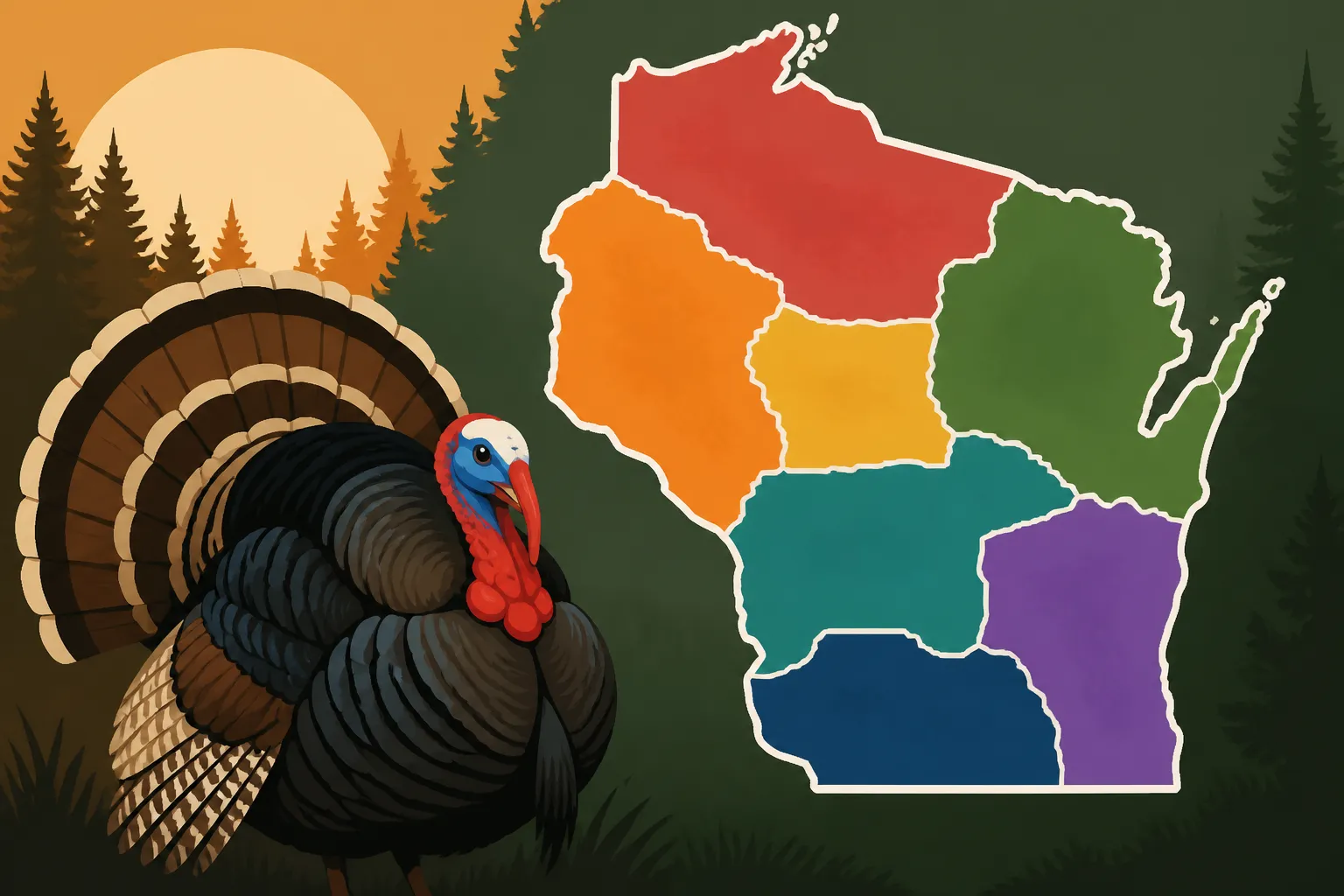
The Seven Wisconsin Turkey Zones
Oh, the spring turkey hunt in Wisconsin! It's one of the most anticipated seasons for many of us, but let's be honest, figuring out the zone system can feel like trying to solve a puzzle while a gobbler is drumming just out of sight. With different zones dictating where and when you can chase those elusive longbeards, it’s easy to get lost in the regulations and miss out on opportunities. This comprehensive guide is here to untangle the complexities of Wisconsin's seven spring turkey zones, helping you understand their unique characteristics, navigate the application process, and plan a successful hunt, no matter where you prefer to chase birds.
Understanding Wisconsin's Turkey Zone System
For anyone new to turkey hunting in Wisconsin, or even seasoned veterans who haven't delved deep into the regulations, the concept of hunting zones can seem a bit overwhelming at first. It's not just about picking a county; it's about understanding how the Wisconsin DNR manages turkey populations to ensure sustainable hunting opportunities for everyone. This system isn't designed to make things harder; it's a thoughtful approach to balancing hunter pressure and wild turkey success.
Why Zones Are Necessary for Turkey Management
Wild turkeys were once nearly extirpated from Wisconsin, a stark reminder of how quickly populations can decline without careful management. Thanks to extensive restoration efforts, these magnificent birds have made an incredible comeback, flourishing in nearly every corner of the state. However, their populations aren't uniformly distributed, and hunting pressure needs to be managed to prevent localized overharvesting and ensure quality hunting experiences. Imagine if everyone could hunt anywhere, anytime—certain areas would be overrun, birds would be stressed, and the overall success rates would plummet. The zone system, along with specific hunting periods, is the DNR's primary tool for distributing hunters and protecting local turkey populations, allowing for robust Wisconsin Turkey Population Trends year after year. It's all about providing opportunity while maintaining a healthy, thriving resource.
These zones also allow the DNR to account for varying habitat types and turkey densities across Wisconsin. What works for turkeys in the northern forests is vastly different from what sustains them in the agricultural landscapes of the south. By creating distinct zones, wildlife managers can implement specific harvest quotas and permit allocations tailored to the ecological realities of each region, rather than a one-size-fits-all approach. This localized control is crucial for fine-tuning management strategies and responding to changes in bird numbers, habitat conditions, or even environmental factors that might affect turkey reproduction and survival, like Nest Predation and Turkey Hatches.
The General Layout of Wisconsin's Zones
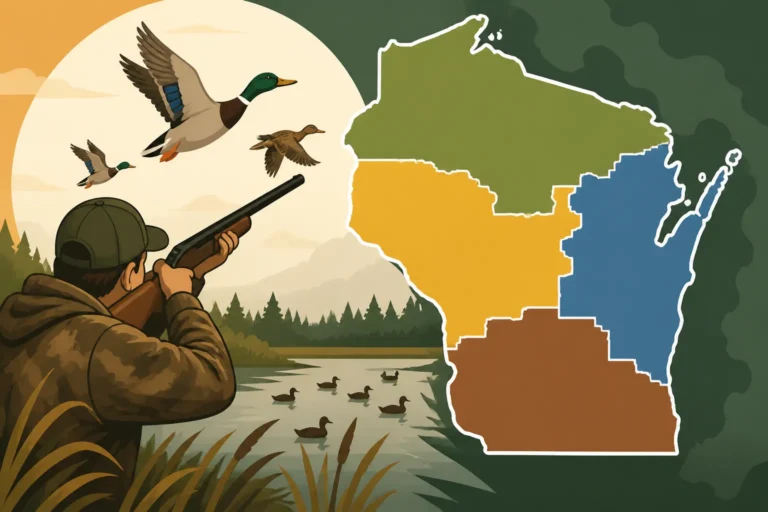
Wisconsin's seven spring turkey zones essentially divide the state into manageable regions, each with its own character and turkey habitat. Generally, you'll find zones carved out along natural geographical lines, major rivers, or county boundaries, attempting to group similar habitats and turkey densities together. Zone 1, for instance, encompasses the rugged hills and valleys of the Driftless Area, while Zone 5 blankets a significant portion of the dense northern forests.
It’s crucial to remember that these zones aren't just arbitrary lines on a map; they represent distinct ecological units that influence turkey behavior, distribution, and hunting tactics. The number of permits issued for each zone and period varies annually, reflecting current population estimates and past harvest data. Hunters often look at these zone maps in conjunction with other resources, like the Wisconsin DNR's mapping tools or even a powerful hunting app like GoHunt, to get a holistic view of the terrain, private land, and public access points. Understanding this general layout is the first step in deciding where you want to focus your efforts and apply for a tag, leading to a better understanding of Wisconsin Spring Turkey Zones and Periods.
How Turkey Zones Differ from Deer Management Units
If you're already familiar with deer hunting in Wisconsin, you know about the various Deer Management Zones and Units. It’s important to understand that the turkey zone system operates independently from these. Deer management often focuses on larger regional populations and specific agricultural or forest management concerns, while turkey zones are much more granular, concentrating on optimal spring harvest opportunities for a species that has distinct habitat needs and population dynamics.
While there might be some overlap in geographical areas (e.g., both systems cover the Driftless Area), the boundaries and rationales are different. Deer management units can dictate how many antlerless tags are available in a specific county, whereas turkey zones determine your access to a particular piece of the state for spring gobblers. This separation means you can't assume your preferred deer hunting grounds will automatically be in your preferred turkey zone or vice-versa. Always double-check the specific turkey zone map when planning your hunt and applying for your authorization, as the rules for one species rarely perfectly align with the rules for another.
A Deep Dive Into Each Wisconsin Turkey Zone
Let's roll up our sleeves and explore each of Wisconsin's seven spring turkey zones. Each zone offers a unique set of challenges and rewards, shaped by its distinct landscape, habitat, and turkey population characteristics. Understanding these nuances is key to selecting the zone that best matches your hunting style and expectations.
Zone 1: The Driftless Heartland
Zone 1 covers the iconic Driftless Area in southwestern Wisconsin, a region renowned for its unglaciated, rugged terrain of steep coulees, hardwood ridges, and agricultural valleys. This zone is arguably one of the most popular and productive for turkeys in the entire state, boasting some of the highest turkey densities. The mix of mature oak forests, crop fields, and brushy draws provides ideal habitat, leading to consistently strong populations and vocal birds. Hunters here can expect challenging topography but often rewarding encounters. This region is home to some of the Best Wisconsin Counties for Turkeys, like Buffalo, Grant, and Richland counties.
Hunting here often involves rigorous hiking, mastering thermal currents, and adapting to rapidly changing terrain. The birds are accustomed to using the varied elevation to their advantage, often roosting high on a ridge and pitching down into a valley. Success in Zone 1 often comes down to persistent scouting, finding good roosting spots, and using tactical setups that account for the terrain. Access to Wisconsin Driftless Public Ground can be competitive, but numerous county forests and state wildlife areas offer fantastic opportunities for those willing to put in the work. When thinking about Turkey Tactics for Driftless Farm Edges, you'll find birds often concentrate near food sources bordering timber.
Zone 2: Western Farmland and Hardwoods
Moving north and west from the Driftless, Zone 2 primarily encompasses a stretch of western Wisconsin characterized by a blend of agricultural lands, river bottoms, and extensive hardwood forests. Counties like St. Croix, Pierce, Dunn, and parts of Eau Claire fall into this zone. While perhaps not as rugged as the Driftless, it still offers plenty of rolling hills and river valleys that hold strong turkey populations. The birds here often utilize timbered river corridors and woodlots interspersed with corn and soybean fields, making them a bit more predictable if you can pinpoint their feeding and roosting patterns.
This zone is well-regarded for its turkey numbers and offers excellent opportunities, particularly for hunters who enjoy working birds in mixed agricultural and timbered landscapes. Public land can be found in various state wildlife areas and scattered county forest blocks, though securing private land permission is often a successful strategy here. Hunters should focus on scouting field edges, woodlot corners, and creek bottoms, as these areas tend to concentrate birds as they move between feeding and roosting sites.
Zone 3: Central Sands and Agricultural Mix
Zone 3 blankets a large portion of central Wisconsin, often referred to as the Central Sands region, extending into surrounding agricultural areas. This zone is a diverse landscape, ranging from pine plantations and oak woodlands to vast potato fields and irrigated farmland. Counties such as Adams, Juneau, Waushara, and parts of Portage and Wood are included. Turkey populations here are healthy, thriving in the mosaic of cover and food sources. The terrain is generally flatter than the western zones, making for easier walking, but the birds can be spread out across larger tracts of timber or agricultural land.
Hunting in Zone 3 can be a fantastic experience, especially for those who prefer hunting in a mix of pines and hardwoods. Identifying key food sources, such as oak ridges for acorns or recently harvested fields, is paramount. Public land opportunities include large state wildlife areas like Meadow Valley and Wood County Wildlife Areas, along with tracts of county forest. Hunters might find themselves adapting their calls and tactics to suit both dense timber and open field scenarios. The ability to Run-and-Gun Turkey Tactics on Public Land can be particularly effective in this zone, covering ground until you locate active birds.
Zone 4: Northeast Woods and Scattered Farms
Zone 4 stretches across northeastern Wisconsin, bordering Michigan's Upper Peninsula. This zone is defined by a landscape transitioning from the more intensive agriculture of the south to the beginning of the vast northern forest. You'll find a mix of hardwoods, conifer swamps, and smaller agricultural parcels. Counties like Marinette, Oconto, Langlade, and Shawano are part of this zone. While turkey densities might not be as high as in the prime southern zones, this area still holds a very respectable and huntable population, particularly where habitat provides a good blend of roosting timber and open feeding areas.
Turkey hunting in Zone 4 offers a different flavor, often with more solitude and a greater sense of wilderness, especially in the larger timber blocks. Birds here tend to be a bit less pressured than those further south, but they can also be more scattered. Key to success is identifying areas where agriculture meets timber, or where oak ridges provide reliable food sources within larger forest tracts. Public access is available in county forests and state lands, providing ample room to roam. Patience and persistence often pay off handsomely in this beautiful, transitional country.
Zone 5: Northern Forest and Transition Areas
Zone 5 is the largest of all the zones, encompassing much of Wisconsin's true northern forest. This is the land of vast conifer forests, mixed hardwoods, lakes, and less agriculture. Counties like Vilas, Oneida, Forest, Florence, and Iron are predominantly in this zone. Turkey populations here, while present and growing, are typically less dense than in the southern agricultural zones. The birds here have adapted to a more wilderness environment, often favoring hardwood ridges and creek bottoms within the expansive forests.
Hunting in Zone 5 is often characterized by longer walks, more silent periods, and the challenge of locating widely dispersed birds. However, the reward is often a true wilderness experience, far from the crowds. Focus your scouting efforts on areas with mature oaks, especially near water sources or clearings. Public land access is abundant, with large tracts of county and national forest (Chequamegon-Nicolet National Forest Hunting) offering vast hunting grounds. Hunters here need to be prepared for the elements and comfortable with navigating big timber. It's a fantastic zone for those seeking solitude and a more primitive hunting adventure.
Zone 6: Southeast Farmland and Urban Fringe
Zone 6 covers the heavily populated southeastern corner of Wisconsin, including counties like Dane, Jefferson, Waukesha, and Kenosha. This zone is a dense mosaic of agricultural fields, scattered woodlots, small towns, and urban sprawl. Despite the human population density, wild turkeys thrive here, utilizing the abundant food sources from agriculture and adapting to fragmented habitats. Turkey numbers are robust, but hunter access can be the biggest challenge due to the high percentage of private land.
Hunting in Zone 6 requires careful planning and, more often than not, securing private land permission. Public hunting opportunities exist in state wildlife areas, but these can experience significant pressure. However, for those who can gain access to private woodlots or farms, the hunting can be exceptional, with plenty of vocal birds. These turkeys are often accustomed to human activity, which can make them tricky to approach but also sometimes less wary of calling. Using tools like GoHunt or other land mapping apps can sometimes help identify land ownership for permission requests, and learning Getting Private Land Permission in Wisconsin is vital here.
Zone 7: Lake Michigan Shoreline
Zone 7 is the smallest and most unique of all the Wisconsin turkey zones, encompassing a narrow strip of land along the Lake Michigan shoreline, including parts of Ozaukee, Sheboygan, and Manitowoc counties. This zone is characterized by a mix of agricultural land, urban areas, and small pockets of timber. Like Zone 6, turkey populations are healthy, but public land access is extremely limited. The proximity to the lake can also influence weather patterns, bringing in fog or colder temperatures at times.
Hunting in Zone 7 is almost entirely dependent on private land access. It's a zone where local knowledge and established relationships with landowners are priceless. If you have permission on a property in this zone, you might find a fantastic hunting experience, as the birds are there, but the sheer lack of general public access means competition on available land is intense. This zone perfectly illustrates the importance of understanding the geographical constraints and land ownership patterns unique to each area when planning your hunt.
Here’s a quick overview of the zones:
| Zone | General Location | Primary Habitat Types | Turkey Density | Typical Hunting Pressure | Key Challenge |
|---|---|---|---|---|---|
| 1 | SW Wisconsin (Driftless) | Hardwood ridges, steep coulees, agriculture | Very High | High | Rugged terrain, hunter density |
| 2 | W Wisconsin | Farmland, river bottoms, hardwoods | High | Moderate to High | Private land access, scattered public |
| 3 | Central Wisconsin | Pine & oak forests, agriculture (Central Sands) | High | Moderate | Birds can be spread out |
| 4 | NE Wisconsin | Mixed hardwoods, conifers, scattered farms | Moderate | Moderate to Low | Locating dispersed birds |
| 5 | N Wisconsin (Northern Forest) | Vast conifer/hardwood forests, lakes | Moderate to Low | Low | Locating widely scattered birds |
| 6 | SE Wisconsin (Urban Fringe) | Agriculture, woodlots, urban sprawl | High | Very High | Private land access is critical |
| 7 | Lake Michigan Shoreline | Agriculture, small timber pockets, urban | Moderate | Very High | Extremely limited public access |
Navigating the Application and Drawing Process
Once you've wrapped your head around the different zones, the next big step is understanding how to actually get a turkey authorization. Wisconsin's system uses a lottery draw for the initial spring turkey periods, which can feel a bit like playing the slots at a casino, but there's a method to the madness!
Spring Turkey Application Deadlines and How to Apply
The spring turkey hunting season in Wisconsin is divided into multiple time periods within each zone, typically six periods, running from mid-April through late May. To hunt during these prime periods, you generally need to apply for a permit in the annual drawing. The application deadline is usually in early December for the following spring season, so marking your calendar well in advance is absolutely critical. Missing this deadline means you'll be limited to buying leftover tags, which can significantly restrict your choices.
The application process is handled through the Wisconsin DNR's Go Wild licensing system. You'll log into your account, select the spring turkey application, and then choose your preferred zone and hunting period. Most hunters apply for their first choice and then list alternative choices. Remember, you can only apply for one zone and one period as your first choice, which highlights the importance of strategizing which zone offers you the best chance based on your hunting style and target density. You can learn more about the specifics of the draw and your chances in When the Wisconsin Turkey Drawing Happens.
Understanding Preference Points and the Drawing System
Wisconsin uses a preference point system for its spring turkey draw, which is a common way to give loyal hunters a better chance over time. For every year you apply for a spring turkey authorization but are unsuccessful in drawing your first choice, you earn one preference point. The more preference points you accumulate, the better your odds of drawing your first-choice zone and period in subsequent years. This system is designed to reward persistent applicants, ensuring that eventually, most hunters will draw their desired tag.
It's a system that sometimes causes frustration, especially if you have a specific zone in mind and keep getting unlucky, but it does work to ensure equitable access over the long term. If you draw your first choice, your preference points reset to zero. If you don't draw your first choice but are offered and accept a second or third choice, your preference points still increase. So, even if you don't get your dream tag right away, it’s worth noting that every application helps build your points for the future. Understanding Wisconsin Turkey Preference Point Rules is crucial for long-term planning.
Securing Leftover Turkey Authorizations
Even if you miss the initial application deadline or are unsuccessful in the primary drawing, all hope is not lost! Wisconsin typically holds several rounds of leftover spring turkey authorization sales. These sales usually occur in late March or early April, and the dates are widely publicized by the DNR. Leftover authorizations are sold on a first-come, first-served basis, often starting with specific zones and periods, and then opening up to all available options. This is a great opportunity to get a tag, though your choices might be more limited to less popular zones or later hunting periods.
Many hunters, especially those with flexible schedules or those who don't have many preference points, rely on these leftover sales. You might find excellent opportunities in zones that typically have more permits than applicants, such as some of the northern zones (4 and 5) or later periods in highly popular zones where initial demand might not exhaust all permits. Keep a close eye on the DNR's announcements for When Leftover Turkey Tags Go on Sale, and be ready to jump online as soon as sales open, as desirable tags can disappear quickly.
Maximizing Your Odds and Planning Your Hunt
So you've got your authorization, or you're planning your application strategy. Now it's time to fine-tune your approach to ensure the best possible chance of success. Wisconsin's diverse turkey zones mean that a "one-size-fits-all" hunting strategy simply won't cut it.
Matching Zones to Your Hunting Style and Goals
Think about what kind of turkey hunter you are and what you hope to achieve. Do you love the challenge of run-and-gun tactics, covering miles of public land in pursuit of a hot gobbler? Then perhaps a zone with extensive public forests like Zone 5 or a mix of fields and timber like Zone 3 might be ideal. Are you more of a patient, sit-and-wait hunter, relying on careful setups and aggressive calling? Zones 1 and 2, with their dense populations and complex terrain, can be incredibly rewarding for that style. Conversely, if your goal is primarily meat for the freezer and you have access to private land, Zones 6 or 7, despite their challenges, can offer high success rates.
It's about aligning the opportunities each zone presents with your personal strengths and preferences. Don't force yourself into a zone that doesn't fit your hunting style, as it can lead to frustration. If you struggle with steep hills, Zone 1 might be physically demanding, even if it has a high turkey population. If you prefer solitude, Zone 6 might feel too crowded. A truly successful hunt starts long before you even step foot in the woods, with a thoughtful assessment of your goals and the chosen zone's characteristics. Consider whether you prefer Roost Hunting Wisconsin Gobblers or actively stalking birds throughout the day, and pick a zone that suits that approach.
Scouting and Habitat in Different Zones
Effective scouting is paramount for turkey hunting success, and it varies significantly from one zone to another. In Zone 1, for example, scouting might involve hiking steep ridges to locate roost trees and identify travel corridors along contour lines. You'll be looking for tracks, droppings, strut marks, and dusting bowls. In Zone 3, with its mix of pine plantations and agricultural fields, your scouting might focus more on pinpointing where birds enter and exit fields at dawn and dusk, or finding oak stands producing acorns. Utilizing resources like public land maps, aerial photography, and even a hunting app like GoHunt can provide invaluable insights into terrain, cover, and potential food sources before you ever lace up your boots.
Understanding the specific habitat types within your chosen zone is key to knowing Where Wisconsin Gobblers Roost and where they'll feed. Turkeys in the northern zones (4 and 5) might favor mature pines or large hardwoods for roosting, while those in the farmland zones (1, 2, 3, 6, 7) might utilize smaller woodlots surrounded by fields. Pay attention to early spring green-up, as new growth in pastures and field edges can draw birds. Don't underestimate the power of preseason scouting for fresh sign and listening for gobblers at dawn; it's the best way to develop an informed plan for opening day.
Flexibility and Public Land Access by Zone
Flexibility is a turkey hunter's best friend, especially when navigating Wisconsin's diverse zones. Your ability to adapt to changing bird behavior, weather conditions, or hunting pressure will directly impact your success. Having a backup plan or knowing how to adjust your approach is vital. This might mean shifting from aggressive calling to silent setups if birds become call-shy, or changing your hunting area if you encounter too much competition.
Public land access varies considerably across the zones. Zones 1, 2, 3, 4, and 5 offer significant public hunting opportunities through state forests, county forests, and Wisconsin State Wildlife Areas. However, Zones 6 and 7 have far less public land, making private land access crucial. If you plan to hunt public ground, be prepared for potential company, especially during earlier hunting periods. Utilizing mapping tools to identify less accessible areas on public land, or scouting areas that are further from main roads, can often lead to finding birds that experience less pressure. Being adaptable and having a few different locations scouted can turn a slow morning into a successful hunt.
Key Considerations for Turkey Hunters in Wisconsin
Beyond the zones and the application process, there are a few other critical aspects every Wisconsin turkey hunter should keep in mind for a safe, ethical, and successful season.
Weather Impacts Across Zones and Periods
Wisconsin's spring weather is notoriously fickle, and it can dramatically impact turkey behavior and hunting conditions across the different zones and periods. Early periods in April, especially in the northern zones (4 and 5), can still bring snow, freezing rain, and very cold temperatures. This kind of weather can keep birds roosted longer, make them less vocal, and change their feeding patterns. Later periods in May, particularly in the southern zones, often mean warmer, sometimes humid conditions, with lush green-up that provides ample cover for birds.
Always check the forecast for your specific zone and period, and dress in layers. Cold, wet weather can make gobblers less active and mute their calls, requiring more patience and sometimes a different calling strategy. Warm, sunny days can make birds more active but also mean more dense foliage, reducing visibility. Be prepared for anything from a sunny 60-degree morning to a frosty, drizzly day – it's all part of the Wisconsin spring experience!
CWD and Carcass Movement Rules
Chronic Wasting Disease (CWD) is a serious concern in Wisconsin, primarily affecting deer but something all hunters should be aware of. While turkeys are not susceptible to CWD, understanding carcass movement restrictions is important if you also hunt deer in the state. These rules aim to limit the spread of CWD by preventing the movement of deer carcasses from CWD-affected counties. Though it doesn't directly apply to your turkey harvest, being informed about Wisconsin Carcass Movement Restrictions for deer can save you a headache if you plan to transport game across county lines for processing.
Always consult the latest DNR regulations, as CWD affected areas and rules can change. While your turkey is safe to transport, good practice involves removing offal responsibly and always cleaning your gear thoroughly. It's about being a responsible hunter and contributing to the health of all wildlife in Wisconsin.
Ethical Hunting Practices and Regulations
Finally, a truly successful hunt is always an ethical one. Familiarize yourself with all Wisconsin turkey hunting regulations, not just the zone and period rules. This includes legal shooting hours, bag limits (Wisconsin Turkey Bag Limit), tagging requirements (Wisconsin Turkey Registration Rules), and safe firearm handling. Wisconsin's turkey season is a shotgun or archery/crossbow only season, so know your equipment and its limitations. Never shoot at a sound or movement; always positively identify your target.
Respect for the land, wildlife, and other hunters is paramount. If you're hunting public land, be aware of other hunters and give them space. If you're on private land, ensure you have explicit permission and follow any landowner requests. Turkey hunting is a privilege, and by upholding high ethical standards, we ensure that this thrilling spring tradition continues for generations to come. Be safe, be ethical, and enjoy the incredible experience of chasing gobblers in Wisconsin's diverse landscapes.
Disclaimer
Please remember that hunting regulations, seasons, and zone boundaries can change. Always consult the official Wisconsin Department of Natural Resources (DNR) website or their current hunting regulations pamphlet for the most up-to-date and accurate information before planning any hunting trip. This guide is for informational purposes only and should not be considered a substitute for official DNR publications.