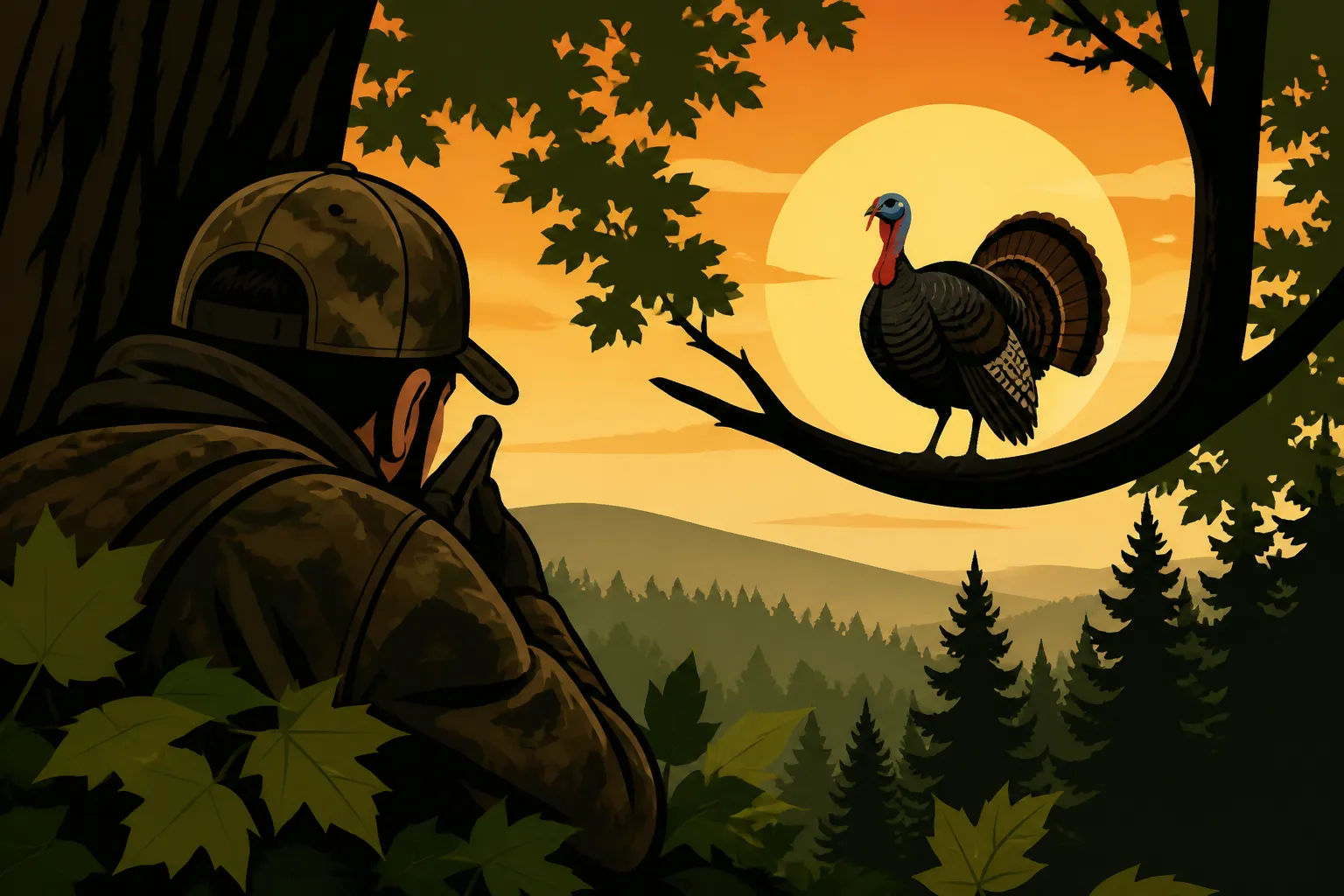
Roost Hunting Wisconsin Gobblers
There's nothing quite like the heart-stopping moment before dawn, shrouded in the cool, crisp air of a Wisconsin spring, listening intently for that first thunderous gobble from a bird still perched in its tree. The frustration, however, often sets in when you've done all the scouting, crept into position, and then the gobbler either flies down the wrong way, goes silent, or just never commits. This guide is all about demystifying the art and science of roost hunting Wisconsin gobblers, helping you navigate these challenges and put a strutting tom within range.
Understanding Roost Hunting Fundamentals
Roost hunting is arguably one of the most exciting and strategic ways to pursue wild turkeys in Wisconsin. It's built around the intimate knowledge of a turkey's evening and morning routines, capitalizing on their predictable behavior of returning to the same general area to roost at night and fly down at first light.
The Concept of Roosting Behavior
Wild turkeys, especially gobblers, seek high ground or tall trees to roost in for the night, primarily as a defense mechanism against ground predators like coyotes, foxes, and bobcats. They'll typically fly up to their chosen perch an hour or so before dark and then fly down shortly after first light. This predictable pattern offers a unique window of opportunity for hunters. Understanding this behavior is critical; it’s not just about finding a turkey, it’s about understanding why they are there and what they will do next.
In Wisconsin's diverse landscapes, whether you're in the rolling hills of the Driftless Area or the sprawling hardwoods of the Northwoods, turkeys will choose prominent trees. Often, these are mature oaks, pines, or even tall aspens that provide clear flight paths and good visibility. They prefer areas near reliable food sources or watering holes, which they'll head to soon after flying down. Knowing this helps you predict not just where they'll fly up, but where they'll likely land and what direction they'll typically move in once their feet hit the ground. The key is to be in position, undetected, to intercept them or call them in as they descend or shortly after.
Advantages of Morning Roost Hunts
The primary advantage of a morning roost hunt is the turkey's vocal nature while still on the limb. Gobblers, full of vigor and establishing their dominance, will often gobble repeatedly from their roost tree, especially as daylight approaches. This provides an excellent locator for hunters who have done their homework. You know exactly where the bird is. This precision in locating means you can plan your approach with remarkable accuracy, aiming to set up within calling distance before the bird even considers flying down.
Another significant benefit is exploiting the turkey's vulnerability during the brief period between flying off the roost and hitting the ground. They are disoriented for a moment, focused on their descent, and often eager to start their day. This is when a well-placed decoy or a subtle call can be incredibly effective. By positioning yourself strategically, you're trying to be the first hen he sees or hears when his feet touch down. This is also often the period of highest activity before they start to become "henned up" or wary from increased pressure as the morning progresses. This fleeting window is often your best chance for a successful encounter, especially during an Hunting an Early Wisconsin Turkey Period.
Scouting for Roosted Gobblers
Successful roost hunting hinges almost entirely on meticulous scouting. You can't just stumble into a perfect roost setup; it requires intentional effort, observation, and often, a little help from technology.
Pre-Season Locating
Pre-season scouting is about gathering intelligence without putting undue pressure on the birds. Long before the season opens, you should be out in your chosen hunting areas, looking for signs of turkey activity. This includes looking for tracks in mud or snow, droppings, feather piles, and dusting bowls. Pay particular attention to large, mature trees on ridge tops, near field edges, or along river bottoms – these are prime roosting locations. Using a mapping app like GoHunt can be invaluable here. Its satellite imagery and topographic maps allow you to identify potential roost trees and travel corridors from the comfort of your home, saving you countless miles of walking.
Beyond visual signs, listening is paramount. Drive or walk through your desired hunting grounds during the evening and morning hours, about a week or two before the season. Listen for gobblers sounding off before they fly up to roost in the evening, and again just before they fly down in the morning. This gives you a baseline of where birds are generally active. Remember, consistency is key; a bird that gobbles from the same general area multiple evenings in a row is a strong candidate for a roost hunt. You might be surprised at how much you can learn about Wisconsin Turkey Population Trends just by listening.
Evening Listen-Ins
The evening "listen-in" is perhaps the most critical component of roost hunting. This involves heading out to your chosen area an hour or two before sunset. Your goal is simple: locate a gobbler flying up to roost. Position yourself in a strategic spot where you can hear well but remain undetected, typically an elevated point or a clearing. As daylight fades, begin using an owl hooter or a crow call periodically. These "shock calls" often provoke a "shock gobble" from a bird already on the roost or one considering flying up. The sound will echo through the woods, giving you a clear direction to the bird.
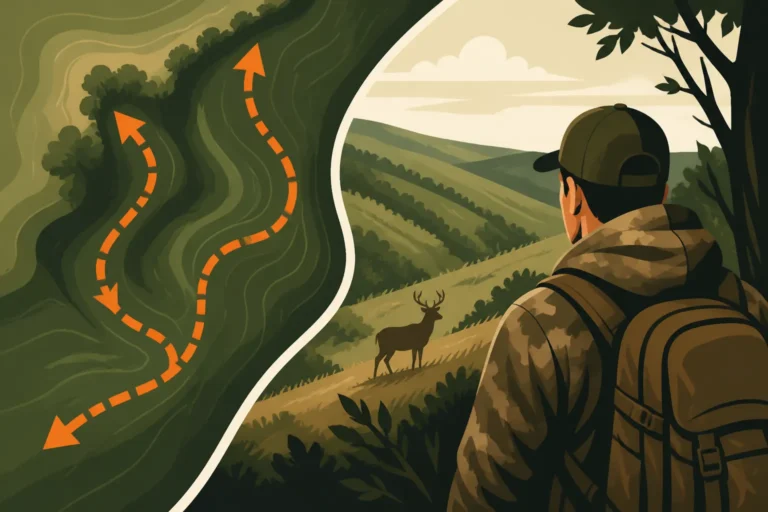
Once you get a gobble, mark its location precisely on your map. This is where a good GPS unit or a reliable hunting app like GoHunt becomes indispensable. Note the exact tree or cluster of trees if possible, and mentally (or physically) map out the quietest, most direct route to get within optimal calling distance (typically 100-200 yards) before first light the next morning. It’s a delicate balance: you want to be close enough to call but not so close that you risk bumping the bird when you sneak in the dark. Always consider the terrain; if you're Hunting Wisconsin Coulees and Ridge Tops, understanding how sound travels and where birds prefer to fly up is crucial.
Using Technology for Scouting
Modern technology has revolutionized turkey scouting. Beyond the aforementioned mapping apps, which allow you to pinpoint potential roost sites, analyze terrain features, and mark specific trees, trail cameras can also play a role, albeit a more limited one for roost hunting specifically. While they won't tell you where a bird roosted last night, they can confirm general areas of activity, travel patterns, and help identify specific gobblers.
Another valuable tool is simply your phone. Recording the exact time and location of gobblers on previous hunts or scouting trips can create a database of patterns. Some hunters even use specialized apps to track lunar phases and weather conditions, believing these factors influence turkey vocalization and roosting habits. However, remember that no technology replaces boots on the ground and keen observation. The best map in the world is useless if you haven't put in the time to interpret what you're seeing and hearing. When you're trying to figure out Where Wisconsin Gobblers Roost, a combination of high-tech and old-fashioned woodsmanship is often the winning ticket.
Tactics for a Successful Roost Hunt
Once you've located a roosted gobbler, the real game begins. Your morning approach and setup are critical to success, demanding stealth, patience, and a nuanced understanding of turkey behavior.
Setting Up Before Daylight
Your approach to the roost site must be silent and carefully planned. Before you even leave your truck, review your marked location and planned entry route. Visualize every step. Aim to arrive at your setup location at least 45 minutes to an hour before legal shooting light. This allows you to settle in, arrange your gear, and let the woods calm down after your disturbance.
Choose a setup location that offers good concealment, a clear view of where you expect the bird to fly down, and a safe shooting lane. Often, this means setting up against a large tree, preferably one wider than your shoulders, with good cover in front of and around you. Remember to position yourself so that the gobbler, if it flies down as expected, will be facing away from you when it lands, presenting a more ethical shot. Consider setting up 100-150 yards from the roost tree. Too close, and you risk being spotted during the fly-down; too far, and your calls might not be as enticing. If you're on public land, always be mindful of other hunters. For detailed advice on this, check out our guide on Setting Up Against a Big Oak.
Strategic Calling from the Roost
Once settled, resist the urge to call immediately. Let the natural chorus of the awakening woods begin. Turkeys often gobble on their own from the roost. Listen to their cadence and volume. Your first calls should be soft, subtle tree yelps or purrs, mimicking a hen just waking up on the limb herself. This can be incredibly effective at enticing a gobbler still in the tree. Avoid aggressive calling while the bird is still roosted; you don't want to make him suspicious or make him "hang up" on the limb, thinking the hen will come to him.
As legal shooting light approaches, and if the gobbler is still on the roost and vocalizing, you can increase the intensity of your calls slightly. A few contented clucks and purrs, perhaps followed by a soft yelp, can often be all it takes to convince him to fly down in your direction. The goal is to make him believe a receptive hen is waiting just beneath his tree. Pay close attention to his responses; adjust your calling volume and cadence based on how he reacts. Sometimes, less is truly more.
Dealing with Fly-Down and Post-Fly-Down
The moment a gobbler flies down is a critical juncture. Many hunters make the mistake of calling too much or moving too soon. When he flies down, often with a loud wing beat, go silent. He's looking for the hen he heard. If you've placed a decoy, he'll likely be scanning for it. If you haven't, he'll be looking for any movement.
Once he's on the ground, give him a few minutes to get his bearings. Then, with soft clucks and purrs, try to draw him in. If he's already headed your way or looking in your direction, stay completely still. If he's moving away or hesitant, a well-timed yelp or cut can sometimes turn him around. Be prepared for him to circle wide or approach from an unexpected angle. Always be ready to adjust your body position slowly and silently to take a shot. Remember, turkeys have incredible eyesight, and any sudden movement will often send them running or flying. Often, a gobbler will land and then move quickly towards hens he hears or sees, so the window for a shot can be short.
Challenges and Adaptations in Roost Hunting
Roost hunting is rarely as simple as it sounds on paper. Turkeys are wild animals, and they have a knack for doing the exact opposite of what you expect. Being able to adapt is key to success.
Dealing with Hung-Up Birds
The "hung-up" gobbler is the bane of many turkey hunters. This happens when a gobbler, typically still on the roost or having just flown down, gobbles furiously but refuses to commit and come into range. He might stay on a ridge just out of sight, or just out of comfortable shooting distance, expecting the "hen" to come to him. This is a common tactic, especially for dominant toms.
When faced with a hung-up bird, patience is your first line of defense. Reduce your calling volume and frequency, perhaps just a soft cluck or purr every 10-15 minutes. Sometimes, silence is the best call. If he continues to gobble but won't move, you have a few options. One tactic is to "play hard to get"—stop calling entirely. This can sometimes make him nervous that the hen has left, prompting him to investigate. Another strategy, if the terrain allows, is to try a subtle, slow move to reposition yourself, perhaps circling widely to get ahead of him or to a better calling position. This is risky and requires extreme stealth. In some cases, a well-placed decoy, especially a jake or breeding hen decoy, can provide just enough visual stimulation to pull him over that final invisible line. Remember, sometimes a hung-up bird is simply too far, and no amount of calling will bring him closer to your initial setup.
Handling Multiple Gobblers
While having multiple gobblers responding to your calls might seem like a dream scenario, it can quickly turn into a headache. When several toms are roosted together or flying down nearby, they often have their own pecking order and might try to dominate each other rather than focusing on your calls. They might also "herd" real hens away from your setup.
The challenge here is that multiple birds introduce more eyes and ears to detect your presence. If you're targeting a dominant gobbler, he might be surrounded by subordinate jakes or other toms. Your best bet is to remain patient and focus your calling on the most dominant gobbler if you can identify him. If they are all together, try to entice them into a small clearing or open area where you can pick out your target without spooking the others. Sometimes, using a jake decoy can draw in a dominant gobbler who wants to challenge the intruder, but it can also deter more wary birds. It's a gamble. Observe their interactions, and be prepared for them to break into separate groups once they hit the ground. Having multiple birds also means more potential for one to spot your Decoy Placement for Pressured Birds, so ensure your setup is flawless.
Weather's Impact on Roosting
Wisconsin weather is notoriously unpredictable, especially in spring, and it can significantly impact turkey behavior. Cold, wet, or windy conditions can make roost hunting much more challenging. Turkeys tend to be less vocal on cold, windy mornings. The wind can also make it difficult for you to hear them and for them to hear your calls.
In these conditions, adjust your expectations and tactics. If it's very windy, try to find a setup location that offers some protection from the wind, like a leeward slope or a thick stand of pines, where sounds might carry better. You might need to call a bit louder, but still maintain realism. On rainy mornings, turkeys often remain on the roost longer than usual or fly down directly into open fields to dry off. If rain is a factor, focus your setup near field edges or openings where they might seek refuge. On exceptionally cold mornings, their focus might be more on finding food quickly rather than breeding, so setting up near known food sources can be more productive. Always check the forecast and dress appropriately; shivering in your stand won't help your stealth. Our guide on Wisconsin Spring Turkey Zones and Periods offers more insights into typical spring weather patterns.
Safety and Ethics in Roost Hunting
Hunting, especially in the pre-dawn hours, always carries inherent risks. Ethical considerations and safety practices are paramount when roost hunting Wisconsin gobblers.
Public vs. Private Land Considerations
Wisconsin offers a fantastic amount of public hunting land, including state forests, wildlife areas, and even managed forest law lands. However, roost hunting on public land comes with its own set of challenges, primarily increased hunter pressure. Other hunters might have scouted the same bird, or might be walking in at the same time. This means you need to be extra vigilant about identifying your target and knowing what's beyond it.
On public land, always assume other hunters are present. Never set up directly under a roosted bird, as another hunter might be trying to approach from a different direction. Use your mapping app, like GoHunt or the Wisconsin Hunt Wild App, to identify property lines and potential access points for other hunters. Being the first one in the woods doesn't guarantee you the bird, but it does allow you to choose your setup with less pressure.
When hunting private land, ensure you have explicit permission from the landowner, preferably in writing. Even with permission, respect the landowner's property and wishes. Private land often means less pressure, but safety rules remain universal. Always be aware of dwellings, livestock, and other people in the area.
Hunter Orange and Safe Zones of Fire
While Wisconsin requires blaze orange or fluorescent pink during the gun deer seasons, it's not mandated for spring turkey hunting, with the exception of specific state park hunts or when crossing certain areas. However, many turkey hunters choose to wear a blaze orange or pink hat or vest while walking to and from their setup in the dark, then remove it once settled. This is a smart safety precaution, especially on public land. Just be sure to tuck it away where it won't be seen by approaching birds.
Once you are set up, your absolute priority is target identification. Never shoot at sound or movement. Always wait until you can clearly see the entire bird and identify it as a legal tom. Be sure of your target and what's beyond it. Imagine a 360-degree safe zone of fire around your position. Before you ever bring your gun up, scan for any obstacles or potential dangers. If you're using decoys, place them in an open area where you have a clear shot and where they won't obstruct your view of an approaching gobbler. Remember that when Turkey Tactics for Driftless Farm Edges are employed, you might be closer to roads or buildings, so extra caution is needed.
Post-Roost Hunt Strategies
Even with the best scouting and execution, sometimes a roost hunt just doesn't pan out. A gobbler might fly down the wrong way, get "henned up" with real hens, or simply go silent. Don't throw in the towel! The morning is still young, and adaptable hunters can often salvage the day.
When the Roost Hunt Fails
It happens to the best of us: you've crept in, set up perfectly, and the gobbler decides to fly down behind you, or worse, he pitches down and immediately disappears with a group of real hens. When your primary roost hunt fails, the first step is to assess why. Did you spook him? Did he have hens waiting? Was the wind a factor? This assessment will help you for future hunts.
After the initial attempt, don't immediately pack up. Give the area about an hour of silence after the birds have dispersed. Sometimes, a satellite gobbler might still be in the area, or the hens might move off, leaving the tom alone and callable later. If you believe the bird has moved a significant distance, you have two main options: try to relocate him, or transition to a different hunting method. You might try walking and calling, using more aggressive locator calls, or setting up in a different location known for mid-morning activity. Knowing When Wisconsin Gobblers Go Quiet can help you decide if it's worth sticking around or moving on.
Transitioning to Run-and-Gun
If the roost hunt fizzles out, or the birds are simply too pressured to come in, it's time to switch gears. This is where the "run-and-gun" method comes into its own. Instead of staying put, you become an active hunter, covering ground, listening for gobblers, and setting up quickly when you hear a response.
To execute a successful run-and-gun, you'll need to move efficiently and quietly through your hunting area. Focus on terrain features that turkeys often use for travel, such as logging roads, field edges, ridge lines, and creek bottoms. Stop frequently, use a locator call (crow, owl, or even a loud, sharp yelp), and listen for a gobble. As soon as you hear a response, assess the situation, quickly move to a good setup position (often within 100 yards), and begin your calling sequence. This dynamic approach allows you to cover more ground and potentially find less-pressured birds. Carrying a lightweight vest, minimal calls, and being ready to move at a moment's notice are key components of Run-and-Gun Turkey Tactics on Public Land. Remember, sometimes the most successful hunts are the ones where you adapt to what the turkeys are doing, rather than stubbornly sticking to a plan that isn't working.
| Roost Hunting Pros | Roost Hunting Cons |
|---|---|
| High Confidence: You know exactly where a gobbler is located. | Early Morning Commitment: Requires pre-dawn entry, often in the dark. |
| Prime Vocalization: Turkeys are often most vocal on the roost. | High Pressure: Other hunters may target the same bird on public land. |
| Predictable Behavior: Turkeys fly down around first light, offering a window. | Hung-Up Birds: Gobblers may stay just out of range, expecting hens to come. |
| First Opportunity: Can intercept birds before they get "henned up" or wary. | Weather Dependent: Cold, windy, or rainy conditions can make birds less vocal. |
| Strategic Setup: Allows for careful positioning and decoy placement. | Difficult Recovery: Shot birds may sail or run, making recovery challenging in heavy cover. |
Disclaimer
Hunting is an inherently dangerous activity. Always prioritize safety, follow all local and state regulations, and obtain proper licenses and permits before heading into the field. The information provided in this guide is for informational purposes only and should not be considered a substitute for professional instruction or direct experience. Always scout your hunting area thoroughly and be aware of your surroundings, including other hunters.