Flushing Grouse Without a Dog
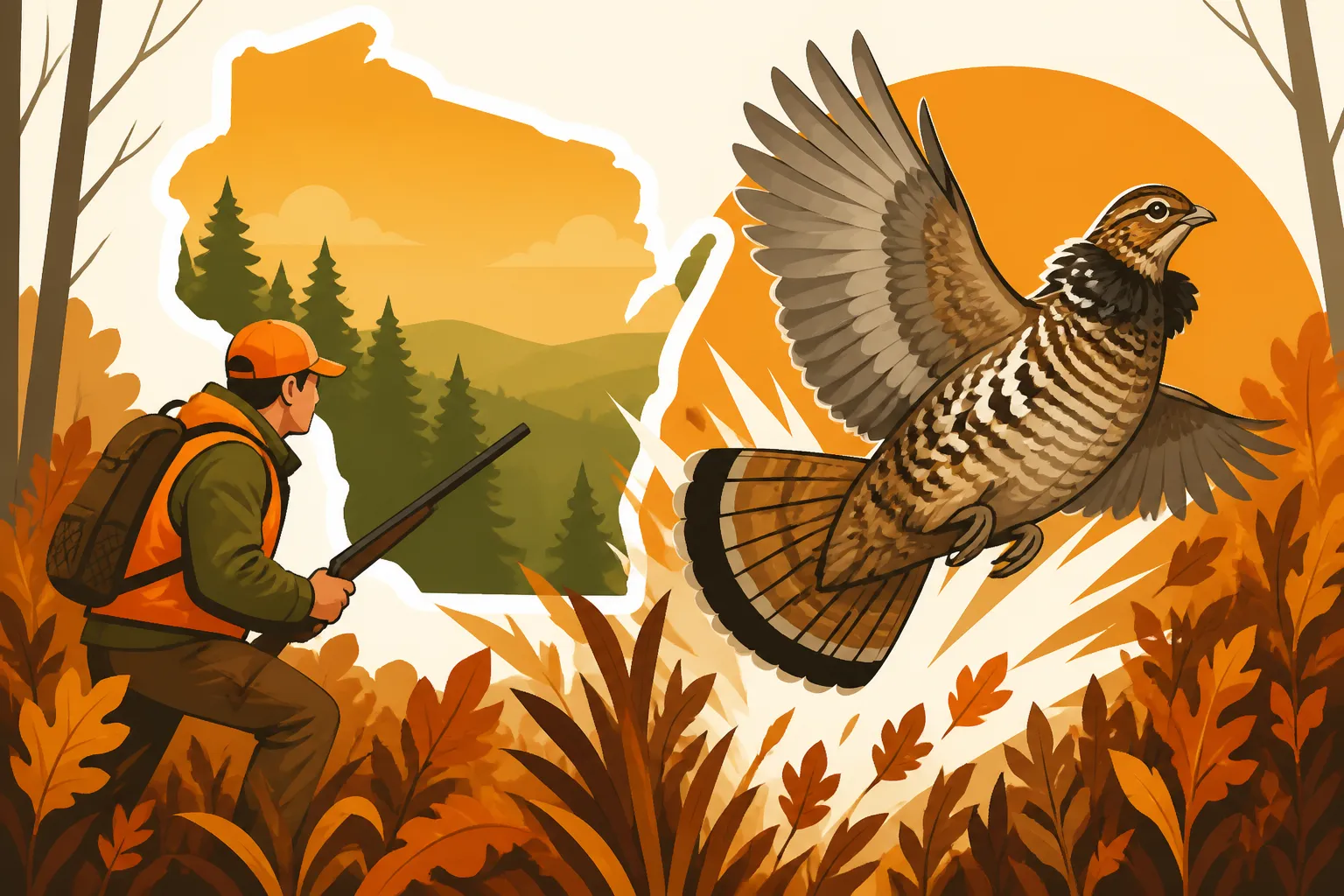
For many Wisconsin upland hunters, the thought of pursuing ruffed grouse conjures images of an energetic bird dog quartering through thick cover, nose to the ground, eventually locking up on point. But what if you don't have a canine partner? The frustration is real: grouse are notoriously tricky birds, often holding so tight you almost step on them, only to explode out of the brush when you least expect it, making an already challenging shot even harder. This guide is for the determined hunter who wants to successfully flush and harvest ruffed grouse in Wisconsin without the aid of a dog, offering practical strategies and insights to help you fill your vest.
Understanding Ruffed Grouse Behavior Without a Canine Partner
Successfully hunting ruffed grouse without a dog in Wisconsin requires a deep understanding of these birds' habits and how they react to human presence. Without a dog to pinpoint their location, you become the primary flushing mechanism, and knowing when and where they're likely to flush is half the battle.
Why Grouse Hold Tight or Flush Wildly
Ruffed grouse are masters of camouflage and deception. Their mottled brown, black, and white plumage blends seamlessly into the dappled light of the forest floor, making them incredibly difficult to spot even when they're just feet away. This natural camouflage is their primary defense mechanism, leading them to "hold tight" – remaining perfectly still, relying on their invisibility. They often wait until the last possible second, when you're practically on top of them, before bursting into flight. This can be startling, especially in dense cover, and often leads to missed shots as you recover from the surprise. Conversely, sometimes they'll flush "wildly" – taking flight at a greater distance, perhaps sensing your approach or feeling too exposed. This often happens in more open timber or when they've been pressured. The key is to anticipate both scenarios and adjust your approach accordingly. The frustration comes from this unpredictability; one moment they're invisible, the next they're a blur disappearing into the timber.
Reading the Habitat for Grouse Activity
To flush grouse consistently, you need to be in the right habitat. Wisconsin is blessed with diverse landscapes, and certain areas are absolute magnets for ruffed grouse. These birds thrive in young, regenerating forest stands, particularly those dominated by aspen or alder thickets. Look for areas that have been clear-cut 8-20 years ago; this creates the dense, multi-layered cover that grouse rely on for protection from predators and the elements. You'll often find them along the edges of these clearcuts, especially where they transition into more mature timber. Beyond aspen, grouse also frequent conifer swamps, particularly spruce and balsam fir, which provide thermal cover in colder months and offer excellent refuge. Look for areas with a mix of food sources like clover, berries (such as thornapple, dogwood, and hawthorn), and a good supply of catkins from birch and aspen. Tools like the Wisconsin DNR's public land maps or detailed mapping software from services like GoHunt can be incredibly helpful for identifying potential grouse hotspots with the right habitat characteristics. When you're scouting, keep an eye out for telltale signs like droppings, dusting bowls, or even feathers. Knowing Why Aspen Cuts Grow Grouse can significantly improve your success rates.
Strategic Walking and Movement Patterns
Without a dog's nose to guide you, your walking strategy becomes your most important tool for flushing grouse. This isn't a leisurely stroll; it's a deliberate, calculated movement designed to put birds in the air within shooting range.
The "Stop and Go" Technique
The most effective strategy for dog-less grouse hunting is the "stop and go" or "pause and push" technique. Grouse, like many upland birds, get nervous when they hear intermittent movement. When you walk continuously, they often learn your rhythm and simply run ahead or hunker down, letting you pass. But when you walk for a short distance (say, 10-20 yards) and then suddenly stop dead still for 5-10 seconds, you create uncertainty. That sudden silence often spooks a bird that thought it had your measure, prompting it to flush. During these pauses, be absolutely vigilant. Scan the brush, listen intently, and have your gun ready. Many flushes occur just as you stop or within a second or two of resuming movement. Practice this rhythm until it becomes second nature. It takes discipline to stop when you want to keep moving, but it’s incredibly effective. This method really plays on the grouse’s instinct to either freeze or flee.
Utilizing Natural Barriers and Topography
Understanding how grouse use the terrain to their advantage can also help you predict their movements and funnel them into shooting lanes. Grouse often prefer to flush uphill, using the incline to gain altitude quickly. If you're walking along a hillside, try to walk parallel to the contour or slightly below it, pushing birds upwards. They also love to stick to dense cover edges, like where an aspen cut meets a swamp, or along old logging roads and overgrown creek bottoms. These act as natural travel corridors and provide quick escape routes. By walking into these dense edges, or slightly offset from them, you can increase your chances of flushing a bird. Pay attention to how the wind is blowing, too. While not as critical as with deer, hunting into a light breeze can help carry your scent away from the birds, potentially allowing you to get closer before a flush. Knowing how to Hunt a Funnel Between Two Swamps or focus on transition areas can lead to more opportunities.
Gear and Tactics for Dog-less Grouse Hunters
The right gear won't make the birds appear, but it will make your hunt more comfortable, safer, and increase your chances of connecting when a bird does flush.
Shotgun and Ammunition Choices
For flushing grouse without a dog, a fast-handling, lightweight shotgun is paramount. You'll be walking through dense cover, often with the gun at the ready, and when a bird explodes, you'll need to swing and shoot in a fraction of a second. Many successful grouse hunters prefer a 20-gauge or even a 28-gauge for its lighter weight and quicker maneuverability compared to a 12-gauge, especially when traversing tight alder runs and young aspen stands. A shorter barrel, typically 26 inches or less, also aids in quick swings through thick brush. Open chokes, like improved cylinder or skeet, are generally favored. Most shots at flushing grouse are close-range – often 15-25 yards – and a wide pattern increases your chances of hitting a fast-moving bird. For ammunition, standard lead game loads in shot sizes 7.5 or 8 are excellent choices. While you might want to look into Shotgun Gauge Choice for Wisconsin Grouse and Choke Choice for Fast Flushes for more specific guidance, remember that the most important factor is being comfortable and proficient with your chosen setup.
Dressing for the Cover and Weather
Hunting grouse in Wisconsin often means slogging through wet, thorny, and often snow-covered terrain. Your clothing needs to be durable, comfortable, and provide protection from the elements and the brush. Brush pants or chaps are an absolute must to protect your legs from briars, thorns, and wet foliage. Look for options made from tough, water-resistant fabrics like waxed canvas or heavy nylon. Layering is key for upper body comfort, allowing you to shed layers as you warm up from walking and add them back during colder pauses. A good upland vest with plenty of game bag space and shell loops is indispensable. Brands like Filson or Orvis offer quality gear designed for this type of hunting, but many other reputable outdoor brands will serve you well. Speaking of layers, moisture-wicking base layers, a fleece or wool mid-layer, and a quiet, waterproof outer shell are ideal. Sturdy, waterproof boots with good ankle support are also critical for navigating uneven ground and keeping your feet dry in damp conditions. Consider whether you need Upland Vests With Water Capacity or the best Boots for Walking Wisconsin Aspen Cuts before your hunt. Always remember to wear blaze orange or pink according to Wisconsin regulations for safety, even during archery season if you're out chasing birds during the overlap.
Maximizing Your Chances: Post-Flush and Scouting Tips
Even with the best techniques, grouse hunting without a dog is a game of persistence and learning. What you do after a flush, and how you prepare beforehand, can greatly impact your overall success.
Marking the Flush and Follow-Up
When a grouse flushes, it can be a whirlwind of sound and motion. Your first priority is to try and get a shot, but if you miss, or if the bird flushes out of range, resist the urge to immediately run after it. Instead, mentally (or even physically, with a small marker) mark the exact spot where the bird flushed from and the direction it flew. Grouse rarely fly more than 100-200 yards, often pitching down into the densest cover they can find. Give it a few minutes, perhaps 5-10, for the bird to settle down. Then, approach the area where you last saw it land, using the same "stop and go" technique. This patience often rewards you with a second flushing opportunity. It's a common mistake for new hunters to charge in, only to push the bird even further away. Learning to effectively track and pursue these birds is a skill that comes with experience.
Scouting for Prime Grouse Cover
Pre-season scouting is crucial for any hunting, but it's especially vital when you're dog-less. Before the season even begins, spend time walking potential areas without a gun. Look for the habitat characteristics mentioned earlier: young aspen stands, alder thickets, and areas with good food sources. Identify game trails, logging roads, and creek bottoms that could serve as travel corridors. Pay attention to drumming logs – downed trees that male grouse use as a stage to attract mates in the spring. Even if you're not hunting during the spring, these logs indicate consistent grouse presence in the area. Utilize satellite imagery on mapping apps like GoHunt or the DNR's Hunt Wild Wisconsin app to identify clearcuts and dense cover areas from above. These tools can help you plan your routes and maximize your time in productive zones, rather than aimlessly wandering. Understanding How Old a Cut Should Be for Grouse or checking Wisconsin Grouse Drumming Surveys can give you a significant advantage in finding productive areas. The more you scout, the better you'll understand the local grouse populations and their preferred hideouts.
| Flushing Technique | Description | Ideal Scenario | Pros | Cons |
|---|---|---|---|---|
| Stop and Go | Walk 10-20 yards, stop for 5-10 seconds, scan, then repeat. | Dense cover, young aspen, alder thickets. | Exploits grouse's nerves, increases close flushes. | Requires patience, can be tiring. |
| Parallel Push | Walk parallel to a known travel corridor or dense edge. | Edges of clearcuts, logging roads, creek bottoms. | Funnels birds, makes predicting flush direction easier. | Might miss birds holding deeper in cover. |
| Zig-Zag Pattern | Walk in an irregular, zig-zag path through cover. | Moderate density cover with scattered islands of brush. | Covers more ground, mimics natural predator movement. | Can be disorienting, harder to maintain gun-ready position. |
| Working Uphill | Always try to approach slopes from below, pushing birds upwards. | Hilly or rolling terrain, especially in the Driftless Area. | Grouse tend to flush uphill, offering clearer shots. | More physically demanding. |
Disclaimer
Hunting is an inherently dangerous activity. Always prioritize safety, understand and follow all Wisconsin hunting regulations, wear appropriate blaze orange or pink, and be aware of your surroundings and hunting companions at all times. This guide provides informational strategies and does not guarantee success or replace proper hunter safety education.