Finding Woodcock in Alder Runs
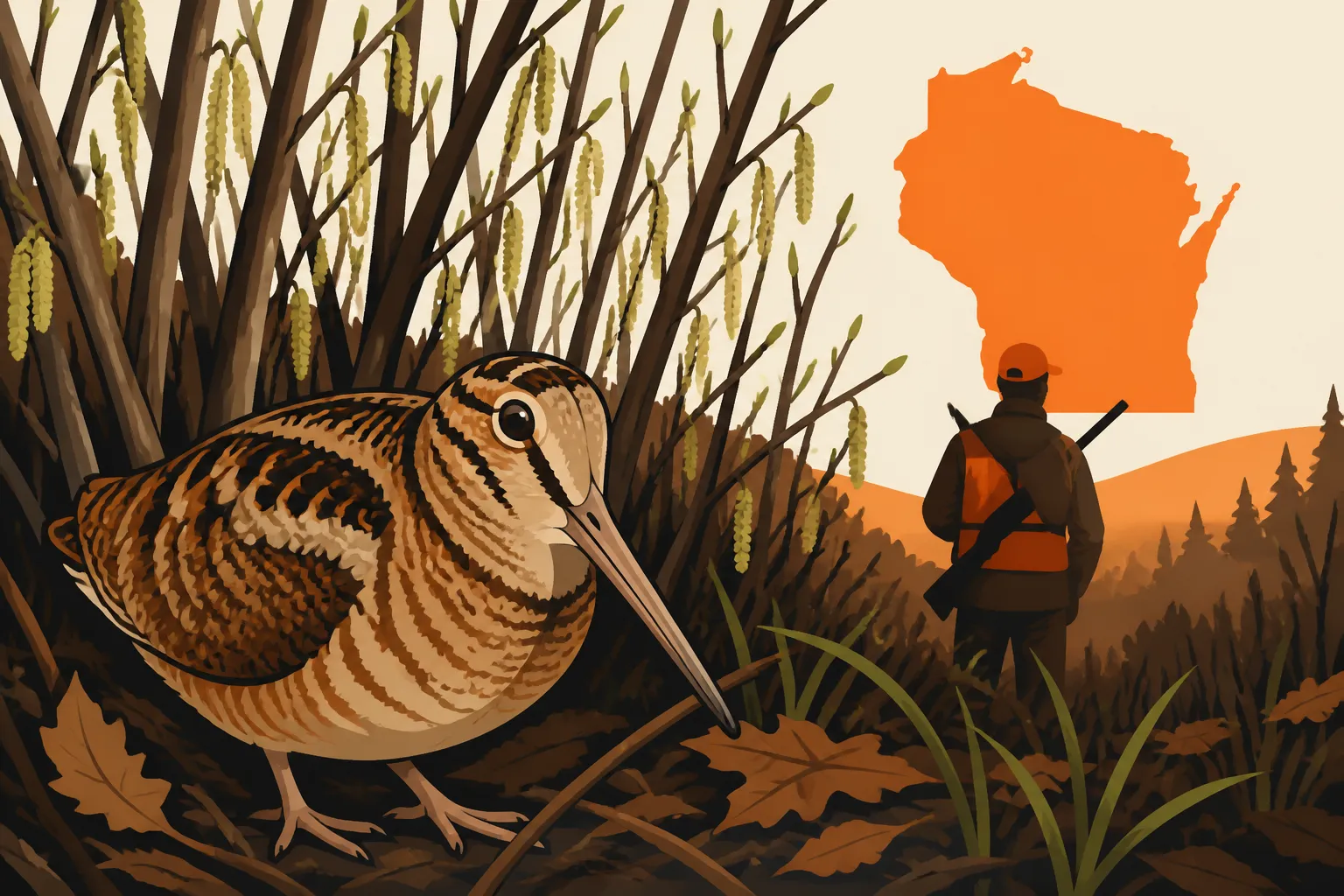
Walking through thick cover, hearing the rustle of leaves, and hoping for the explosive flush of a timberdoodle can be incredibly frustrating when you're just not finding them. It feels like you're in the right habitat, but the birds are just not there. This guide is here to cut through that frustration, diving deep into the specific details of finding woodcock in Wisconsin's often overlooked, but highly productive, alder runs. We'll explore why these areas are prime real estate for woodcock and exactly how you can pinpoint them for a successful hunt.
Understanding Woodcock Habitat: Why Alder Runs?
If you're serious about hunting woodcock in Wisconsin, you've got to understand their preferred real estate. These enigmatic little birds aren't just anywhere in the woods; they're incredibly particular about their surroundings. And when you're talking about prime woodcock habitat in our state, alder runs often rise to the top of the list. It's not just a random coincidence; there are very specific reasons why these dense, often wet, thickets are so irresistible to timberdoodles.
The Ideal Microclimate of Alder Thickets
Alder thickets create a unique microclimate that is absolutely perfect for woodcock. Think about it: these aren't your open hardwoods or dry pine plantations. Alders typically grow in low-lying, often damp areas, creating a dense canopy that provides significant shade and keeps the ground moist. This consistent moisture is key. Woodcock need soft, pliable soil to probe with their long bills, searching for earthworms, their primary food source. When the sun bakes drier areas, the ground becomes too hard for them to feed efficiently.
Furthermore, the dense branching structure of alders offers superb cover from avian predators like hawks and owls. A woodcock, with its mottled brown plumage, can virtually disappear into the shadows and tangles of an alder stand, making it incredibly difficult for a predator to spot them. This combination of protective cover and a consistently moist, soft feeding ground makes alder runs an essential part of the woodcock's daily life, from feeding to loafing in between flights. Without this specific environment, woodcock simply won't stick around, making understanding this microclimate paramount to finding them.
Soil Preferences and Invertebrate Abundance
It all comes down to food, and for woodcock, that means earthworms. And earthworms, in turn, depend heavily on the right soil conditions. Alder runs are typically characterized by rich, loamy, and often acidic soils that retain moisture exceptionally well. This creates a thriving ecosystem for a diverse range of invertebrates, especially earthworms. A good alder run usually has soil that feels almost spongy underfoot, often dark and rich with organic matter.
You won't find woodcock consistently in sandy, well-drained uplands because those soils dry out too quickly and don't support the dense populations of earthworms they require. These birds are literally built for probing, with specialized bills and eyes set high on their heads, allowing them to watch for danger while their heads are buried in the soil. Without abundant, easily accessible worms, a woodcock has no reason to be there. So, when you're evaluating a potential hunting spot, always get a feel for the soil. If it's hard and dry, keep moving. If it's soft and moist, you're likely in the right neighborhood. Understanding this link between soil, invertebrates, and woodcock feeding is a critical piece of the puzzle for "Finding Woodcock in Alder Runs".
Water Sources and Migration Corridors
Alder runs are almost always found adjacent to or within close proximity to reliable water sources. This isn't just about soil moisture, though that's certainly a factor. Woodcock, especially during their migratory periods, utilize riparian corridors – the areas along rivers, streams, and wetland edges – as natural highways. These linear stretches of suitable habitat provide both feeding grounds and a safe pathway for them to travel. In Wisconsin, you'll often find these alder strongholds along small creeks, sluggish streams, and the edges of larger marshes and beaver flows.
During their spring and fall migrations, woodcock will "stage" in these areas, resting and feeding to fuel their long journeys. For hunters looking to capitalize on the annual "flight," these corridors are gold mines. Focusing your efforts along these watery veins, particularly during peak migration, can dramatically increase your success. Thinking about the broader landscape and how these alder runs connect to larger bodies of water or other suitable habitats, as you might when scouting for "Wisconsin Waterfowl Hunting on Marsh and River", is a smart approach. Using mapping tools like the GoHunt app can help you visualize these connections and identify potential migration funnels.
Scouting for Productive Alder Runs in Wisconsin
Finding the actual birds requires more than just knowing they like alder. It means putting in the time to scout, both from your armchair and with boots on the ground. Wisconsin is blessed with abundant public lands, from county forests to state wildlife areas, that hold excellent woodcock potential, but not every alder thicket is created equal. Knowing how to efficiently locate and assess these areas will save you a lot of legwork and frustration.
Identifying Prime Locations with Maps and Technology
Before you even tie your boots, modern technology can be your best friend in narrowing down promising woodcock cover. Online mapping tools, especially those with aerial imagery and topographic overlays, are invaluable. Look for areas marked as wetlands, swamps, or lowlands that also show dense, brushy cover. Alder will often appear as a uniform, bright green texture on aerial photos, distinct from taller hardwoods or conifers.
Here’s a practical breakdown:
- Topographic Maps: Identify areas with minimal elevation change, indicating low-lying, potentially wet ground. Look for contour lines that are far apart.
- Aerial Imagery: Zoom in on green, brushy areas next to water features like creeks, small rivers, or marsh edges. Pay attention to areas that look too dense to be mature timber but aren't open fields. These are often young alders, dogwoods, or willow thickets.
- Public Land Overlays: Use a tool like the GoHunt app or the Wisconsin DNR’s Hunt Wild app to overlay public land boundaries. Focus your initial search on these accessible areas. Don't forget to check county forest lands, which often have excellent, less-pressured habitat.
- Historical Data: If available, check past harvest reports or local knowledge forums. Sometimes, specific townships or management units consistently produce woodcock. While "Wisconsin Woodcock Singing Ground Surveys" are done in spring, their locations can hint at general areas of woodcock presence.
By combining these digital tools, you can highlight several promising alder runs and plan your on-the-ground visits more effectively, eliminating wasted effort in areas unlikely to hold birds.
On-the-Ground Reconnaissance: What to Look For
Once you've identified potential spots on your map, it's time to get out there. The true test of a productive alder run happens when your boots hit the dirt. You're looking for a combination of visual cues and environmental conditions that scream "woodcock heaven."
- Cover Density: The ideal alder run isn't just a few scattered bushes. It's a dense, almost impenetrable thicket, 8-15 feet tall, providing ample overhead cover. This dense canopy also helps keep the ground moist and cool. If it's too open, woodcock will feel exposed.
- Ground Moisture: The soil should be soft, damp, and easy to probe. As mentioned, feel the ground. If it’s muddy, that’s often even better, especially after a period of dry weather elsewhere.
- Young Growth: Woodcock prefer areas with relatively young, regenerating alders and other brushy species. These areas often result from past logging, beaver activity, or natural disturbances that create dense, new growth. Overly mature, sparse alder stands aren't as attractive.
- Edge Habitat: Look for the edges where the alder run transitions into a slightly drier upland, an open field, or a different type of timber. These edges often serve as travel corridors or roosting areas, and can be productive places to focus your efforts, especially in the mornings and evenings.
It's common to find woodcock in the same areas that hold ruffed grouse, so if you're exploring "Grouse and Woodcock Hunting in Wisconsin", you're likely covering some of the same prime territory. The key is to refine your search specifically for the wetter, denser areas that woodcock truly thrive in.
Reading the Sign: Borings, Splashes, and Roosting Sites
Woodcock are incredibly secretive birds, but they leave behind distinct clues that tell you they've been there. Learning to "read the sign" is like finding a treasure map to the timberdoodle. These indicators are absolute proof that woodcock are using the habitat.
Here's what to look for:
- Borings: This is the most obvious sign. Woodcock bore into the soft earth with their long bills to extract earthworms. These borings are small, pencil-sized holes, often clustered together in areas where the soil is rich and moist. They look like someone poked a stick into the ground repeatedly. Fresh borings will be dark around the edges, while older ones might be dried out and less distinct. The more borings you find, the more actively birds are using that spot.
- Splashes: Woodcock droppings, often called "splashes," are another key indicator. They are distinct white-gray splatters, usually about the size of a quarter or a half-dollar, often found on leaves or the forest floor. The white part is uric acid, and the dark center is digested worm material. Fresh splashes will be moist and vibrant; older ones will be duller. Finding an abundance of splashes confirms active feeding or resting.
- Roosting Sites: While harder to pinpoint, woodcock often have preferred night roosting sites. These are typically slightly drier, more open areas adjacent to the dense feeding cover, often in young saplings or low brush. Here, you might find a higher concentration of splashes and perhaps even some soft depressions in the leaves where birds have settled in for the night. Looking for these slightly more open, yet still brushy, areas on the edges of your alder thickets can be very telling.
When you find these signs, especially a combination of fresh borings and splashes, you've hit a productive spot. Mark it on your GoHunt app or GPS, and remember it for your next hunt.
Hunting Strategies for Woodcock in Alder Covers
Once you've done your scouting and found those promising alder runs, it's time to put a strategy together for the actual hunt. Woodcock hunting can be incredibly rewarding, but these birds are tricky, and their habitat is challenging. Having a plan, whether you're working with a dog or going it solo, will significantly improve your chances.
Working with a Bird Dog: The Essential Partner
For many, woodcock hunting is synonymous with working a good bird dog. A well-trained pointing or flushing dog is an invaluable asset, transforming a difficult hunt into an enjoyable and often highly successful outing. The dense, tangled nature of alder runs makes it nearly impossible for a human to effectively locate and flush these camouflaged birds without canine assistance.
- Why a Dog Excels: Woodcock hold incredibly tight, often letting a hunter walk right past them. A dog's superior nose can pick up the scent cone from a holding bird long before you're in range, allowing them to point or flush the bird precisely. This is especially true in the thick cover of an alder run where visibility is minimal.
- The Point: A pointing dog will lock up when it scents a bird, allowing you to walk in, get into position, and prepare for the flush. This is crucial for getting a clean shot in tight quarters. Many breeds, like English Setters, Brittanys, and German Shorthaired Pointers, are excellent woodcock dogs.
- The Flush: Flushing dogs, like Springer Spaniels or Labs, will work the cover, rooting out and flushing birds. While you might not get a distinct point, their activity can put birds in the air that you would have otherwise missed.
- Retrieval: Once you've shot a bird, retrieving it from dense alder can be a nightmare. A good retriever will make short work of finding downed birds, minimizing lost game.
Remember to consider your dog's safety in thick cover. Protect them from thorns and potential hazards, and always keep an eye on them. For those interested in "Bird Dog Gear for Wisconsin Cover", proper vests and GPS collars can be very helpful in these dense environments.
Still-Hunting and Flushing Without a Dog
While a dog is a massive advantage, it's absolutely possible to hunt woodcock successfully without one. This often involves a technique called "still-hunting" or simply "walking them up," and it requires a different approach, focusing on methodical movement and sharp observational skills.
- Slow and Methodical: The key to success without a dog is to move very slowly. Woodcock will hold tight, so you need to give yourself every chance for them to flush within range. Take a few steps, then pause for several seconds, looking and listening intently. Often, a woodcock will flush when you pause, as they perceive your stopped presence as a greater threat.
- Walk in a Grid or Pattern: Don't just wander aimlessly. Try to work the alder run in a systematic pattern, like a grid or zig-zag, to ensure you're covering the ground thoroughly. This helps prevent walking past birds.
- Utilize Edges and Openings: Focus your efforts along the edges of the alder run, where it meets a field, a path, or a slightly more open timber type. Birds might use these transition zones for feeding or moving between cover. Also, any small openings or pockets within the dense alder can be productive.
- Listen for the Flush: Woodcock have a distinctive, whistling flush, often described as a "whistle-wing." Learn to recognize this sound, as it will alert you to a bird you might not have seen immediately. Then, quickly locate the bird and get your shot off.
- Shotgun Choice: For this type of close-quarters hunting, an open-choked shotgun (cylinder or improved cylinder) in 20 or 28 gauge is often preferred, allowing for a wider pattern at short range. For more on appropriate firearms, check out "Upland Guns for Aspen and Alder" or "Shotgun Gauge Choice for Wisconsin Grouse" – the principles apply similarly for woodcock.
It's physically demanding work, pushing through thick brush, so good boots are a must. Just as you'd consider "Boots for Walking Wisconsin Aspen Cuts", ensure you have waterproof, comfortable footwear for the wet conditions of alder runs.
Timing Your Hunt: Peak Migration and Weather Patterns
Timing is everything in woodcock hunting, especially in Wisconsin, where these birds are primarily migrants. While some resident woodcock can be found throughout the season, the true influx comes during the fall migration.
- Peak Migration: The "Timing the Wisconsin Woodcock Flight" is critical. Woodcock typically begin migrating south from Canada and northern states in late September, with peak numbers moving through Wisconsin from early to mid-October. This period, often coinciding with the early pheasant and grouse seasons, is when you'll find the highest concentrations of birds. Keep an eye on weather reports further north; a strong cold front pushing south can trigger a significant "flight" of woodcock into our state.
- Weather Influences:
- Cold Fronts: A significant drop in temperature and accompanying northerly winds can push large numbers of woodcock south rapidly. These are prime times to be in the woods.
- Rain: While heavy rain isn't ideal for hunting, periods of light rain or recent showers can make the soil softer, encouraging woodcock to feed actively in their preferred moist habitats. Conversely, prolonged dry spells can drive birds out of less-ideal alder runs as the soil hardens.
- Frost: The first hard frosts of the season can prompt a mass exodus of woodcock. Once the ground freezes solid, their food source becomes inaccessible, and they will move quickly to warmer climes. So, if you're planning a late-season hunt, make sure the ground hasn't frozen hard yet.
- Time of Day: While woodcock can be found at any time, they are crepuscular, meaning most active at dawn and dusk. Early mornings, when they're leaving their roosts to feed, and late afternoons, as they move towards evening feeding grounds and night roosts, can be particularly productive.
By combining diligent scouting with an understanding of woodcock behavior and migration patterns, you'll be well on your way to a successful hunt in Wisconsin's hidden alder runs.
| Characteristics of Prime Wisconsin Alder Runs for Woodcock |
|---|
| Cover Density |
| Ground Moisture |
| Vegetation Age |
| Proximity to Water |
| Presence of Sign |
| Overall Ecosystem |
Disclaimer
The information provided in this guide is for general informational purposes only and is not intended as legal advice. Hunting regulations, seasons, and licensing requirements in Wisconsin are subject to change. Always consult the official Wisconsin Department of Natural Resources (DNR) regulations and guidelines before planning or engaging in any hunting activities. It is the hunter's responsibility to know and abide by all applicable laws and regulations.