Hunting Cattail Marsh for Ducks
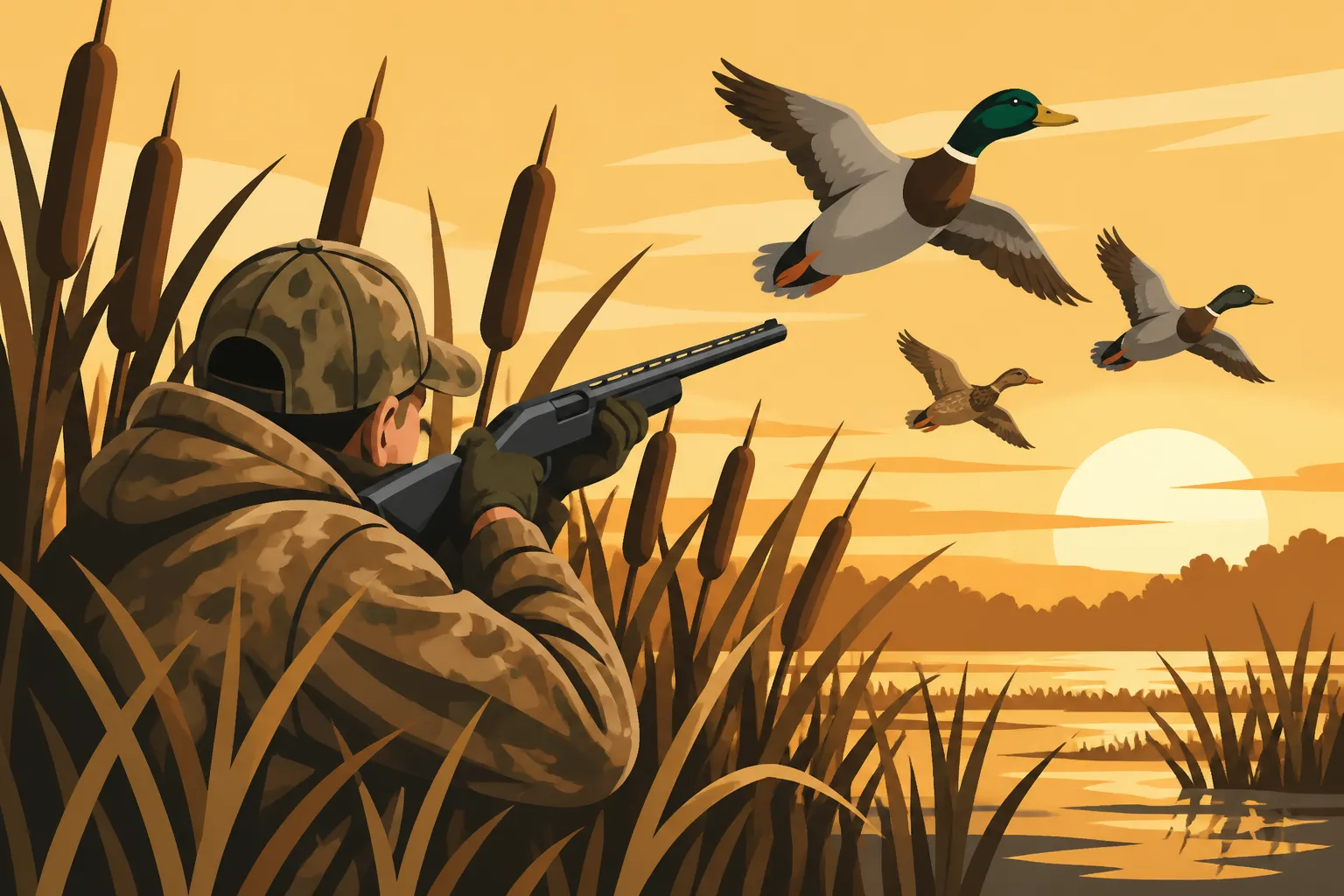
The crisp bite of a Wisconsin autumn morning, the faint rustle of dry cattails, and then, the sudden whistle of wings as a flock of mallards banks over a hidden pocket of water. There’s nothing quite like the experience of duck hunting in a cattail marsh, but let's be honest, it's not for the faint of heart or the unprepared. These sprawling, sometimes impenetrable landscapes can be incredibly frustrating if you don't know how to navigate them effectively. This comprehensive guide is going to walk you through everything you need to know, from understanding the unique marsh ecosystem to setting up your decoys and staying safe, so you can turn those frustrations into successful hunts.
Understanding Cattail Marshes for Waterfowl
Cattail marshes are a distinctive and often overlooked habitat, brimming with life and offering incredible opportunities for waterfowl hunting in Wisconsin. They aren't just patches of reeds; they are complex ecosystems that provide everything a duck needs to thrive, from food and shelter to safe roosting and nesting sites. If you can learn to read these landscapes, you'll unlock some of the state's best hidden hunting gems.
The Ecosystem of a Cattail Marsh
At its core, a cattail marsh is dominated by the tall, cylindrical plants known as cattails, specifically broadleaf cattail (Typha latifolia) and narrowleaf cattail (Typha angustifolia), which can grow upwards of ten feet tall. These plants create an incredibly dense, almost labyrinthine environment, often rooted in mucky, nutrient-rich soil with varying depths of water. What looks like an impenetrable wall from a distance is actually a network of small channels, hidden pools, and slightly elevated hummocks where ducks can find refuge.
Think of it like an aquatic forest. The dense stands of cattails offer unparalleled concealment from predators and other hunters. Beneath the surface, the decaying vegetation and rich mud harbor a treasure trove of aquatic invertebrates – insect larvae, snails, and crustaceans – which are a vital food source for many duck species. Furthermore, the cattails themselves produce seeds, and the marsh often hosts other aquatic vegetation like smartweed, wild rice, and pondweeds, all providing high-energy forage. Understanding this intricate food web is crucial, because where the food is, the ducks will be. These areas are often tucked away, demanding a bit more effort to access, but that effort usually pays off with less hunting pressure.
Key Features Ducks Use for Cover and Food
Ducks utilize various features within a cattail marsh, and identifying these is key to a successful hunt. One of the most important elements is the presence of open water. While cattails offer fantastic cover, ducks need open water to land, feed, and escape quickly. These can be naturally occurring pockets, old muskrat runs, or even areas where ice might have pushed down vegetation in previous winters. These open water "potholes" or "ponds" become natural magnets for birds.
Another critical feature is the varying water depth. Dabbling ducks like mallards, wood ducks, and green-winged teal prefer shallower water where they can tip up to feed on submerged vegetation, seeds, and invertebrates. Divers, while less common in dense cattail marshes, might utilize deeper channels or larger open water bodies adjacent to the cattails. Elevated banks or small islands within the marsh, even if just a foot or two above the water line, offer loafing areas where ducks can rest and preen without swimming. When you're scouting, look for these specific areas: fresh droppings on a muddy bank, oil slicks on the water, or recently disturbed vegetation indicating feeding activity. Often, these subtle signs are your best clues to where the birds are spending their time.
Essential Gear and Setup for Marsh Hunting
Hunting cattail marshes is a different beast than field hunting geese or sitting a river blind. The unique environment demands specific gear choices to ensure both comfort and success. Skimping on the right equipment can turn a promising hunt into a miserable, and potentially dangerous, ordeal.
Waders, Boats, and Decoy Considerations
First and foremost, you absolutely need quality waders for marsh hunting. Forget about hip waders; chest waders are essential. You'll be navigating through varying water depths, thick muck, and submerged obstacles. Neoprene waders offer excellent insulation in cold Wisconsin temperatures, while breathable waders are lighter and more comfortable for early season hunts or if you're doing a lot of walking. Ensure they fit well, allow for layering underneath, and have durable, non-slip boots suitable for mud and uneven terrain. Nobody wants to be cold and wet, miles from the truck.
For getting into those deeper, harder-to-reach pockets, a boat is often indispensable. Small jon boats are popular for their stability and capacity, but a canoe or kayak can offer more maneuverability through tight channels. Some hunters even use specialized layout boats or sneak boats, designed for low profile and excellent concealment. Whatever you choose, make sure it’s suitable for the terrain you'll encounter – think about stability in muck, ability to clear submerged vegetation, and ease of transport. When it comes to decoys, simplicity often wins in a marsh. A dozen or two mallards, maybe a few teal or wood ducks, can be very effective. Use decoy rigs with heavy weights and long lines to account for varying depths and muddy bottoms. Consider adding a jerk string or a spinning-wing decoy like a Mojo to add realistic movement and attract attention. You'll also want to keep your decoy numbers realistic for the size of the open water hole you're hunting.
Shotgun and Ammunition Choices
Your shotgun choice for marsh hunting largely comes down to personal preference, but a reliable 12-gauge or 20-gauge pump or semi-automatic is usually the workhorse. These guns handle recoil well and cycle quickly for follow-up shots. For choke tubes, a modified or improved cylinder is often ideal, as most shots in a marsh are at relatively close ranges, often within 30-40 yards. A more open choke allows for a wider pattern in dense cover, increasing your chances of connecting with fast-flushing birds.
Ammunition is critical. Wisconsin, like all states, requires non-toxic shot for waterfowl hunting. Steel shot is the most common and affordable option, but bismuth and tungsten-based loads offer superior performance, especially at longer ranges, though they come at a higher cost. For typical marsh dabblers like mallards and teal, shot sizes #3 or #4 steel are excellent all-around choices. If you anticipate larger ducks or even a rogue goose, #2 steel can offer more knock-down power. Always make sure your shotgun is patterned with your chosen ammunition and choke combination before heading out. Knowing your effective range is paramount to clean kills and less lost birds in the dense cover. Many hunters like to use services like GoHunt to research ballistic data and compare different non-toxic loads before making their purchase, ensuring they have the most effective ammunition for their specific setup and expected shot distances. You can even find information on what other hunters are successfully using in similar Wisconsin marsh environments.
Tactics for Success in Wisconsin Cattails
Hunting cattail marshes is as much about strategy and stealth as it is about gear. The dense environment means you need to be particularly mindful of how you approach, conceal yourself, and interact with the birds. Mastering these tactics can make all the difference in turning a quiet morning into a memorable hunt.
Scouting and Accessing Prime Spots
Successful marsh hunting starts long before opening day with thorough scouting. This isn't just a leisurely walk; it's a detective mission. Utilize tools like the GoHunt app or other mapping software to pore over aerial photos. Look for subtle variations in the cattail growth, identifying any pockets of open water, winding channels, or areas where different types of vegetation meet. These features often indicate prime duck habitat. Many public hunting lands in Wisconsin, like those managed by the DNR, can be scouted this way. You might also look at Wisconsin Public Access Lands Maps to find new areas to explore.
Once you have a few promising spots identified on a map, it’s time for boots on the ground (or waders in the mud). Visit these areas during midday when ducks are less active, or in the evenings, watching for birds flying in to roost. Look for fresh signs like feather piles, droppings on logs or muskrat houses, and muddy edges where ducks have been feeding. Pay close attention to entry and exit points. How will you get in quietly and efficiently in the dark? Are there any hidden trails or deeper channels that provide easier access? The last thing you want is to spook every bird in the marsh before you even set up. Remember, the challenge of access often means less pressure from other hunters, so a little extra effort here really pays off.
Blind Building and Concealment
Concealment is absolutely paramount in a cattail marsh. Ducks have excellent eyesight, and anything that looks out of place will send them packing. The good news is that the marsh itself provides fantastic natural cover. Instead of hauling in elaborate pop-up blinds, focus on utilizing the existing vegetation. Find a thick stand of cattails, dogwood, or willow bushes near an open water pocket or channel. Position yourself so the sun won't be directly in your eyes during prime shooting hours.
Once you've chosen your spot, use a small hand saw or clippers to subtly enhance the natural cover around you. Cut additional cattails or branches and weave them into the existing vegetation to create a natural-looking hide. Don't create a perfect geometric box; ducks are wary of straight lines. A good marsh blind should blend seamlessly into its surroundings. If you're using a boat, brush it in thoroughly with cattails and mud. Camouflage clothing is a must, and a face mask or face paint will help break up your outline further. Remember, if you think you’re hidden enough, you’re probably not. When setting up your Ground Blind Rules on Wisconsin State Land, even if it's just a temporary natural hide, make sure you don't damage the permanent vegetation excessively.
Calling and Decoy Spreads
Calling in a cattail marsh is often about subtlety and realism. While loud hail calls might work on geese in a field, ducks in a marsh are often on high alert. Start with soft hen quacks, feeder chuckles, and maybe a quiet whistle for teal or wood ducks. Gauge the birds' response; if they're interested, continue with soft, conversational calls. If they're shying away, back off the calling. Sometimes, no calling at all is the best calling. Learning to read the birds and adapt your calling is a skill that comes with practice.
Your decoy spread should complement your calling and the natural features of the marsh. For a small pocket of open water, a compact spread of 6-12 decoys is usually sufficient. Place them to mimic natural feeding and loafing behaviors. Leave an open landing zone (the "kill hole") directly in front of your blind, within comfortable shooting range. Consider placing a few decoys on the downwind side of the landing zone, as ducks tend to land into the wind. If you're hunting a larger channel, you might spread your decoys out more, with a few pairs tucked into the edges of the cattails to suggest birds loafing. A jerk string can add vital movement, especially on calm days. Remember that ducks flying overhead are looking for other ducks to join, so making your spread look alive is key. For more on specific duck species and their preferences, check out guides like Wisconsin Duck Daily Bag Limit and Wisconsin Duck Season Dates by Zone to know what birds you might encounter and the regulations.
Navigating Challenges and Staying Safe
Hunting Wisconsin's cattail marshes is an exhilarating experience, but it comes with its own set of unique challenges, especially when it comes to navigating the terrain and staying safe. The environment can be unforgiving, and being prepared for potential hazards is just as important as knowing where the ducks are.
Dealing with Difficult Terrain and Weather
Cattail marshes are inherently challenging terrain. The ground beneath the water is often soft, mucky, and uneven, making walking difficult and tiring. You'll encounter hidden stumps, submerged logs, and deep holes that can quickly fill your waders if you're not careful. Always take slow, deliberate steps, probing the bottom with a push pole or sturdy stick before committing your weight. A good pair of Waders for Wisconsin Marsh Hunting with aggressive tread is a must for maintaining footing.
Wisconsin weather adds another layer of complexity. Early season hunts can mean warm, muggy conditions where biting insects are a nuisance. Later in the season, the cold becomes a serious concern. Freezing temperatures can turn open water into thin, treacherous ice overnight, creating dangerous conditions. Always check the forecast and dress in layers. Wool and synthetic fabrics are your friends, as they retain insulating properties even when wet. A waterproof outer shell is crucial for staying dry in rain or snow. If you're on a multi-day hunt or exploring new territory, using a GPS device or a mapping app like GoHunt on your phone is invaluable for navigating in the low light of dawn and dusk, especially when everything looks the same. Planning for Cold Weather Sitting Strategy is vital when temperatures drop and you're in a static position in your blind.
Safety First: Hypothermia and Retrieval
Given the cold water and often isolated nature of marsh hunting, safety should always be your top priority. Hypothermia is a very real threat if you fall into cold water or get wet and can't warm up. Always inform someone of your hunting plans, including your exact location and expected return time. Carrying a dry bag with spare clothes, a first-aid kit, a fire starter, and high-energy snacks is not optional – it's essential. A whistle can be used to signal for help if you become disoriented or get into trouble.
Hunting with a buddy is always a good idea in a marsh, as two heads are better than one for navigation, and you have someone to assist in an emergency. If you're using a boat, ensure it's in good working order and always wear a PFD (personal flotation device), even if you're a strong swimmer. Retrieving downed birds in dense cattails can be tricky. A trained retriever dog is a huge asset, not only for finding birds quickly but also for reducing the risk of you wading into dangerous areas. If you don't have a dog, a long retrieve pole or your boat might be necessary. Never rush into unknown depths for a bird; your safety is always more important than a retrieve. Finally, familiarize yourself with Wisconsin's specific hunting regulations, especially concerning legal shooting hours and Hunting Without Bait in a Banned County if that applies to your area, as marsh areas can sometimes have special rules.
Disclaimer
Please note that hunting regulations, seasons, and access rules can change frequently. Always consult the official Wisconsin Department of Natural Resources (DNR) website or their current hunting regulations pamphlet before planning any hunt. This guide is for informational purposes only and does not replace official state regulations.