Wisconsin Muzzleloader Season Tactics
Hunters often dread the end of the regular gun season, feeling like the best opportunities are behind them, especially as the brutal Wisconsin winter sets in. But for those dedicated to extending their deer season, the muzzleloader hunt offers a unique, challenging, and incredibly rewarding experience, providing another chance to punch a tag when most others have packed it in. This guide will dive deep into effective strategies and essential knowledge to help you succeed during Wisconsin's demanding muzzleloader season.
Understanding the Muzzleloader Season in Wisconsin
The Wisconsin muzzleloader season is a distinct period that requires a particular mindset and approach. It's not merely an extension of the gun season; it's a completely different beast, demanding precision, patience, and a deep understanding of late-season deer behavior.
Dates and Zone Specifics
The muzzleloader season usually follows right on the heels of the regular nine-day gun season and the subsequent antlerless-only hunt. This means you're often hunting in December, a time when conditions can be significantly different – think colder temperatures, potential snow cover, and deer that have already felt immense pressure. It's crucial to check the Wisconsin DNR's annual regulations for the precise dates, as they can shift slightly year to year. Knowing exactly when Wisconsin's Muzzleloader Hunt Runs is your first step to planning a successful hunt. Often, this season overlaps with or runs shortly before the state's late archery season, offering some extended opportunities for dedicated hunters.
For instance, in many parts of the state, especially in the Northern Forest or the rugged Driftless Area, this can mean hunting through falling snow or navigating frozen terrain. These conditions, while tough, can also work in your favor, creating excellent tracking opportunities and forcing deer into more predictable patterns around diminishing food sources. The zones typically follow the broader deer management units, so understanding your local unit's specific regulations regarding antlered or antlerless harvest is key, just as it is for any other season. Always confirm which Wisconsin Deer Management Zones apply to your hunting area and what type of harvest is permitted during this period to avoid any legal missteps.
The later dates also mean shorter daylight hours. This cuts down on your prime hunting time, making every moment in the stand or still-hunting through the timber even more critical. You'll need to be in position well before first light and stay put until legal shooting hours close, maximizing those precious low-light periods when deer are most likely to be on the move. Don't underestimate the impact of reduced daylight on deer movement; they'll often feed and travel more intensely during these compressed windows, making the first and last hour of light incredibly valuable.
Why Hunt Muzzleloader
You might wonder why anyone would opt for the perceived difficulty of a muzzleloader, especially when modern firearms offer so much convenience. The truth is, the muzzleloader season holds a special allure for many, myself included. It strips hunting back to a more primal, traditional experience. There’s a certain satisfaction that comes from mastering a single-shot firearm, understanding its capabilities, and knowing that every shot counts even more than usual.
For starters, the challenge itself is a draw. Loading a muzzleloader can be a meticulous process, especially in cold weather, and the limited range compared to a high-powered rifle requires a hunter to get much closer to their quarry. This often means more focused scouting, better woodsmanship, and a deeper connection to the hunt. Plus, it extends your time in the woods after the main rush, often leading to a more solitary and peaceful hunting experience. You'll find fewer hunters out there, especially during inclement weather, which can mean less pressure on the deer you're pursuing.
Beyond the challenge, muzzleloaders also present unique opportunities. They are generally legal in areas where centerfire rifles might be restricted, such as specific shotgun-only zones, offering greater flexibility. The slower projectile speed and unique ballistics mean you need to be intimately familiar with your firearm, making it a truly personal hunting tool. It's not just about pulling a trigger; it's about the entire process, from loading to shot placement, and that connection is something many hunters deeply appreciate. This season often attracts a different kind of hunter, one who values the experience as much as, if not more than, the harvest.
CWD and Baiting Regulations Impact
The persistent issue of Chronic Wasting Disease (CWD) and its resulting baiting and feeding bans across many Wisconsin counties significantly impacts late-season hunting, including muzzleloader season. When you’re hunting without bait in a banned county, your strategies need to shift dramatically. Deer movement is no longer centered around a convenient pile of apples or corn; instead, it's driven purely by natural food sources and survival instincts.
This means hyper-focusing on natural food sources that remain viable in December: standing corn, hidden pockets of acorns (if you're lucky and the squirrels haven't cleaned them out), browse, and late-season brassicas or other food plots. The absence of bait can make deer patterns harder to pinpoint, but it also forces them to congregate more predictably around these remaining natural food hubs. Understanding how Wisconsin Baiting and Feeding Bans affect your hunting area is absolutely non-negotiable, as violations carry stiff penalties and can affect future hunting opportunities for entire regions.
Additionally, CWD testing remains a critical component of deer management, especially in affected counties. Be prepared to bring your deer to a CWD kiosk or a cooperating meat processor for sampling. Understanding Wisconsin CWD Testing for Hunters is important for all deer seasons, but especially during late hunts when you might encounter more specific directives or simply fewer open stations. It’s part of our responsibility as hunters to help monitor and manage the disease, and cooperating with these efforts ensures the long-term health of Wisconsin's deer herd.
Essential Gear for Muzzleloader Hunting
Successfully navigating the Wisconsin muzzleloader season means having your gear dialed in. This isn't just about the firearm; it's about everything from your optics to your layering system, all working in harmony to keep you effective in challenging conditions.
Choosing Your Muzzleloader and Ammunition
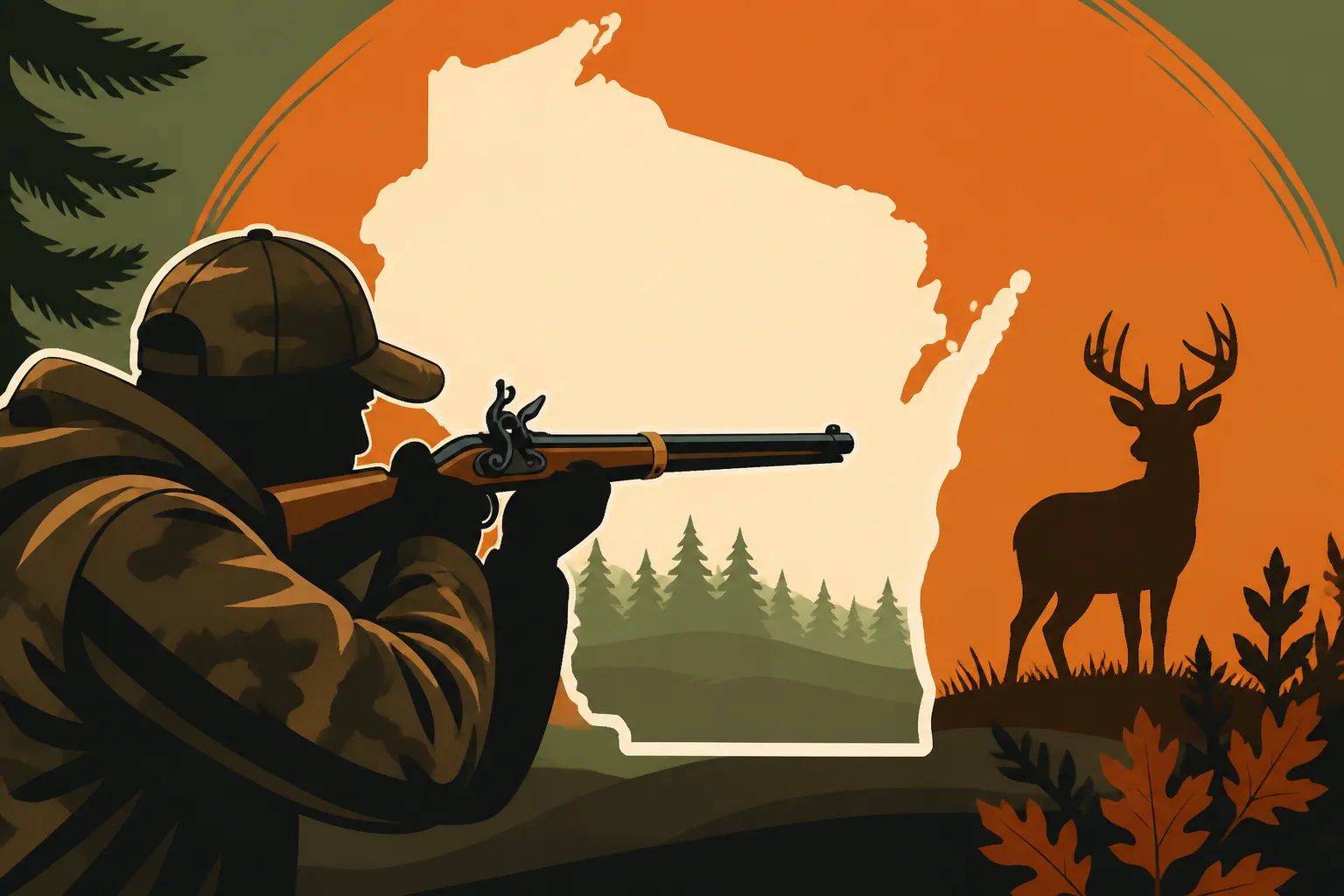
When it comes to the business end of your muzzleloader hunt, your choice of firearm and ammunition is paramount. Wisconsin allows both traditional flintlock and percussion cap muzzleloaders, as well as modern in-line models. In-line muzzleloaders, like those from CVA or Traditions, often offer greater accuracy, easier cleaning, and more reliable ignition in adverse weather thanks to modern primers. However, many hunters still prefer the classic feel and challenge of a traditional side-lock. Your personal preference for tradition versus modern convenience will largely guide your decision here.
For ammunition, the options are vast. You'll primarily choose between saboted bullets, which are typically jacketed projectiles encased in a plastic sleeve, or traditional conicals (solid lead bullets). Sabots often offer flatter trajectories and better accuracy at longer ranges (for a muzzleloader), making them popular with hunters who appreciate their rifle-like performance. However, traditional conicals, such as those from Hornady or PowerBelt, excel at delivering massive energy transfer at closer ranges and can be a good choice for dense timber or deep snow, especially if you're concerned about bullet performance after hitting brush. The choice depends on your expected shot distances and the type of cover you'll be hunting.
Regardless of your choice, spend ample time at the range. Not all muzzleloaders shoot all ammunition types equally well. Experiment with different bullet weights, powder charges (within manufacturer recommendations, of course), and primer types to find the combination that gives you the tightest groups and most reliable ignition. Remember, unlike a rifle, you only get one shot, so knowing your firearm's exact capabilities, especially when it comes to "Muzzleloader Tactics in December Cold," is absolutely critical. Consistent practice will build confidence, which is invaluable when that moment of truth arrives.
Optics and Sights for Muzzleloader Hunting
Don't skimp on your sighting system. While many muzzleloaders come with open sights, a scope can significantly improve accuracy, especially in the low-light conditions common during December hunts. A low-power scope (1-4x or 2-7x) is often ideal, providing enough magnification for precise shots without sacrificing a wide field of view for quick target acquisition in dense cover. A quality scope with good light-gathering capabilities will make a huge difference during those crucial dawn and dusk hours, allowing you to identify your target clearly and confidently.
Beyond scopes, fiber optic sights can be an excellent upgrade for open-sight shooters. Brands like TruGlo offer vibrant, light-collecting pins that are much easier to see against a dark background or in fading light compared to traditional iron sights. Whatever you choose, ensure it's sighted in precisely at your effective hunting range, which for most muzzleloaders is typically within 100-150 yards. Practice shooting from real-world hunting positions, not just a bench rest, to build confidence and muscle memory for awkward angles or quick shots.
And don't forget the importance of a reliable rangefinder. Even though muzzleloader shots are generally shorter, accurately knowing the distance is vital for proper holdover, especially with a bullet that drops more rapidly than a modern rifle round. A rangefinder can eliminate guesswork and boost your confidence when that deer steps out at 70 yards in a coulee bottom, ensuring your shot lands exactly where you intend.
Clothing and Cold Weather Comfort
Hunting in December means battling the cold, often exacerbated by biting winds or wet snow. Your clothing system isn't just about comfort; it's about survival and staying on stand long enough for success. Layering is king. Start with moisture-wicking base layers to pull sweat away from your skin, preventing a chill. This is paramount, as sweat trapped against your skin will quickly make you cold.
Next, add insulating mid-layers, such as fleece or wool, to trap body heat. Finally, an outer layer that's windproof, waterproof, and durable is essential. Look for quiet materials that won't rustle when you move, as late-season deer are incredibly sensitive to noise. Brands like Sitka, First Lite, and Kuiu offer excellent cold-weather hunting gear, but even well-chosen layers from local outdoor stores can do the trick. Prioritize warmth in your extremities: high-quality insulated boots (rubber boots are great for wet snow), thick wool socks, insulated gloves or mittens, and a warm hat or balaclava are non-negotiable.
Hand warmers and foot warmers are also your best friends for those long sits. Having enough layers to prevent shivering isn't just about comfort; shivering affects your ability to hold steady and make an ethical shot. Remember, "Cold Weather Sitting Strategy" is all about proactive preparation, not just reacting to the chill. Don't forget your blaze orange or pink outer garments, as they are a legal requirement during the muzzleloader season to ensure visibility to other hunters.
Scouting and Stand Placement for Muzzleloaders
Late-season deer are a different animal, heavily pressured and singularly focused on survival. Your scouting and stand placement must reflect this shift in behavior, prioritizing critical resources and minimizing your own intrusion.
Late Season Scouting Priorities
The dynamics of deer movement shift dramatically in late season. Gone are the rut-fueled chases; now, it's all about survival. Your scouting priorities must reflect this. Focus intensely on identifying remaining food sources. This means looking for patches of standing corn, brassica food plots, hidden pockets of acorns (if you're lucky and the squirrels haven't cleaned them out), browse, and any remaining agricultural crops. These become magnets for deer as other food sources become scarce. Water sources are usually abundant in Wisconsin, even in December, but food and thermal cover are paramount.
Also, pinpoint the thickest thermal cover available – cedar swamps, dense conifer stands, brushy creek bottoms, or south-facing slopes that catch the sun. Deer will bed in these areas to conserve energy and escape harsh winds. Use mapping apps like GoHunt to analyze aerial imagery, identifying potential bedding areas and travel corridors between food and cover. GoHunt's robust mapping features can help you identify subtle terrain changes and dense cover that might hold deer. This digital scouting can save you countless hours in the field and help you prioritize where to focus your efforts for Scouting Wisconsin Public Land Before Season.
Don't overlook historical sign, but prioritize fresh sign. Fresh tracks in the snow, recently worked rubs or scrapes (though less common in December), and fresh droppings will tell you where deer are now. "Reading Aerial Photos for Coulee Deer" is especially helpful for identifying the natural funnels and pinch points that deer use to travel between these critical resources, allowing you to predict their movements even without fresh sign on the ground.
Strategic Stand Locations
With your muzzleloader's effective range in mind, stand placement becomes incredibly strategic. You need to be close, typically within 100 yards of where you expect a deer to appear. Ideal locations include pinch points along travel corridors connecting bedding to food, field edges bordering dense cover, or inside the cover itself along trails leading to a food source. Consider topography carefully; a slight rise can give you an elevated vantage point for spotting deer before they hit your shooting lane, while a dip can conceal your approach.
When setting up, always consider the prevailing wind. Deer depend on their noses, and a swirling wind will ruin your hunt faster than anything else. Plan your approach and exit routes to minimize disturbing the area. A stand that's perfect for a northwest wind might be useless on an east wind. Have multiple spots pre-scouted or even pre-hung if possible, allowing you to adapt to changing conditions on the fly. This flexibility is key to consistent late-season success.
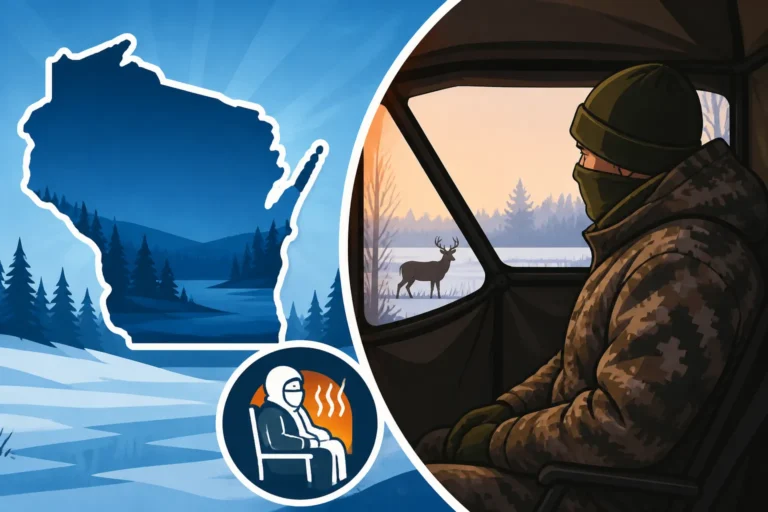
Remember that deer are often skittish this late in the season, having been pressured by archery and gun hunters for months. They'll be more nocturnal and move cautiously. Setting up early, staying late, and minimizing your presence around the stand site are crucial. A quality treestand or a well-brushed-in ground blind that offers concealment and warmth can be invaluable for those long, cold sits, allowing you to remain still and undetected for longer periods.
Entry and Exit Routes for Minimal Impact
This cannot be stressed enough: your approach and departure from your stand location can make or break your hunt, especially during the muzzleloader season when deer are highly educated. Deer are incredibly sensitive to human intrusion, and if they detect you coming or going, they'll often alter their patterns, sometimes abandoning an area entirely.
Plan your routes to use natural cover, topography, and wind direction to your advantage. Walk in with the wind in your face or crosswind, never directly into the area where you expect deer to be. Utilize creek beds, ditches, fence lines, or dense timber for concealment. If hunting near a food plot or field, try to approach and leave from the thickest cover, preferably when deer are not actively in the feeding area. The goal is to avoid creating any discernible pattern that deer can learn to avoid.
Consider the time of day, too. Approaching a morning hunt in the dark means you need to be extra stealthy, while leaving an evening hunt after dark means you risk bumping deer that have moved into the area. Sometimes, the best strategy is to take a longer, less direct route if it means staying undetected. Your goal is to become a ghost in the woods, leaving no scent or sound signature that alerts wary late-season whitetails. The less pressure you put on deer through your entry and exit, the more likely they are to stick around.
Hunting Strategies for Wisconsin Muzzleloader Season
The muzzleloader season calls for adaptive and often more physically demanding hunting strategies. Gone are the days of the rut; now it's a grind that often rewards those willing to put in the extra effort.
Still-Hunting and Tracking in Snow
One of the most effective and rewarding tactics during Wisconsin's muzzleloader season, especially after a fresh snowfall, is still-hunting or tracking. A blanket of fresh snow not only reveals every deer movement but also dampens sound, making it easier to move quietly through the woods. The key to successful still-hunting is patience and deliberate movement.
Take one or two steps, then pause. Scan your surroundings meticulously, not just for deer, but for subtle signs: flicking ears, a horizontal line in the brush that doesn't belong, or the tell-tale glint of an eye. Use your binoculars constantly to pick apart cover ahead of you. Focus on areas where deer are likely to be bedding or feeding, such as dense conifer stands, creek bottoms, or brushy hillsides. Remember to move slowly, almost imperceptibly, as if you're part of the forest itself. This method is incredibly effective for getting close enough for a muzzleloader shot.
When tracking in snow, pick a fresh track — ideally a larger, solitary track if you're buck hunting — and follow it slowly and methodically. Pay attention to how the deer is moving: is it browsing casually, or is it on high alert? Look for changes in track spacing or direction that indicate a deer pausing or looking back. Often, you'll jump a deer that has circled back to watch its trail, so always be ready for a shot. The art of "Still-Hunting After a Wisconsin Snow" is a skill honed over many cold, quiet days, and it can be incredibly productive for a muzzleloader hunter who needs to get close.
Sitting Food Sources and Thermal Hubs
When the temperatures plummet and snow covers the landscape, deer survival becomes all about calories and warmth. This makes food sources and dense thermal cover absolute magnets. Sitting strategically near these critical resources can be incredibly effective. Identify the primary late-season food sources in your area — standing cornfields, brassica plots, or areas with persistent browse. Deer will hit these areas, especially in the last hour or two of daylight, to fuel up for the cold night ahead. Understanding Late-Season Food Sources for Whitetails is paramount for this strategy.
Equally important are thermal hubs: thick cedar swamps, stands of pines, or south-facing slopes that offer shelter from the wind and absorb solar radiation. Deer will often bed in these areas during the day and move towards food in the evenings. Setting up a stand or ground blind on a travel corridor between a thermal bedding area and a preferred food source can be a deadly tactic. For example, a funnel between two swamps or a ridge leading down to a standing cornfield will often see significant deer movement. The GoHunt app can help you pinpoint these transition zones with ease.
Patience is paramount with this strategy. Be prepared for long, cold sits. The deer will often not move until just before dark, sometimes even later, making those final minutes of legal shooting light crucial. Dress warmly, bring snacks and water, and mentally prepare for the wait. This is where your commitment to "Cold Weather Sitting Strategy" truly pays off, as you might only get one opportunity during a long hunt.
Patience and Shot Placement
The muzzleloader season truly tests a hunter's patience. With often fewer deer sightings due to hunting pressure and harsh conditions, every encounter feels magnified. It's easy to get antsy and rush a shot, but with a muzzleloader, that's a recipe for disaster. You only get one shot, so make it count.
Wait for the deer to present a broadside or slightly quartering-away shot. Never take a frontal or quartering-to shot with a muzzleloader unless absolutely necessary and you are extremely confident in your abilities and the firearm's ballistics. The large, slow projectile needs to hit vital organs cleanly for a quick, ethical kill. Practice holding steady for extended periods at the range, simulating a real-world scenario where a deer might hesitate before offering the perfect angle. This discipline will serve you well in the field.
Accuracy and shot placement are far more important than raw power, especially at muzzleloader ranges. Aim for the heart-lung area, just behind the shoulder. Don't rush; take a deep breath, control your crosshairs or sights, and squeeze the trigger smoothly. After the shot, reload immediately if conditions allow, in case a follow-up is needed. Then, observe the deer's reaction and listen for sounds of it falling or crashing through the brush. Even if you think it's a perfect hit, give the deer ample time before tracking, especially in cold weather, to ensure it expires and to avoid bumping a wounded animal. This patience is key to a successful recovery.
Dealing with Weather and Field Care
Wisconsin's December weather can be unpredictable and unforgiving. Being prepared for everything from freezing rain to deep snow is essential, not just for your comfort, but for the performance of your firearm and the care of your harvested animal.
Keeping Your Muzzleloader Dry
Wisconsin Decembers can be a mix of freezing rain, sleet, wet snow, or even heavy downpours. Nothing will ruin a muzzleloader hunt faster than a wet charge or a misfire. Protecting your firearm from moisture is absolutely critical. Carry a small piece of electrical tape or a balloon to cover the muzzle, preventing snow or rain from entering the barrel, which can obstruct the shot or cause a dangerous overpressure situation.
For percussion caps, use waterproof cap containers and consider a rubber nipple protector or a dedicated cap guard. If you're using an in-line with 209 primers, ensure the breech plug is clean and the primer seating is snug. Some hunters even carry a small, plastic baggie to slip over the entire action while on stand during heavy precipitation, offering an extra layer of protection. These small precautions can mean the difference between a successful hunt and a frustrating misfire.
After the hunt, even if it didn't rain, thoroughly clean and dry your muzzleloader. Moisture can lead to corrosion and rust very quickly, especially with the corrosive nature of black powder or black powder substitutes. Learning how to prevent misfires and ensure reliable ignition, especially "Keeping a Muzzleloader Dry in Wet Snow," is a skill that comes with experience and careful preparation. A well-maintained muzzleloader is a reliable muzzleloader.
Tracking and Recovery in Cold Conditions
Recovering a deer in cold weather presents its own set of challenges and advantages. On one hand, persistent snow cover can make blood trailing incredibly easy, as a good blood trail will stand out vividly against the white, especially with fresh red blood. On the other hand, falling snow can quickly obscure a trail, and freezing temperatures can make blood difficult to find if it clots quickly or is absorbed into dry leaves and duff.
If you make a good hit, give the deer at least 30 minutes, or longer for a questionable hit, before starting your track. Mark the spot of the shot and the last place you saw the deer. When tracking, move slowly and methodically, looking for blood, hair, bone fragments, and disturbed ground. If you lose the trail, spread out and search in ever-widening circles, often checking where the deer was last seen in case it circled back.
If you're hunting in particularly deep snow, remember that deer will exert a lot more energy trying to escape, sometimes expiring quicker than in milder conditions. However, deep snow can also make dragging a deer out an incredibly strenuous task. Be prepared with a deer sled or a strong partner for extraction, especially if you're deep in public land with limited access points. "Tracking a Deer in Wisconsin Snow" can be an arduous but incredibly rewarding experience.
Meat Care in Freezing Temperatures
The good news about harvesting a deer during Wisconsin's muzzleloader season is that cold weather is your best friend for meat preservation. The freezing temperatures act as a natural refrigeration system, allowing you to take your time with field dressing and transportation, within reason. This eliminates the frantic rush to get a deer cooled down that often plagues early archery hunters.
After you've recovered your deer, promptly field dress it to remove the internal organs, which are a source of heat and bacteria. This allows the carcass to cool down quickly. If temperatures are well below freezing, you don't have to rush the skinning process, but it's always best to get the hide off as soon as practical to facilitate even cooling and prevent freezer burn if you plan to quarter and process it yourself.
Hang the deer in a cool, dry place, out of direct sunlight and away from scavengers, to allow it to age properly. A garage, shed, or even a sturdy tree branch can work if conditions are right. "Field Dressing a Deer in Cold Weather" becomes a much more manageable task, and you have the luxury of time that early season hunters simply don't. Just be aware of fluctuating temperatures; if a warm spell hits, you’ll need to expedite processing or get it to a locker quickly to prevent spoilage. You can find more tips on "Butchering a Deer at Camp" if you're planning a DIY approach.
Safety and Regulations Specific to Muzzleloaders
While the thrill of the hunt is paramount, safety and adherence to regulations are non-negotiable. Muzzleloader hunting has its own unique set of rules and best practices that every hunter must know.
Blaze Orange/Pink Requirements
Just like the regular gun seasons, Wisconsin's muzzleloader season has strict requirements for blaze orange or fluorescent pink clothing. This is not optional; it's a critical safety measure designed to ensure hunters are visible to one another in the woods, especially in low light or dense cover. This greatly reduces the risk of hunting accidents from misidentification.
Hunters must wear at least 50% blaze orange or fluorescent pink on their outer clothing above the waist, including a hat. This means it needs to be clearly visible from all directions. Don't just throw on an orange hat and call it good; make sure a significant portion of your jacket or vest meets the requirement, and ensure it's not obscured by a backpack or other gear. The idea is to break up your human outline and make you highly conspicuous to other hunters.
Always double-check the current year's regulations for any minor changes, but the core principle of high visibility remains. Even if you're the only hunter you see all day, which can happen during muzzleloader season due to the lower participation, it's still crucial to adhere to these rules. It’s a habit we all need to cultivate for the safety of ourselves and others.
Loading and Unloading Safely
Muzzleloaders, by their very nature, require a different approach to handling and safety compared to modern cartridge firearms. The loading process itself, involving loose powder, a bullet, and a primer, demands your full attention and adherence to safety protocols. Always ensure the muzzle is pointed in a safe direction, away from yourself and others, during loading. Never compromise on this fundamental rule.
Never overload your muzzleloader; always stick to the manufacturer's recommended powder charges. Using excessive powder can lead to catastrophic failure of the firearm. Use a consistent ramrod technique to seat the bullet firmly against the powder charge to prevent dangerous air gaps, which can also cause catastrophic barrel damage. Make sure your hands are clean and dry, especially when handling primers or caps, to ensure reliable ignition. When unloading, if you haven't fired, it's often safest to fire the charge into a dirt bank or similar safe backstop, or use a CO2 discharge tool if your rifle is equipped for it. Never attempt to remove a loaded projectile in the field unless you are highly trained and have the proper tools, as this can be extremely dangerous.
Treat every muzzleloader as if it's loaded, even if you know it's not. Keep your finger off the trigger until you're ready to shoot, and be absolutely certain of your target and what's beyond it. These fundamental rules of firearm safety are even more critical with the unique characteristics of a muzzleloader, where a single mistake in handling or loading can have severe consequences.
Transporting Muzzleloaders
Wisconsin has specific rules about transporting firearms in vehicles, and muzzleloaders fall under these regulations. Generally, a muzzleloader must be unloaded and encased when transported in a vehicle. Unloaded means there is no primer in the breech plug or on the nipple, and no powder and projectile in the barrel. It's a precise definition, and you must understand it to avoid legal issues.
Encased typically means in a gun case, whether hard or soft-sided. Simply having a cap off or a primer removed but the powder and bullet still in the barrel often does not meet the "unloaded" definition for transport in Wisconsin. Always verify the exact definitions in the current Wisconsin hunting regulations, as misunderstanding these rules can lead to serious legal trouble, including fines and potential loss of hunting privileges.
This also applies to ATVs, snowmobiles, and boats. Planning ahead to ensure your muzzleloader is properly secured and unloaded for transport is just as important as your hunting strategy. It's a small detail that can have big consequences if overlooked, so always err on the side of caution and compliance.
| Muzzleloader Type | Pros | Cons | Best Use Case |
|---|---|---|---|
| Traditional (Flintlock/Percussion) | Historical feel, simple mechanics, unique challenge | Slower loading, less accurate, prone to misfires in wet weather | Traditionalists, close-range timber hunting |
| In-Line (Modern) | More accurate, easier to load, reliable ignition, longer effective range | Less "traditional" feel, often heavier, more complex cleaning | Hunters seeking performance, longer shots (for a muzzleloader) |
| Ammunition Type | Pros | Cons | Best Use Case |
| Saboted Projectiles | Rifle-like accuracy, flatter trajectory, better long-range performance | Can foul barrels quickly, plastic may separate or melt, harder to clean | Open country, hunters prioritizing accuracy |
| Traditional Conicals | Excellent energy transfer, good for thick cover, simpler loading | Shorter effective range, significant bullet drop, less accurate at distance | Dense timber, close-range hunting, deep snow |
Wisconsin's muzzleloader season offers a challenging yet immensely rewarding opportunity to extend your deer hunting season. By understanding the season specifics, equipping yourself with the right gear, meticulously scouting with tools like the GoHunt app, and employing patient, strategic hunting methods, you can successfully punch your tag during this demanding late-season hunt. It’s a chance to connect with the hunt on a deeper level, embracing the cold and the quiet for a truly memorable experience. Don't let the end of gun season be the end of your hunting; the muzzleloader woods await.
Here are some other resources you might find helpful:
- How Wisconsin's Archery and Crossbow Seasons Run
- Wisconsin's Nine-Day Gun Deer Season
- Late Antlerless Hunting in Wisconsin
- Wisconsin Bear Preference Points and Zones
- Hunting Pressure on Wisconsin Public Land
- Hunting Wisconsin Public Land Before Season
Disclaimer
Please remember that hunting regulations, season dates, and CWD zones are subject to change. Always consult the official Wisconsin Department of Natural Resources (DNR) regulations and publications for the most current and accurate information before heading afield. This guide is for informational purposes only and does not replace official DNR resources.