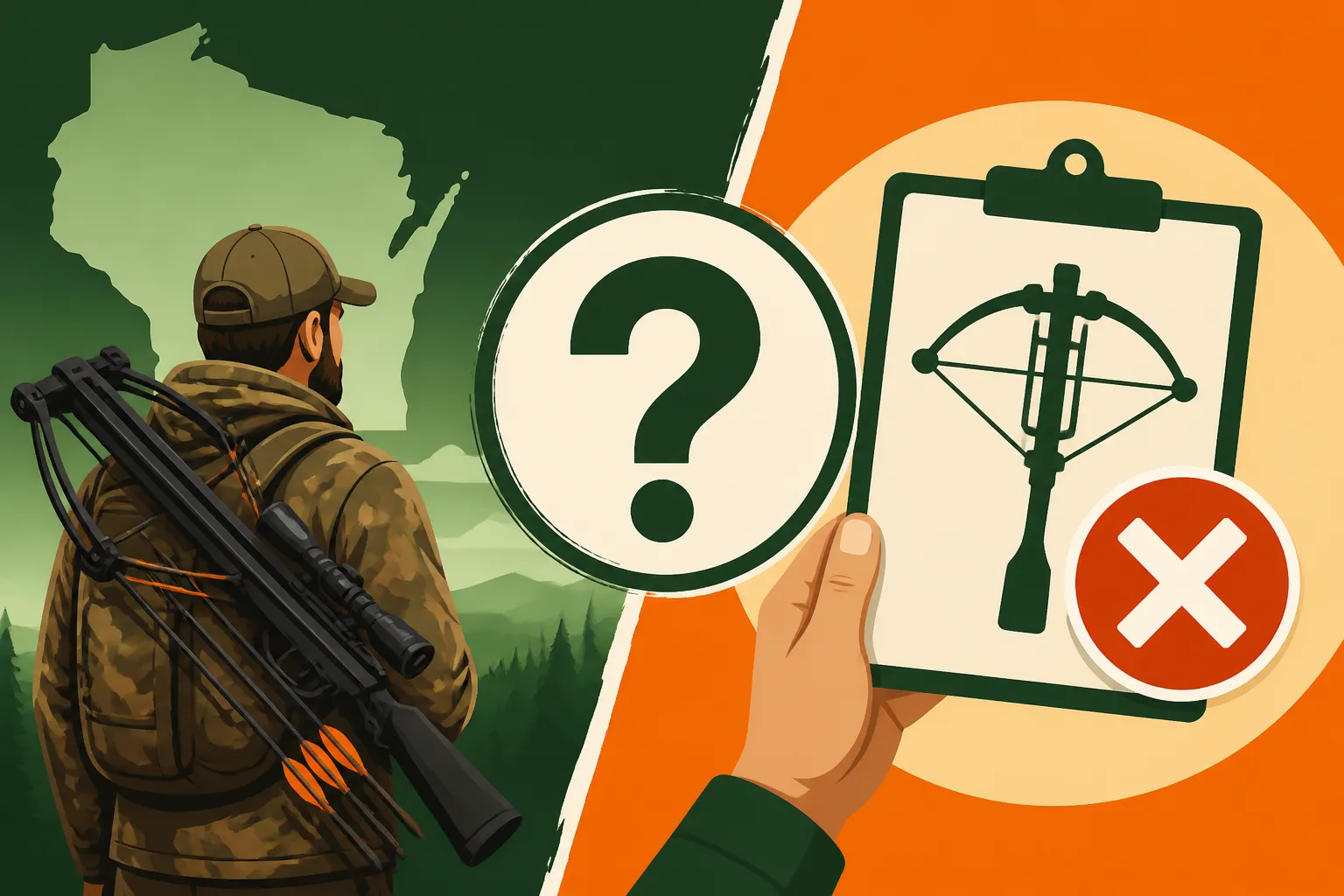
Do You Need a Separate Crossbow Licence?
If you're new to crossbow hunting in Wisconsin or considering making the switch from a vertical bow, one of the most common questions that pops up is whether you need a special, separate license just for your crossbow. It's a valid concern, and honestly, the world of hunting regulations can feel like a labyrinth sometimes, leaving many of us scratching our heads and worried about making an honest mistake. This guide is here to clear up that confusion once and for all, outlining exactly what you need to legally pursue deer and other game with a crossbow in the Badger State.
Understanding the Archery License: Your All-Access Pass to Crossbow Hunting
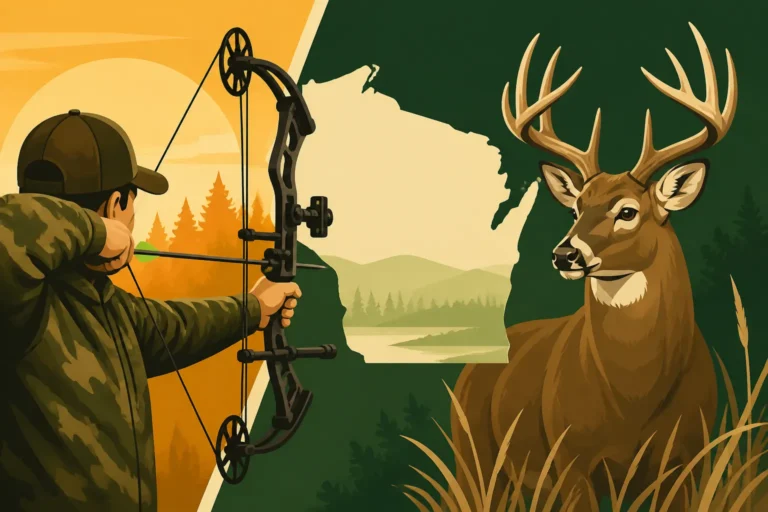
Let's cut right to the chase because this is the core of the confusion for many: no, you do not need a separate, distinct crossbow license in Wisconsin. This is a common misconception, especially for hunters coming from states with different regulations or those who remember a time when crossbow rules were much more restrictive here. The truth is, your standard Wisconsin Archery License is all you need to legally hunt with both a traditional vertical bow and a crossbow during the state's expansive archery season.
Think of the Wisconsin Archery License as an umbrella that covers both types of archery equipment. It's designed to simplify things, ensuring that if you're authorized to hunt with a bow and arrow, you're also authorized to hunt with a crossbow, provided you adhere to all other general hunting regulations. This approach reflects the state's effort to integrate crossbows more fully into the general hunting framework, recognizing their growing popularity and the benefits they offer to a diverse range of hunters. You purchase one license, and it grants you the privilege to choose your archery weapon of choice for the season.
No "Separate" Crossbow License Needed
The idea of needing a separate crossbow license can be a real point of anxiety for hunters. We've all been there, combing through regulation pamphlets, trying to decipher complex wording, and wondering if we've overlooked some obscure rule that could lead to a fine or worse. It’s a relief to know that when it comes to crossbows in Wisconsin, the answer is straightforward: your archery license is sufficient. This means less paperwork, fewer separate purchases, and ultimately, a simpler process for you, the hunter. It means you don't have to worry about accidentally buying the wrong tag or missing a critical step just because you prefer a crossbow over a compound or recurve bow.
This streamlined approach means you can buy your archery license, get your authorization for an antlered deer, and then focus on scouting and practicing your shots, whether with a compound, recurve, or crossbow. The license itself doesn't differentiate between the implements; it simply certifies you as an archery hunter. This is particularly helpful when you're planning your season, as you don't have to budget for an additional, specific "crossbow permit." It's all rolled into one, making the experience more accessible and less of a bureaucratic hurdle.
Understanding the All-Encompassing Archery License
When you purchase a Wisconsin Archery License, you are buying the legal authority to pursue deer (and other game as applicable) during the designated archery seasons with archery equipment. For many years, "archery equipment" primarily meant vertical bows. However, with changes in state law, crossbows are now fully recognized as legal archery equipment within the scope of this license. This integration reflects a broader understanding of hunting inclusivity and opportunity.
The archery license grants you your basic authorizations, which typically include one antlered deer tag. Depending on the deer management unit (DMU) you plan to hunt in, and the availability determined by the County Deer Advisory Councils, you may also be eligible to purchase additional antlerless deer tags as "bonus tags." These bonus tags are also valid for use with either a vertical bow or a crossbow during the archery season. So, whether you're planning to fill your freezer with a doe or pursue a trophy buck, your archery license covers your weapon choice. For detailed information on specific season dates and bag limits, the official Wisconsin DNR website or resources like GoHunt can provide up-to-the-minute details, ensuring you're always hunting within the current framework. You can also explore specific regulations for Wisconsin Archery and Crossbow Seasons to get a full picture of when and where you can hunt.
A Look Back: The Evolution of Crossbow Rules in Wisconsin
The current straightforward licensing system for crossbows hasn't always been the case in Wisconsin. For a long time, crossbows were treated very differently from traditional bows, creating a segment of hunters who felt excluded or burdened by restrictive rules. Understanding this history helps appreciate the current regulations and validates the lingering confusion many hunters still experience. It's not just a matter of "reading the current rules"; it's about acknowledging the journey these regulations have taken.
For years, crossbows were primarily relegated to hunters with specific physical disabilities. This meant you needed to obtain a special permit, often requiring doctor's notes and additional paperwork, just to use a crossbow. This created a barrier for many, including older hunters who might have found drawing a traditional bow increasingly difficult but didn't necessarily qualify for a disability permit, or those simply looking for a different hunting challenge. This period fostered the belief that crossbows were inherently "different" and required extra authorization, a belief that still echoes in questions like "Do I need a separate crossbow license?"
From Disability Permit to Universal Access
The shift to universal crossbow access for all hunters in Wisconsin was a significant change, driven by hunter advocacy and a recognition of changing demographics and preferences. Before this change, the process was cumbersome. A hunter who developed, say, shoulder issues might have had to give up archery hunting entirely if they didn't meet the strict criteria for a disability permit. The integration of crossbows under the general archery license removed this hurdle, opening up the sport to a wider audience. This move was celebrated by many, as it allowed hunters to extend their time in the woods, maintain traditions, and adapt to physical changes without completely abandoning their passion for archery season.
This move recognized that crossbows, while different mechanically, serve the same fundamental purpose as vertical bows during the archery season. They require skill, practice, and responsible hunting ethics. By making them universally accessible, Wisconsin aimed to retain hunters and encourage participation, rather than creating unnecessary barriers. This was a win for many hunters who found themselves on the fence about continuing with archery due to physical limitations or simply a desire for a different hunting experience.
The Impact of Crossbow Integration on Hunting Opportunities
The full integration of crossbows into Wisconsin's general archery season has had a noticeable impact on hunting opportunities and participation across the state. For many, it has extended their hunting careers, allowing them to continue enjoying the quiet intensity of archery season long after drawing a traditional bow became too strenuous. This is particularly true for older hunters who might have once been forced to hang up their bow or switch entirely to gun season. Now, they can confidently pick up a crossbow and continue to participate in the early and late archery seasons. This flexibility means more hunters in the woods, more deer harvested, and a stronger hunting tradition overall.
Moreover, crossbows often offer a shorter learning curve for new hunters, making archery season more accessible to those who might be intimidated by the extensive practice required to become proficient with a vertical bow. This can serve as a fantastic entry point into hunting, instilling conservation ethics and a love for the outdoors in individuals who might not have otherwise tried hunting. The wider acceptance of crossbows doesn't just benefit individual hunters; it contributes to the health of Wisconsin's deer herd management goals by providing more harvest opportunities. It's about adapting to the times while upholding the core values of hunting, and ensuring that traditions can be passed down through generations, regardless of preferred equipment. You can delve deeper into the nuances of choosing between equipment types in Crossbow Versus Vertical Bow in Wisconsin.
Navigating the Wisconsin Go Wild System for Your License
Now that we've established you just need one archery license for both vertical bows and crossbows, let's talk about actually getting it. Wisconsin uses the "Go Wild" system for all hunting and fishing licenses, and it's generally a pretty user-friendly platform. Whether you're a seasoned veteran or a first-time hunter, understanding how to navigate Go Wild is crucial to ensure you're legally authorized to hunt.
Go Wild is an online portal that streamlines the licensing process. You can access it from your computer, or often through a mobile-friendly site or app. This system keeps all your licensing history in one place, manages your preference points for special draws (like bear or turkey), and allows you to print or save your licenses digitally. It's the central hub for all things licensing in Wisconsin, so getting comfortable with it is a great investment of your time. If you ever have questions or technical difficulties, the Wisconsin DNR website has extensive FAQs and customer service contacts to assist you.
Purchasing Your Archery Authorization
Purchasing your Wisconsin Archery License through the Go Wild system is a relatively straightforward process. You'll typically start by creating an account if you don't already have one, which links your personal information (including your hunter education certification, if applicable) to your unique customer ID. Once logged in, you'll navigate to the "Buy Licenses" section. Here, you'll see a range of options, and you'll want to select the "Archery License" (or sometimes listed as "Archery/Crossbow License" for clarity, but it's the same base license).
During the purchase, you'll also be prompted to obtain your free "Conservation Card" if you don't have one, which acts as your permanent ID. You'll confirm your residency status, as resident and nonresident license fees differ significantly. The system will then walk you through adding it to your cart, reviewing the cost, and completing the payment. It's really that simple. Many hunters also find it useful to use resources like GoHunt, which can often link directly to the DNR's Go Wild system, or provide valuable context and tips on what licenses you might need based on your hunting plans. Having your license readily available, either printed or on your phone via the Go Wild app, is essential every time you head into the field. If you're a Wisconsin resident, you can find specific costs for various licenses in Wisconsin Resident Archery Licence Cost. For those visiting, check out Wisconsin Nonresident Archery Licence Cost.
What Your Archery License Entitles You To
Beyond just authorizing you to carry archery equipment, your Wisconsin Archery License comes with specific entitlements, primarily concerning deer hunting. As mentioned, it typically includes one antlered deer authorization. This means you can harvest one legal antlered buck during the archery season (which, in Wisconsin, is quite long!). This is a major perk, as it grants you the opportunity to pursue the whitetail of a lifetime with your chosen bow or crossbow.
Additionally, depending on the deer management unit (DMU) you plan to hunt and the current population objectives for that area, your archery license might also open the door to purchasing additional antlerless deer harvest authorizations, often referred to as "bonus tags." These tags allow you to take a doe, helping to manage deer populations and, of course, fill your freezer with venison. The availability and cost of these bonus tags can vary by DMU and are often sold on a first-come, first-served basis after initial allocations. It's crucial to check the specific regulations for your chosen hunting area each year, as DMU boundaries and tag allocations can change. Utilizing the Go Wild system or the GoHunt app to check these details before you hunt is always a smart move. For more on antlerless tags, see How Many Antlerless Tags You Can Buy and Wisconsin Antlerless Harvest Authorizations.
| Feature | Vertical Bow Hunter | Crossbow Hunter |
|---|---|---|
| Required Primary License | Wisconsin Archery License | Wisconsin Archery License |
| Separate Crossbow Permit? | No | No |
| Season Dates Followed | Archery Season Dates | Archery Season Dates |
| Antlered Deer Tags | Included with Archery Lic. | Included with Archery Lic. |
| Antlerless Tags | Bonus tags as available | Bonus tags as available |
| Blaze Orange Requirement | During specific gun seasons | During specific gun seasons |
| Weapon-Specific Regulations | None (beyond general) | None (beyond general) |
Key Regulations Beyond the License for Crossbow Hunters
While the primary licensing question is now clear, simply having the correct license isn't the only thing you need to be aware of as a crossbow hunter in Wisconsin. There are several other critical regulations that apply to all archery hunters, including those using crossbows, to ensure a safe, ethical, and legal hunt. Overlooking these details can be just as problematic as not having the right license, so it's vital to be well-informed before you head afield.
These regulations cover everything from when you can hunt to what you need to wear, and even how you manage your equipment. Being a responsible hunter means not just knowing the big rules but also understanding the nuances that govern your time in the woods. It's about respecting the game, other hunters, and the law. Always take the time to review the most current regulations pamphlet or check the Wisconsin DNR website, and remember that resources like GoHunt can often highlight specific rules relevant to your hunting zone.
Season Dates and Legal Shooting Hours
One of the most important aspects of hunting with a crossbow is adhering to the correct season dates. As established, crossbows are governed by the same season dates as vertical bows. This means you get to enjoy Wisconsin's incredibly long archery season, which typically runs from mid-September right through early January, with a break during the traditional nine-day gun deer season. This lengthy season provides ample opportunity to get out in the woods, scout, and hunt during various phases of the deer's annual cycle, including the often-coveted rut. You can find precise opening and closing dates in When Wisconsin's Archery Season Opens.
Just as critical are the legal shooting hours. In Wisconsin, these hours are generally defined as 30 minutes before sunrise to 30 minutes after sunset. This applies equally to both vertical bow and crossbow hunters during the archery season. While it might seem like a small detail, miscalculating legal shooting hours can lead to serious violations. Always confirm sunrise and sunset times for your specific hunting location, as they vary slightly depending on the time of year and your exact latitude. Many hunting apps and even smartwatches can provide this information directly, making it easier to stay within the legal window. Keeping an eye on your clock is paramount, especially during those magical low-light hours when deer are most active. For precise timings, refer to Wisconsin Legal Shooting Hours.
Blaze Orange and Safety Considerations
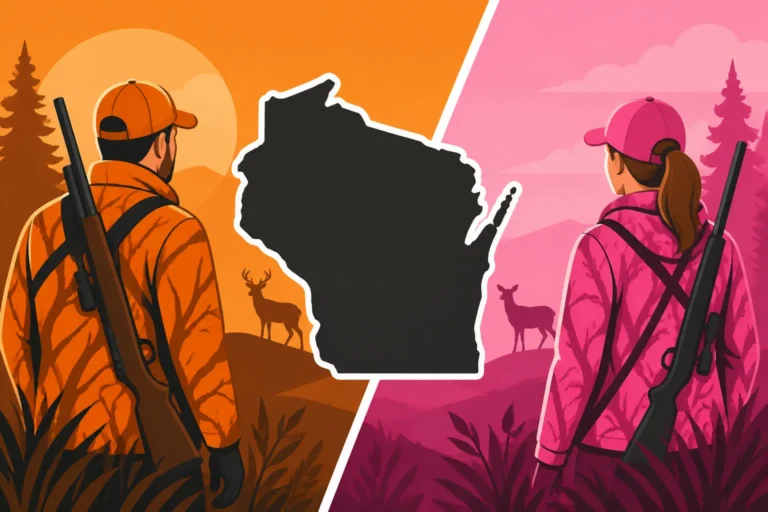
While blaze orange (or blaze pink) is most commonly associated with gun deer season, there are specific periods during the archery season when hunters using any weapon type, including crossbows, are required to wear it. This typically occurs during overlapping seasons, such as the youth gun deer hunt, the muzzleloader season, or portions of the late antlerless firearm hunts. The general rule is that if a firearm season is open concurrently with the archery season in the same area, all hunters (except waterfowl or turkey hunters) are usually required to wear blaze orange or pink.
This regulation is purely for safety, designed to make hunters more visible to each other in the woods and reduce the risk of accidents. It’s a vital aspect of responsible hunting, especially on public lands or in areas with high hunter density. Always consult the current regulations to determine when and where blaze orange/pink is required. You'll usually need at least 50% of your outermost clothing above the waist to be blaze orange or pink, including a hat. Staying visible during these overlapping periods is not just a legal requirement but a common-sense safety practice that protects everyone in the field. For comprehensive details, check out How Much Blaze Orange Wisconsin Requires.
General Rules and Local Ordinances
Beyond licensing, season dates, and blaze orange, there are other general rules that crossbow hunters, like all hunters, must abide by. These include regulations on baiting and feeding (which are often county-specific and can change based on CWD outbreaks), carcass transport rules (especially important if you're hunting in a CWD-affected area), and tagging requirements (which mandate immediately attaching your tag to a harvested animal). It's also critical to understand rules regarding hunting on public versus private land, including regulations for tree stands, ground blinds, and vehicle access.
Furthermore, always be aware of any local ordinances that might affect hunting in specific areas. While state law provides the overarching framework, some townships, counties, or specific wildlife areas might have additional rules regarding hunting methods, discharge of weapons, or even access times. For instance, some state parks may allow hunting but have unique restrictions on weapon types or hunting zones. Ignorance of the law is never an excuse, so taking the time to thoroughly research the specific area you intend to hunt, perhaps using the detailed maps and information available through GoHunt, is always a prudent step. This comprehensive approach ensures you're not just legal from a licensing standpoint but fully compliant with all regulations, contributing to a safe and enjoyable hunting experience for everyone.
Disclaimer
This article is for general informational purposes only and does not constitute professional advice. Laws, prices and regulations vary by location and change over time. Consult a qualified professional for guidance on your specific situation.