Bear Hunting Gear in Wisconsin
Heading into the Wisconsin woods for bear season is an adventure unlike any other, but it comes with its own unique set of challenges. From the sweltering heat of an early August bait sit to the bone-chilling cold of a late-season track, and the dense, unforgiving cover of our northern forests, proper gear isn't just a convenience—it's absolutely critical for success and safety. This guide will walk you through the essential equipment you’ll need to be prepared for whatever a Wisconsin bear hunt throws your way, ensuring you're comfortable, effective, and ready for that once-in-a-lifetime encounter.
Essential Clothing and Layering for Wisconsin Bear Hunts
Wisconsin's bear season can be a tale of two very different climates, depending on when and where you draw your tag. Whether you're sweating bullets in early September or crunching through frosted leaves in October, your clothing system needs to be adaptable, durable, and above all, silent.
Adapting to Wisconsin's Variable Weather
One of the biggest frustrations for bear hunters in Wisconsin is the unpredictable weather. Early season hunters, often sitting over bait in late August or early September, can face temperatures soaring into the 80s with humidity so thick you can almost chew it. You're trying to sit still for hours, but the sweat is dripping, the mosquitos are buzzing, and comfort is fleeting. Then, just a few weeks later, a cold front can sweep through, dropping temperatures by 30 degrees overnight, bringing a biting wind and maybe even a dusting of snow.
This is why a smart layering system is paramount. Start with a good quality moisture-wicking base layer. Synthetics or merino wool are excellent choices here, as they pull sweat away from your skin, helping you stay dry and preventing that clammy, chilled feeling when temperatures drop. Even on hot days, a light base layer can actually help manage sweat and provide a barrier against insects. For those cool mornings or evenings, a mid-layer like a fleece or a puffy vest adds crucial insulation without excessive bulk. When you start to warm up from exertion or the sun rises, you can easily shed a layer.
Durable Outerwear for Tough Terrain
Navigating Wisconsin's bear country often means pushing through dense thickets, crawling through blowdowns, and traversing areas where briars and thorns seem to have a personal vendetta against your clothing. Nothing is more frustrating than having your expensive hunting pants shredded on the first day, or feeling every prick and poke through inadequate fabric. Your outer layers need to be tough, quiet, and capable of protecting you from both the elements and the environment.
Look for pants and jackets made from durable, abrasion-resistant fabrics. Reinforced knees and seat are a huge plus. Beyond durability, waterproofing and windproofing are non-negotiable, especially for northern Wisconsin. A sudden downpour can soak you to the bone and send you shivering out of your stand, ending your hunt prematurely. A quality waterproof shell, whether it's a dedicated rain suit or integrated into your main hunting jacket, will keep you dry through unexpected showers or heavy morning dew. Similarly, a windproof layer will cut through those crisp, late-season breezes that can make a stationary sit unbearable, especially if you're Hunting the Wisconsin Northern Forest for Deer or pursuing bear in similar habitat.
Footwear and Hand Protection
Your feet are your foundation, especially when you're covering miles on rough terrain or standing for hours in a treestand. A bear hunt can quickly turn miserable if your feet are cold, wet, or riddled with blisters. You need sturdy, waterproof boots that offer excellent ankle support, because stumbling over a hidden root or rock while carrying a heavy pack in low light is a real hazard. Rubber boots are fantastic for keeping your feet dry in swamps and muddy trails, and they also help minimize scent, which is crucial when hunting over bait. For longer treks, a well-fitting hiking boot designed for rugged terrain might be preferred, paired with waterproof gaiters.
Socks are just as important as the boots themselves. Again, merino wool or high-quality synthetics are your friends. They wick moisture, provide cushioning, and help regulate temperature. Avoid cotton socks at all costs, as they absorb sweat and stay wet, leading to blisters and cold feet.
Don't forget hand protection. A good pair of gloves serves multiple purposes: they protect your hands from thorns and splinters when handling bait or brush, they keep your hands warm in chilly weather, and they help contain human scent, which is vital when setting up a bait site. For early season, thin, breathable gloves might be enough; for colder periods, insulated, waterproof gloves or mittens are essential.
Firearms and Archery Equipment for Bear Hunting
Choosing the right weapon for a Wisconsin bear hunt is a serious decision, balancing personal preference with ethical considerations for quickly and humanely dispatching such a powerful animal. Whether you prefer the raw power of a rifle or the intimate challenge of a bow, your equipment needs to be up to the task.
Rifles for Bear
When it comes to rifles for black bear in Wisconsin, the conversation often revolves around adequate stopping power and bullet construction. A bear is a tough animal, built thick through the shoulders with heavy bone, and they can cover a lot of ground quickly, even when mortally wounded. This is why many experienced bear hunters lean towards calibers that deliver significant energy and use robust bullets designed for deep penetration and controlled expansion.
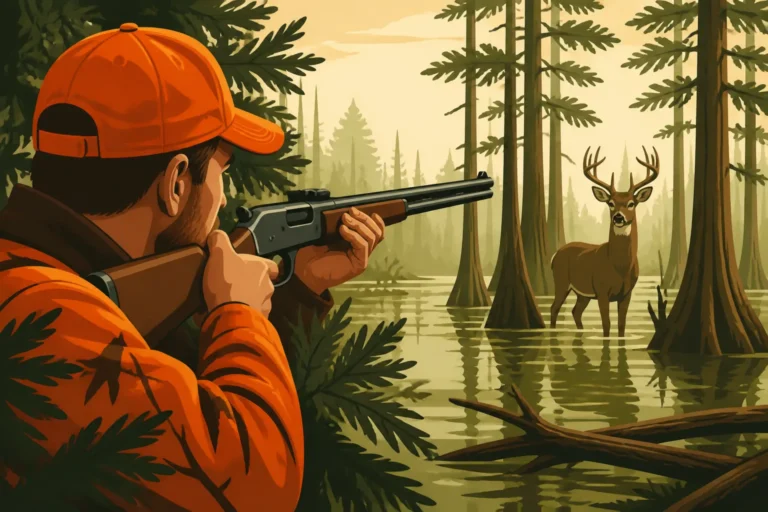
Common and effective rifle calibers include the venerable .30-06 Springfield, the versatile .308 Winchester, and for those who prefer more punch, the .300 Winchester Magnum or 7mm Rem Mag. Even a good .270 Winchester with the right bullet can be perfectly adequate. The key isn't necessarily sheer velocity, but rather bullet weight and construction. You want a bullet that will hold together, pass through hide and bone, and disrupt vital organs. Bonded bullets, partitioned bullets, or solid copper projectiles are excellent choices over rapid-expansion varmint bullets. Practice with your chosen load is crucial, understanding its trajectory at typical woods ranges, which in Wisconsin often means shots under 150 yards, sometimes much closer. Being proficient with your rifle ensures ethical shot placement, especially vital for harvesting a bear that may move quickly. For more on this, check out Rifle Calibers for Wisconsin Bear.
Archery and Crossbow Setups
For the archery hunter, harvesting a Wisconsin bear is an incredibly rewarding challenge. Whether you're using a vertical bow or a crossbow, the principles remain the same: you need sufficient kinetic energy and a broadhead designed for maximum penetration. Most states, including Wisconsin, have minimum draw weight requirements for deer, which typically suffice for bear, but aiming for the higher end of the legal spectrum for your equipment is a good idea.
For traditional and compound bows, a draw weight of 60 pounds or more is generally recommended for bear, paired with heavy arrows to maximize momentum. Crossbows typically generate more kinetic energy and are often set up for higher speeds, making them effective bear tools. The choice between a traditional bow, compound, or crossbow often comes down to personal comfort and hunting style. For a deeper dive into the crossbow options, you might find Crossbow Versus Vertical Bow in Wisconsin helpful, as many of the setup considerations apply to bear as well.
Broadhead selection is absolutely critical. Fixed-blade broadheads, known for their robust construction and deep penetration, are a favorite among many bear hunters. Mechanical broadheads can also be effective, but choose designs known for their durability and reliable deployment after impact, especially when impacting tough hide and bone. Sharpness is paramount, regardless of broadhead type. Your goal is a quick, clean pass-through to ensure maximum hemorrhage and a swift, humane kill. Practice shooting from elevated positions if you plan to hunt from a treestand over bait, as shot angles on bear can be tricky. You might also want to review articles like Bow Draw Weight for Wisconsin Whitetails for general guidance on suitable draw weights, keeping in mind bears are tougher than deer.
Shotguns and Handguns
While rifles and bows are the primary tools for bear hunting in Wisconsin, shotguns and handguns do have their place, though perhaps less common for the primary harvest. Shotguns loaded with slugs can be incredibly effective at close ranges, especially in dense cover where long shots are impossible. If you're hunting in a zone or on a property where rifles are restricted, a properly sighted-in slug gun with quality sabot slugs can be a powerful and ethical choice for black bear.
Handguns, typically revolvers in powerful calibers like .44 Magnum, .454 Casull, or .500 S&W Magnum, are also legal for bear hunting in Wisconsin. They offer a unique close-range challenge and can be excellent backup weapons for follow-up shots. However, successful handgun hunting for bear requires a high degree of proficiency, excellent marksmanship, and a thorough understanding of shot placement, as the effective range is significantly shorter than a rifle. Carrying a powerful handgun for personal protection in bear country is also a consideration for some, especially those still-hunting deep in the woods or baiting in remote areas.
Optics, Navigation, and Scouting Aids
You can't hit what you can't see, and you can't hunt what you can't find. Bear hunting in Wisconsin's vast landscapes, particularly the dense northern forests or the sprawling managed areas, demands reliable optics and precise navigation tools. These aren't just luxuries; they're essential components of a successful hunt.
Binoculars and Rangefinders
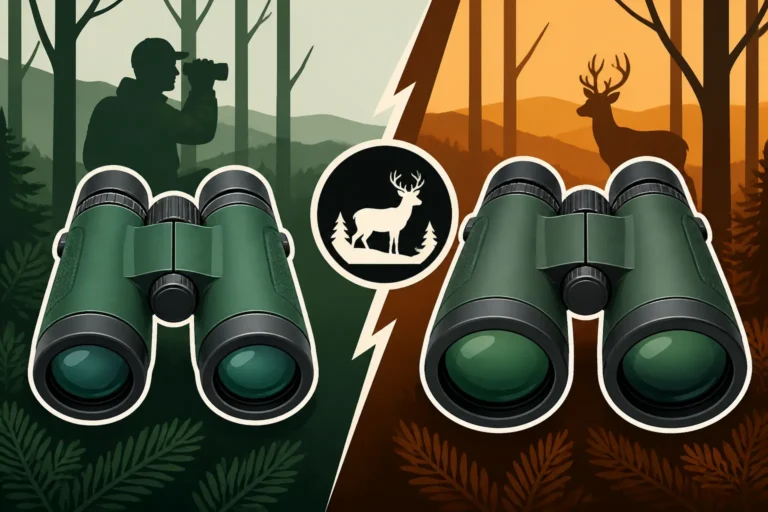
Even if you're primarily hunting over bait, a good pair of binoculars is invaluable. They allow you to discreetly scan the woods around your stand, identify approaching bears, and assess their size and health without making unnecessary movements. For most Wisconsin bear hunting scenarios, a 8×42 or 10×42 binocular provides an excellent balance of magnification, light-gathering capability, and a wide field of view. Look for optics with good low-light performance, as bears are most active during the twilight hours of dawn and dusk. The ability to distinguish a black blob from a black bear in fading light can make all the difference.
A rangefinder is another piece of gear that pays dividends, especially for archery hunters or those taking longer rifle shots. While shots over bait are often close, knowing the precise distance to your bait station and any surrounding landmarks is crucial for confident and ethical shot placement. In dense timber, where distances can be deceiving, a rangefinder eliminates guesswork. For rifle hunters, understanding your bullet drop at various distances is paramount, and a rangefinder ensures you're applying the correct holdover or dialing the appropriate turret adjustment.
GPS and Mapping Technology
Getting lost in Wisconsin's vast public lands is a real concern, and it's a terrifying feeling, especially when you're alone, carrying heavy gear, or potentially tracking an animal after dark. A reliable GPS unit or a robust smartphone mapping application is your lifeline. Apps like GoHunt, onX Hunt, or the Wisconsin DNR's own Scouting With the Wisconsin Hunt Wild App are game-changers. These tools allow you to pinpoint your exact location, mark bait sites, track your routes, and navigate safely in and out of remote areas. The ability to download offline maps is non-negotiable, as cell service is often nonexistent in prime bear habitat.
Before you even step foot in the woods, these apps allow you to do crucial e-scouting, identifying potential travel corridors, dense bedding areas, and access points. For hound hunters, GoHunt and similar apps can also integrate with GPS dog tracking systems, allowing you to see your dogs' locations in relation to your own. Always carry a fully charged power bank for your phone, as GPS usage can drain batteries quickly. And as a fail-safe, don't underestimate the value of a physical map and compass – knowing how to use them can literally save your life if electronics fail. Reviewing resources like onX Layers for Wisconsin Land Status can help you get the most out of these powerful tools.
Trail Cameras for Scouting
Trail cameras have become indispensable scouting tools for bear hunters, particularly those utilizing bait. They offer a non-invasive way to monitor your bait sites 24/7, providing invaluable intelligence about bear activity. You can identify individual bears, determine their size and sex, and most importantly, establish their preferred times of visitation. This information allows you to fine-tune your hunting schedule, ensuring you're in your stand when the target bear is most likely to show up.
When choosing trail cameras for bear hunting, consider features like battery life, trigger speed, and detection range. Bear often visit bait sites at night, so good night vision capabilities are essential. Durability is also a factor; bears are curious and strong, so securing your camera with a sturdy strap or security box can prevent damage or theft. Placing cameras strategically, often slightly off to the side of the main bait to capture clear photos without being directly in a bear's approach path, is key. Remember to check local regulations regarding trail camera use on public lands, and always respect private property boundaries.
Baiting and Scent Control Gear
For many Wisconsin bear hunters, baiting is a primary method. It requires a specific set of gear, diligent effort, and an understanding of how to manage scent and conceal yourself effectively. The frustrations of getting a bear on a consistent pattern, only to have your efforts foiled by human scent or a flimsy bait setup, are all too real.
Essential Baiting Equipment
Baiting bear isn't just throwing out a pile of donuts; it's a systematic approach that requires robust equipment. The cornerstone of any bait site is a durable container to hold your bait. Heavy-duty plastic barrels (often 55-gallon drums), sometimes reinforced with steel bands or even old water heaters, are common choices. These need to be secured to a tree with heavy chains and locks to prevent bears from dragging them off and to deter other critters (and people!) from accessing your bait. Bears are incredibly strong, and they'll test every weak point in your setup.
Beyond the primary container, you'll need various bait items. A mix of sweets (pastries, candy, molasses), oily items (old fry oil, bacon grease), and strong-smelling foods (meat scraps, pet food) are typically used. Carrying buckets, gloves, and a tarp or ground cloth to minimize scent transfer while refreshing the bait are also good practices. Don't forget a sturdy saw or pruning shears for clearing shooting lanes around your bait, and a shovel for digging in bait if you prefer to partially bury it. For a comprehensive guide, check out Building and Freshening a Wisconsin Bear Bait or What Bear Baiters Use in Wisconsin. Remember to check local regulations on baiting distances and types of bait allowed.
Scent Control and Concealment
Bears have an incredible sense of smell, far superior to deer. This means diligent scent control is absolutely paramount, especially when hunting over a bait site. Any lingering human odor around your stand or on your access trail can send a wary bear scurrying into the timber, often never to be seen again during legal shooting hours.
Your scent control regimen should start at home with scent-free laundry detergent for all your hunting clothes. Shower with scent-eliminating soap before heading to the woods. In the field, use scent-eliminating sprays on your boots, clothes, and gear. Many hunters also swear by carbon-activated clothing, which is designed to absorb human odors. Always consider wind direction when choosing your stand location and when approaching your bait site. Trying to use a cover scent might provide some peace of mind, but true scent elimination and playing the wind are your best defenses. Concealment is also key; camouflage patterns appropriate for Wisconsin's mixed forests, combined with careful stand placement, will help you blend in.
Stand Setups for Bait Sites
Once you've established your bait, setting up your stand or blind is the next critical step. The goal is to be invisible, comfortable, and in a position for an ethical shot. Treestands are popular for bear hunting as they get your scent above the ground and provide an elevated vantage point. A sturdy, reliable hang-on stand or ladder stand is common. Safety is non-negotiable: always use a full-body harness and a lifeline when climbing and descending from any treestand. Leaving your stand out overnight on public land has specific rules; always check the regulations. Treestand Setups in Wisconsin Hardwoods offers valuable insights that can be adapted for bear hunting.
Alternatively, ground blinds can be very effective, especially if you prefer to hunt with a crossbow or shotgun, or if suitable trees for a treestand are scarce. When using a ground blind, ensure it's brushed in thoroughly to break up its outline, and allow time for bears to get accustomed to its presence before you hunt from it. Using a Ground Blind on Wisconsin Public Land can provide excellent tips on proper setup and concealment for these types of blinds. Regardless of your choice, position your stand or blind downwind of your bait, considering prevailing winds and thermals. Clear your shooting lanes well in advance, but do so subtly to avoid alarming the bears.
Recovery and Field Dressing Gear
The moment of truth is exhilarating, but the work truly begins after the shot. Recovering a downed bear can be one of the most challenging aspects of the hunt, especially in dense Wisconsin cover or in the dark. Having the right tools for tracking, field dressing, and transporting your harvest is crucial for both efficiency and meat preservation.
Tracking and Retrieval Aids
Black bears, even when mortally wounded, can be incredibly tough and often run a considerable distance before expiring. Tracking them can be a difficult task, as their thick fat often clogs wounds, reducing the amount of blood trail. Prepare for the worst-case scenario. Essential tracking gear includes bright, reflective flagging tape to mark the blood trail, allowing you to backtrack if you lose it. A powerful headlamp or spotlight is absolutely critical for tracking after dark, as legal shooting hours might leave you with a nighttime recovery. A good pair of binoculars can also help spot the bear or pieces of the blood trail from a distance.
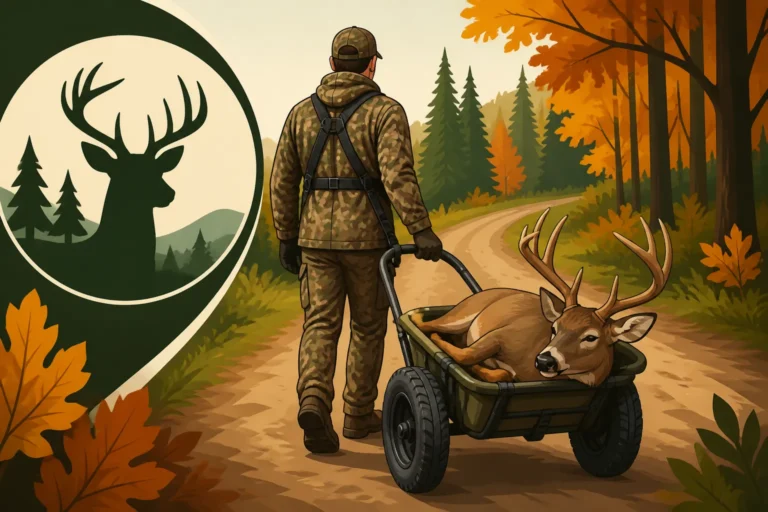
Once the bear is located, the next challenge is getting it out of the woods. Bears are heavy, dense animals, often weighing hundreds of pounds. This is where retrieval aids become invaluable. A sturdy dragging harness that distributes weight across your shoulders and back can make a huge difference. For deep snow or frozen ground, a deer sled or specialized game cart can significantly ease the burden, allowing you to move the bear more efficiently. If you're hunting with partners, consider bringing rope and extra hands for carrying out quarters. For insights on tracking in challenging conditions, consider reviewing Blood Trailing After Dark in Wisconsin and Dragging a Deer Up a Coulee Wall (which offers useful principles even for a much heavier animal).
Field Dressing Tools
Proper field dressing is essential for preserving the quality of your bear meat, especially if you're hunting during warmer early season dates. You'll need a very sharp, durable knife – a fixed-blade knife with a sturdy handle is highly recommended. Many hunters carry a second, smaller knife for finer work. A bone saw can be incredibly helpful for quartering the bear in the field or for splitting the sternum.
Gloves, preferably surgical or heavy-duty nitrile gloves, are a must for hygiene and to protect your hands. Bear fat is greasy and can be difficult to clean off, plus bears can carry diseases. Game bags are also critical; these breathable bags protect the meat from flies, dirt, and debris while allowing it to cool. The "gutless method" of field dressing, where the bear is skinned and quartered without opening the body cavity, is an excellent technique for large animals, especially when solo or in remote areas, as it minimizes contamination and makes packing out easier.
Meat Care and Transport
Bear meat, when handled properly, is delicious. However, bears carry a risk of trichinosis, so proper cooking is essential. More immediately, ensuring the meat cools quickly is paramount, particularly if you're hunting in warm weather. Once field dressed, get the bear out of the sun and into the coolest possible environment. If quartering, spread the meat out in game bags to maximize airflow.
Large coolers packed with ice are vital for transporting bear meat, especially for longer distances. If you've hunted in a remote area and need to pack out the meat, a sturdy frame pack can make multiple trips more manageable. Be aware of Wisconsin's carcass transport rules, especially if you're moving your bear across county lines or out of a CWD zone (though CWD primarily affects deer, it's good practice to know the rules for any large game). For detailed advice on post-harvest care, refer to Handling Bear Meat Safely. The sooner you can get the meat cooled and to a processor or into your freezer, the better the quality will be.
Safety and Emergency Gear
Hunting black bear, especially in remote Wisconsin wilderness, demands a proactive approach to safety. While adrenaline is part of the thrill, a calm, prepared hunter is a safe and successful hunter. Don't let an oversight in emergency planning turn an exciting hunt into a dire situation.
Personal Safety Equipment
Your personal safety kit should be robust and tailored to the unique challenges of bear hunting. A comprehensive first-aid kit is absolutely essential. Don't just toss in a few band-aids; think about trauma: large bandages, gauze, medical tape, antiseptic wipes, pain relievers, and even a tourniquet. Blister care, insect repellent, and any personal medications should also be included.
While black bears are generally shy and attacks are rare, carrying bear spray can provide an immediate deterrent in an unexpected close encounter. Ensure it's easily accessible and you know how to use it. For remote areas with no cell service, a personal locator beacon (PLB) or satellite communicator (like a Garmin InReach or Spot device) is a wise investment. These devices can send distress signals with your exact location, or even allow for two-way communication via satellite, potentially saving your life if you become injured, lost, or face a medical emergency.
Communication and Navigation Backups
Never rely solely on one form of communication or navigation. While your smartphone with GoHunt maps is fantastic, batteries die, and signals disappear. Always carry a fully charged phone, but understand its limitations. If hunting with partners, two-way radios can be invaluable for staying in touch, especially during a track or if you're covering different areas. They are far more reliable than cell phones in the deep woods.
A physical compass and a printed map of your hunting area serve as critical backups. Even if you primarily use GPS, knowing how to orient yourself with traditional tools can be a lifesaver if your electronics fail. Carry a whistle for signaling, a fire starter (waterproof matches, lighter, or ferro rod), and a small emergency blanket. Being prepared for an unexpected overnight stay due to getting lost or having to track a bear late is simply good practice.
Specialized Gear for Hound Hunters
Bear hunting with hounds in Wisconsin is a unique and exciting tradition, particularly prevalent in the northern zones. This method requires specialized gear, not just for the hunter, but also for the canine athletes doing the work. The intensity of a bear chase, often through rugged terrain and thick cover, means both dogs and handlers need to be exceptionally well-equipped.
GPS Tracking Collars
The undisputed MVP of hound hunting gear is the GPS tracking collar system. Brands like Garmin Alpha or Tri-Tronics are household names among hound hunters. These sophisticated systems allow you to monitor your dogs' precise locations in real-time, displaying their positions on a handheld unit or integrated mapping app like GoHunt. This is absolutely critical for keeping track of dogs that can cover many miles in a pursuit, often out of sight and earshot.
When choosing a system, consider battery life for both collars and handheld units, signal range in dense forests, and the durability of the collars to withstand the abuse of a bear chase. Many systems also include e-collar functions for training and control, which are vital for managing a pack of hounds. Knowing exactly where your dogs are, whether they're on a hot track, baying a bear on the ground, or have a bear treed, allows you to navigate the challenging terrain to reach them safely and efficiently. For more on this, check out Running Bear Hounds in Northern Wisconsin.
Protective Dog Gear
Just as you wear protective clothing, your hounds need protection too. Bear hunting is physically demanding and can be dangerous for dogs. Cut vests, made from durable, puncture-resistant materials like Cordura or Kevlar, are essential. These vests protect the dogs' vital organs and torsos from bear claws and teeth, as well as from sharp sticks, briars, and rocks they encounter during a chase.
Protective boots for dogs can also be a good idea, particularly in rocky or abrasive terrain, to prevent cuts and abrasions to their paw pads. Don't forget their hydration needs; carrying water for your dogs, especially on warm days or during long chases, is critical to prevent overheating and exhaustion. A good leash and a strong check cord for controlling your dogs once they've reached the treed bear are also necessary.
Recovery Tools for Treed Bears
When the hounds successfully tree a bear, the real challenge for the hunter begins: safely approaching the treed bear and taking an ethical shot. This often involves navigating dense woods and steep terrain to get to the location where your GPS collars indicate the dogs are stationary. You might need specialized ropes or even a small, packable ladder to get into a position for a safe and clear shot, as bears can climb surprisingly high.
Careful consideration of the shot angle and trajectory is paramount to ensure a clean kill and to prevent accidental injury to the dogs below. Communication with your hunting partners via two-way radios is essential to coordinate the approach and ensure everyone is aware of the situation. After the shot, secure your dogs away from the downed bear, as even a seemingly lifeless bear can be dangerous. Knowing How a Wisconsin Bear Hound Race Works gives you context for the coordination and gear involved in these hunts.
Table: Key Gear Considerations for Wisconsin Bear Hunting
| Gear Category | Key Considerations for Wisconsin Bear Hunting |
|---|---|
| Clothing & Layering | Moisture-wicking base layers, durable/quiet outer layers, waterproof/windproof shell, scent-controlled fabrics, blaze orange/pink (if applicable). |
| Footwear | Waterproof, excellent ankle support, suitable for swamps/mud (rubber boots), comfortable for long walks. |
| Firearms/Archery | Caliber with adequate energy for bear, robust bullets/broadheads for penetration, precise optics, practice at typical ranges. |
| Optics & Nav. | 8x-10x binoculars (low-light capable), rangefinder, GPS unit/GoHunt app with offline maps, power bank, physical map/compass. |
| Baiting Gear | Sturdy bait barrel/container, chains/locks, gloves, scent-free approach tools. |
| Scent Control | Scent-free detergents, sprays, carbon clothing, strict wind awareness, natural cover scents. |
| Stand Setups | Safe treestand/ground blind, full-body harness, silent access, positioned for wind/shot lanes. |
| Recovery Gear | Bright flagging tape, powerful headlamp, dragging harness/sled/game cart, sharp fixed-blade knives, bone saw, game bags. |
| Safety/Emergency | Comprehensive first-aid kit, bear spray (optional), PLB/satellite messenger, two-way radios, fire starter, whistle. |
| Hound Gear | GPS tracking collars, protective cut vests for dogs, dog boots, water for dogs, check cords/leashes. |
Disclaimer
This article is for general informational purposes only and does not constitute professional advice. Laws, prices and regulations vary by location and change over time. Consult a qualified professional for guidance on your specific situation.