Crossbow Rules During Wisconsin Archery Season
One of the biggest questions I hear from fellow hunters in Wisconsin, especially those new to the sport or returning after a long break, revolves around crossbows. There's often a lot of confusion, sometimes even outdated information floating around, about whether you can use a crossbow during the state's popular archery season without a disability permit. It can be frustrating to sort through the rumors and official regulations, but thankfully, the rules for crossbow hunting in Wisconsin have evolved to be quite straightforward for most of us. This guide will cut through the noise and give you a clear, comprehensive understanding of how crossbows fit into Wisconsin's archery deer season.
The Evolution of Crossbow Use in Wisconsin's Archery Season
For a long time, crossbows in Wisconsin were seen as a specialty weapon, often reserved for hunters with specific physical disabilities or those participating in certain youth hunts. This created a bit of a divide and certainly a lot of questions about fairness and accessibility. However, like many things in hunting, regulations adapt over time to reflect changing demographics, technology, and a broader understanding of what keeps our traditions alive and thriving.
Historical Restrictions and Changing Attitudes
Back in the day, if you wanted to hunt with a crossbow during the standard archery season in Wisconsin, you generally needed a permit from the Department of Natural Resources (DNR) that verified a physical disability prevented you from using a traditional vertical bow. This wasn't unique to Wisconsin, as many states started with similar restrictions. The reasoning often centered on the perception that crossbows were "easier" to shoot or offered a distinct advantage over compound or recurve bows. There were concerns about maintaining a "primitive weapon" feel for archery season and managing harvest numbers.
However, as crossbow technology advanced and became more widely adopted across the country, attitudes began to shift. Many hunters, including those who previously shot vertical bows, saw the benefits of crossbows, particularly for new hunters, youth, or older hunters who might struggle with the physical demands of a compound bow. The goal became less about restricting a particular tool and more about providing opportunities for more people to enjoy the outdoors and participate in hunting. This push for hunter recruitment and retention played a significant role in loosening the reins on crossbow regulations. It recognized that keeping hunters in the field, regardless of their preferred archery equipment, was vital for conservation and the future of the sport.
Current Regulations for All Hunters
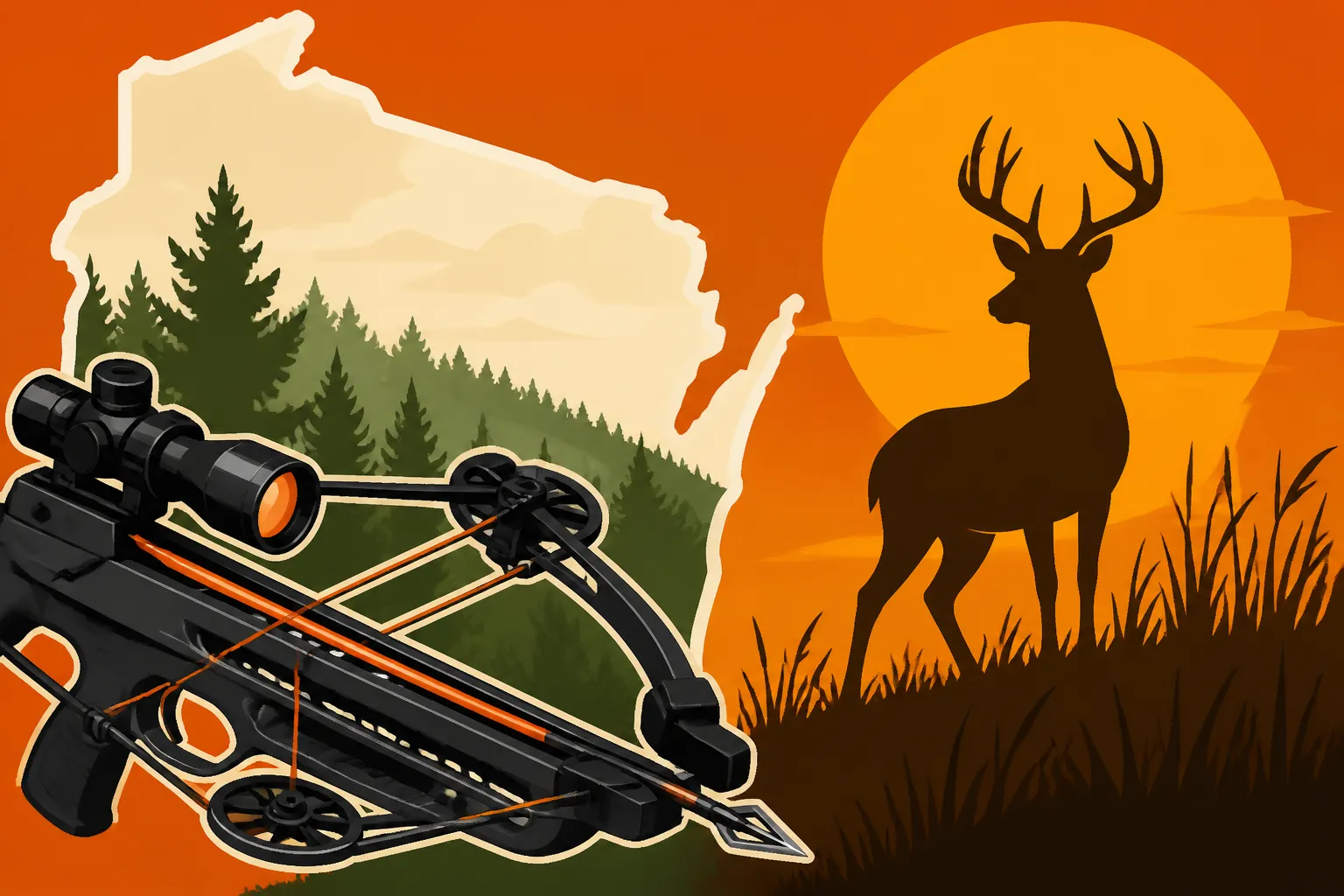
Thankfully, the days of needing a special permit for most adult hunters to use a crossbow during the regular archery season in Wisconsin are largely behind us. Wisconsin has embraced crossbows as a legitimate and accessible tool for a wide range of hunters. Now, if you hold a valid archery license, you can generally use either a vertical bow or a crossbow during the state's extensive archery season. This change has opened up the season to many individuals who might otherwise have been on the sidelines, whether due to physical limitations, a desire for a different challenge, or simply wanting a more stable shooting platform.
It's important to understand that while the general rule is inclusive, you're still responsible for knowing the specifics. This includes adherence to legal shooting hours, understanding baiting and feeding restrictions in your hunting area, and carrying the proper identification and licenses. Essentially, if you're hunting during the Wisconsin Archery Deer Season Dates, you can choose your weapon from either a traditional bow setup or a crossbow, provided you have the correct authorization. This flexibility means less red tape and more time in the woods enjoying the hunt.
Understanding Your Wisconsin Hunting License and Authorizations
Navigating hunting licenses can sometimes feel like trying to solve a puzzle, especially with different weapon types and seasons. When it comes to crossbows in Wisconsin, the good news is that the system has been streamlined to make things a lot simpler for the average hunter. You don't need to jump through extra hoops just to carry a crossbow in the archery woods.
Archery vs. Crossbow Licenses
This is probably one of the most common questions out there: "Do I need a special crossbow license?" The straightforward answer for most hunters is no. In Wisconsin, your regular archery license covers both vertical bows (compound, recurve, longbows) and crossbows during the archery deer season. When you purchase your Wisconsin Hunting Licences and What They Cost, you'll buy an "Archery License" or a "Conservation Patron License" which includes archery privileges. This single license grants you the authorization to hunt with either type of bow, providing you with incredible flexibility.
This integrated approach makes it incredibly easy for hunters to switch between equipment if they choose, without needing to buy a separate tag or permit. For instance, if you usually hunt with a compound bow but want to try a crossbow for a particular hunt, or perhaps for the late season when bundled up clothes might make a vertical bow release awkward, you can do so with the same license. This simplifies the process on the Go Wild system and reduces confusion. When you're planning your hunts and looking at different parcels, especially public land, mapping tools like GoHunt can be invaluable for understanding property boundaries and terrain features, helping you strategize your approach regardless of your chosen bow type.
Weapon Choice and Tag Application
Your choice of weapon – whether a vertical bow or a crossbow – generally does not impact the types of tags or authorizations you can obtain for deer in Wisconsin. Your archery license will come with specific deer harvest authorizations (like a "buck tag" and possibly an antlerless tag depending on the zone and your purchase). These authorizations are tied to your archery privileges, not to the specific type of bow you use.
For example, if you get an "antlered deer archery tag," that tag can be used to harvest an antlered deer with either your vertical bow or your crossbow during the open archery season. The same applies to any antlerless deer tags you might have. The key is that you are hunting within the archery season dates and abiding by all other regulations, such as those concerning blaze orange requirements (which may differ depending on the time of year, so always check How Much Blaze Orange Wisconsin Requires). This consistency across equipment types removes a layer of complexity for hunters and reinforces the idea that all archery methods are valued equally within the season. So, whether you're a seasoned vertical bow hunter or thinking about the transition to Crossbow Versus Vertical Bow in Wisconsin, your license and tags remain the same for deer.
| Weapon Type | License Required | Season Covered | Specific Restrictions (General) | Notes |
|---|---|---|---|---|
| Vertical Bow | Archery License | Archery Deer Season | None beyond standard hunting rules | Includes compound, recurve, and longbows. |
| Crossbow | Archery License | Archery Deer Season | None beyond standard hunting rules | Available to all hunters holding a valid archery license. No special permit generally required for adults. |
| Firearm | Gun Deer License | Gun Deer Season | Caliber/weapon restrictions apply | Separate season and license. Cannot use firearm during archery season unless specifically authorized (e.g., youth gun deer hunt with specific tags, or late antlerless with firearms after archery). |
| Muzzleloader | Muzzleloader License | Muzzleloader Deer Season | Specific projectile/powder rules | Separate season and license. Cannot use muzzleloader during archery season. |
Note: This table summarizes general rules for deer hunting. Always consult the latest Wisconsin DNR regulations for specific species, zones, and up-to-date information, as rules can change.
Practical Considerations for Crossbow Hunting in Wisconsin
While crossbows offer a great opportunity for many hunters, it's not simply a matter of picking one up and heading into the woods. There are practical considerations that any responsible hunter should keep in mind to ensure a safe, ethical, and successful experience. Thinking through these aspects will not only make you a better hunter but also help maintain a positive image for all archery sports.
Safety and Proficiency
Just like any hunting weapon, a crossbow demands respect and proficiency. While they might appear simpler to operate than a vertical bow at first glance, they have their own unique safety considerations. For starters, always ensure your crossbow is pointed in a safe direction, whether cocked or uncocked. Modern crossbows can generate incredible speeds and power, so understanding how to safely cock and uncock your specific model is paramount. Never dry fire a crossbow, as this can cause significant damage to the limbs and strings and can be extremely dangerous.
Practice, practice, practice! Don't just sight in your crossbow and assume you're good to go. Spend time shooting from various positions you might encounter in the field, such as from a Treestand Setups in Wisconsin Hardwoods or Using a Ground Blind on Wisconsin Public Land. Understand your crossbow's effective range and stick to it. While a crossbow can launch an arrow at impressive speeds, ethical shots are paramount. Knowing your limitations and ensuring clean, humane kills is the hallmark of a responsible hunter. Before you head out for Hunting the Wisconsin Rut in November or even the early season, make sure you can consistently hit a vital zone target.
Ethical Considerations and Fair Chase
The introduction of crossbows into general archery seasons has, at times, stirred debate within the hunting community. Some argue that crossbows offer too much of an advantage, blurring the lines between archery and firearm hunting, while others champion them for their role in hunter recruitment and retention. For us hunters, it's about upholding the principles of fair chase.
Regardless of your chosen weapon, the core tenets of ethical hunting remain. This means understanding your equipment's capabilities, knowing your personal effective range, and only taking shots that you are confident will result in a quick, humane harvest. A crossbow, while a highly accurate tool, still requires a hunter to get close to their quarry, understand deer behavior, and make a precise shot. It doesn't eliminate the need for scouting, patience, and woodsmanship. Whether you're using a vertical bow or a crossbow, the challenge of getting within range of a wary Wisconsin whitetail is still very real. You might even find that mapping software, like that offered by GoHunt, helps you scout potential stand locations and understand deer movement patterns, assisting with shot opportunities that are both ethical and achievable with your crossbow.
Scouting and Stand Placement with a Crossbow
Your equipment choice absolutely influences how you scout and set up your hunting positions. While the fundamentals of finding deer sign remain the same, a crossbow's characteristics might subtly shift your approach. Crossbows, while accurate, often have a more limited shooting arc compared to a vertical bow, particularly when shooting from an elevated position. You need clear shooting lanes. This means when you're hanging a stand, or Setting Up Against a Big Oak for a ground blind, you need to meticulously trim branches and brush to ensure an unobstructed path for your bolt.
Similarly, while many crossbows are quieter than a vertical bow when shot, they can be bulkier and might require more careful maneuvering in a tight stand or blind. When you're Scouting Wisconsin Public Land Before Season, pay close attention not just to deer trails and feeding areas, but also to the density of the cover. Where a vertical bow might allow you to draw and shoot around a small branch, a crossbow requires a clearer sightline from rest to target. Using a tool like GoHunt to mark potential shooting lanes and check topography can make a big difference in preparing your spot for the season. Remember, shot opportunities often come quickly, and you want to be ready to execute a clean shot without interference.
Common Misconceptions and Troubleshooting for Crossbow Hunters
Even with clear regulations, misconceptions can linger, and new questions always arise. Addressing these directly can help new and experienced crossbow hunters alike feel more confident and prepared for their time afield in Wisconsin.
"Special" Seasons or Units
One common misconception is that certain areas or seasons in Wisconsin have different rules for crossbows. For instance, some hunters might wonder if crossbows are only allowed during the gun season, or in specific "special crossbow zones." The reality is, for deer, once the general archery season begins, crossbows are permitted statewide for any hunter holding an archery license. This includes the early archery season, the core of the How Wisconsin's Archery and Crossbow Seasons Run, and the late archery season that often runs concurrently with the muzzleloader and holiday hunts.
There are no distinct "crossbow-only" seasons or "crossbow-restricted" units for deer within the general archery framework. However, always remember that other hunting regulations, such as baiting bans (which apply to all methods), or special rules for specific public land areas (like refuges or military bases), will still apply. It's always best practice to check the current Wisconsin hunting regulations pamphlet or the DNR website for any hyper-local rules that might affect your specific hunting parcel.
Transporting and Legal Carry
Understanding how to legally transport and carry your crossbow is crucial, both for safety and for avoiding potential legal issues. Generally, in Wisconsin, a crossbow must be uncocked when transported in or on a vehicle, whether it's an automobile, ATV, or boat. The bolt should also be removed from the firing mechanism. This is a critical safety rule designed to prevent accidental discharges. Think of it much like transporting a firearm: it should be unloaded and safely secured.
When you're actively hunting in the field, you can carry your crossbow cocked with a bolt in place, ready to shoot, provided you are within legal shooting hours and have appropriate tags. However, if you decide to take a break, leave your hunting area, or climb into a vehicle, always uncock your crossbow and remove the bolt. Modern crossbows have various uncocking mechanisms, some requiring a discharge bolt and target, others allowing for safe decocking. Familiarize yourself with your specific model. For those long walks back to the truck after Hunting the Second Week of Gun Season in a combined season, it’s good practice to decock and remove your bolt to prevent any mishaps.
What to do if you have questions or encounter issues
Even with comprehensive guides like this one, specific situations or unforeseen changes in regulations can arise. It's perfectly normal to have questions, and the worst thing you can do is guess or rely on outdated information from a friend of a friend.
Your absolute best resource for the most current and accurate information is always the Wisconsin DNR. Their official website is packed with up-to-date regulations, season dates, and licensing details. You can also call their customer service line or visit a local DNR office. For technical issues with your Go Wild account, such as questions about Buying Wisconsin Licences on Go Wild or carrying Licence Proof on Your Phone, their support staff are there to help.
If you encounter a specific issue in the field, such as questions about boundary lines, trespassing, or potential violations, you can contact your local conservation warden. It's far better to ask for clarification than to inadvertently break a rule. Planning your hunt effectively often involves looking at land boundaries and access points; this is another area where platforms like GoHunt can provide detailed satellite imagery and property owner information, helping you avoid accidental trespass and giving you confidence in your hunting location. Always prioritize safety, ethical behavior, and compliance with the law to ensure hunting remains a respected and sustainable tradition in our beautiful state.
Disclaimer
This article is for general informational purposes only and does not constitute professional advice. Laws, prices and regulations vary by location and change over time. Consult a qualified professional for guidance on your specific situation.