Wisconsin Resident Archery Licence Cost
Trying to navigate the world of hunting licenses in Wisconsin can sometimes feel like solving a complex puzzle, especially when you're just trying to figure out the simple cost of your resident archery license. It's not always as straightforward as it seems with all the different options and regulations. This guide is here to untangle that knot, providing you with a clear, no-nonsense breakdown of what a Wisconsin resident archery license costs, what it covers, and how you can easily secure yours for the upcoming season.
The Core Wisconsin Resident Archery License and What It Covers
Let's start with the basics. If you're a proud Wisconsin resident and you've got a passion for chasing deer with a stick and string – or a crossbow, for that matter – then the resident archery license is your golden ticket. This isn't just about giving you permission to hunt; it's about opening up a world of opportunities in our beautiful state's diverse landscapes, from the rolling hills of the Driftless Area to the expansive northern forests.
This license serves as your primary authorization to participate in Wisconsin's incredibly long and often rewarding archery and crossbow deer season. It's a foundational piece of your hunting setup, granting you the ability to pursue deer, provided you adhere to all other regulations, including bag limits and proper tagging. Remember, it's about more than just a piece of paper; it's a commitment to ethical hunting and conservation in Wisconsin.
What's Included in Your Archery Authorization
When you purchase a resident archery license, you're primarily securing the right to hunt deer with a vertical bow or crossbow during the designated archery seasons. This authorization usually comes with a single "gun buck" tag, which is often valid for archery too, allowing you to harvest an antlered deer. However, it's crucial to understand that while your archery license allows you to pursue deer, it might not automatically grant you an antlerless tag to harvest a doe. Those often come as separate bonus tags or are allocated based on specific deer management zones. It's worth diving into the specifics of Wisconsin Antlerless Harvest Authorizations to get the full picture.
Beyond deer, your resident archery license also serves as a general hunting license. This means, with the appropriate additional stamps or permits, you can also pursue other game species like small game or even bear, given you have the correct add-ons. It's a versatile license, truly a cornerstone for many Wisconsin hunters who enjoy the variety our state offers.
Understanding Residency for Wisconsin Hunters
Before you even think about the cost, you need to be sure you qualify as a Wisconsin resident for licensing purposes. The state has clear definitions to prevent misuse and ensure that residents receive the benefits they're due, which often include lower license fees compared to non-residents. Generally, to be considered a Wisconsin resident, you must have maintained your permanent domicile in the state for a continuous period of 30 days immediately preceding your application for a license.
This includes things like where you vote, where your vehicles are registered, and where you pay taxes. Students, military personnel, and people who own property but live out of state often have specific rules, so it's always best to check the official Wisconsin Department of Natural Resources (DNR) guidelines if you're in a unique situation. Simply put, if you call Wisconsin home, you're likely good to go.
Breaking Down the Actual Cost of Your Archery License
Now, let's get down to brass tacks: what's this thing actually going to cost you? The good news is that for Wisconsin residents, hunting licenses are generally quite affordable, a testament to our state's commitment to encouraging participation in hunting and conservation. The price point is designed to be accessible while still funding vital wildlife management programs.
It's easy to get confused with all the different license types out there, but focusing on the specific resident archery deer license helps simplify things. Keep in mind that license fees can change slightly from year to year, so always confirm the most current information before purchasing. As a veteran hunter, I've seen these numbers fluctuate, so staying informed is key.
The Base Fee and Added Stamps/Permits
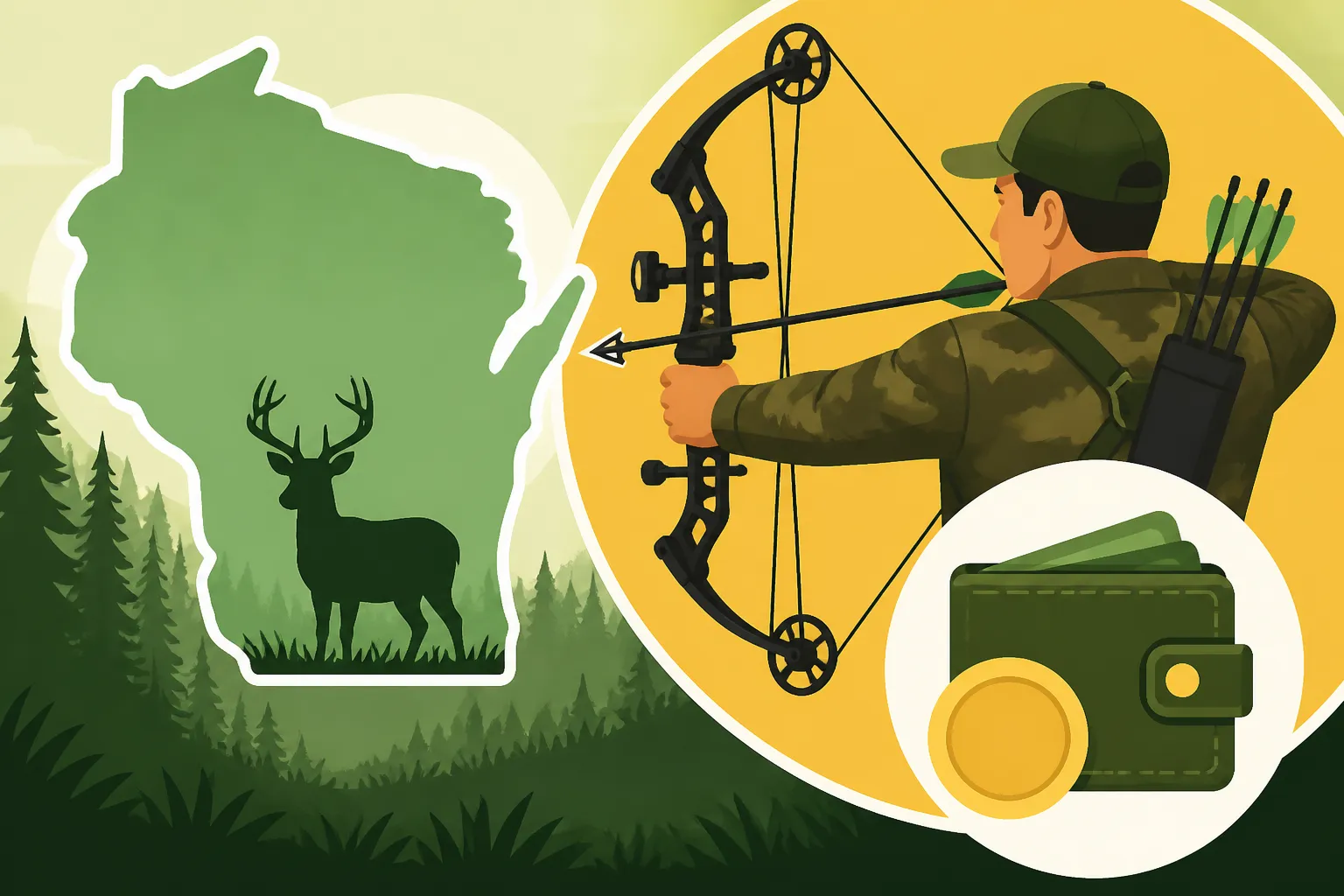
As of the current hunting year, the base cost for a Wisconsin Resident Archery License is typically around $24. This fee covers your general archery hunting privileges for deer and other small game (if applicable) for the entire license year. It's a pretty sweet deal when you consider the opportunities it unlocks. However, it's crucial to understand that this is just the base fee.
You might encounter additional costs if you plan on pursuing other specific game. For instance, if you're dreaming of chasing turkeys with your bow, you'll need to apply for a separate turkey authorization. Similarly, bear hunting requires a special permit that is often drawn via a preference point system. And if you're thinking about waterfowl, you'll need federal and state duck stamps, which are separate purchases. So, while the archery license is just $24, your total hunting budget might need to account for these extra stamps and permits depending on your ambitions. For a broader look at all costs, check out Wisconsin Hunting Licences and What They Cost.
The Importance of Bonus Antlerless Tags
Here's where some hunters get tripped up, especially newer ones. Your $24 resident archery license typically includes one harvest authorization for an antlered deer (a buck). But what if you want to fill your freezer with some delicious venison and you're hoping to take a doe? That's where bonus antlerless tags come into play. These tags allow you to harvest a female deer, and they are allocated differently across the various deer management zones in Wisconsin.
In some zones, especially those with higher deer populations, these bonus antlerless tags might be quite affordable, sometimes just a few dollars, or even available for free during certain periods on public land. In other areas, particularly where deer populations are managed more conservatively, they might be harder to come by or carry a slightly higher cost. It’s absolutely vital to check the specific regulations for your hunting area each year before heading out. Understanding How Many Antlerless Tags You Can Buy and the local allocations will save you a lot of headache and ensure you're hunting legally.
Navigating the Go Wild System and Purchase Options
In today's digital age, buying your hunting license is a breeze, a far cry from the days of long lines at the local bait shop or DNR office. Wisconsin has embraced technology with its "Go Wild" system, making the process incredibly convenient. This online portal is a one-stop shop for all your licensing needs, allowing you to purchase, print, and even carry your licenses electronically.
As someone who remembers the paper license and having to stop at a physical vendor every time, the Go Wild system is a game-changer. It's designed to be user-friendly, but like any online system, it can take a moment to get familiar with if you're new to it. Don't worry, once you're in, you'll see how streamlined it is.
Online Purchase Through Go Wild
The most popular and efficient way to purchase your Wisconsin resident archery license is through the Go Wild online licensing system. You simply head to the Wisconsin DNR's Go Wild portal, create an account if you don't already have one (or log in), and follow the prompts. The system will guide you through selecting the correct license type, asking relevant questions, and processing your payment. It's intuitive, secure, and available 24/7, meaning you can buy your license whenever it's most convenient for you. For detailed instructions, check out Buying Wisconsin Licences on Go Wild.
Once purchased, you'll have the option to print your license at home or save an electronic copy to your mobile device. Speaking of mobile, having your license proof on your phone is super handy; just make sure your battery doesn't die in the field! You can find more practical advice on Carrying Licence Proof on Your Phone. The Go Wild system, a robust platform, makes securing your licenses straightforward. But beyond the purchase, planning your season is key. Resources like the maps and data offered by GoHunt can be incredibly useful for optimizing your efforts once you have your license.
In-Person Retailers
While the online Go Wild system is fantastic, sometimes you just prefer the traditional way or you might have questions that a real person can answer. Thankfully, Wisconsin still maintains a network of authorized license agents across the state. These are often local sporting goods stores, bait shops, and even some larger retailers like Gander Outdoors or Cabela's. These vendors can assist you in purchasing your license, answering basic questions, and printing out your physical documents on the spot.
This option is particularly great if you're looking to support local businesses, or if you're picking up your gear and want to handle all your hunting preparations in one go. Just be sure to call ahead to confirm their hours and that they are an authorized agent. They can often provide valuable local insights, too, which you won't get from a website!
Planning Your Hunt with Tools Like GoHunt
Having your license in hand is just step one. What about finding those prime hunting spots, understanding property boundaries, or even predicting deer movement based on historical data? This is where tools from companies like GoHunt really shine. These advanced mapping and data platforms can overlay critical information like public land boundaries, timber stand types, topography, and even historical harvest data onto high-resolution aerial imagery.
For a resident archery hunter, this kind of information is invaluable. You can scout from your couch, identify potential pinch points, bedding areas, and food sources, and formulate a game plan long before you ever set foot in the woods. While the Go Wild system handles the legal aspect of getting your tag, supplementing that with a powerful planning tool can seriously elevate your chances of success and make your time in the field more productive and enjoyable.
Maximizing Your Archery Season Experience in Wisconsin
So, you've got your resident archery license in hand. Now what? The beauty of Wisconsin's archery season is its length and diversity. It kicks off early, often in mid-September, and runs well into January, overlapping with the gun seasons and providing opportunities through a range of conditions, from crisp autumn days to snowy winter landscapes. Making the most of this extended season requires more than just a license; it demands preparation, strategy, and a deep understanding of deer behavior.
From early season patterns focusing on food sources to the madness of the rut in November and the challenge of late-season cold, each phase offers unique opportunities and requires different tactics. It’s a marathon, not a sprint, and your resident archery license is your entry pass to all of it.
Key Dates and Season Structure
Wisconsin's archery season is one of the longest in the country, providing ample opportunity for hunters. It typically opens in mid-September and continues through the gun season, finally wrapping up in early January. This extended period means you can hunt during the warm early season, experience the peak of the rut, and even brave the late-season cold. Knowing the exact dates for each year is critical, as they can shift slightly. You can find the most current information on Wisconsin Archery Deer Season Dates.
This long season also means you need to be adaptable. Early season bucks might still be on predictable summer patterns, hitting agricultural fields or specific mast crops. By the time the rut hits, their focus shifts dramatically to breeding, making rattling and grunting effective. And in the late season, food sources become paramount. Platforms like GoHunt can also provide overlay maps with land ownership and habitat features, helping you pinpoint those elusive public access points.
Essential Gear and Preparation
Beyond your bow or crossbow, having the right gear is paramount for a successful and safe archery season. This includes everything from your broadheads and arrows, ensuring they're properly tuned and accurate, to your choice of clothing. Layering is key in Wisconsin, especially with the drastic temperature swings you can experience from September to January. Good insulated boots are a must, as are quality rain gear and a comfortable pack for all your essentials. For advice on specific gear, you might look into topics like Bow Draw Weight for Wisconsin Whitetails.
Preparation also means knowing your hunting spot intimately. Scouting before the season, understanding deer travel routes, bedding areas, and food sources, is far more impactful than just showing up on opening day. Whether you're using detailed topo maps or a sophisticated app like GoHunt to identify key pinch points, the more you know about your hunting ground, the better. And don't forget safety gear, like a full-body harness for your treestand. Setting up your Treestand Setups in Wisconsin Hardwoods safely and strategically is a cornerstone of archery hunting success.
Understanding Deer Behavior in Different Zones
Wisconsin is a state of varied landscapes, and deer behavior reflects that diversity. A deer in the vast conifer swamps of the northern forest will behave differently than a deer in the fragmented farmlands of southern Wisconsin or the steep coulees of the Driftless Area. Your resident archery license allows you to hunt in all these zones, but your strategy will need to adapt.
For example, in the Northern Forest, deer densities might be lower, and bucks might travel greater distances, making still-hunting or methodical tracking more effective. In contrast, the Farmland Zone often holds higher deer numbers, and patterns might revolve heavily around agricultural crops and small woodlots. Understanding Wisconsin Deer Seasons and Zones and the specific characteristics of your chosen hunting area will allow you to tailor your approach, making your archery season more effective and enjoyable. The more you learn about your specific area, the better your chances of encountering that elusive whitetail.
Here’s a quick glance at some common Wisconsin resident license costs for comparison:
| License Type | Resident Cost (Approx.) | What it Generally Covers |
|---|---|---|
| Archery/Crossbow Deer | $24 | Archery/Crossbow deer (antlered), small game |
| Gun Deer | $24 | Gun deer (antlered), small game |
| Conservation Patron (Annual) | $165 | Comprehensive package: gun, archery, small game, fishing, state stamps |
| Turkey (per authorization) | $15 | One turkey during a specific period/zone |
| Small Game | $18 | Small game, no deer/bear/turkey privileges |
Note: Costs are approximate and subject to change annually by the Wisconsin DNR. Always verify current prices before purchasing.
Disclaimer
Please remember that hunting regulations, license costs, and season dates are subject to change. Always consult the official Wisconsin Department of Natural Resources (DNR) regulations and current year handbooks before planning any hunting activities. This guide is for informational purposes only and should not be considered legal advice.