Wisconsin Archery and Crossbow Seasons
Many deer hunters in Wisconsin eagerly anticipate the extended archery and crossbow seasons, offering unique opportunities to be in the woods for a longer stretch, sometimes from crisp September days right through the heart of winter. However, navigating the specific regulations, license requirements, and season structures for both weapon types can feel like trying to untangle a mess of fishing line. This guide aims to clear up all that confusion, giving you a crystal-clear understanding of Wisconsin's archery and crossbow seasons so you can hit the woods prepared and confident, maximizing your time afield.
Understanding Wisconsin's Archery and Crossbow Season Structure
Wisconsin offers one of the most generous archery and crossbow seasons in the country, providing hunters with an incredible amount of time to pursue whitetails. This extended window is a huge draw for many, allowing for diverse hunting strategies from early-season patterns to the peak of the rut and even deep into winter. But while the season is long, it's not without its nuances, especially when considering how archery and crossbow hunting intertwines with other deer seasons.
Shared Season Dates and Overlap
The beauty of Wisconsin's archery and crossbow seasons lies in their extensive duration. Typically, the season kicks off in mid-September, often coinciding with cooler weather and deer still mostly in summer patterns. For many years now, the crossbow season has run concurrently with the traditional archery season, making it easier for hunters to switch between the two if they wish, or for new hunters to get involved with the ease of a crossbow. This shared timeframe means that whether you're drawing a compound bow or shouldering a crossbow, you're generally operating under the same calendar dates. This year, for example, the season opens in September and runs continuously until the week before the gun deer season. After the gun season concludes, it reopens in December and extends all the way through the first week of January. This lengthy period means hunters have multiple opportunities to be in the woods, experiencing different phases of the deer's annual cycle.
What often trips people up is the overlap with other hunting periods. For instance, both archery and crossbow seasons run straight through the traditional nine-day gun deer season in November. This can be a double-edged sword: on one hand, it allows dedicated archers to stay in the woods even when the orange army is out; on the other, it introduces a whole new set of rules regarding blaze orange clothing requirements during that specific nine-day stretch. It's crucial to be aware of these overlaps and adjust your gear and tactics accordingly. Knowing When Wisconsin's Archery Season Opens and understanding these critical overlap periods is essential for planning your hunts.
Specific Rules for Each Weapon Type
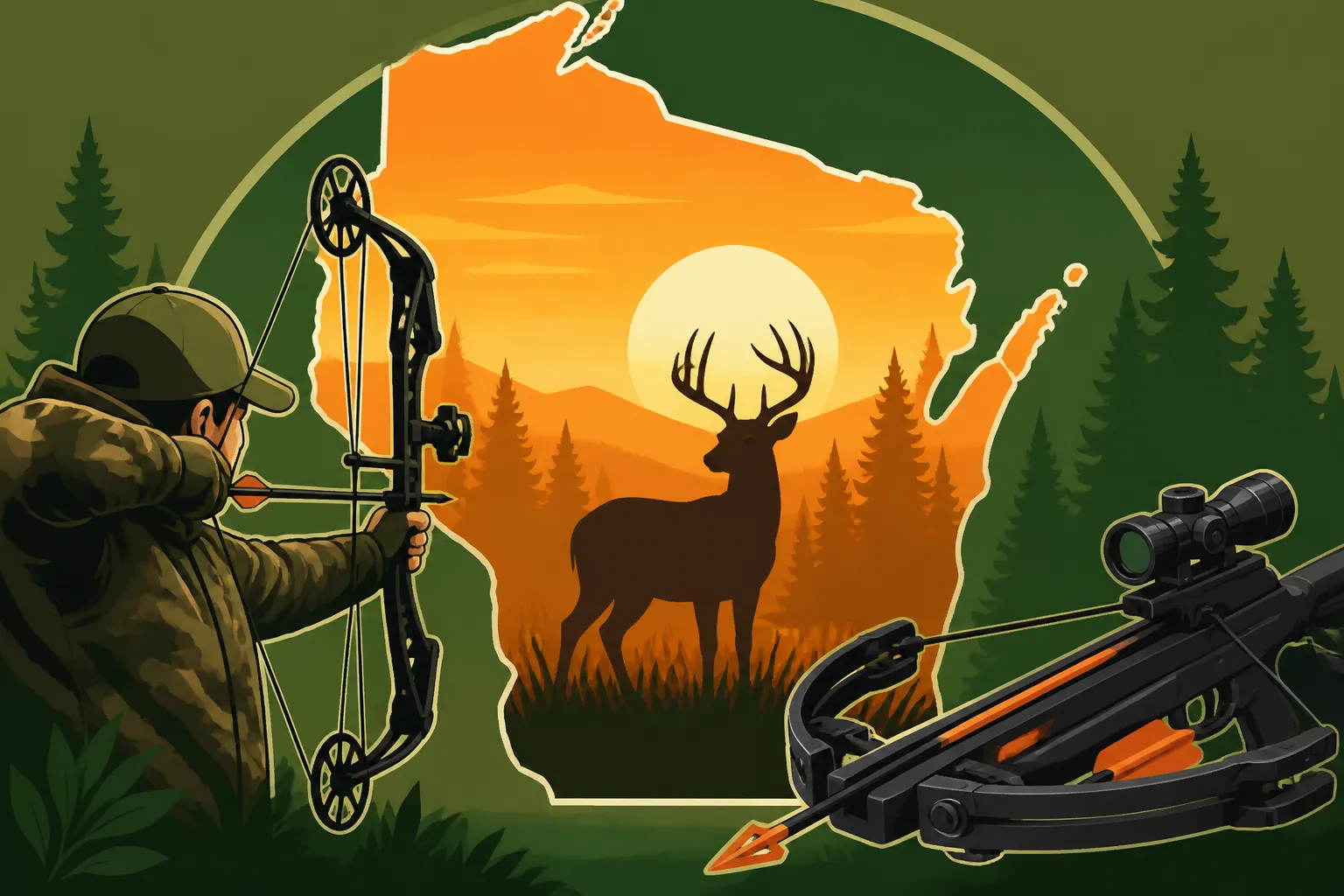
While archery and crossbow seasons share the same general dates, there are distinct rules that apply to each weapon. For traditional archery, this means using a vertical bow – compound, recurve, or longbow – with a minimum draw weight and arrow length designed for hunting. You’re typically looking at broadheads with a certain cutting diameter. The focus is on the skill of drawing, holding, and releasing under pressure, often with deer at closer ranges. Archery hunting demands a particular kind of stealth and precision, making the stalk and shot a truly intimate experience.
Crossbows, on the other hand, are regulated differently in some states, but in Wisconsin, they are very much integrated. The law treats them with enough similarity to traditional bows that they share the same season dates, but they come with their own set of characteristics. A crossbow, as the name suggests, is a bow-like device mounted horizontally on a stock, fired like a rifle. This provides stability and often a higher degree of accuracy for hunters who might struggle with the physical demands of a vertical bow, or for those simply preferring the platform. There are no special permits required to use a crossbow in Wisconsin if you have a valid archery license, which is a big relief for many who transition or start with this method. Understanding the nuances of Crossbow Versus Vertical Bow in Wisconsin can help you decide which is right for you. It’s important to note that specific regulations, like minimum draw weights or bolt specifications, are outlined by the Wisconsin DNR and are subject to change, so always check the latest regulations before heading out.
Early and Late Season Considerations
The length of Wisconsin's archery and crossbow seasons means you're hunting through vastly different conditions and deer behaviors. The early season, from September into mid-October, is characterized by warm weather, lush foliage, and deer often still on fairly predictable food-to-bed patterns. This is a time when white oaks dropping acorns can be an absolute magnet for deer, as can standing alfalfa or soybean fields. However, the warmer temperatures also mean that game care after the shot is paramount. You need a plan to cool down and process your deer quickly to prevent spoilage, often involving good quality Coolers and Game Bags for Early Archery. This period also sees less hunting pressure, especially during weekdays, offering a more peaceful experience.
As the season progresses into November, you move into what many hunters consider the most exciting time: the rut. This is when bucks are actively seeking does, often throwing caution to the wind, making them more visible and responsive to calls. Hunting during this time, particularly during Hunting the Peak Rut Week in Wisconsin, demands different strategies, from rattling and grunting to focusing on travel corridors. Finally, the late season, from December into January, presents its own unique set of challenges and rewards. Deep snow and bitter cold can make for tough hunting, but deer are often concentrated around persistent food sources, and the lack of foliage offers better visibility. This is a quiet, often solitary time in the woods, requiring warm gear and a keen eye for deer sign. Hunters looking to extend their season might find success during Hunting Wisconsin's Late Archery Season by focusing on these crucial late-season food sources and bedding areas.
Licensing and Authorization Requirements
Navigating hunting licenses can sometimes feel like a puzzle, but Wisconsin's system is generally straightforward, particularly for archery and crossbow seasons. Understanding what you need to purchase and how tags work is the first step toward a legal and successful hunt. The Go Wild system has streamlined much of this, making it easier than ever to get your necessary permits.
Purchasing Your Archery or Crossbow License
To hunt deer with either a vertical bow or a crossbow in Wisconsin, you'll need to purchase an Archery or Archery/Crossbow license. When you visit the Go Wild website or a license vendor, you'll typically see an option for an "Archery License" which inherently covers both weapon types in Wisconsin. This is a huge convenience, as it means you don't need a separate permit if you decide to switch from a traditional bow to a crossbow mid-season, or if you simply prefer the versatility. The cost of this license can vary slightly depending on your residency status. Wisconsin Hunting Licences and What They Cost gives a broader overview, but specifically for archery, a Wisconsin Resident Archery Licence Cost is usually quite reasonable, making deer hunting accessible for many residents. Non-residents, while paying a higher fee, also have full access to this expansive season.
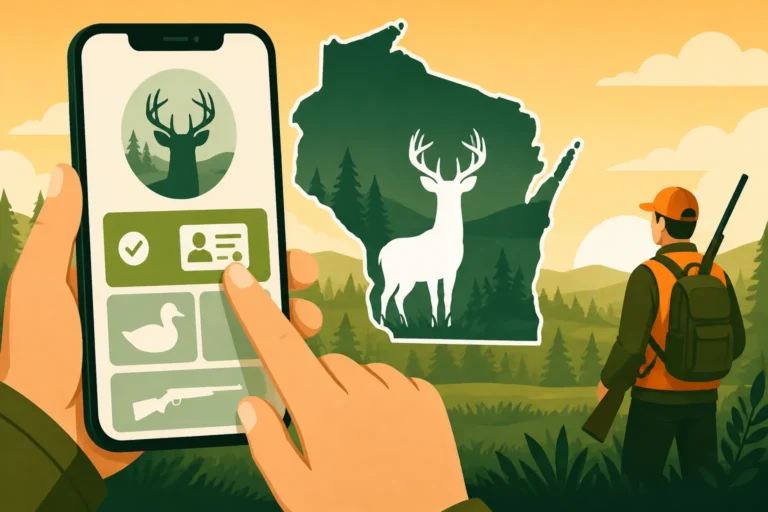
It’s important to remember that these licenses are generally valid for the entire hunting year, typically running from April 1st to March 31st of the following year, regardless of when you purchase them. So, if you buy your license in August, it's good through the following March. Always make sure your license is current before stepping into the field. The Go Wild system allows for easy online purchase and even offers a mobile app where you can store your license, which is incredibly handy when you're out in the field and need to quickly show proof of licensure.
Antlerless Tags and How They Work
Beyond your primary Archery/Crossbow license, you'll also need authorizations to harvest deer. Every Archery/Crossbow license comes with one "archery buck" tag (technically called an "antlered deer authorization"), valid statewide. This means you can harvest one antlered deer with your bow or crossbow. For antlerless deer, the system becomes a bit more dynamic. Wisconsin utilizes what are called "Bonus Antlerless Deer Authorizations," which are separate tags that hunters can purchase in addition to their regular license. The number and availability of these bonus tags vary by county and deer management zone, reflecting local deer population goals and harvest quotas.
These bonus tags are crucial for managing deer herds and can significantly increase your harvest opportunities. They are often designated for specific land types (public or private) and sometimes for specific units. For instance, you might find a county has "Bonus Antlerless Deer Tag – Private Land" available, meaning you can use that tag only on private property within that county. Conversely, some counties might offer "Bonus Antlerless Deer Tag – Public Land" or tags valid for both. Pay close attention to these designations! When Bonus Antlerless Sales Open, it’s often a mad dash to secure tags in popular counties, so being ready to purchase them quickly is key. The Wisconsin DNR provides detailed maps and information on tag availability, which is regularly updated and easily accessible through resources like the GoHunt platform.
Special Permits and Considerations
While the basic Archery/Crossbow license and bonus tags cover most hunting scenarios, there are a few other considerations that might apply to your hunt. For instance, if you're hunting within specific state park boundaries that allow deer hunting, there might be additional permits or special regulations you need to adhere to. Similarly, some managed properties or wildlife areas might have their own unique draw systems or access rules. These are usually clearly outlined on the DNR website or directly at the property.
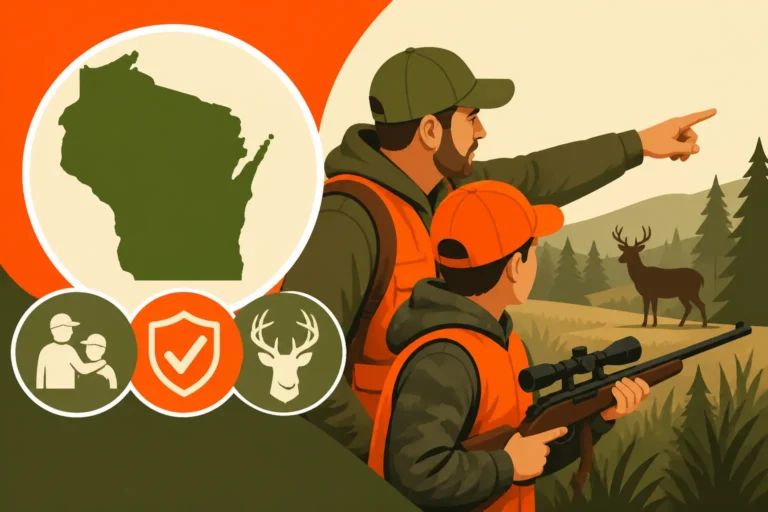
Another important aspect is Hunter Safety. If you were born on or after January 1, 1973, you generally need to complete a hunter education course to purchase a hunting license in Wisconsin. There is an exception for mentored hunting, allowing unlicensed hunters to hunt under the direct supervision of a licensed mentor. This program is fantastic for introducing new hunters to the sport safely and responsibly. It’s always best practice to check the specific requirements based on your age and experience level. While not directly a "permit," understanding and adhering to Wisconsin Baiting and Feeding Bans is also critically important, as these can be county-specific and change based on CWD detections. Violating baiting regulations can lead to significant penalties, and it's something every hunter needs to stay on top of.
Key Regulations Affecting Bow and Crossbow Hunters
Beyond simply having the right license and tags, a successful and legal hunt in Wisconsin requires a solid understanding of several key regulations. These rules are in place for safety, wildlife management, and to help control the spread of diseases. Ignoring them can quickly turn a great hunting trip into a frustrating, and potentially costly, experience.
Baiting and Feeding Bans
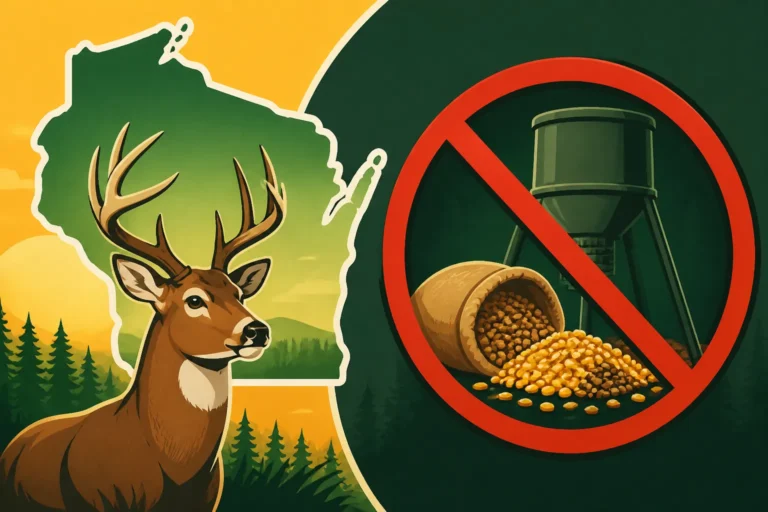
This is perhaps one of the most talked-about and often confusing regulations for Wisconsin deer hunters, especially those traveling from out of state or moving between counties. Wisconsin has a complex system for baiting and feeding bans, primarily driven by the presence and spread of Chronic Wasting Disease (CWD). If a county has a confirmed CWD positive deer, or if it directly borders a county with a CWD positive, a baiting and feeding ban is automatically triggered. This ban typically lasts for two years after the last CWD detection in that county or its immediate neighbors.
What does this mean for you, the archery and crossbow hunter? It means you must check the current regulations for the specific county you plan to hunt in. You cannot assume what was allowed last year, or in a neighboring county, is allowed this year. "Baiting" generally refers to placing food, minerals, or other attractants to draw deer for hunting purposes. "Feeding" refers to placing these items out simply to attract deer for viewing or other non-hunting purposes. Both are typically banned in CWD-affected counties. The Wisconsin DNR website is the definitive source for up-to-date information on Wisconsin Baiting and Feeding Bans, and many hunters use tools like the GoHunt app to quickly verify county-specific regulations on the fly. It's a real frustration for many when a ban is put in place, especially if you've historically used bait, but it's a critical rule to follow. Ignoring these bans isn't just a minor infraction; it carries significant fines and penalties.
Blaze Orange and Pink Requirements
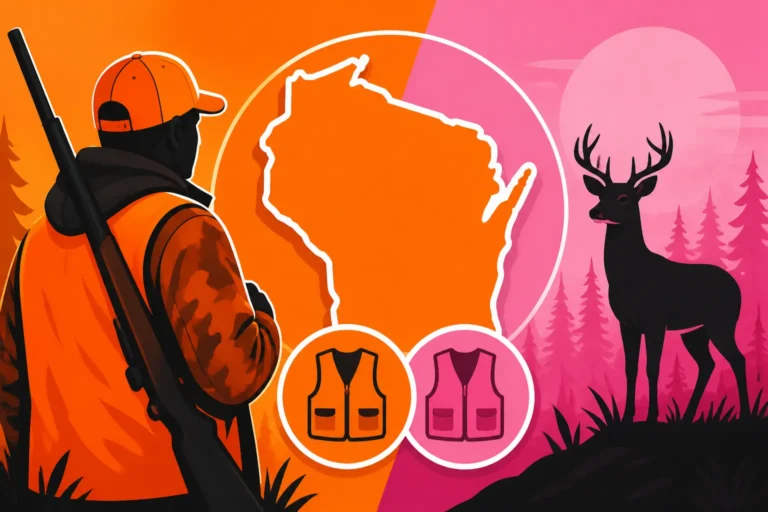
For much of the archery and crossbow season, specifically outside the November gun deer season, blaze orange (or blaze pink) is NOT required for bow or crossbow hunters. This allows archers to utilize camouflage effectively and blend into their surroundings, which is often crucial for close-range bow hunting success. However, there's a very important exception: during the nine-day gun deer season in November, all hunters, including those using bows or crossbows, are required to wear blaze orange or blaze pink.
Specifically, you need to wear at least 50% blaze orange or blaze pink on your head, and 50% of your outermost clothing above the waist must also be blaze orange or pink. This includes hats, jackets, vests, or any other visible outer layer. This regulation is purely for safety, ensuring that all hunters are highly visible to each other during the busiest and most firearm-intensive part of the deer season. If you plan to archery or crossbow hunt during those nine days, make absolutely sure you're compliant. Failing to wear the appropriate blaze orange or pink during the gun season is a safety risk and a violation that can lead to a citation. Many hunters keep a lightweight blaze orange vest and hat in their pack specifically for this period.
Carcass Movement and CWD Testing
Chronic Wasting Disease (CWD) is a serious concern for Wisconsin's deer herd, and the DNR has implemented regulations to help monitor and control its spread. One of the most critical regulations for hunters, particularly after a successful harvest, involves the movement of deer carcasses. If you harvest a deer in a CWD-affected county, there are strict rules about what parts of the carcass you can move out of that county. Generally, you can only transport boned-out meat, quarters with no spinal column or head attached, clean skulls, hides, and antlers (with no brain tissue). Whole carcasses or spinal columns cannot be transported out of CWD-affected counties.
This means you might need to process your deer at a local butcher or on-site if you're hunting in a CWD zone and plan to travel home to a non-CWD county. The goal is to prevent the transport of potentially infected neurological tissue, which carries the highest concentration of CWD prions. Additionally, hunters are strongly encouraged, and sometimes required in certain areas, to have their harvested deer tested for CWD. The DNR provides free CWD sampling kiosks and cooperating meat processors throughout the state. Participating in CWD surveillance is vital for understanding the disease's prevalence and helps wildlife managers make informed decisions. Knowing Wisconsin Carcass Transport Rules is not just about compliance; it's about being a responsible steward of the deer herd.
Strategic Planning for Archery and Crossbow Success
The long Wisconsin archery and crossbow season isn't just about having more time; it's about having more opportunities to adapt and strategize. Deer behavior changes dramatically from September to January, and a successful hunter knows how to adjust their approach. Whether you're targeting public land giants or private land opportunities, thoughtful planning makes all the difference.
Hunting Public Versus Private Land
Wisconsin offers a fantastic amount of public hunting land, from expansive national and state forests to numerous county forests and wildlife areas. This access is a huge asset for archery and crossbow hunters, but it also comes with its own set of challenges, primarily hunting pressure. During the early season, public land can be quieter, but as the rut approaches and especially during the gun season, popular spots can get crowded. Finding success on public land often means going where others won't – walking farther, tackling thicker cover, or hunting less obvious travel routes. Hunting Pressure on Wisconsin Public Land is a very real factor, and understanding how to navigate it by scouting thoroughly and finding overlooked pockets can pay huge dividends. Using mapping apps like those offered by GoHunt, you can identify remote access points and potential bedding areas away from roads and trails.
Private land, of course, offers a different dynamic. If you have access to private property, you often benefit from reduced pressure and potentially better deer quality, especially if the landowner practices good management. However, securing permission can be a challenge. Building relationships with landowners, offering to help with chores, and always being respectful of their property are key. On private land, you can often implement more consistent long-term strategies, such as developing food plots or managing habitat more actively, which can be immensely rewarding for archery and crossbow hunting.
Leveraging Early Season Opportunities
The early archery and crossbow season, particularly September and early October, provides a unique window to pattern deer before they become highly pressured and before the chaos of the rut begins. During this time, deer are primarily focused on food, often hitting agricultural fields (like corn, alfalfa, or soybeans) in the evenings, or seeking out mast crops such as acorns. This is your chance to observe deer from a distance, identify consistent travel routes, and pinpoint specific feeding areas.
Setting up stands on the edges of these food sources, or along trails leading from bedding to feeding, can be incredibly effective. However, stealth is paramount. Deer are less tolerant of intrusion early in the season, and any careless entry or exit to your stand can blow an entire area. Also, with warmer temperatures, scent control is even more critical. Think about the wind direction constantly, even more so than later in the year. This period is also when bucks are still mostly in bachelor groups, which can offer multiple buck opportunities if you find the right spot. Many seasoned archers specifically target these early weeks before the rut, relishing the more predictable patterns and quieter woods.
Adapting to the Rut and Late Season Challenges
As October progresses into November, deer behavior dramatically shifts with the onset of the pre-rut and then the peak rut. Bucks abandon their bachelor groups and begin to actively seek does, making them much more mobile and less predictable. This is often the most exciting, and sometimes frustrating, time to hunt. Scrapes and rubs become common, and bucks will be covering significant ground. Hunting the Peak Rut Week in Wisconsin is about capitalizing on this heightened activity. Strategies like rattling antlers, grunting, and using doe bleats can be highly effective in drawing a curious buck into range. Focusing on travel corridors, pinch points, and funnel areas where bucks are likely to move between bedding and historical doe activity is key.
The late season, from December through January, presents the biggest challenge with colder temperatures, snow, and deer often recovering from the rut. Deer become very focused on conserving energy and finding reliable food sources. This means switching your focus to areas with persistent food, such as standing corn, brassicas, or any remaining acorn crops, especially if other food sources are buried under snow. Thermal cover, like cedar swamps or thick conifer stands, becomes vital as bedding areas. Hunting Wisconsin's Late Archery Season requires a different level of toughness and patience, but it can be incredibly rewarding. Deer are often concentrated, and if you can brave the cold and locate their winter sanctuaries, you might find success when many other hunters have packed it in. Layering clothing, having insulated boots, and bringing hand warmers are not luxuries in the late season; they are necessities.
Equipment Considerations for Wisconsin Hunters
Having the right gear for Wisconsin's diverse conditions and hunting scenarios is paramount for both safety and success. Archery and crossbow hunting specifically require attention to detail regarding your weapon, how you hunt from an elevated position, and crucial safety equipment.
Bow and Crossbow Specifics
Whether you choose a vertical bow or a crossbow, ensuring your equipment is properly tuned and suited for Wisconsin hunting conditions is the first step. For vertical bow hunters, this means having a bow with sufficient draw weight for clean, ethical kills, often with a minimum of 40 pounds for deer. Your arrows should be properly spined for your bow, and your broadheads sharp and designed for maximum penetration. Fixed blade broadheads are a classic choice for their reliability, while mechanical broadheads can offer a larger cutting diameter upon impact. Regularly practicing your shooting from various positions and distances is crucial, especially those closer, awkward shots you might encounter in thick timber.
For crossbow hunters, Crossbows Under Wisconsin Rules are widely accepted and popular. Ensuring your crossbow is sighted in accurately is critical, as well as understanding its effective range. Crossbows typically offer flatter trajectories than vertical bows, but they are not rifles, and shot placement remains paramount. Many crossbows are now equipped with scopes, which need to be durable and clear enough for low-light conditions. Just like vertical bows, having sharp, well-matched bolts and appropriate broadheads is essential. Regardless of your weapon choice, regular maintenance, checking strings, cables, and limbs for wear, and ensuring all components are in top condition, will prevent issues in the field.
Stand Setups and Safety Gear
Most archery and crossbow hunting in Wisconsin involves hunting from an elevated position, whether it's a permanent stand on private land, a climbing stand, or a hang-on stand with climbing sticks on public land. Elevated hunting offers significant advantages: it gets your scent above the deer's primary detection zone, provides a better vantage point, and allows for cleaner shot angles. However, it also introduces safety concerns.
If you're hunting public land, be sure to know the regulations regarding leaving stands overnight, the use of screw-in steps, and any tree damage policies. Many public lands allow portable stands but require them to be removed daily or within a certain timeframe. For example, some county forests allow stands to be left for longer periods, while state wildlife areas might be more restrictive. Regardless of where you hunt, a safety harness is non-negotiable. Every time you leave the ground, you should be wearing a full-body safety harness from the moment your feet leave the ground until they are back on solid earth. This includes using a lifeline for hang-on stands to ensure you are tethered during the entire ascent and descent. Don't become a statistic; falls from treestands are a leading cause of hunting accidents. Investing in quality gear for Treestands and Saddles on Public Land, including sturdy climbing sticks and a reliable safety harness with a lifeline, is an investment in your well-being. Modern options like saddle hunting have also gained popularity for their portability and versatility, offering another safe way to hunt from elevated positions, especially when navigating diverse Wisconsin timber.
Disclaimer
Please remember that hunting regulations, season dates, and license requirements in Wisconsin are subject to change. Always consult the official Wisconsin Department of Natural Resources (DNR) website or their current hunting regulations pamphlet before planning any hunting trip to ensure you have the most up-to-date and accurate information. This guide provides general information and recommendations but is not a substitute for official DNR publications.