Wisconsin’s Blaze Orange and Pink Options
The confusion surrounding blaze orange and now, blaze pink, can feel like navigating a dense thicket when all you want to do is get out into the woods safely. It's not just about wearing a color; it's about understanding the nuances of Wisconsin's hunting regulations to keep yourself and others safe. This guide aims to clear up all the uncertainties, helping you choose and wear the right gear for your next hunt.
Why Blaze Orange (and Pink) Matters in Wisconsin
When you pull on your hunting gear, the vibrant splash of blaze orange or pink isn't just a fashion statement; it's a critical safety measure, deeply embedded in Wisconsin's hunting culture and laws. Many hunters might view it as an inconvenience, especially when trying to stay concealed, but the science and statistics behind its requirement are compelling. It's all about making sure you can be seen by other hunters, even when you can't see them.
The Core Purpose: Visibility and Accident Prevention
Think about how many times you've been walking through thick timber or even an open field, and a deer suddenly materializes out of nowhere. Now imagine that deer is another hunter. That's the scenario blaze orange and pink are designed to prevent. These colors aren't naturally occurring in the forest in the fall, making them stand out dramatically against the browns, grays, and fading greens. Unlike deer, which are largely red-green colorblind, humans see these hues brilliantly. This distinction is paramount for preventing tragic misidentification accidents, especially during crowded gun seasons or on heavily used public lands. It gives fellow hunters a chance to identify you as human, even if you're partially obscured by brush or at a distance. It's a mutual respect for safety that every hunter shares, whether they realize it or not.
Understanding the Law: Not Just a Suggestion
It's easy to think of blaze orange as a recommendation, but in Wisconsin, it's a strict legal requirement during specific hunting seasons. Ignoring these rules isn't just dangerous; it can lead to fines and even loss of hunting privileges. The Department of Natural Resources (DNR) sets these regulations based on years of safety data and best practices to protect everyone afield. These laws are not arbitrary; they are a direct response to preventable accidents. Knowing precisely when and how much blaze material you need is as important as knowing your firearm safety rules or how to field dress a deer. It's part of being a responsible hunter. Before heading out, many experienced hunters will consult resources like Scouting With the Wisconsin Hunt Wild App or even specialized hunting apps like GoHunt, which often have regulatory summaries, to double-check current requirements.
Wisconsin's Blaze Orange Requirements: The Nitty-Gritty
Wisconsin's blaze orange regulations are fairly straightforward once you break them down, but it's crucial to understand the specifics. It's not a one-size-fits-all rule, and depending on the season and what you're hunting, the requirements can shift. Missing these details could put you at risk or in violation.
Minimum Coverage: What the Law Says You Need
During certain seasons, Wisconsin law mandates that hunters wear a minimum amount of blaze orange (or blaze pink, which we'll get into shortly). This typically means at least 50% of the hunter's outer clothing above the waist must be blaze orange or pink, and this includes a hat. Picture a vest and a cap – that's the classic combination that meets the standard. The idea isn't to cover every inch of your body, but to provide highly visible surfaces that are easily seen from all angles. For example, if you're wearing a camouflaged jacket, you'd need a substantial blaze orange vest over it, ensuring that front, back, and sides are covered, along with a blaze cap. This isn't just for stationary hunting; it applies equally when you're still-hunting through the timber or performing a deer drive. The key is visibility for yourself and others.
Specific Seasons and Situations: When It's Mandatory
The most prominent season where blaze orange/pink is mandatory is, of course, during Wisconsin's Nine-Day Gun Deer Season. This is when the woods are most crowded, and visibility is paramount. However, it's not limited to just the nine-day hunt. It also applies during the muzzleloader deer season, the youth deer hunt, and any other gun deer season, including the late antlerless hunts. If you're hunting small game with a firearm during any period that coincides with a gun deer season, you'll also need to wear your blaze gear. This is a common point of confusion for squirrel or rabbit hunters who might not be thinking about deer. Even if you're just walking to your stand during a gun season without a firearm, you're still expected to comply. Always check the current regulations for Wisconsin Deer Seasons and Zones to be certain.
Exceptions to the Rule: When You Can Go Without
While blaze orange or pink is a cornerstone of safety, there are specific situations where it's not required. Generally, if you're hunting deer with archery equipment (a vertical bow or crossbow) outside of a gun deer season, you don't need to wear it. So, during the early portion of Bowhunting Wisconsin's Long Archery Season in September and October, you can go full camo. Similarly, turkey hunters are typically not required to wear blaze colors, as their methods often rely on concealment to call birds in. The same goes for waterfowl hunters in blinds or predator hunters at night, where visibility to other humans might be less of a concern than remaining hidden from game. It’s always best to verify specific rules for your intended hunt. For instance, if you're hunting late-season coyotes with a rifle, and it overlaps with the Wisconsin Holiday Antlerless Hunt Dates, you'd need blaze orange. Always err on the side of caution and check the regulations carefully, perhaps even using a digital tool like the GoHunt app for on-the-go reference.
Embracing Blaze Pink: A Modern Option
Blaze pink entered the Wisconsin hunting scene a few years ago, offering an alternative that's just as effective in the field but provides hunters with more choice. This wasn't just a whim; it was a carefully considered addition based on scientific studies and legislative efforts.
The History and Science Behind Blaze Pink
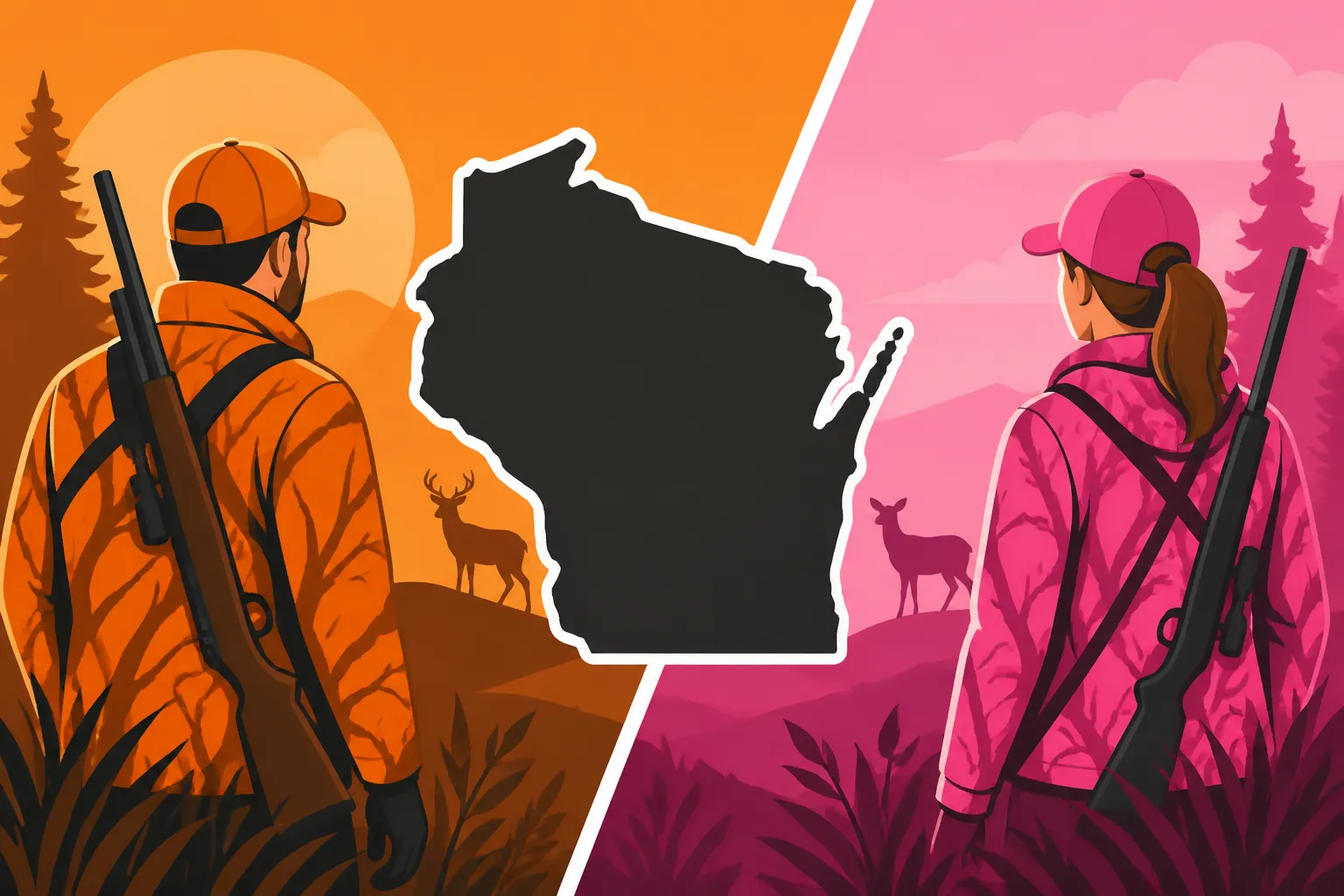
The introduction of blaze pink to hunting regulations in Wisconsin (and other states) was a deliberate effort to offer an alternative to traditional blaze orange, partly to encourage more women to participate in hunting by providing more clothing options, but primarily due to scientific backing. Studies have shown that blaze pink is just as, if not more, visible to the human eye in certain light conditions and against various natural backdrops than blaze orange. It relies on the same principle of high contrast against the greens and browns of the forest. While some critics initially dismissed it, the data consistently supports its efficacy in preventing hunting accidents. It's not about being "fashionable" in the woods; it's about being seen, and blaze pink delivers on that promise.
Where Blaze Pink is Legal in Wisconsin
The great thing about blaze pink in Wisconsin is that it's treated exactly the same as blaze orange under the law. Wherever blaze orange is required, blaze pink is also an acceptable alternative. This means during Wisconsin's Nine-Day Gun Deer Season, Muzzleloader Deer Hunting in Wisconsin, or any other firearm deer season, you can choose either color to meet the visibility requirements. This flexibility is fantastic, offering more choices in hunting apparel. You'll find jackets, vests, and hats in both colors from various outdoor retailers. This equal standing simplifies things for hunters: the critical factor is the blaze aspect, ensuring maximum visibility, regardless of whether it's orange or pink.
Choosing Between Orange and Pink: Personal Preference
So, with both options legally on the table, how do you choose? Honestly, it boils down to personal preference. Some hunters might find that blaze pink stands out even more vividly against certain fall foliage, while others are simply accustomed to blaze orange. It's worth noting that the way different lighting conditions – from bright midday sun to overcast dusk – interact with these colors can slightly vary their perceived intensity. Some argue that pink might be marginally more visible in low-light conditions, but both are designed to be highly conspicuous. The most important thing is to ensure whatever you choose meets the minimum coverage requirements. If you're looking to refresh your hunting wardrobe, considering both options allows you to pick what you feel most comfortable and visible in. I've seen folks go with pink, and they're just as visible as those decked out in orange.
Practical Considerations for Wearing Blaze Gear
Beyond just knowing the law, there are practical aspects to wearing blaze orange or pink that can enhance your comfort, safety, and overall hunting experience. It's not enough to simply throw on a vest; thinking about how it integrates with your other gear is key.
Layering for Comfort and Compliance
Wisconsin weather is famously fickle, especially during the fall hunting seasons. One day it's mild and sunny, the next it's sleeting sideways. This makes layering crucial, and your blaze gear needs to be part of that system. You'll want outer layers that incorporate the blaze color or are designed to be worn over your insulation. Many hunters opt for a blaze orange or pink shell jacket that offers wind and water resistance, or they choose a heavy blaze vest that can go over a variety of base and mid-layers.
Consider your activity level too. If you're Deer Drives With Three or Four Hunters in thick brush, you'll be exerting a lot of energy and might need to shed layers. Your blaze outer layer should be easy to put on and take off as needed, while always maintaining the legal visibility. For a long, cold sit in a treestand, a well-insulated blaze parka or bibs might be the way to go, ensuring you stay warm while remaining fully compliant. Some companies like GoHunt, for example, offer a wide range of specialized hunting apparel, including options that integrate blaze elements seamlessly into robust layering systems designed for active hunting or stationary sits. Don't forget your hat; a good blaze cap can also help retain warmth on a chilly morning.
Making Your Gear Last: Care and Maintenance
Your blaze orange and pink gear are safety tools, and like any tool, they need proper care to perform their best. Sunlight, dirt, sweat, and washing can all cause these vibrant colors to fade over time, reducing their effectiveness. Always follow the manufacturer's washing instructions, typically using cold water and a mild, scent-free detergent. Air-drying is often recommended to prevent heat damage and preserve color intensity. Avoid harsh bleaches or strong detergents, which can accelerate fading.
Before each season, give your blaze gear a thorough inspection. Are there any tears or holes that compromise its visibility? Has the color faded noticeably? If so, it might be time to replace it. A faded vest is less effective than a new one. Storing your gear properly, away from prolonged direct sunlight, can also extend its lifespan. Keeping your gear in top condition isn't just about aesthetics; it's about ensuring you're as visible as possible when it counts most.
Beyond the Basics: Accessories and Enhanced Visibility
While a vest and a hat meet the minimum, many hunters go above and beyond to maximize their visibility. Think about additional items that could help you stand out. A blaze orange backpack cover, for instance, can add a significant amount of visible material, especially if you're carrying a large pack that might obscure your back. Some hunters even wear blaze orange gloves, not only for warmth but to make hand signals more obvious during group hunts.
For those who use ground blinds, particularly on public land or near busy trails, a blaze orange strip or panel placed on the outside of the blind can be a smart move, alerting other hunters to your presence. Remember, the goal is to make it impossible for another hunter to mistake you for game. Every little bit of added visibility contributes to overall safety, reducing the chances of an unfortunate accident. You'll find many innovative solutions for Blaze Pink Gear and Where to Find It or orange versions, allowing you to customize your setup for maximum safety.
Common Misconceptions and FAQs
Despite the clear regulations and common-sense safety, there are still a few persistent myths and questions that pop up regularly regarding blaze orange and pink. Let's tackle some of these head-on.
"More is Better" vs. "Just Enough"
One common debate is whether you need to be completely covered in blaze orange or pink, or if just meeting the minimum requirements is sufficient. While the law specifies a minimum of 50% of outer clothing above the waist and a hat, the "more is better" philosophy certainly has its merits from a pure safety standpoint. If you're comfortable wearing more blaze material, it can only increase your visibility, especially if you're moving through dense cover or at a distance. However, simply meeting the legal minimum is enough to be compliant and is generally effective.
The trade-off often comes down to comfort and cost. A full blaze suit might be warmer or more cumbersome than a simple vest. The key is to find a balance where you are legally compliant, feel safe, and can hunt effectively and comfortably. Don't feel pressured to buy every blaze item available, but do think about scenarios where added visibility might be beneficial, such as when you're dragging a deer out or crossing a road.
The Impact on Deer Perception
This is perhaps the most common question I hear: "Does blaze orange (or pink) scare deer?" The short answer, based on scientific understanding of deer vision, is no. Deer are dichromatic, meaning their eyes only have two types of cones for color perception, unlike humans who have three. This makes them largely red-green colorblind. To a deer, blaze orange and pink appear as shades of gray or yellow, blending more into the background foliage than they do to human eyes.
What does alarm deer is movement, scent, and sound. A motionless hunter in blaze orange is far less likely to be detected by a deer than a camouflaged hunter who is fidgeting or making noise. So, while you might feel like a glowing beacon to other humans, rest assured that your bright colors aren't giving you away to that big buck. You can confidently wear your blaze gear, knowing it's protecting you without hindering your hunt. This scientific understanding is crucial for hunters who might be tempted to forgo safety for perceived stealth. For more on deer, check out White-Tailed Deer Across Wisconsin.
What About Other Hunters and Groups?
Another area of confusion can be the rules when hunting with a group, or when encountering other hunting groups on public land. Even if you're hunting with a party and everyone knows where each person is positioned, each individual is still responsible for meeting their own blaze orange/pink requirements. There's no group exemption. This is particularly important for activities like Deer Drives on Wisconsin Public Land, where coordinated efforts mean people are moving through the woods.
When sharing public land, remember that you'll encounter all types of hunters – those still-hunting, those in stands, and those moving. Your blaze gear acts as a universal sign of "human" to everyone, regardless of their hunting style or whether they are part of your group. It's about collective safety and respecting every individual's right to a safe hunting experience. Always assume there are other hunters in the woods, even if you don't see them, and let your blaze gear do its job. Checking resources like Hunting Pressure on Wisconsin Public Land can give you an idea of areas where you might encounter more hunters.
Below is a quick overview of Wisconsin's blaze orange/pink requirements by season. Remember to always consult the official DNR regulations for the most current and specific details.
| Season/Method | Blaze Requirement | Notes |
|---|---|---|
| Gun Deer Seasons (all) | Mandatory: 50% above waist, including a hat | Applies to 9-day gun, muzzleloader, youth, holiday antlerless. |
| Small Game (during gun deer) | Mandatory: 50% above waist, including a hat | If hunting small game with a firearm during any gun deer season. |
| Archery/Crossbow Deer (outside gun) | Not required | During early archery and late archery when no gun season is open. |
| Archery/Crossbow Deer (during gun) | Mandatory: 50% above waist, including a hat | If bowhunting during any open gun deer season. |
| Turkey Hunting | Not required | Concealment is key for turkey hunting. |
| Waterfowl Hunting | Not required | Typically done from blinds or boats where concealment is desired. |
| Predator/Furbearer Hunting | Check overlapping seasons; generally not required | Be aware of concurrent gun deer seasons if using firearms. |
| Mentored Hunting | Mandatory for both mentor and mentee | Both individuals must comply with blaze requirements. |
Disclaimer
This article is for general informational purposes only and does not constitute professional advice. Laws, prices and regulations vary by location and change over time. Consult a qualified professional for guidance on your specific situation.