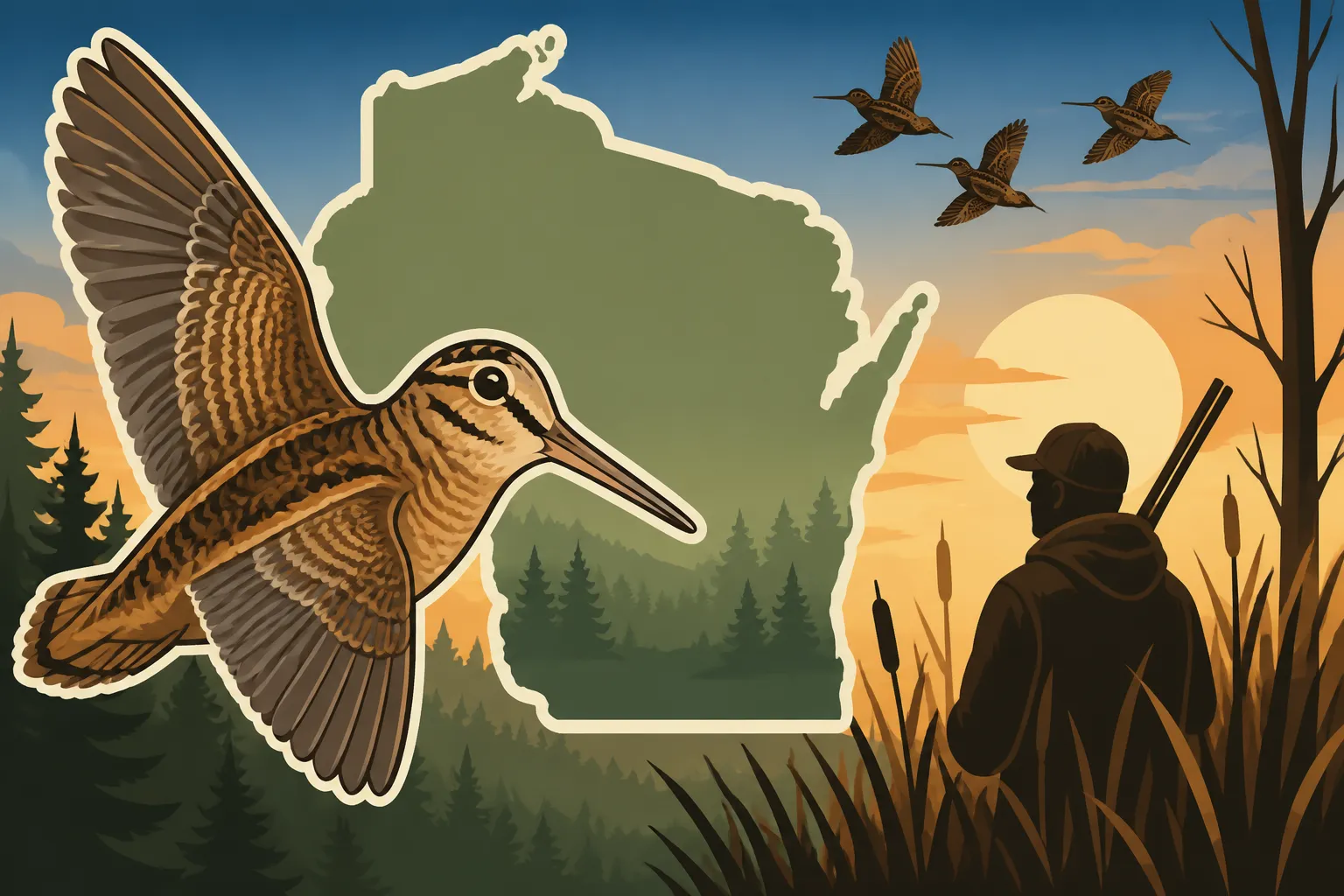
When Woodcock Migrate Through Wisconsin
For many upland bird hunters in Wisconsin, there's a unique frustration that comes with chasing woodcock: they're here one day, gone the next, leaving you wondering if you missed the prime migration window entirely. This guide is all about demystifying the woodcock's journey through our state, helping you understand when these fascinating timberdoodles arrive, peak, and depart, so you can time your hunts perfectly.
Understanding the Woodcock's Journey: Why Timing Matters
Chasing woodcock isn't just about finding the right cover; it's about being there when the birds are. Unlike our resident grouse, which are always around, woodcock are migratory marvels, and their presence in Wisconsin is entirely dictated by their long-distance travel plans. Missing the flight can mean an empty game vest and a lot of head-scratching.
The Lifecycle and Habitat Needs of Woodcock
Woodcock are truly unique, and understanding their basic needs is the first step to figuring out their migration. They're built for probing, with long bills perfectly adapted to pulling earthworms from soft, moist soil. This dietary preference is absolutely critical because it ties directly into their migration timing. If the ground freezes solid, their dinner disappears, and they have to move.
In Wisconsin, woodcock prefer young, dense cover: think regenerating clearcuts, alder thickets, and willow swamps. These areas provide the overhead protection they need from predators and the moist, rich soil where earthworms thrive. You often find them along the edges of these cover types, especially where they meet open fields or slightly older timber, providing a mix of feeding and roosting opportunities. Their cryptic plumage means they can vanish into even sparse cover, but their presence is often given away by their distinctive "splashes"—chalky white droppings—and the numerous small probing holes left in the soil. Looking for these signs is key to knowing if birds are even in the area, whether they're local or fresh migrants.
The Role of Weather in Triggering Migration
Weather isn't just a factor for woodcock migration; it's the factor. These birds are extremely sensitive to cold temperatures and, more specifically, frozen ground. A sharp, sustained drop in temperature, especially when it's accompanied by a hard frost that penetrates the soil, is the universal signal for woodcock to pack their bags. They can tolerate a light frost or two, but once their food source becomes inaccessible, they have no choice but to push south.
Think of it like this: a beautiful, warm autumn can extend the woodcock season well into November, even in northern Wisconsin. But a sudden, fierce cold front sweeping down from Canada, bringing single-digit temperatures and maybe even an early dusting of snow, will empty covers overnight. Hunters often talk about "the flight being on" or "the flight being gone," and these phrases almost always refer to a significant weather event. Monitoring long-range forecasts for substantial cold fronts is just as important as knowing your hunting spots. This dynamic makes chasing them so engaging—it's a constant chess match with Mother Nature.
Pinpointing Peak Migration Periods in Wisconsin
While the exact dates fluctuate with the whims of the weather, we can still identify general windows for when to expect woodcock in Wisconsin. It's not a single day event, but rather a progression that moves from north to south. If you're hoping to experience a truly epic woodcock hunt, understanding these phases is crucial.
Early Season: September Arrivals and Local Birds
When Woodcock Season Opens in Wisconsin, you'll primarily be hunting local birds. These are the woodcock that nested and raised their broods in our state. You'll find them in predictable cover, often close to their breeding grounds. However, as September progresses, especially in northern Wisconsin, you'll start to see the first trickle of migratory birds. These are often woodcock from Canada or northern Minnesota, pushed south by the initial cooler temperatures up north. This early flight tends to be more subtle, with a gradual increase in bird numbers.
Hunting these early birds can be fantastic, as they haven't been pressured much, and the cover is still relatively green and full. They might hold tighter for a pointing dog. The challenge is that their numbers aren't usually overwhelming. You might find a few here and there, but it's not the "wall of birds" experience that defines peak migration. Still, these September hunts can be some of the most enjoyable, with crisp air and changing leaves. Remember, these early migrants are often just passing through, using Wisconsin as a brief stopover before deeper cold pushes them further south.
The Main Event: October's Prime Migration Window
This is it, folks. For most of Wisconsin, the sweet spot for peak woodcock migration generally falls in mid-October. This is when the northern flights are fully underway, and significant numbers of birds descend upon our state. What makes this period so special is the convergence of sustained cooler weather up north, but often still soft ground in Wisconsin. The birds are pushed south, but they find ample food and relatively comfortable conditions, causing them to concentrate in suitable habitats.
The migration usually starts in the northern counties, working its way south. Hunters in places like Bayfield and Douglas counties might see large flights in early to mid-October, while those in southern Wisconsin, say around Dane or Iowa counties, might not experience the full brunt until late October. During this peak, covers that held only a few birds in September can suddenly be teeming. A good pointing dog might go on point every few minutes, and you'll experience those thrilling flushes. This is the time to really be out there, hitting your favorite alder runs and young aspen cuts. The birds will be focused on feeding, getting ready for the next leg of their journey. A good tool like the mapping features of GoHunt can help you identify areas with the ideal mix of alder, wet ground, and adjacent cover to predict these hotspots.
Late Season: Lingering Birds and the Final Push
Even after the main wave has passed, opportunities for woodcock can persist, particularly in the southern half of the state. As November approaches, colder temperatures will eventually make their way across all of Wisconsin, forcing even the most stubborn birds to move on. However, if conditions remain mild, with unfrozen ground, you can find lingering woodcock well into November, sometimes even into early December in the far south. These are often the last birds of the season, clinging to whatever suitable habitat still offers food.
Late-season woodcock can be a bit more scattered, and you might have to work harder to find them. They tend to concentrate in the thickest, most sheltered cover, seeking warmth. Often, they'll be found in creek bottoms, dense stands of dogwood, or areas with persistent springs that keep the ground thawed. A sudden, severe cold snap or heavy snowfall in early November can trigger a mass exodus, effectively ending the season overnight. But for those willing to brave the chill, late-season woodcock can provide some incredibly memorable hunts, often shared with Late Antlerless Hunting in Wisconsin or late archery season deer hunters. You'll need to pay extra close attention to weather reports and ground conditions, as their departure can be swift and definitive.
Strategies for Hunting the Wisconsin Woodcock Migration
Successfully hunting woodcock during their migration requires a blend of keen observation, flexible tactics, and the right gear. It's not just about walking through the woods; it's about anticipating their movements and being prepared for varying conditions.
Scouting for Migratory Hotspots
Scouting for woodcock, especially during migration, is a bit different than scouting for deer. You're not looking for rub lines or scrapes, but rather subtle signs of feeding and resting. As mentioned, the "splashes" (white droppings) and small probing holes are your absolute best indicators. Look for them in areas with moist soil—along creek bottoms, in alder thickets, at the base of young aspens, and even in damp, abandoned fields. Woodcock tend to concentrate in these areas, especially where there’s a good overhead canopy for concealment.
Consider the landscape: woodcock will often follow river corridors or natural funnels during migration. These can be excellent places to focus your scouting efforts. Utilize digital mapping tools like GoHunt to identify areas with the right blend of young forest, wetlands, and dense cover. Look for "edge habitat" – where a dense thicket meets an open field or older timber. These edges are often where birds will feed during lower light and then retreat into denser cover for safety. Remember, during peak migration, birds might be everywhere, but some spots will always hold more due to ideal conditions. Woodcock Hunting Wisconsin Alder Runs covers specific habitat in more detail, which is invaluable for scouting.
Adapting Tactics to Migration Phases
Your hunting approach should shift as the migration progresses:
- Early Season (September): Birds are less numerous and more localized. Focus on smaller, isolated patches of prime habitat where local birds are likely to be. They might be a bit lazier to flush, offering good opportunities for a pointing dog to lock up. Slow, methodical walking is key.
- Peak Migration (October): This is when you can cover more ground and expect more action. Look for larger concentrations in known woodcock cover. Birds might be jumpier due to pressure or simply being "on the move." Fast flushing and shooting instincts become crucial. This is prime time for Grouse and Woodcock Hunting in Wisconsin, as both species often use similar cover in these periods.
- Late Season (November): Birds are fewer and far between, often hunkering down in the densest, warmest cover they can find. Think thick evergreens bordering a spring-fed creek, or the nastiest dogwood swamp you can imagine. They'll hold extremely tight, making for explosive, close-range flushes. You'll need to work harder, but the rewards can be great. Persistence and warm gear are your best friends here.
Essential Gear for Chasing Woodcock in Wisconsin
Woodcock hunting is often an active pursuit, covering a lot of ground in thick cover. Your gear needs to reflect that. A lightweight shotgun is a huge advantage, as you’ll be swinging it quickly in tight quarters. Many hunters prefer a 20-gauge or even a 28-gauge with open chokes like cylinder or improved cylinder, as shots are typically very close. For Shot Size for Grouse and Woodcock, number 7.5 or 8 shot is perfect for these delicate birds.
Beyond the gun, protection from the elements and thick cover is essential. Brush pants are a must to fend off thorns and briars. A good upland vest with plenty of game bag space and hydration is critical for long walks. Reliable, comfortable boots that can handle wet, muddy conditions are non-negotiable, as woodcock often inhabit damp areas. And if you hunt with a dog, protective vests and proper training are vital, as they'll be plunging into the thickest stuff. Don't forget a compass or GPS (like the GoHunt app on your phone) for navigating dense cover, especially on public land.
Monitoring Conditions and Forecasts
You can have the best dog, the perfect shotgun, and be in the most beautiful cover, but if the woodcock aren't there, you won't be successful. That's why being a diligent weather watcher and community participant is so crucial.
Tracking Cold Fronts and Precipitation
As we've discussed, woodcock migration is fundamentally tied to weather. Therefore, keeping a close eye on weather patterns is perhaps the most important "strategy" you can employ. Watch the extended forecast for significant cold fronts, particularly those that bring freezing temperatures over a broad area to our north. When those fronts hit, it signals the coming push of migratory birds into Wisconsin. Conversely, a prolonged period of freezing temperatures in Wisconsin itself, especially a hard frost that penetrates the soil, will signal their departure.
Rainfall also plays a role, though less directly than temperature. Moist soil means more accessible earthworms, which can encourage birds to linger longer in an area before moving on. Dry conditions, even without a hard freeze, can make feeding difficult and prompt earlier departures. So, it's not just about checking the daily temperature; it's about understanding the broader meteorological patterns across the Midwest and Canada. Websites and apps that offer detailed, long-range forecasts become your best friends during the fall migration.
Utilizing Hunter Reports and Online Resources
In addition to weather maps, one of the best ways to gauge the woodcock flight is to tap into the hunting community. Online forums, social media groups dedicated to Wisconsin hunting, and local sporting goods stores are often buzzing with real-time reports from hunters in the field. Did someone just report seeing a "ton of birds" in northern Wisconsin? That's a strong indicator that the flight is on its way south. Are reports from the north suddenly quiet? That could mean they've passed through.
Platforms like GoHunt, which offer advanced mapping features and potentially even community reporting or forums, can be invaluable for cross-referencing weather patterns with actual bird sightings. Paying attention to Wisconsin Woodcock Singing Ground Surveys can give you a baseline understanding of local populations, but for migration, current reports are gold. Don't be afraid to share your own observations too; it helps everyone. By combining official data, weather forecasts, and the collective wisdom of fellow hunters, you significantly increase your chances of being in the right place at the right time for that unforgettable woodcock migration hunt.
| Migration Phase | General Timing in Wisconsin | Weather Triggers | Bird Behavior & Numbers | Hunting Considerations |
|---|---|---|---|---|
| Early Season | Mid-September | Light cooling in Canada | Local birds, scattered early migrants; moderate numbers | Slow, methodical hunts; focus on local patches |
| Peak Migration | Mid- to Late October | Sustained cold fronts from north, soft ground | High concentrations of migratory birds; strong numbers | Active hunting, fast flushes; widespread in good cover |
| Late Season | Early to Mid-November | Hard freezes, early snow | Lingering, scattered birds; rapidly decreasing numbers | Hunt dense, sheltered cover; challenging but rewarding |
| Departure | Late November / Early Dec. | Widespread, deep freeze, ground frozen | Birds mostly gone south; very few opportunities | Check forecasts constantly; opportunities are minimal |
Disclaimer
This article is for general informational purposes only and does not constitute professional advice. Laws, prices and regulations vary by location and change over time. Consult a qualified professional for guidance on your specific situation.