The Wisconsin Pheasant Stocking Program
Many hunters in Wisconsin, especially those passionate about upland birds, feel the pinch of declining wild pheasant populations. It's a real struggle to find those elusive wild roosters when suitable habitat keeps shrinking and land use changes. This guide dives deep into the Wisconsin Pheasant Stocking Program, explaining how it works, where you can find these birds, and what you can expect when you hit the fields, offering a vital opportunity to keep the tradition of pheasant hunting alive and well in our state.
The Shifting Landscape: Why Wisconsin Needs Pheasant Stocking
Habitat Loss and Its Impact on Wild Pheasants
It's no secret that Wisconsin's landscape has changed dramatically over the decades. What once were vast expanses of diverse grasslands, wetlands, and fenceline cover – prime pheasant country – are now often intensively farmed fields or developed areas. This transformation has had a devastating effect on wild pheasant populations. These birds need specific types of cover for nesting, brood-rearing, and winter survival, and when that cover disappears, so do the pheasants. They can't just pick up and move to the next county if their home is bulldozed or plowed under.
Think about the way farming practices have evolved. Modern agriculture, while incredibly efficient for food production, often leaves little room for wildlife. Fields are tilled right to the road, ditches are cleared, and hedgerows are removed. This cleans up the landscape, but it also strips away critical escape cover from predators, reduces nesting success, and leaves birds vulnerable to harsh Wisconsin winters. Without secure places to hide, raise their young, and weather the storms, wild pheasant numbers simply can't thrive, even with the best intentions. It's a stark reality that many of us who remember hunting wild birds lament.
The Challenges Facing Wild Pheasant Populations
Beyond habitat loss, wild pheasant populations face a laundry list of challenges. Predation, from coyotes and foxes to raptors and even domestic cats, takes a significant toll, especially on nests and young chicks. Weather, too, plays a huge role. Cold, wet springs can decimate a hatch, and severe winters with deep snow and ice can wipe out adult birds that can't find food or shelter. Disease, though less common, can also be a factor in localized areas. These pressures, combined with a fragmented habitat base, mean that the self-sustaining wild pheasant populations we once enjoyed are increasingly rare outside of very specific, well-managed areas.
This isn't just about hunting; it's about ecosystem health. Pheasants are an indicator species; their struggle points to broader issues within our agricultural and natural landscapes. For many hunters, the absence of robust wild bird numbers is disheartening. It feels like a piece of our hunting heritage is slipping away. That's where the stocking program comes in, not as a replacement for wild birds, but as a way to provide opportunities and keep hunters engaged with the pursuit of these beautiful game birds in the face of these undeniable realities. This is especially true for Pheasants and Wisconsin Farmland where agriculture heavily influences the landscape.
How Wisconsin's Pheasant Stocking Program Operates
Breeding and Raising Pheasants for Release
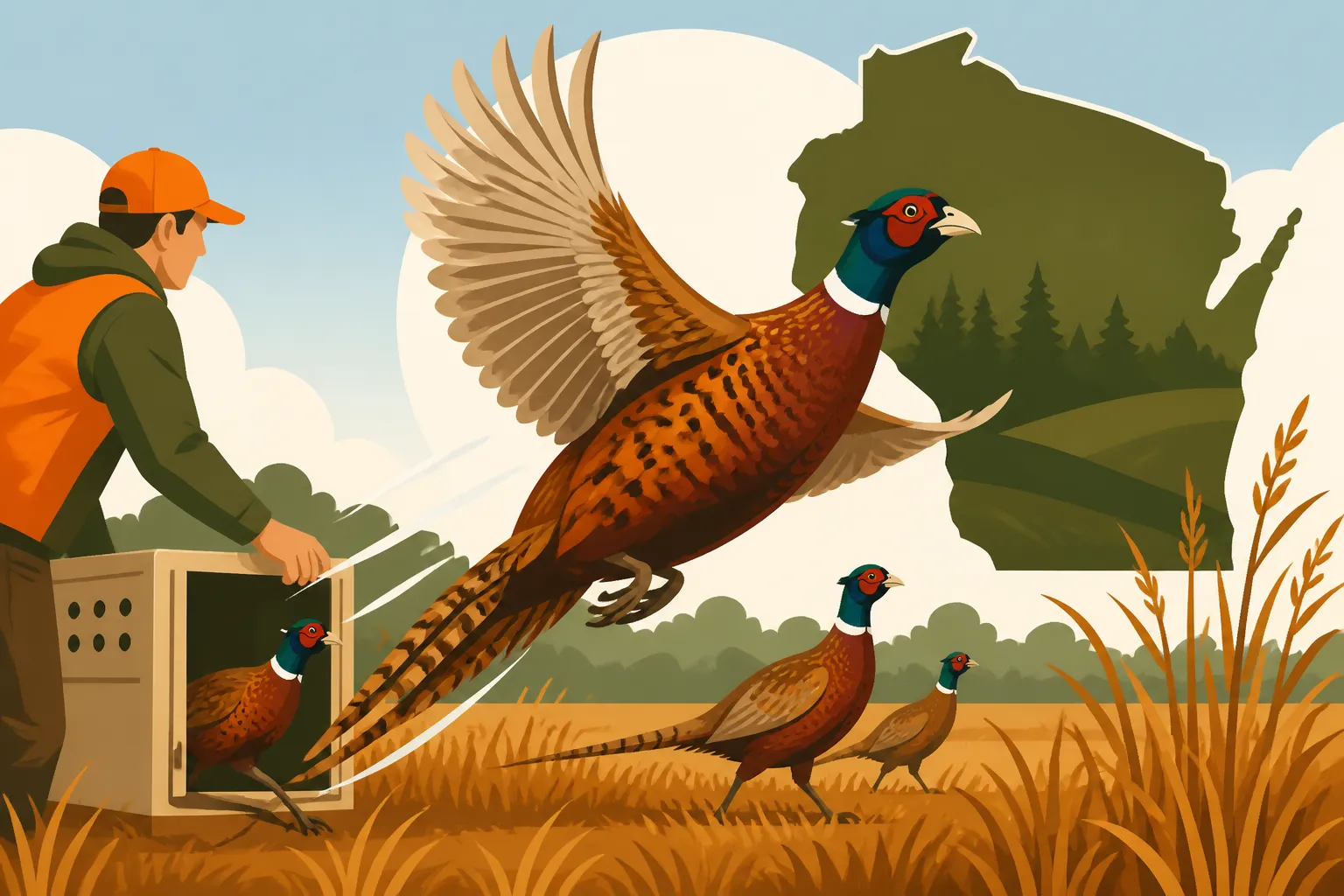
The Wisconsin Pheasant Stocking Program isn't just about throwing birds out of a truck; it's a dedicated, year-round effort. The pheasants themselves are typically raised at game farms, often by the state's wildlife management agencies or through partnerships with private breeders. These birds are primarily ring-necked pheasants, the same species you'd find in the wild, but they are genetically adapted for life in captivity. They are fed a balanced diet, protected from predators, and kept in conditions designed to promote health and growth.
The goal is to produce strong, healthy birds that are capable of flushing hard and providing a challenging hunt. While they aren't "wild" in the traditional sense, considerable effort goes into ensuring they retain their natural instincts as much as possible, though the reality is they've never had to truly fend for themselves. They might be a bit more accustomed to humans than their wild cousins, but once they hit the ground, their natural instincts kick in to varying degrees. The sheer logistics of raising tens of thousands of pheasants each year, from incubating eggs to raising chicks to maturity, is a monumental task that most hunters don't fully appreciate.
Release Sites and Scheduling for Hunter Access
Once the pheasants reach a suitable age and size, typically by early to mid-fall, they are transported to designated release sites across the state. These sites are almost exclusively public hunting grounds, specifically chosen because they offer at least some habitat that can hold pheasants for a short period, and critically, they provide legal and safe access for hunters. The timing of these releases is strategic, usually coinciding with or just before the opening of the Wisconsin Pheasant Season and Stamp and continuing throughout the early weeks. This ensures a fresh supply of birds for hunters.
The specifics of release sites and schedules can vary year to year, depending on bird availability, habitat conditions, and hunting pressure forecasts. It's a dynamic system. Hunters often wonder if they can find out exactly when and where birds are dropped, and while that level of detail isn't usually public (to prevent unfair advantage or overcrowding), the department does publish lists of participating public lands. This allows hunters to plan their trips to areas known to receive birds. You'll definitely want to keep an eye on official sources to confirm which areas are getting birds.
Funding the Program: Hunter Contributions and Conservation
The Wisconsin Pheasant Stocking Program isn't free, and a significant portion of its funding comes directly from hunters themselves. One of the primary mechanisms is the pheasant stamp, which is a required purchase for anyone planning to hunt pheasants in Wisconsin. Every dollar from the sale of these stamps is earmarked specifically for pheasant management and habitat improvement, including the stocking program. This means that when you buy a pheasant stamp, you're directly contributing to the opportunities you and others enjoy in the field.
Beyond the stamp, general hunting license fees also contribute to overall wildlife management, which indirectly supports programs like pheasant stocking. It's a classic example of the "user pays, user benefits" model in wildlife conservation. This funding mechanism ensures the program remains viable, year after year, offering opportunities even when wild bird numbers are low. It’s important to remember that this isn't just about stocking; a portion of those funds also goes into habitat work, which, in the long run, benefits all wildlife, including any remaining wild pheasants. Understanding the broader picture of Wisconsin Small Game and Furbearer Seasons helps contextualize these efforts.
| Feature | Wild Pheasants | Stocked Pheasants |
|---|---|---|
| Origin | Born and raised in natural habitat | Raised in captivity (game farms) |
| Flight/Flush | Often explosive, strong, sustained | Can vary; sometimes slower, shorter flight |
| Behavior | Wary, excellent at hiding, more nomadic | May be less wary, prone to holding tight or running |
| Survival Rate | Lower, due to predation, weather, habitat loss | Lower in the short term post-release, often harvested quickly |
| Habitat Need | Diverse grasslands, wetlands, dense cover, food plots | Areas with some protective cover, accessible public lands |
| Hunting Challenge | High; requires skilled dogs and careful scouting | Variable; provides good dog training opportunities |
| Population Drivers | Habitat quality, weather, predation | Stocking numbers, hunter pressure |
Finding and Hunting Stocked Pheasants in Wisconsin
Public Hunting Grounds Participating in the Program
The beauty of the Wisconsin Pheasant Stocking Program is that it focuses heavily on providing accessible opportunities on public land. You won't find these birds being released on private property unless it's part of a specific, managed private land access program. Instead, the focus is on state-owned wildlife areas, public hunting grounds, and other tracts designated for public use. These areas are typically managed to provide some level of grassland or appropriate cover, making them suitable, even if temporarily, for holding pheasants.
Some of the most consistent public hunting grounds for stocked pheasants are found in the southern and eastern parts of the state, where agriculture is more prevalent and historically, wild pheasant range was stronger. Areas like Bong Recreation Area, Horicon Marsh Wildlife Area (in designated upland zones), and various state wildlife areas within the pheasant range are often top contenders. It’s always a good idea to check the official lists put out by the state DNR before heading out, as specific sites can change. The popularity of these sites means they often see significant hunter pressure, especially on opening day and weekends.
Leveraging Online Resources and Maps for Scouting
In this digital age, finding out where stocked pheasants are released has become much easier, although it still requires a bit of homework. The official state wildlife agency website is your first and best resource. They typically publish a list of public hunting grounds that will receive pheasants for the season, sometimes broken down by county or region. This list is invaluable for planning your hunts. For a general overview, Wisconsin Public Access Lands Maps can be a great next step after identifying potential areas.
Beyond official lists, mapping applications like GoHunt can be incredibly useful. While GoHunt won't tell you exactly when a release happens, it can help you pinpoint the boundaries of public lands, identify cover types (grasslands, marsh edges, food plots), and even scout access points and potential pressure zones before you ever leave home. You can use these tools to look for dense grass fields, brushy draws, or even small patches of cattails that might hold birds. Identifying these features on a map can give you a huge advantage when planning where to focus your efforts, especially on larger public properties that see a lot of foot traffic. It's about combining the official "where" with the detailed "what" of the landscape.
Tactics and Timing for Hunting Stocked Birds
Hunting stocked pheasants requires a slightly different approach than pursuing truly wild birds. For one, these birds are often less wary, especially immediately after release. They might hold incredibly tight, almost letting you step on them before flushing, or they might run extensively through lighter cover. This makes a good bird dog an almost essential tool, as they can scent out running birds and flush them from thick vegetation that you might walk past. Walking slowly, systematically, and thoroughly through cover is key. Don't be afraid to zig-zag and revisit areas. Bird Dog Gear for Wisconsin Cover can equip you for this.
Timing is also crucial. The best hunting for stocked birds is often right after a release, especially during the week when hunter pressure is lower. Weekends, particularly opening weekend, will see a lot of hunters, which can quickly scatter birds or result in them being harvested. If you're hunting later in the season, look for areas with thicker, nastier cover that other hunters might avoid – dense swamps, brushy creek bottoms, or heavy stands of cattails. These are places where remaining birds, whether stocked or wild, will seek refuge. Best Shotgun Gauge for Wisconsin Grouse tactics can sometimes overlap with pheasant hunting.
Considerations and Expectations for Stocked Pheasant Hunting
The Difference Between Wild and Pen-Raised Pheasants
It's important to set realistic expectations when hunting stocked pheasants. While they are ring-necked pheasants, they are not the same as a truly wild bird that has survived predators, harsh weather, and the pressures of the wild since hatching. Pen-raised birds might not fly as strong or as far, especially early on. Their instincts for survival, while present, aren't as finely tuned as a wild bird's. This doesn't mean they aren't challenging; a strong flush from a rooster can still startle even the most seasoned hunter!
However, experienced hunters will notice differences in their flight patterns, how they hold, and their overall demeanor. Some might be hesitant to fly, preferring to run, while others might flush wildly and then drop quickly into cover. This variation adds a unique element to hunting them. A common frustration is encountering birds that simply won't fly, or ones that quickly become "runners." This is part and parcel of hunting stocked birds, and understanding this helps manage expectations and adapt your hunting strategy.
Managing Hunter Pressure and Expectations on Public Land
Public lands that receive pheasant stockings are a fantastic resource, but they also come with a caveat: hunter pressure. Especially during the early parts of the season and on weekends, these areas can be quite crowded. You'll likely encounter other hunters, and you might even see multiple groups working the same fields. This isn't necessarily a bad thing, as more hunters can sometimes keep birds moving, but it does mean you need to be extra mindful of safety and etiquette. Always know where other hunters are and maintain safe shooting lanes.
Managing your expectations is key. Don't go out expecting to have the entire field to yourself or to bag a limit every time. Think of it as an opportunity to get out, walk some beautiful cover, work your dog, and enjoy the pursuit. The joy of a successful flush, a good retrieve, and the camaraderie with fellow hunters often outweighs the number of birds in the vest. It's a way to participate in a rich hunting tradition, even when natural populations are struggling. GoHunt's mapping tools can help you find less-trafficked corners of these properties, helping you avoid some of the Hunting Pressure on Wisconsin Public Land.
Ethical Considerations and the Role of the Hunter
Hunting stocked pheasants, like all hunting, comes with ethical responsibilities. It's vital to ensure a clean, humane shot, and to make every effort to recover any bird you hit. This means not taking risky shots and giving your dog every opportunity to find downed birds. The ethical hunter also respects other hunters and adheres strictly to all regulations, including bag limits and shooting hours. Remember that these birds represent a significant investment of time and money, funded in large part by other hunters, so treating them and the resource with respect is paramount.
Furthermore, consider the broader role you play as a hunter. By purchasing your pheasant stamp and participating in the program, you're helping to fund not only stocking efforts but also valuable habitat restoration and conservation work across the state. This contribution is crucial for the future of upland game and other wildlife. Even though you might be hunting pen-raised birds, your participation supports the bigger picture of conservation in Wisconsin. It's a direct way to contribute to the future of hunting and wildlife in our state. After your hunt, remember to properly register your game; you can learn more about how to interpret success rates by Reading a Wisconsin Harvest Report.
Disclaimer
This article is for general informational purposes only and does not constitute professional advice. Laws, prices and regulations vary by location and change over time. Consult a qualified professional for guidance on your specific situation.