Peshtigo River and Governor Thompson Ground
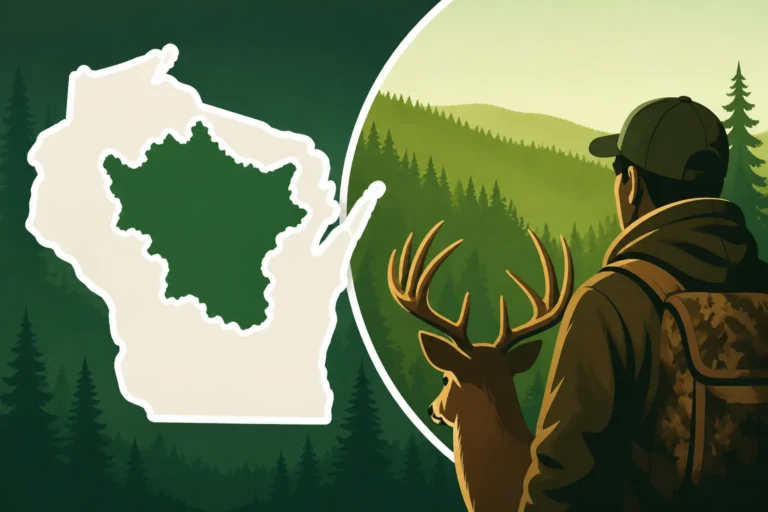
Finding prime public hunting land in Wisconsin can often feel like searching for a needle in a haystack, especially if you're trying to escape the crowds of the more popular areas. Many hunters get stuck thinking only of the massive national forests, but there are incredible, often overlooked, state-managed properties that offer fantastic opportunities. This guide will take a deep dive into two such gems: the Peshtigo River State Forest and the Governor Thompson State Park, helping you understand their unique character and how to approach hunting them successfully.
Understanding the Peshtigo River State Forest and Governor Thompson State Park
These two properties, while distinct, share a common thread of wild beauty and diverse habitat in northeastern Wisconsin. They represent significant tracts of public land, offering a different flavor of hunting experience compared to the sprawling Chequamegon-Nicolet or the heavily farmed southern counties. It's not just about deer here; these lands offer a full spectrum of Wisconsin's game.
Unique Landscape and Habitat Features
The Peshtigo River State Forest is a mosaic of habitats centered around the Peshtigo River, renowned for its whitewater and scenic beauty. You'll find a mix of mature hardwoods, pine plantations, and extensive lowlands dominated by cedar swamps and alder thickets bordering the river and its tributaries. This varied topography creates an incredible amount of edge habitat, which is always a magnet for wildlife. The river itself, along with numerous smaller streams and flowages, provides critical water sources and travel corridors for deer, bear, and furbearers, while also supporting diverse waterfowl.
In contrast, Governor Thompson State Park, while nearby, offers a slightly different feel. It encompasses much of the shorelines of the Peshtigo River and High Falls Flowage, along with extensive upland forests. Here, you'll encounter a greater proportion of mature timber, including impressive stands of hemlock and hardwoods. The terrain can be quite rugged in places, with steep banks leading down to the river and flowages, making access challenging but often rewarding. The presence of numerous small islands and secluded bays within the flowages adds another layer of complexity and opportunity for those willing to explore. Both areas share a distinct northern forest character, influenced by glacial activity and a rich logging history.
Differences Between Peshtigo River State Forest and Governor Thompson State Park
While adjacent and sharing some commonalities, the management goals and recreational opportunities differ between the state forest and the state park. The Peshtigo River State Forest is managed primarily for timber production, wildlife habitat, and dispersed recreation, which means hunting is a core activity and access is often geared towards it. You might find active logging operations creating new clearcuts, which can be fantastic for grouse, deer browse, and even bear forage, though they can also temporarily disrupt certain areas. The focus is on multi-use, so expect designated snowmobile trails, ATV routes, and dispersed camping.
Governor Thompson State Park, on the other hand, is managed with a stronger emphasis on preservation, scenic beauty, and traditional park activities like camping, hiking, and fishing. While hunting is permitted in designated areas within the park, the overall atmosphere might feel a bit more developed around certain access points, with more formal trails and facilities. It's crucial to consult the park's specific hunting map and regulations, as some areas may be restricted or have different rules than the surrounding state forest. Think of the state forest as a bit wilder and more geared towards the self-sufficient hunter, while the state park offers a blend of accessibility and wildness with a slightly more regulated framework. Understanding these nuances is key to planning your approach.
Hunting Opportunities and Challenges
These two areas present a diverse hunting canvas, supporting a range of game species. However, their unique geography also comes with specific challenges that require careful planning and preparation.
Key Game Species and Their Habitat
For deer hunters, both the Peshtigo River State Forest and Governor Thompson State Park offer classic northern Wisconsin whitetail hunting. You'll find deer utilizing the dense conifer swamps for thermal cover, especially during colder months, and feeding on acorns in the hardwood ridges or browsing new growth in Setting Up on an Aspen Cut Edge areas. Bear also thrive here, particularly in the vast, dense timber and swamps, making it a popular destination for those with bear tags. The mixed forests and wetlands provide excellent habitat for a healthy population of ruffed grouse and woodcock, especially in the alder runs along the river and young aspen stands. If you're passionate about upland birds, these areas can be extremely productive.
Turkey hunting has also grown considerably in this region. While perhaps not as dense as the farmlands of southern Wisconsin, you'll find good numbers of turkeys roosting in the mature oaks and pines, often near water sources. Waterfowl hunters will find opportunities along the Peshtigo River and the various flowages, particularly during migration, with ducks and geese utilizing the calmer backwaters and agricultural fields that sometimes border the state forest. Wisconsin Waterfowl Hunting on Marsh and River can be a truly immersive experience here. Smaller game like squirrels and rabbits are also abundant, offering additional hunting options throughout their respective seasons. Wisconsin's Black Bear Population has expanded, making these areas prime for bear encounters.
Navigating the Terrain and Water Access
One of the primary challenges and opportunities in these areas is the terrain and the significant presence of water. The Peshtigo River itself, and its associated flowages and wetlands, define much of the landscape. Hunters exploring the interiors will often encounter dense cedar swamps and wet alder thickets that can be incredibly difficult to traverse. This means specialized footwear is non-negotiable; reliable Boots for Wisconsin Swamps and Snow are a must. Expect to get your feet wet, even with the best gear, if you venture off the beaten path. These challenging areas often hold less pressured game, but they demand physical stamina and good navigation skills.
Accessing hunting areas often involves utilizing old logging roads, hiking trails, or even watercraft. For waterfowl and even still-hunting for deer or bear, a canoe, kayak, or small boat can unlock vast amounts of otherwise inaccessible shoreline and islands within the flowages. However, remember the Peshtigo River has sections of whitewater, so know your capabilities and safety precautions if you plan to use a boat. When planning your route, consider how you'll get a harvested animal out of these remote, often wet, locations. Dragging a deer through a cedar swamp after a mile-long hike is a memorable, if exhausting, experience.
Hunting Pressure and Finding Solitude
While not as universally known or as intensely hunted as some of Wisconsin's larger public land tracts or prime farmland counties, both the Peshtigo River State Forest and Governor Thompson State Park do see hunting pressure, especially on opening weekends and during the Wisconsin Gun Deer Season Dates. However, their vastness and the challenging nature of the terrain mean that solitude is absolutely achievable for those willing to work for it. Most hunters will stick close to accessible roads, parking areas, or popular trails.
To find less pressured animals and enjoy a more serene hunt, you'll need to venture deeper into the properties. This means studying maps, utilizing digital tools like onX Hunt to identify remote corners, and being prepared for longer walks away from vehicle access. Target those dense swamps, steep river banks, or secluded pockets of timber that most hunters shy away from. The reward for enduring the difficult travel is often finding areas where deer, bear, and grouse behave more naturally, less wary of human presence. Understanding Hunting Pressure on Wisconsin Public Land is about realizing that pressure often follows the path of least resistance.
Planning Your Hunt and Maximizing Success
A successful hunt in the Peshtigo River and Governor Thompson areas isn't just about showing up with a gun or bow; it's about meticulous planning, adapting your tactics, and understanding the specific rules that govern these unique properties.
Pre-Season Scouting Strategies
Pre-season scouting is paramount here, perhaps even more so than in flatter, more uniform terrain. Start with armchair scouting using online mapping tools. Applications like onX Hunt or GoHunt allow you to examine aerial imagery, identify potential bedding areas in dense swamps, locate travel corridors along ridge lines or river bends, and pinpoint areas with favorable food sources like oak ridges or past clearcuts. Look for pinch points where natural features like the river or impassable swamps funnel animal movement. Reading Aerial Photos for Coulee Deer, while focused on a different region, offers principles that apply to identifying terrain features here.
Once you've identified promising spots on a map, put boots on the ground. Visit the area in the spring or late summer, before foliage gets too thick. Look for rubs, scrapes, and tracks. Pay attention to water levels and assess the navigability of swamps and river crossings. If you're a bear hunter, identifying potential denning sites or travel routes to known food sources (like berry patches or oak stands) is crucial. For grouse hunters, finding aspen cuts of the right age, or alder runs that provide thick cover, is key. Remember, Scouting Wisconsin Public Land Before Season isn't just about deer; it's about understanding the entire ecosystem you're stepping into.
Effective Hunting Tactics for the Area's Habitat
Given the diverse habitat, a versatile approach is best. For deer, still-hunting through dense conifer swamps or along the edges of clearcuts can be very effective, especially during the Hunting the Wisconsin Rut in November when bucks are on the move. Setting up a treestand or ground blind near established scrape lines along a logging road or where a hardwood ridge meets a swamp can also pay off. Consider the prevalent wind patterns and thermals, especially near the river, as these can be tricky and unpredictable. If you're in an area with active timber management, focus on the edges of new growth and pockets of unlogged timber.
For bear, hunting over bait (where permitted and active) or running hounds requires extensive knowledge of the area and its access points. Baiting efforts need to be well-hidden and regularly maintained, often in very remote locations. Grouse and woodcock hunting here is classic walk-and-flush or bird dog country; focus on those young aspen stands, alder bottoms, and edges where cover and food combine. Turkey hunters will want to scout for roost trees near the water and then use calling tactics to bring gobblers in through the varied timber. Adapting to the specific conditions of each section of the state forest or park is key.
Regulations and Special Considerations
Always, always check the current Wisconsin hunting regulations specific to the year you plan to hunt. Regulations regarding blaze orange, legal shooting hours, and methods of take are statewide, but specific property rules can vary. For instance, while state forests generally allow camping, state parks might have designated camping areas and stricter rules. Pay close attention to Finding Your Wisconsin Deer Management Unit as quotas and antlerless tag availability can differ even between adjacent units. The Peshtigo River State Forest and Governor Thompson State Park fall within specific management zones, which can impact your hunting strategy.
Remember that baiting and feeding bans can be enacted in counties with detected CWD, so always verify the current status of the county you intend to hunt in. Also, be mindful of private land boundaries. Even on vast public lands, there can be inholdings of private property. Using a GPS app like onX Hunt, which clearly delineates public and private boundaries, is invaluable for staying legal and respectful of landowners. Be aware of any special permits or draw systems that might apply to certain game species or areas, such as special waterfowl management units that require application.
| Feature / Aspect | Peshtigo River State Forest | Governor Thompson State Park |
|---|---|---|
| Primary Management | Timber, wildlife, dispersed recreation | Preservation, scenic, developed recreation, hunting in designated areas |
| Primary Habitat | Mixed hardwoods, pines, extensive cedar swamps, river bottoms | Mature timber (hemlock, hardwoods), rugged terrain, lake/flowage shores |
| Key Game Species | Deer, bear, grouse, woodcock, turkeys, waterfowl | Deer, bear, grouse, woodcock, turkeys, waterfowl |
| Terrain Type | Varied, significant lowlands and wetlands, river corridor | More rugged uplands, steep banks, large flowage influence |
| Accessibility | Old logging roads, ATV trails, river access; can be very remote | Formal trails, parking, more developed access points; designated hunting zones |
| Hunting Pressure | Moderate; less near deep swamps/remote areas | Moderate; can be higher near developed areas; check specific park zones |
| Water Influence | Peshtigo River, smaller streams, flowages, numerous wetlands | Peshtigo River, High Falls Flowage, lake shores, smaller wetlands |
| Camping | Dispersed camping generally allowed (check specific rules) | Designated campsites (fees may apply) |
Essential Gear and Scouting for These Areas
Having the right gear is critical for comfort, safety, and success when hunting the diverse and often challenging landscapes of the Peshtigo River and Governor Thompson properties.
Footwear, Clothing, and Navigation
Your choice of footwear is arguably the most important decision for these areas. As mentioned, water is a constant presence. High-quality, waterproof hunting boots, ideally with good ankle support, are essential. Many experienced hunters in these regions opt for knee-high rubber boots or chest waders if they plan to traverse extensive swamps or cross shallow creeks. The ground can be uneven, mucky, and covered in blowdowns, so durable construction is paramount. For clothing, layering is key, adapting to potentially cold, wet mornings and warmer, active afternoons. Opt for quiet, durable fabrics that can withstand brush and thorns. Blaze orange or pink is required during certain seasons for visibility and safety; ensure you meet How Much Blaze Orange Wisconsin Requires regulations.
Navigation can be tricky, especially deep in the swamps or in dense timber where visibility is limited. A reliable GPS unit or a smartphone with a robust hunting app like onX Hunt is indispensable. These apps allow you to mark your vehicle, stand locations, and any sign you find, ensuring you can navigate back safely, even in the dark. Always carry a compass and know how to use it as a backup, along with a printed map, in case your electronics fail. A headlamp or flashlight is also a must-have for those early morning walks in or late evening walks out.
Weapon Choices for Mixed Cover
The mixed habitat of these areas lends itself to a variety of weapon choices, depending on your preferred game and hunting style. For deer, a versatile rifle caliber like a .30-06, .308, or even a .270 is a solid choice, capable of handling both closer shots in the timber and slightly longer shots across clearings or flowages. However, given the generally dense cover, many shots will be under 100 yards, making something like a .30-30 or a slug gun also quite effective, especially in areas with specific rifle restrictions. Rifle Setups for Wisconsin Deer discusses various options.
Bowhunters will find the dense cover advantageous for close-range encounters, but shot lanes can be tight, so practice shooting in realistic scenarios. Crossbows are legal during the archery season and can be a good option for those seeking a balance of power and ease of use in heavy brush. For grouse and woodcock, a lightweight 12 or 20-gauge shotgun with an improved cylinder or modified choke is ideal for quick, flushing shots in thick cover. Turkey hunters will want a shotgun patterned for tight groups at typical turkey ranges, often with specialized turkey chokes and loads. Turkey Shotgun Gauge Choice offers more details on this.
Utilizing Mapping Tools for Success
Modern mapping applications, particularly those like onX Hunt and GoHunt, have revolutionized hunting in areas like the Peshtigo River and Governor Thompson properties. These tools allow you to do far more than just see public/private boundaries. You can use them to identify specific habitat types, locate subtle terrain features like benches or saddles that funnel deer, and find remote access points. Before your hunt, download offline maps to ensure functionality even without cell service, which can be spotty in these wilder regions.
Use the map features to mark potential bedding areas, feeding zones, and water sources. Track your movements to understand how far you're venturing and to ensure you can easily find your way back. For those planning a deer drive on Wisconsin public land, coordinating routes and stand locations with your hunting partners using shared map data can be incredibly efficient and safe. These apps can also show you historical satellite imagery, sometimes revealing old logging roads or clearcuts that are no longer visible on the ground but still influence animal movement. They are truly an extension of your scouting toolkit, helping you make the most of your time in these fantastic, wild places.
Disclaimer
This article is for general informational purposes only and does not constitute professional advice. Laws, prices and regulations vary by location and change over time. Consult a qualified professional for guidance on your specific situation.