Wisconsin State Forest Hunting
Hunting Wisconsin's vast state forests can feel like stepping into a wild, untamed classroom, full of incredible opportunities but also a labyrinth of rules and varied terrain. Many hunters, especially those new to public land, find themselves scratching their heads, wondering where to even begin among thousands of acres. This comprehensive guide is designed to demystify hunting in Wisconsin's state forests, providing you with the knowledge and confidence to explore these incredible public lands, understand their unique characteristics, and plan a successful and ethical hunt.
Understanding Wisconsin's State Forests for Hunters
Wisconsin is blessed with an incredible network of state forests, managed by the Department of Natural Resources (DNR) with multiple goals in mind. Unlike some private timberlands or even county forests, state forests often prioritize a blend of timber production, wildlife habitat, recreation, and conservation. This means that as a hunter, you're not just a user of the land; you're part of a larger ecosystem, and understanding this balance is key to appreciating and utilizing these resources effectively.
A Unique Blend of Conservation and Recreation
These state forests are more than just tracts of trees; they are living, breathing landscapes shaped by decades of thoughtful management. The DNR works to create diverse habitats, which, in turn, supports a wide array of game species. This might involve clear-cuts to promote aspen growth for grouse and deer, selective timber harvests to encourage oak regeneration for acorns, or maintaining wetland areas for waterfowl. For hunters, this translates into varied opportunities, from stalking mature bucks in dense northern timber to setting up for spring gobblers in hardwood ridges. The idea is to manage the forest for long-term health, which directly benefits the wildlife we pursue.
Beyond hunting, state forests are hubs for all sorts of outdoor enthusiasts. Hikers traverse scenic trails, campers set up their tents, and cross-country skiers glide through the winter woods. This multi-use aspect means that hunters often share the land, requiring an extra layer of awareness and courtesy. It's a testament to Wisconsin's commitment to public access, but it also means hunters need to be mindful of others, especially during peak seasons when human activity is at its highest. Our responsibility as hunters extends to being good stewards of the land and considerate neighbors to everyone else enjoying the outdoors.
Varying Landscapes and Opportunities
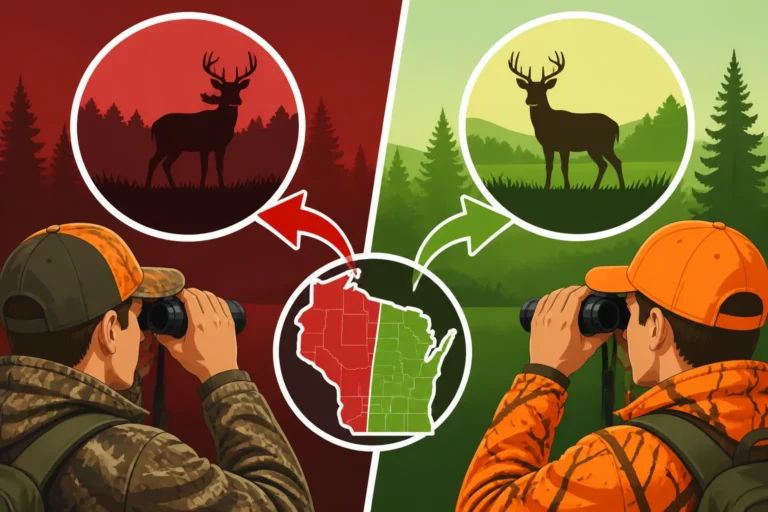
Wisconsin's state forests span the breadth of the state, from the deep northwoods to the rolling hills of the central sands and even pockets closer to urban centers. Each forest has its own distinct character, shaped by geology, climate, and historical land use. This geographic diversity creates a mosaic of hunting opportunities. You might find vast, unbroken expanses of conifer and hardwood in the far north, ideal for the hardy hunter willing to put in the miles. In contrast, state forests further south might feature a mix of agricultural fields bordering timber, offering different challenges and strategies for deer and upland birds.
For example, the northern state forests often consist of a mix of mature hardwoods like maple, birch, and oak, interspersed with thick stands of pine and spruce, or younger aspen clear-cuts. This type of habitat is classic deer, bear, and grouse country. Meanwhile, some central state forests are dominated by pine plantations, which can hold deer and turkeys but might require different tactics. Understanding these regional differences is crucial before you even pack your truck. It helps you anticipate the terrain, the type of cover, and ultimately, the species you're most likely to encounter, allowing you to tailor your gear and approach to the specific environment.
Navigating the Major State Forests for Deer Hunting
When most hunters think of Wisconsin state forests, their minds often jump straight to deer. And for good reason! These expansive public lands offer some incredible opportunities for pursuing white-tailed deer, whether you're looking for a challenging hunt in big timber or seeking an antlerless tag to fill the freezer. However, each major state forest presents its own unique set of characteristics, requiring different strategies and expectations.
Northern Highland-American Legion State Forest
The Northern Highland-American Legion State Forest (NHAL) is a true gem of the northwoods, encompassing a massive portion of Vilas and Oneida counties. This forest is characterized by its vast, interconnected tracts of mixed hardwoods, pine forests, and thousands of lakes, rivers, and wetlands. Hunting here means embracing big timber country, where deer densities might not be as high as in farmland, but the reward of a hard-earned buck from this wilderness is immeasurable. Hunters should expect long walks, dense cover, and deer that are often more wary due to natural predation and less frequent human interaction.
Deer in the NHAL often rely on natural food sources like acorns, browse, and the understory vegetation found in mature timber. Finding pockets of recent logging activity or older clear-cuts can be a goldmine, as these areas provide both thick bedding cover and abundant young browse. Water sources are plentiful, making them less of a factor than in drier regions, but natural funnels created by lakeshores, swamps, or ridge lines are critical travel corridors. If you're looking for a real challenge and a truly wild hunting experience, the NHAL offers it in spades. Consider tactics like Hunting the Wisconsin Northern Forest for Deer or understanding Northern Highland Forest Deer Ground before you go.
Black River State Forest
Nestled in west-central Wisconsin, the Black River State Forest presents a different kind of hunting experience. This forest is known for its extensive pine plantations, mixed with oak and aspen stands, and significant wetland areas along the Black River itself. The landscape here can be quite diverse, ranging from rolling sand hills planted with red pine to sprawling lowland swamps. Deer thrive in this mosaic habitat, using the thick pine stands for thermal cover in winter and bedding year-round, while feeding in the oak and aspen areas.
Hunting the Black River State Forest often involves navigating dense plantations where visibility can be limited, making still-hunting or carefully planned drives effective. The lowlands and river bottoms provide excellent opportunities, especially during the rut, as bucks will travel these corridors. Pay close attention to the edges where different habitat types meet – these transition zones are often hotspots for deer activity. For more specific insights into this area, check out Black River State Forest Hunting.
Kettle Moraine State Forest Northern and Southern Units
For hunters in southern Wisconsin, the Kettle Moraine State Forest, divided into Northern and Southern Units, offers accessible public land close to population centers. These forests are characterized by their unique glacial topography, featuring rolling hills (kames), depressions (kettles), and long, winding ridges (eskers). The habitat is a mix of mature hardwoods, oak savannas, conifer plantations, and some open grasslands. While these units see more recreational pressure than their northern counterparts, they still hold significant deer populations.
Hunting in the Kettle Moraine requires adapting to the terrain and being mindful of other users. Deer here are often used to human presence, but they also use the steep, broken topography to their advantage, often bedding on benches or in thick pockets overlooked by casual hikers. Focusing on pinch points between kettles, steep draws, or areas where thick cover meets agricultural fields can be productive. Early mornings and late evenings, or hunting during weekdays, can help avoid the heaviest recreational traffic. Understanding Kettle Moraine Northern Unit Hunting can be a great starting point for planning your hunt here.
Small Game and Bird Hunting in State Forests
While deer often steal the spotlight, Wisconsin's state forests are incredibly rich in small game and bird hunting opportunities. From the explosive flush of a ruffed grouse to the quiet stalk for squirrels, these public lands offer diverse habitats for a variety of species. It’s a fantastic way to extend your time afield, introduce new hunters to the sport, or simply enjoy a different challenge.
Ruffed Grouse and Woodcock Opportunities
For many upland bird enthusiasts, Wisconsin's state forests are synonymous with ruffed grouse and American woodcock. These birds thrive in young, regenerating forests, particularly aspen and alder thickets. State forests, with their active timber management plans, often create and maintain these ideal habitats. When you see recent clear-cuts or areas where aspen has been regenerating for 10-20 years, you're likely in prime grouse country. Look for areas with dense overhead cover and an open understory, which allows the birds to move but still provides protection from predators.
Woodcock, on the other hand, prefer wetter, softer ground, typically found in alder thickets along stream bottoms, beaver flows, or marsh edges within the forest. They feed by probing the soft soil for earthworms, making these damp areas essential. Often, you'll find grouse and woodcock in close proximity, allowing for a fantastic mixed-bag hunt. Remember that woodcock are migratory, so timing your hunt with their annual flight through Wisconsin is key. Exploring Ruffed Grouse and Woodcock in Wisconsin or learning about Aspen Management and Wisconsin Grouse will provide invaluable context for your hunt.
Squirrel and Rabbit Hunting
Don't overlook the humble squirrel and rabbit! These common small game species provide exciting, fast-paced action and excellent table fare. Wisconsin's state forests, especially those with mature oak, hickory, and maple stands, are prime squirrel habitat. Look for areas with abundant mast crops like acorns and hickory nuts, particularly in the fall. You'll often find squirrels active on the forest floor, burying nuts, or scampering through the canopy. Still-hunting slowly through mature hardwoods on a crisp autumn morning can be incredibly productive and relaxing.
Rabbits, particularly cottontails, prefer brushy cover, young regenerating forests, and the edges where timber meets fields or clearings. Snowshoe hares, found primarily in the northern state forests, inhabit dense conifer swamps and thick alder stands. Both species rely on heavy cover for protection from predators, so targeting brush piles, logging slash, or dense undergrowth near food sources is a good strategy. A pair of beagles can make for an exhilarating rabbit or hare hunt, flushing game from seemingly impenetrable cover.
Bear Hunting Considerations in State Forests
Wisconsin's state forests, particularly those in the northern half of the state, offer fantastic opportunities for bear hunters. The vast expanses of timber, interspersed with wetlands and lowlands, provide ideal habitat for a thriving black bear population. However, bear hunting is a unique endeavor with specific rules and strategies that differ significantly from deer or small game hunting. Patience, persistence, and a solid understanding of bear behavior are paramount.
Locating Bear Habitat and Sign
Bears are creatures of habit, often following established travel corridors and utilizing areas with seasonal food sources. In state forests, look for areas with dense cover, especially conifer swamps or thick regeneration, which provide excellent bedding and security. Early season, bears are often attracted to green forage in open areas or wetland edges. As fall approaches, their diet shifts to mast crops like acorns and beechnuts. Scouting for overturned rocks, ripped-apart logs, rubbed trees, and fresh scat can give you clues about bear activity. Water sources, especially in drier parts of the forest, can also concentrate activity.
Many bear hunters in Wisconsin utilize baiting, and finding a suitable, legal bait site within a state forest is crucial. Look for secluded spots away from high-traffic areas, ideally near dense cover and natural travel corridors. Consider prevailing winds and ease of access when selecting your site. Understanding the general Where Wisconsin Bears Range can help you narrow down your search for productive bear country within the state forests.
Rules and Restrictions for Bear Hunters
Bear hunting in Wisconsin is highly regulated, especially concerning baiting and the use of dogs, which are permitted in specific zones. It's imperative to consult the current DNR regulations for baiting start dates, maximum bait amounts, and what materials are permissible for baiting. Remember, not all state forests or zones allow the use of dogs for bear hunting. You must thoroughly understand the rules for your specific zone and chosen hunting method.
If you plan to use a bait site, be aware of the rules regarding how close you can be to roads, trails, or property lines. Maintaining a clean site and removing all bait and materials after the season is critical for responsible hunting. For those interested in the full scope of bear hunting methods, Bear Hunting With Bait and Dogs in Wisconsin provides a deep dive into the regulations and tactics involved. Always register your bear promptly and report any necessary information to the DNR.
Essential Rules and Regulations for State Forest Hunters
Hunting on state forests comes with a responsibility to understand and adhere to specific rules and regulations. These guidelines are in place to ensure public safety, protect natural resources, and provide fair chase opportunities for all. Failing to follow them can result in fines, loss of hunting privileges, and damage to the reputation of hunters as a whole.
Vehicle Access and Camping
One of the most common questions about state forest hunting revolves around vehicle access. Generally, motorized vehicles are restricted to designated roads and parking areas within state forests. You cannot drive off-road to retrieve game, nor can you create new trails. This means that if you harvest an animal, you'll need to be prepared to drag it out or use a game cart from wherever it fell to the nearest legal access point. Some state forests may have specific rules regarding ATV use on designated trails, but these are typically for recreational riding, not hunting access. Always check the specific forest's rules before assuming you can use an ATV. For those planning an overnight stay, Camping on Wisconsin Public Land details general rules for camping on state-owned property, including designated campsites versus primitive camping rules, which can vary by forest.
Treestands, Blinds, and Trail Cameras
State forests typically have specific rules for the placement and duration of treestands, ground blinds, and trail cameras. Usually, treestands and ground blinds cannot be left in place overnight for extended periods, or if they are, they must be clearly marked with the owner's name and customer ID number. Permanent stands that damage trees (e.g., using screws or nails) are almost universally prohibited. Ground blinds often need to be removed daily, especially in high-traffic areas. When it comes to trail cameras, they generally follow similar rules to stands: they must be clearly marked with owner information and removed after the season. Always check the specific rules for the state forest you intend to hunt, as some areas may have stricter limitations. For a broader understanding of these regulations, refer to Treestand Setups in Wisconsin Hardwoods and Trail Camera Rules on Wisconsin Public Land.
Blaze Orange and Safety Requirements
Safety is paramount, especially when sharing state forests with other hunters and recreational users. During any gun deer season (including muzzleloader and youth hunts), Wisconsin requires hunters to wear a minimum amount of blaze orange or fluorescent pink clothing. This typically means an outer layer of solid blaze orange or pink that is visible from all directions, covering at least 50% of the hunter's head, chest, and back. Even archery hunters are often encouraged, and sometimes required depending on the season, to wear blaze orange. This requirement is in place to make hunters more visible to one another and prevent accidents. Never compromise on safety. For the full breakdown, consult Blaze Orange and Pink Rules. Always be aware of your surroundings, identify your target and what's beyond it, and treat every firearm as if it's loaded.
Planning Your Hunt: Tools and Tactics for Success
Successful hunting in Wisconsin's expansive state forests isn't just about showing up with a gun or bow; it's about preparation, strategic planning, and utilizing the right tools. These vast landscapes can be overwhelming, but with a systematic approach, you can break them down into manageable pieces and significantly increase your odds of success.
Utilizing Digital Mapping Tools
In today's world, digital mapping tools are indispensable for public land hunters, especially in large state forests. Platforms like onX Hunt and GoHunt provide invaluable layers of information that can transform your scouting and hunting strategy. You can view property boundaries, identifying state forest lands versus private parcels, and see topography, satellite imagery, and even historic timber cuts. These tools allow you to identify potential bedding areas, food sources, funnels, and escape routes from the comfort of your home. You can drop waypoints for promising locations, measure distances, and plan your entry and exit routes, minimizing disturbance.
Before heading into the field, use these apps to study the terrain for potential stand sites, plan your approach to avoid detection, and mark areas of interest. Many of these apps also work offline, which is crucial in remote state forest areas where cell service might be spotty or non-existent. This ensures you always know where you are and where you're going, even deep in the woods. For more on digital scouting, consider Scouting With the Wisconsin Hunt Wild App.
Scouting Strategies for State Forests
Scouting is the cornerstone of successful state forest hunting. While digital maps provide an excellent starting point, nothing beats boots on the ground. Pre-season scouting allows you to verify what you see on the map, identify fresh sign, and learn how animals are actually using the landscape. Look for natural funnels created by terrain features like ridges, valleys, or thick swamps. Pay attention to food sources – oak stands for acorns, apple trees if present, or recent clear-cuts for browse. Identify bedding areas in thick cover and the trails connecting them to feeding or watering locations.
During the season, fresh sign like rubs, scrapes, and tracks can indicate recent deer activity. Don't be afraid to cover a lot of ground, especially in large state forests, to find areas that hold game. Look for subtle changes in habitat that might concentrate animals. Early season, focus on food. As the rut approaches, shift your focus to travel corridors and natural pinch points. Even after a snow, fresh tracks can tell you where deer are moving and what they're doing. Remember, Scouting Wisconsin Public Land Before Season is not just a suggestion, it's a vital part of the hunt itself.
| State Forest | Primary Counties | Key Game Species | Notable Features | Typical Terrain |
|---|---|---|---|---|
| Northern Highland-American Legion | Vilas, Oneida | Deer, Bear, Grouse, Turkeys | Thousands of lakes, extensive wetlands, vast timberlands | Mixed hardwoods, pines, sprawling wilderness |
| Black River State Forest | Jackson | Deer, Bear, Turkeys | Pine plantations, river bottomlands, sand hills | Mixed pine forests, oak/aspen stands, lowland swamps |
| Kettle Moraine State Forest (North) | Fond du Lac, Sheboygan | Deer, Turkeys, Small Game | Glacial topography (kames, kettles, eskers), diverse habitats | Hardwoods, conifer plantations, open grasslands, rolling hills |
| Kettle Moraine State Forest (South) | Jefferson, Walworth | Deer, Turkeys, Small Game | Glacial topography, proximity to urban areas | Hardwoods, oak savanna, plantations, rolling hills |
| Brule River State Forest | Douglas | Deer, Bear, Grouse, Salmon | Iconic Brule River, Lake Superior tributaries | Mixed forest, river corridors, some older growth |
| Flambeau River State Forest | Price, Sawyer | Deer, Bear, Grouse | Wild Flambeau River, old-growth remnants | Mixed hardwoods and conifers, river bottoms, rugged |
Respecting the Resource and Other Users
Hunting in Wisconsin's state forests is a privilege that comes with significant responsibilities. Beyond simply following the law, it's about being a good steward of the land and a respectful participant in the broader outdoor community. Our actions reflect on all hunters, and upholding ethical standards ensures these valuable public lands remain accessible and healthy for generations to come.
Leave No Trace Principles
The principle of "Leave No Trace" is fundamental for anyone enjoying public lands, and hunters are no exception. This means packing out everything you pack in, including spent shell casings, food wrappers, and any other trash. If you're using bait, ensure all materials are removed at the end of the season. When field dressing an animal, do so away from trails, campsites, and water sources. Bury entrails if practical, or spread them out away from public view. Avoid excessive cutting of vegetation for blinds or shooting lanes; use natural cover whenever possible. The goal is to leave the forest as you found it, or even better, for the next person and for the wildlife that calls it home. This conscious effort helps preserve the wild character of these forests.
Coexisting with Other Outdoor Enthusiasts
State forests are multi-use areas, meaning you'll often encounter hikers, birdwatchers, mountain bikers, and campers, especially on weekends and during pleasant weather. It's crucial for hunters to foster a spirit of coexistence and respect. Always identify your target and what lies beyond it, being acutely aware of potential non-hunters in the area. Make your presence known by wearing appropriate blaze orange or pink, even when not legally required for your specific hunt, especially during seasons when other recreational users are common. A friendly nod or a brief, polite conversation can go a long way in bridging any potential divides. Remember that we are all sharing these precious public resources, and mutual respect ensures that everyone can enjoy them safely and harmoniously.
Hunting in Wisconsin's state forests offers an incredible opportunity to connect with nature, challenge yourself, and fill your freezer. By understanding the unique characteristics of these lands, adhering to regulations, and practicing ethical behavior, you contribute to a rich tradition and help preserve these resources for the future.
Disclaimer
This article is for general informational purposes only and does not constitute professional advice. Laws, prices and regulations vary by location and change over time. Consult a qualified professional for guidance on your specific situation.