Horicon Refuge Versus State Marsh
The vast, shimmering expanse of Horicon Marsh is a truly iconic natural wonder in Wisconsin, a magnet for wildlife enthusiasts, birdwatchers, and, of course, hunters. But if you’re new to hunting this incredible landscape, or even if you've been around a while, the distinction between the Horicon National Wildlife Refuge and the Horicon Marsh State Wildlife Area can feel like navigating two entirely different worlds, leading to confusion and frustration when trying to understand regulations and opportunities. This guide is here to untangle that knot, providing a clear breakdown of each entity, their unique hunting rules, and practical advice to help you plan your next hunt, whether you're after waterfowl, deer, or other small game.
Understanding the Two Faces of Horicon Marsh
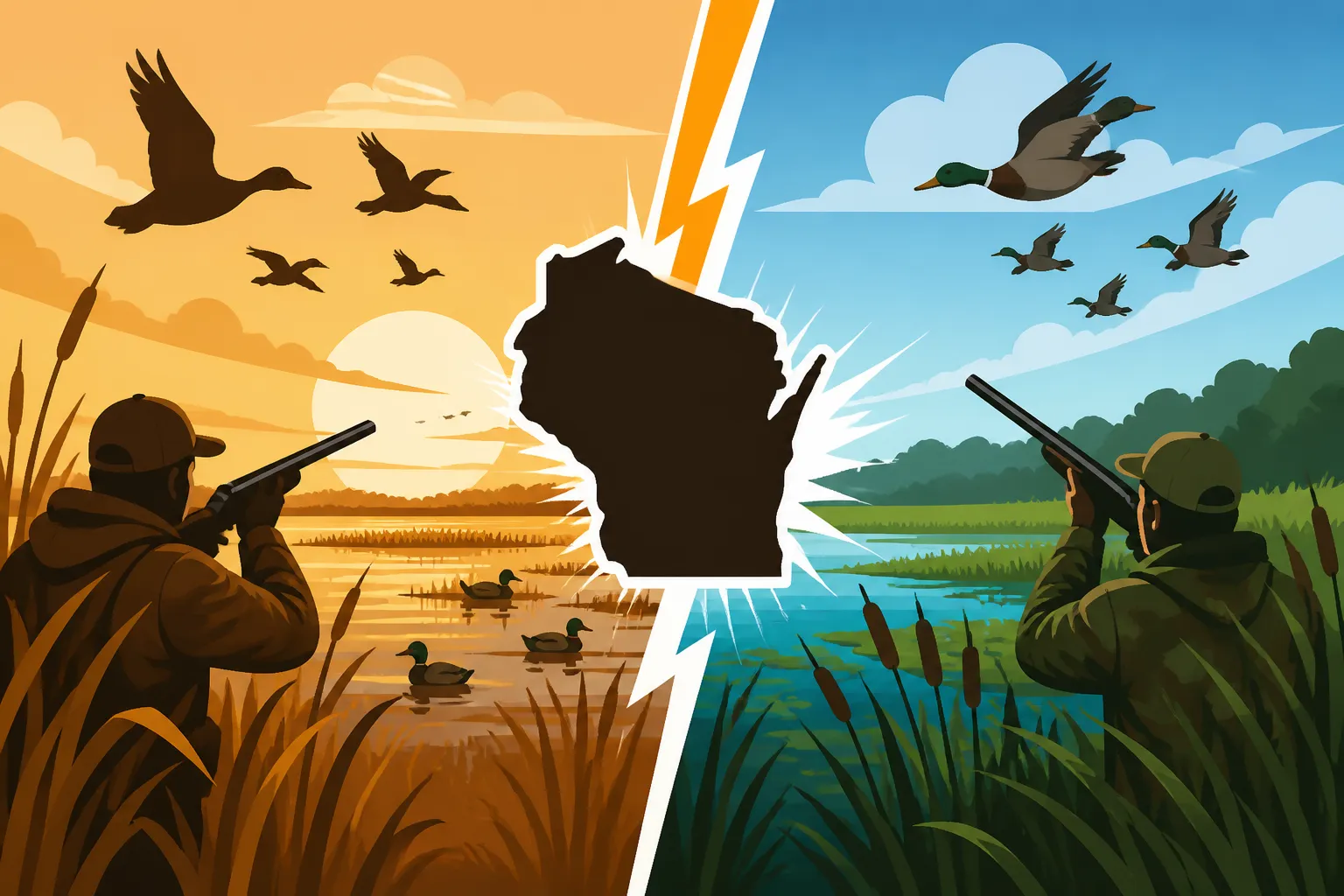
Imagine a single, sprawling natural masterpiece divided right down the middle, with two different caretakers, each with their own vision for its management. That's essentially what you have with Horicon Marsh. While the ecosystem itself is continuous, the land ownership and, critically for us, the hunting regulations are split between federal and state agencies. This isn't just a bureaucratic quirk; it profoundly impacts how, when, and what you can hunt. Understanding this fundamental division is the first step toward a successful outing.
Horicon National Wildlife Refuge
On the northern two-thirds of the marsh, stretching across Dodge and Fond du Lac counties, lies the Horicon National Wildlife Refuge. This vast federal property, managed by the U.S. Fish and Wildlife Service, was established primarily as a major resting and nesting area for migratory birds, especially waterfowl. Its primary mission is wildlife conservation and providing public recreational opportunities that are compatible with that conservation goal.
For hunters, this means a few things. First, the emphasis on migratory birds is paramount. The Refuge is a critical stopover for millions of ducks and geese along the Mississippi Flyway. Because of its federal designation, hunting here often involves more stringent regulations, including special permits and draws, all designed to manage hunter impact and protect the resource. Access can be more restricted in certain areas or during specific times to ensure undisturbed resting areas for wildlife. The philosophy leans heavily towards protecting the core bird populations, meaning hunting is a privilege carefully managed to ensure minimal disturbance to the larger ecological purpose. Think of it as a carefully controlled environment, where every hunter's presence is accounted for.
Horicon Marsh State Wildlife Area
Conversely, the southern third of the marsh is managed by the Wisconsin Department of Natural Resources (DNR) and is known as the Horicon Marsh State Wildlife Area. This state property also plays a crucial role in wildlife management and public recreation, but its specific management goals and, consequently, its hunting regulations, often differ from its federal counterpart. While still vital for migratory birds, the state area often has a broader focus on managing a wider array of game species and providing more diverse hunting opportunities that align with state-level conservation objectives.
The state-managed portion tends to have slightly different access rules, and while some areas also require special permits or draws, especially for prime waterfowl spots, the overall approach might feel a bit more aligned with general statewide hunting practices. Hunters might find more diverse opportunities for species beyond just waterfowl, depending on the specific zone and time of year. It’s still highly regulated, but the nuances are important. Understanding Horicon Marsh Waterfowl Hunting Rules specific to the state side is crucial, as they can sometimes complement or contrast with federal rules.
Navigating Hunting Regulations and Opportunities
The shared name "Horicon Marsh" can be incredibly deceiving when it comes to planning a hunt. What applies in the Refuge might be completely different in the State Wildlife Area. This isn't a minor detail; it's the difference between a legal, successful hunt and a frustrating, potentially rule-breaking one. Always double-check which entity's land you're on, even if they're right next to each other. Many hunters rely on detailed mapping apps like onX Hunt to precisely delineate these boundaries while in the field, which can save a lot of headaches.
Waterfowl Hunting: A Tale of Two Jurisdictions
Waterfowl hunting is, without a doubt, the crown jewel of Horicon Marsh. Both the Refuge and the State Wildlife Area offer incredible opportunities, but their methods of offering them are distinct.
Horicon National Wildlife Refuge Waterfowl Hunting:
Hunting in the Refuge is highly structured, typically involving a draw system for specific units or blinds. This is especially true for goose hunting, which the Refuge is world-renowned for. You can't just show up and expect to set up anywhere. There's a formal application period, usually well in advance of the season, and successful applicants are assigned specific hunting dates and areas. The goal here is to distribute hunting pressure, minimize disturbance to resting birds, and provide a quality hunting experience. The daily bag limits and shooting hours often align with federal guidelines, which can sometimes have slight variations from state general regulations. Access points are usually well-defined, and strict rules govern decoy placement, retrieval, and even the type of boat you can use. If you're hoping to experience a classic Hunting Horicon Marsh in October goose hunt on the Refuge, paying close attention to application deadlines and specific unit rules is absolutely critical.
Horicon Marsh State Wildlife Area Waterfowl Hunting:
The State Wildlife Area also offers fantastic waterfowl hunting, often with a mix of managed draw hunts for certain areas (like the famous managed goose hunt zones) and general access opportunities in other sections. For general public access areas, hunters might find more flexibility, akin to hunting other state public lands, though intense hunting pressure often requires early arrival and scouting. Many parts of the state marsh are navigable by boat, offering opportunities for jump shooting or setting up in less accessible areas. The rules for Wisconsin Waterfowl Hunting on Marsh and River in the state portion generally follow statewide duck and goose seasons, bag limits, and shooting hours, but always check local regulations for any specific area restrictions. Some prime locations may still require an application or a check-in process, especially during peak migration.
It's not uncommon for hunters to apply for both federal and state drawings, hoping to draw a coveted tag in either. The key is recognizing that these are two separate lottery systems, with two distinct sets of rules, administered by two different agencies.
Other Game Species and Access
While waterfowl often steal the spotlight, Horicon Marsh offers opportunities for other game species, though these are typically more focused on the State Wildlife Area.
Deer Hunting:
Deer hunting is generally prohibited within the Horicon National Wildlife Refuge. The primary mission of the Refuge is migratory bird conservation, and deer hunting activities are often deemed incompatible with that goal or the established safety zones. You might find very limited, highly controlled opportunities if overpopulation issues arise, but these are rare and typically involve special permits outside the regular deer seasons.
In contrast, the Horicon Marsh State Wildlife Area does permit deer hunting in many of its upland and marsh edge areas. This provides a diverse landscape for deer, from heavy marsh cover to adjacent woodlands and agricultural fields. Hunters here follow standard Wisconsin Deer Seasons and Zones and can pursue deer with archery equipment, firearms, or muzzleloaders, depending on the season and specific zone rules. While not known for massive trophy bucks like some other parts of the state, it offers accessible deer hunting opportunities, especially for those who appreciate hunting challenging marsh environments.
Small Game and Upland Birds:
Similarly, opportunities for small game like rabbits, squirrels, or pheasants (often stocked in certain areas) are predominantly found within the Horicon Marsh State Wildlife Area. The federal Refuge tends to be much more restrictive, if not entirely closed, to these hunting types. Hunters on the state marsh can pursue these species during their respective Wisconsin Small Game and Furbearer Seasons, provided they check the specific unit rules for any local closures or restrictions. Pheasant hunting, for example, might have designated hunting zones or special regulations regarding blaze orange requirements. For those interested in Rabbit and Hare Hunting in Wisconsin in a diverse habitat, the state marsh edges can offer good cover.
General Access:
Access rules also differ. On the Refuge, access is often limited to designated roads, parking areas, and specific hunting units during open seasons. You generally won't find the same level of open, walk-in access as on some state lands. The State Wildlife Area, while still having restricted areas, often provides more general public access, including boat launches and numerous parking lots designed to facilitate varied recreational uses. Using detailed maps on an app like onX Hunt or GoHunt that clearly display property boundaries, access points, and even satellite imagery is invaluable for understanding where you can legally go and where you need to be cautious.
| Feature / Aspect | Horicon National Wildlife Refuge | Horicon Marsh State Wildlife Area |
|---|---|---|
| Managing Agency | U.S. Fish and Wildlife Service (Federal) | Wisconsin Department of Natural Resources (State) |
| Primary Mission | Migratory Bird Conservation (Resting, Nesting) | Wildlife Management & Public Recreation (Broader focus) |
| Waterfowl Hunting | Highly regulated, often via draw system for specific units/blinds; strict rules. | Mix of managed draw hunts and general access; follows state regulations with local specifics. |
| Deer Hunting | Generally prohibited (very rare, highly controlled exceptions). | Permitted in many upland & marsh edge areas; follows standard state seasons. |
| Small Game/Upland Birds | Generally prohibited or extremely limited. | Permitted in many areas; follows state seasons with local specifics. |
| Access Philosophy | Controlled access, emphasis on minimizing disturbance. | More general public access, though some areas managed. |
| Permits/Applications | Federal draw system (e.g., goose blinds) via FWS. | State draw system (e.g., managed goose hunt) via DNR, plus general licenses. |
| Mapping | Crucial for precise unit boundaries & access. | Crucial for identifying accessible areas & specific zones. |
Practical Considerations for Hunters
Knowing the regulatory differences is one thing; putting that knowledge into practice is another. A successful hunt at Horicon Marsh, regardless of whether you're in the Refuge or the State Marsh, requires careful planning, preparation, and an appreciation for the unique challenges of marsh hunting.
Permits, Drawings, and Application Processes
For waterfowl hunters, the application process for managed hunts is paramount. For the federal Refuge, you’ll typically apply directly through the U.S. Fish and Wildlife Service's system. This process is usually separate from your standard Wisconsin hunting licenses and stamps. The application periods are specific, and missing a deadline means missing the opportunity for that year. Pay close attention to federal announcements.
For the state-managed areas, particularly for controlled goose hunts, applications are submitted through the Wisconsin DNR’s Go Wild system, which also handles your general Wisconsin Hunting Licences and What They Cost. These draw hunts often have their own specific application periods and may require turkey or waterfowl preference points to increase your odds, similar to how Wisconsin Bear Preference Points and Zones work. Even if you don't draw a managed spot, don't despair! Leftover permits or general public access areas are often available, but you need to know where to look and what the local rules are. Always ensure you have your federal duck stamp and Wisconsin Waterfowl Stamp Requirements taken care of, as these are mandatory regardless of whether you hunt federal or state land for migratory birds.
Scouting and Strategy Differences
Scouting is always crucial, but at Horicon, it needs to be tailored to the specific management area you're targeting.
Scouting the Refuge:
When scouting the Refuge, your focus should be on understanding the general movements of birds into and out of the designated hunting units. Since access can be restricted outside of hunting days, observation from public roads or designated viewing areas becomes key. Look for flight patterns, feeding areas, and resting zones. Because hunting pressure is managed through the draw system, birds within the units might behave differently than those in open, unmanaged areas. Pay attention to changes in water levels and vegetation, as these can drastically alter bird movements. Using a detailed mapping app like onX Hunt can help you visualize the units, access points, and potential blind locations even if you can't walk every inch of the property beforehand.
Scouting the State Marsh:
Scouting the State Wildlife Area allows for more direct, on-the-ground exploration, particularly in general access areas. You can often walk or boat into potential hunting locations, identify natural blinds, and observe bird activity more closely. Look for areas with good cover, proximity to feeding fields (especially for geese), and signs of consistent bird use. The state marsh often experiences higher hunter traffic in general access zones, so finding less-pressured pockets or using unique access strategies, like Hunting Mississippi River Backwaters (which can provide analogous challenges), becomes more important. Wind and water conditions play a huge role in marsh hunting, so observing these factors during scouting trips will be invaluable. The key is finding spots that offer both concealment and strategic advantage, especially given that you’ll be sharing the marsh with many other hunters.
Ultimately, whether you hunt the federal Refuge or the State Wildlife Area, meticulous preparation and adherence to the specific rules of that jurisdiction are your greatest allies. Both offer world-class opportunities, but they demand different approaches and respect for their unique management goals.
Disclaimer
This article is for general informational purposes only and does not constitute professional advice. Laws, prices and regulations vary by location and change over time. Consult a qualified professional for guidance on your specific situation.