Wisconsin Mallard and Wood Duck Numbers
It can feel like a real mystery sometimes, looking up at the sky and wondering where all the ducks are, or why some years seem so much better than others. For many Wisconsin hunters, mallards and wood ducks aren't just birds; they're an integral part of our waterfowl heritage. Understanding the ebb and flow of their populations is key to appreciating the hunting experience and the health of our wetlands. This guide will dive deep into the fascinating world of mallard and wood duck numbers in Wisconsin, exploring what makes them thrive, what challenges they face, and what it all means for hunters and conservationists alike.
The Significance of Mallards and Wood Ducks in Wisconsin
Mallards and wood ducks hold a special place in the hearts of Wisconsin waterfowlers. They're often the first ducks new hunters learn to identify, and their distinctive calls and vibrant plumage are iconic. But their significance goes beyond aesthetics; these two species are crucial indicators of wetland health and provide countless hours of recreation and sustenance for hunters across the state.
Why These Ducks Are So Popular with Hunters
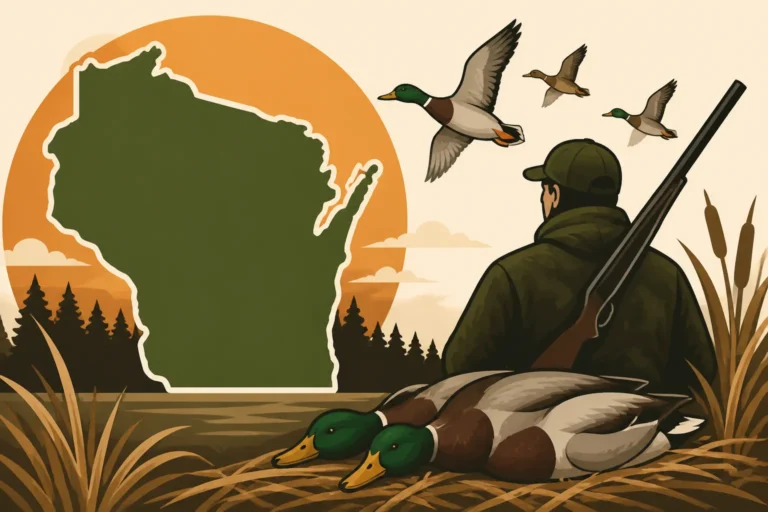
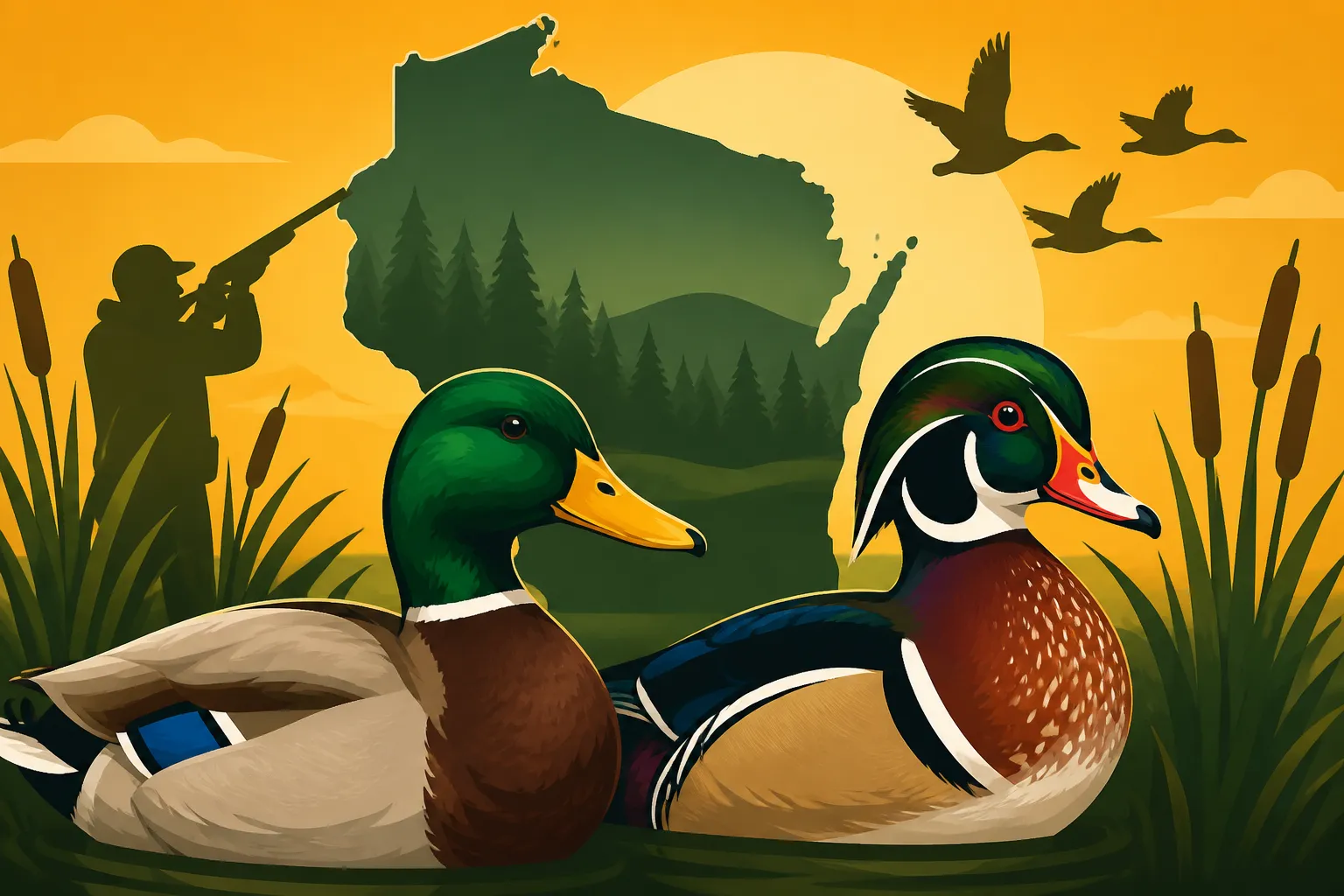
There's no denying the appeal. Mallards, with their unmistakable green heads and loud quacks, are the quintessential puddle duck. They're abundant, adaptable, and often respond well to decoys and calls, making them a fantastic target for hunters of all skill levels. From the big marshes of Horicon to the smallest farm ponds, you can find mallards almost anywhere there's water and food. They're also excellent table fare, which certainly adds to their popularity.
Wood ducks, on the other hand, bring a different kind of charm. Their iridescent plumage is simply stunning, and their squealing "woo-eek" call is instantly recognizable. They prefer wooded swamps, flooded timber, and rivers with plenty of trees for nesting, offering a unique hunting experience that often involves jump-shooting quiet stretches of water or setting up in flooded woods. They're perhaps a bit more challenging to hunt consistently than mallards, but their beauty and the special habitats they frequent make them highly sought after. Both species represent the pinnacle of Wisconsin's diverse waterfowl opportunities, drawing hunters to every corner of the state each fall. Wisconsin Waterfowl Hunting on Marsh and River has more details on where to find them.
Their Role in Wisconsin's Wetland Ecosystems
Beyond their value to hunters, mallards and wood ducks play vital ecological roles. As dabbling ducks, they feed primarily on submerged vegetation, seeds, aquatic insects, and grains found in shallow water. By foraging, they help to disperse seeds, consume insect populations, and cycle nutrients within wetland environments. Their presence is often a good indicator of a healthy, productive wetland.
Wood ducks, as cavity nesters, are particularly important. They utilize natural tree cavities or artificial nest boxes, and in doing so, they become part of the complex food web of forested wetlands. Their broods, once hatched, navigate these rich environments, contributing to the overall biodiversity. When we see robust populations of mallards and wood ducks, it tells us that the mosaic of habitats they rely on—from agricultural fields to deep northern forests and the vast backwaters of the Mississippi River—are largely functioning well. Conversely, declines can signal trouble, prompting closer examination of water quality, habitat loss, or other environmental stressors.
Understanding Mallard Population Trends in Wisconsin
Mallards are typically the most numerous duck harvested in Wisconsin, and their population health is closely monitored by wildlife agencies. Their numbers fluctuate from year to year, influenced by a complex interplay of environmental factors both within and outside Wisconsin's borders.
Factors Influencing Mallard Numbers
Several key factors impact mallard populations. The most significant is often habitat conditions on the breeding grounds, primarily in the prairie pothole region of the Dakotas and Canada. This "duck factory" is where a large percentage of Wisconsin's mallards originate. Abundant rainfall leading to numerous, shallow wetlands in the spring means more successful breeding pairs and higher duck production. Drought conditions in these areas can have a devastating effect on continental populations, which in turn impacts how many birds make it to Wisconsin.
Within Wisconsin, local breeding success is also important, although it contributes a smaller percentage to our fall flight than the birds from the prairies. Availability of quality nesting cover, water levels in local marshes, and predation pressure on nests and ducklings all play a role. Agricultural practices, such as early hay cutting that destroys nests, or the presence of standing corn that provides critical late-season food, also shape mallard movements and survival. The health of migration corridors and wintering grounds further down the flyway also contributes, as birds need to survive these journeys to return and breed again.
Harvest Data and Population Health
Wisconsin's duck hunters harvest a substantial number of mallards each fall. This harvest data, collected through surveys like the Migratory Bird Harvest Information Program (HIP) Wisconsin HIP Certification for Bird Hunters and the federal duck stamp purchase program Wisconsin Federal Duck Stamp Rules, is crucial for assessing population health. Wildlife biologists analyze these figures alongside breeding population surveys conducted in the spring to set bag limits and season lengths.
A steady or increasing harvest, particularly when combined with strong breeding ground reports, suggests a healthy and sustainable population. Conversely, declining harvest numbers might signal a need for more conservative regulations or increased conservation efforts. It's a delicate balance, trying to provide hunting opportunities while ensuring the long-term viability of the species. For hunters, keeping an eye on these reports, often published by state agencies, is a great way to stay informed. Many hunters also use tools like GoHunt to track their own harvest over time, which can provide a personal perspective on local population dynamics.
The Impact of Habitat on Mallard Breeding Success
Mallards are adaptable, but they still require specific habitat features to successfully reproduce. Ideal breeding grounds offer a mosaic of shallow wetlands for feeding and brood rearing, interspersed with dense upland cover for nesting. Hens typically build their nests in grasses, cattails, or other vegetation near water, but away from areas with high predator densities.
When these critical elements are lacking, whether due to wetland drainage for agriculture, urban sprawl, or degraded habitat quality, breeding success can plummet. Conservation programs focused on wetland restoration, creation of nesting cover, and safe nesting islands are vital. Think about the efforts to restore grasslands adjacent to major river systems or the preservation of cattail-choked marshes like those found in the Central Sands region. These efforts directly translate into more ducklings making it to flight stage, strengthening the local contribution to the overall mallard population that eventually makes its way through Wisconsin during migration. Hunting Cattail Marsh for Ducks delves deeper into these specific habitats.
Delving into Wisconsin's Wood Duck Numbers
Wood ducks present a different management picture than mallards, primarily due to their unique nesting habits and preference for wooded wetlands. While not as numerous as mallards overall, they are incredibly common in Wisconsin's specific habitats and are a staple of many hunters' bags.
Wood Duck Habitat Requirements and Preferences
Wood ducks are perhaps the most beautiful duck species in North America, and their reliance on timbered wetlands sets them apart. Unlike ground-nesting mallards, wood ducks are cavity nesters. They seek out natural tree hollows, old woodpecker holes, or artificial nest boxes located near water. This means mature, riparian forests, flooded timber, and wooded swamps along rivers and flowages are their preferred domain.
They particularly favor areas with a mix of open water and dense overhead cover, which provides protection from predators and ample foraging opportunities. You'll find them along the banks of the Wisconsin River, in the flooded bottomlands of the Mississippi Hunting Mississippi River Backwaters, and tucked into the small, wooded potholes of southern Wisconsin. The availability of these specific habitats is the primary driver of wood duck numbers. Without adequate nesting cavities and brood-rearing cover, even abundant food sources won't support a thriving population.
Nesting Success and Brood Survival Rates
The success of a wood duck season often begins with nesting success. Hens will typically lay a clutch of 10-15 eggs, and the ducklings, often within 24 hours of hatching, will jump from their high tree cavity nest down to the water or ground below. It's a remarkable sight if you ever get to witness it! From there, the hen guides her brood to areas of dense vegetation where they can feed on insects, seeds, and small aquatic invertebrates, and find shelter from predators like snapping turtles, raptors, and mink.
Brood survival is critical. Factors like water levels, which affect both access to food and predator vulnerability, are hugely important. Habitat quality, providing escape cover and abundant invertebrate life for growing ducklings, is paramount. Artificial nest boxes have played a significant role in boosting wood duck populations by providing secure nesting sites in areas where natural cavities might be scarce. Many conservation groups and individual landowners maintain these boxes across Wisconsin, contributing directly to wood duck numbers.
Wood Duck Harvest and Management Strategies
Wood ducks are a consistently popular game bird in Wisconsin, and their harvest numbers are carefully monitored. Because they tend to concentrate in specific habitats, they can be a relatively predictable target for hunters who know where to look. Management strategies for wood ducks often focus on habitat enhancement and the provision of nesting structures.
Unlike mallards, which are largely managed at a continental level, local efforts can have a more direct and noticeable impact on wood duck populations. Programs that encourage landowners to install and maintain nest boxes, protect and restore forested wetlands, and manage timber to create suitable cavities are essential. Regulations, such as daily bag limits, are set to ensure that harvest remains sustainable given the species' reproductive capabilities and population size. For instance, you can check the Wisconsin Duck Daily Bag Limit for current restrictions. Hunters using platforms like GoHunt can often find detailed maps highlighting potential wood duck habitat, making their scouting efforts more efficient.
Conservation Efforts and Hunter Contributions
It's easy to get caught up in the details of hunting tactics or gear, but underlying all of it is the critical work of conservation. For mallards and wood ducks to continue gracing Wisconsin's wetlands, ongoing efforts are needed, and hunters are at the forefront of this work.
How Hunters Support Duck Populations
Many people might not realize the immense financial and physical contributions that waterfowl hunters make to conservation. Every time a hunter buys a state hunting license or a federal duck stamp, a significant portion of that money goes directly into wetland acquisition, restoration, and management. Organizations like Ducks Unlimited, funded heavily by hunters, have conserved millions of acres of wetland habitat across North America.
Beyond financial contributions, hunters are often the most vocal advocates for wetland protection. They're on the ground, witnessing habitat changes firsthand, and are often the first to report issues or engage in volunteer work, whether it's building wood duck boxes, planting nesting cover, or participating in clean-up efforts. Their passion for the resource drives much of the conservation success we see for these popular duck species. Without the dedicated community of waterfowl hunters, Wisconsin's duck populations, and the wetlands they depend on, would be in a far more precarious position.
Key Conservation Programs and Organizations
Several key programs and organizations are instrumental in sustaining mallard and wood duck populations in Wisconsin. The Wisconsin Department of Natural Resources (DNR) plays a central role, managing seasons and bag limits, conducting surveys, and overseeing habitat projects on public lands like state wildlife areas. Wisconsin State Wildlife Areas are often prime locations for these efforts.
Beyond the DNR, federal agencies like the U.S. Fish and Wildlife Service manage national wildlife refuges and administer the federal duck stamp program. Non-governmental organizations like Ducks Unlimited are titans in wetland conservation, often partnering with landowners and agencies to restore critical habitat. The Wisconsin Waterfowl Association also does fantastic work at a more local level, focusing on projects directly impacting Wisconsin's ducks and hunters. These collaborative efforts, often supported by hunter dollars and volunteer hours, ensure that breeding grounds, migration corridors, and wintering areas remain viable for generations of ducks to come.
The Future Outlook for Wisconsin's Duck Populations
The future of mallard and wood duck populations in Wisconsin is a mix of challenges and opportunities. Climate change brings uncertainty, with potential impacts on water availability in crucial breeding grounds and shifts in migration patterns Duck Migration Timing Through Wisconsin. Ongoing habitat loss due to development and agricultural intensification remains a constant threat. Disease, like Avian Influenza, also presents periodic challenges Avian Influenza in Wisconsin Birds.
However, the dedication of conservationists and hunters provides a strong counter-narrative. The continued investment in wetland restoration, smart agricultural practices that benefit wildlife, and the ongoing commitment to scientific management offer hope. The adaptability of both mallards and wood ducks, especially the wood duck's incredible rebound thanks to nest box programs, demonstrates their resilience. By continuing to support conservation efforts, advocating for wetland protection, and participating responsibly in hunting, Wisconsin's hunters will continue to play a crucial role in ensuring that the skies above our marshes and rivers remain filled with the sight and sound of these beloved ducks. Perhaps using tools like GoHunt to track movements or Scouting Wisconsin Public Land Before Season will become even more important for future success.
| Species | Preferred Habitat | Nesting Habits | Primary Diet | Key Conservation Strategy |
|---|---|---|---|---|
| Mallard | Shallow marshes, open water, agricultural fields | Ground nests in dense upland cover | Seeds, grains, aquatic invertebrates | Wetland and grassland restoration on breeding grounds |
| Wood Duck | Wooded swamps, flooded timber, riparian forests | Tree cavities, artificial nest boxes | Acorns, seeds, insects, small fish | Nest box programs, forested wetland preservation |
Disclaimer
This article is for general informational purposes only and does not constitute professional advice. Laws, prices and regulations vary by location and change over time. Consult a qualified professional for guidance on your specific situation.