Avian Influenza in Wisconsin Birds
For hunters and bird enthusiasts across Wisconsin, the emergence of avian influenza in our wild bird populations has undoubtedly added a layer of concern and even a bit of apprehension to time spent outdoors. It's a sobering thought that the very creatures we admire and pursue can be impacted by something invisible, and it leaves many wondering about risks, precautions, and what exactly is going on. This guide is here to unravel the complexities of avian influenza in Wisconsin birds, offering clarity on its impact, the risks involved, and practical steps you can take to stay safe while continuing to enjoy our state's rich wildlife.
Understanding Avian Influenza in Wisconsin Birds
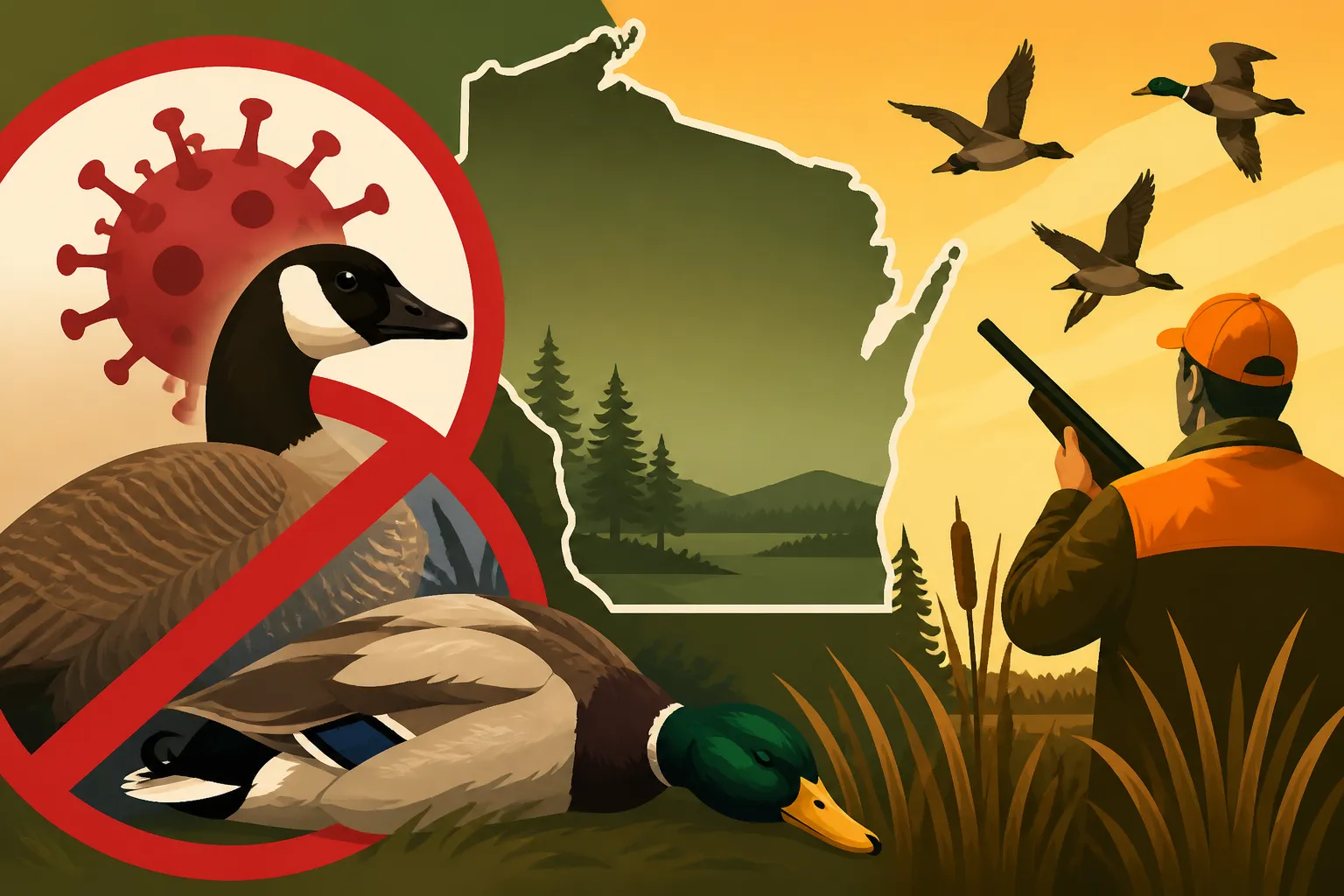
Avian influenza, often referred to as bird flu, is a virus that primarily affects birds. While various strains exist, the one that has garnered significant attention in recent years is the Highly Pathogenic Avian Influenza (HPAI). This particular strain is highly contagious and can cause severe illness and death in a wide range of bird species. For those of us who spend a lot of time watching or hunting waterfowl, or simply observing backyard birds, the news of HPAI can be quite unsettling. You might see reports of large bird die-offs, especially in wetland areas, and it naturally raises questions about what this means for the overall health of our bird populations and even our own safety.
What is Highly Pathogenic Avian Influenza HPAI?
HPAI is not new, but its recent spread and impact have been significant. Think of it as a particularly aggressive flu bug for birds. It circulates naturally in wild waterfowl, which often don't show symptoms, acting as carriers. However, when these viruses spill over into other bird species, particularly domestic poultry like chickens and turkeys, or even raptors and scavengers that prey on or consume infected birds, the results can be devastating. This is why you hear so much about outbreaks on poultry farms, but it's crucial to remember that the virus is also present in wild populations. In Wisconsin, our diverse ecosystems, from the vast expanses of Horicon Marsh to the myriad lakes and rivers, provide ample habitat for wild birds, creating pathways for the virus to move around. It's a constant concern for wildlife managers and a reminder for us all to be observant when we're out in the field.
Which Bird Species Are Most Affected in Wisconsin?
While HPAI can affect many types of birds, certain species in Wisconsin have been disproportionately impacted. Waterfowl, such as ducks, geese, and swans, are the primary carriers and are often the first to show widespread signs of illness or death, especially during migration periods. Imagine hundreds of geese gathered in a field; if one is shedding the virus, it can spread rapidly through the flock. Raptors like bald eagles, hawks, and owls are also vulnerable because they prey on infected waterfowl or scavenge on carcasses. Wisconsin Waterfowl Hunting on Marsh and River can bring you into close contact with these populations, making awareness vital. Even songbirds can contract the virus, though large die-offs are less common among them. The virus can also hit other species like crows, gulls, and even some shorebirds. This broad impact highlights the interconnectedness of our wildlife and why monitoring is so critical.
The table below provides a quick overview of some commonly affected bird groups and potential signs of illness you might observe.
| Bird Group | Common Species in Wisconsin | Typical Signs of HPAI |
|---|---|---|
| Waterfowl | Ducks, Geese, Swans | Lethargy, tremors, swimming in circles, inability to fly or stand, head tilting, sudden death without obvious injury. |
| Raptors | Eagles, Hawks, Owls | Neurological signs like head tilt, lack of coordination, stumbling, weakness, difficulty flying, often found near waterfowl concentrations. |
| Scavengers | Crows, Gulls, Vultures | Similar neurological signs, disorientation, lethargy, often found near dead birds. |
| Game Birds | Pheasants, Turkeys, Grouse (less common) | Severe depression, decreased appetite, respiratory distress (coughing, sneezing), swelling of head/wattles/combs, sudden death. This is less frequently observed in wild populations, but a significant concern for managed or domestic birds. Wisconsin Pheasant Stocking Program |
Hunter's Role in Preventing Avian Flu Spread
As hunters, we are often among the first to observe changes in wildlife populations or to encounter sick or deceased animals in remote areas. This puts us in a unique position to help monitor and prevent the spread of diseases like avian influenza. It's not just about protecting ourselves, though that's important; it's also about safeguarding the health of our wild bird populations and preventing spillover into domestic poultry, which could have devastating economic consequences for farmers. Being informed and taking simple precautions can make a real difference, turning your time in the field into a valuable contribution to wildlife health.
Protecting Yourself and Your Hunting Dogs
The good news is that the risk of humans contracting avian influenza from wild birds is considered low, but it's not zero. The Centers for Disease Control and Prevention (CDC) continuously monitors this. The primary concern is direct, prolonged contact with infected birds or their droppings, especially if proper hygiene isn't followed. For hunters, this means being mindful when handling game. Always wear gloves when field dressing any bird, and avoid touching your face, mouth, or eyes during the process. After handling birds, thoroughly wash your hands and disinfect all tools and surfaces. This isn't just good practice for avian flu; it's essential for preventing the spread of many potential pathogens.
Your hunting dogs are also a consideration. While dogs are generally not highly susceptible to HPAI, they can potentially pick up the virus from infected carcasses and carry it to other locations or even back home to your family's pets. If your dog retrieves waterfowl, try to minimize their direct contact with carcasses beyond the retrieve itself. After a hunt, ensure your dog's paws and coat are cleaned, especially if they've been in areas with high bird activity or where sick birds have been observed. Keep an eye out for any unusual symptoms in your dog after a hunt, though again, the risk is relatively low. Tools like GoHunt can help you scout areas, but always pair digital intel with on-the-ground observation.
Safe Handling of Harvested Birds and Carcasses
When you harvest a bird, whether it's a duck, goose, or turkey, always inspect it for any signs of illness mentioned earlier. If a bird looks visibly sick or behaves strangely before the shot, it's probably best to pass on it. If you harvest a bird and notice unusual lesions, discolored organs, or other signs of disease during field dressing, consider disposing of it safely. Double-bag the carcass and internal organs and place them in a sealed trash receptacle. Do not leave potentially infected carcasses in the field where scavengers could further spread the virus.
For healthy birds, once harvested, process them as you normally would, but maintain strict hygiene. Cook all game meat thoroughly to an internal temperature of at least 165°F (74°C). This will kill any bacteria or viruses, including avian influenza, ensuring the meat is safe for consumption. Properly disposing of processing waste is also key. Never discard guts or feathers in an open area near domestic poultry or other birds. Field Dressing a Deer in Cold Weather offers good general advice on hygiene in the field, which can be applied to birds as well. Remember, the goal is to break any potential chain of transmission.
Wisconsin's Response and Reporting Protocols
The Wisconsin Department of Natural Resources (DNR) and other state agencies are actively monitoring avian influenza in both wild and domestic bird populations. Their efforts are crucial in understanding the spread of the virus, implementing response strategies, and providing guidance to the public. As concerned citizens and hunters, we play a vital role in supporting these efforts by reporting unusual observations and adhering to guidelines. This collective vigilance is our best defense against widespread outbreaks.
How the DNR Monitors and Manages Avian Flu
The Wisconsin DNR works tirelessly with federal partners, wildlife rehabilitators, and other state agencies to track avian influenza. This involves collecting samples from wild birds, especially those found sick or dead, for testing. They also coordinate with poultry producers to implement biosecurity measures. The data collected helps them understand the prevalence of the virus, identify hot spots, and predict potential future outbreaks. You might see updates from them regarding specific areas or recommendations for hunters, especially during periods of high transmission, such as spring and fall migrations. Staying informed through official DNR channels is critical, even when using platforms like GoHunt for other hunting information.
The DNR also issues guidance on carcass transport and disposal, which is especially important for preventing the accidental spread of disease. For instance, Wisconsin Carcass Transport Rules exist for deer, and while specific rules for avian flu might differ, the principle of preventing disease spread by moving animal parts is similar. If a county has a known outbreak, the DNR might issue specific advisories to hunters in that area.
Reporting Sick or Dead Birds in Wisconsin
If you encounter sick or dead wild birds in Wisconsin, especially multiple birds in one location, it is incredibly important to report your observations to the DNR. Do not attempt to handle the birds yourself. Reporting helps wildlife health officials track the virus, identify areas of concern, and respond appropriately.
You can usually find reporting instructions on the Wisconsin DNR's official website, typically under their wildlife health or disease sections. They often have a dedicated online reporting form or a phone number to call. Be prepared to provide details such as:
- The exact location (GPS coordinates if possible, or a clear description).
- The type and number of birds observed.
- The condition of the birds (sick, dead, exhibiting specific symptoms).
- The date and time of your observation.
Prompt reporting is key to effective disease surveillance. This is part of being a responsible steward of our natural resources and helps the state protect our valuable wildlife populations. Reporting a Sick Animal in Wisconsin is a crucial step for any hunter who finds unusual animal behavior or mortalities.
Safe Carcass Disposal and Site Cleanup
After reporting sick or dead birds, the next step, if advised by the DNR, involves proper carcass disposal. As mentioned earlier, never just leave dead birds lying around. If the DNR advises you to dispose of birds on your property, the safest methods generally include deep burial (at least two feet deep) away from water sources or double-bagging and sealing the carcass in durable plastic bags before placing it in household trash for landfill disposal.
It's also important to clean up any areas where sick or dead birds were found. This includes disinfecting any equipment, boots, or vehicles that may have come into contact with the birds or contaminated areas. A diluted bleach solution (one part bleach to ten parts water) is often recommended for disinfecting surfaces. This thoroughness helps ensure that the virus isn't lingering on surfaces, ready to be picked up by another bird or inadvertently carried to a new location. These practices extend beyond just avian flu; they are crucial components of Wildlife Diseases Wisconsin Hunters Watch and our ongoing efforts to maintain healthy ecosystems.
Disclaimer
This article is for general informational purposes only and does not constitute professional advice. Laws, prices and regulations vary by location and change over time. Consult a qualified professional for guidance on your specific situation.