Badgers and the Wisconsin Nickname
You know, it's a funny thing how often I've heard folks, especially those from out of state or new to Wisconsin, assume that because we're the "Badger State," there must be badgers absolutely everywhere, or that hunting them is a huge tradition here. It's a common head-scratcher, really, trying to figure out if our state animal is also a prime target for hunters. This guide is all about clearing up that friendly confusion, diving deep into the history of our beloved nickname and giving you the real scoop on the American badger's place in Wisconsin's wild and wonderful landscape.
The Root of the "Badger State" Nickname
Let's set the record straight right from the get-go: Wisconsin didn't get its "Badger State" moniker because of an abundance of the actual furry, striped animal roaming our woods and fields, nor because of any widespread hunting of them. The truth behind the nickname is far more tied to human ingenuity, perseverance, and a gritty chapter of our state's early history. It's a story of tough individuals shaping a burgeoning territory, long before the iconic badger became a mascot for our sports teams.
Miners and the Original "Badgers"
The nickname actually originated in the 1820s and 1830s, during the lead mining boom in southwestern Wisconsin, particularly in the Driftless Area. Miners, many of whom came from Cornwall, England, flocked to the region in droves, seeking their fortune in the rich lead deposits. These were hardy, determined individuals, but they faced harsh winters and lacked proper housing infrastructure in the remote mining camps. Instead of building traditional homes, which took time and effort away from their lucrative mining, many of these prospectors dug temporary shelters right into the hillsides. These crude dwellings, often just burrows dug into the earth, were reminiscent of the homes of badgers.
Imagine the scene: smoke curling from rudimentary chimneys, men emerging from holes in the ground after a long shift, covered in dirt and grit. They lived much like the subterranean animals they shared the landscape with, hence the affectionate, if slightly rough, nickname "badgers." It wasn't meant as an insult, but rather a descriptor of their practical, no-nonsense approach to living and working in a rugged frontier. It speaks volumes about the early pioneers' resourcefulness and their ability to adapt to challenging conditions, all in pursuit of a better life.
Evolution of a State Identity
Over time, as Wisconsin transitioned from a territory to a state in 1848, the "Badger State" nickname stuck. It evolved from a description of transient miners to a symbol of the hardworking, resilient spirit of all Wisconsinites. The image of the badger, strong and tenacious, became an unofficial mascot, embodying the grit and determination that defined the state's character. You see this everywhere now, from the university's beloved mascot to various state emblems, truly cementing its place in our cultural identity.
It's a testament to how nicknames can embed themselves deeply into the fabric of a place. While the original badgers were human, the powerful imagery of the animal itself – its strength, digging prowess, and fierce independence – resonated with the collective spirit of the people. This historical context is crucial for understanding that the nickname is more about human history and cultural identity than it is about the actual prevalence or hunting status of the animal.
Understanding the American Badger in Wisconsin
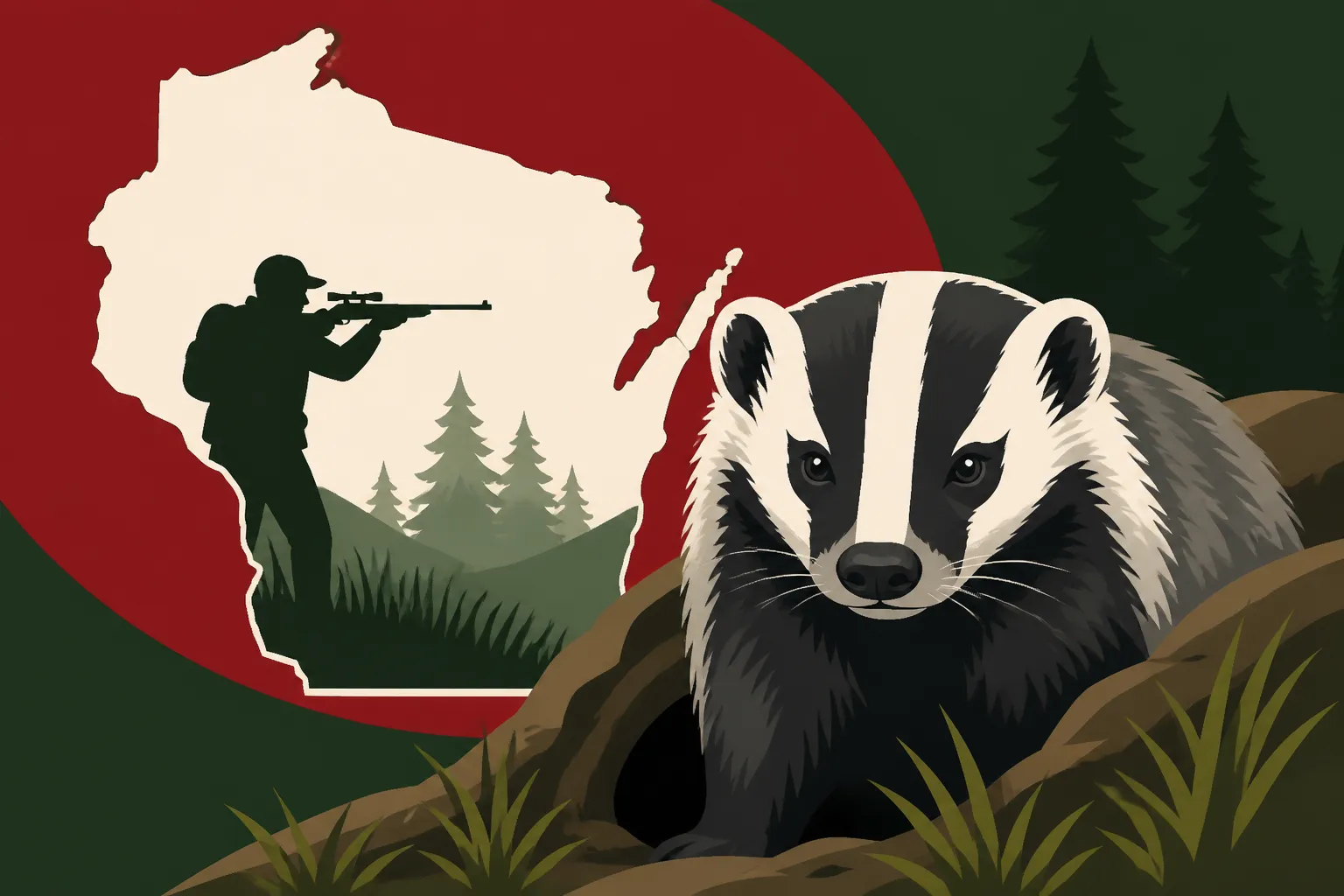
Now, let's talk about the actual American badger (Taxidea taxus), because yes, they do live here, even if they aren't the primary reason for our state's nickname. These fascinating creatures are often misunderstood, perceived as aggressive or overly common, when in reality, they're quite reclusive and a vital part of our ecosystem. Knowing about them helps appreciate the wildlife diversity we have, even if we're not actively pursuing them with a hunting license.
Where Wisconsin Badgers Live Today
While the nickname implies a widespread presence, American badgers are not uniformly distributed throughout Wisconsin. They tend to prefer open grasslands, prairies, and agricultural areas, particularly those with sandy soils that are easy to dig in. This means you're more likely to find them in the central and western parts of the state, especially in the sand counties and the rolling farmlands. These areas provide the ideal habitat for hunting their primary prey – burrowing rodents like gophers, ground squirrels, and voles. You might occasionally spot one in other regions, but they generally avoid heavily forested areas or dense urban environments.
Their populations aren't as dense as some might assume, and their elusive nature means many Wisconsinites have never actually seen a live badger in the wild. If you're out scouting for deer or turkeys in open country, particularly using tools like the GoHunt app to check satellite imagery for suitable habitat, you might notice areas that look prime for badgers, with sandy soils and open fields. However, even in ideal habitat, they remain a relatively uncommon sight compared to, say, a white-tailed deer. Reading Aerial Photos for Coulee Deer can give you an idea of how to spot good general wildlife habitat, which sometimes overlaps with badger territory, even if your target species is different.
Badger Behavior and Habitat
Badgers are primarily nocturnal, though they can be active during the day, especially during cooler periods or when foraging intensely. They are formidable diggers, using their powerful claws and muscular bodies to excavate burrows at an astonishing speed. These burrows serve as their homes, nurseries for their young, and escape routes from predators. Their diet consists almost entirely of small mammals they unearth, making them excellent pest controllers in agricultural settings. They have a surprisingly strong bite and a reputation for being fierce when cornered, which is a defense mechanism rather than inherent aggression.
Their preference for open country means their habitat often coincides with agricultural lands. This can sometimes lead to conflicts with farmers if their digging disrupts fields, but generally, their presence is beneficial for controlling rodent populations. Understanding their habits, like their solitary nature and the importance of undisturbed burrowing sites, is key to appreciating their role in Wisconsin's biodiversity. They're a wild animal that mostly wants to be left alone, much like many of us do when we're out enjoying the quiet of the woods.
Badger Hunting and Conservation in Wisconsin
This is often where the biggest misconception lies for people connecting the "Badger State" nickname with actual badgers. Given their status as our state animal and their relatively low population density, badgers are not a game species in Wisconsin. This means you won't find them listed in the harvest reports or requiring a tag, unlike deer or turkeys.
The Legal Status of Badgers for Hunters
To put it plainly: you cannot legally hunt badgers in Wisconsin. They are classified as a protected wild animal, meaning it is illegal to harvest them. This classification reflects their conservation status and the state's commitment to protecting its symbolic animal. While other furbearers like coyotes or bobcats have specific hunting and trapping seasons with strict regulations, badgers are entirely off-limits. This is an important distinction for hunters to understand, as accidentally or intentionally harming a protected species can lead to significant penalties. Game You Cannot Hunt in Wisconsin is a crucial resource for any hunter to review, and badgers would certainly be on that list.
It's a point of education for many, and frankly, it's something I've had to explain countless times at deer camp. New hunters, especially, might see the badger on state literature and naturally assume there's a season for them. But no, the closest most of us get to a badger hunt is spotting one from afar, feeling lucky to witness such a rare and iconic creature in its natural habitat. This means that while you might be out pursuing Wisconsin Small Game and Furbearer Seasons for other species, you should always be aware of what you're targeting and ensure it aligns with current regulations.
Efforts to Protect Wisconsin's Badgers
Given their protected status, Wisconsin's efforts focus on monitoring badger populations and protecting their habitats. The Department of Natural Resources (DNR) tracks sightings and population trends, often relying on citizen reports and incidental observations. Habitat preservation is also crucial, especially in areas where urban sprawl or intensive agriculture might encroach on their preferred open, grassy landscapes.
Conservation groups and landowners also play a role in ensuring badgers have suitable places to live and thrive. This might involve maintaining native prairie remnants or implementing farming practices that allow for undisturbed areas. The goal isn't necessarily to increase badger numbers dramatically, but to ensure a stable, healthy population that contributes to the ecological balance of the state. Knowing that our state animal is genuinely protected in the wild makes the nickname feel even more special, a symbol not just of our past, but of our ongoing commitment to wildlife. It also reinforces the idea that hunting is a regulated activity aimed at sustainable harvest, and badgers simply don't fall into that category.
Dispelling Common Misconceptions
The "Badger State" nickname is so ingrained in Wisconsin's identity that it naturally leads to several common misunderstandings about the actual animal. Let's clear up a few of these persistent myths, especially for those who might think they're missing out on a unique hunting opportunity.
Not a Primary Game Species
Perhaps the biggest misconception is that badgers are a primary game species in Wisconsin, similar to deer, turkeys, or even upland birds like grouse. This is absolutely not the case. When you look at the official Reading a Wisconsin Harvest Report or read through the hunting regulations, you won't find any mention of badger seasons, bag limits, or tags. Hunters focus on species that have robust populations and established management plans for sustainable harvest. Badgers, while present, exist in much smaller, more scattered numbers and, as discussed, are a protected species.
So, if you're gearing up for a fall hunt in Wisconsin, your focus will be on white-tailed deer, black bears (if you're lucky enough to draw a tag), various waterfowl, or upland birds. Badgers simply aren't on that list. This is why understanding state regulations through resources like the GoWild system or official DNR guides is so important. You use tools like GoHunt to scout for elk, deer, or turkey, not for badgers. It’s all part of being a responsible and informed hunter.
Beyond the Football Field
Another common misconception, particularly for those who only associate the badger with the University of Wisconsin-Madison, is that the animal itself is a common, almost omnipresent creature. While the university's mascot, Bucky Badger, is indeed iconic and omnipresent in marketing and merchandise, the real American badger in Wisconsin is far more reclusive and less frequently encountered. The spirited cheer of "Go Badgers!" at a football game is a powerful symbol of state pride, but it doesn't translate to seeing a badger every time you step into the woods.
The actual badgers are shy, solitary animals that prefer to avoid human interaction. They play a quiet, yet important, role in controlling rodent populations and aerating soil in their chosen habitats. So, the next time you see a badger mascot or hear the nickname, remember its rich human history and then appreciate the subtle, wild beauty of the real animal, living its protected life out in the more open, undeveloped corners of our beautiful state. It's a reminder that sometimes, the most enduring symbols have stories far deeper than their surface suggests, blending history, wildlife, and a resilient human spirit into a uniquely Wisconsin tale.
| Aspect | Wisconsin Nickname "Badger State" | American Badger (Animal) in Wisconsin |
|---|---|---|
| Origin | Lead miners' temporary dwellings | Native species, natural habitat |
| Symbolism | Hard work, tenacity, resourcefulness | Wild, reclusive, ecosystem role |
| Prevalence (Symbol) | Extremely widespread (cultural) | Relatively uncommon, specific habitats |
| Legal Status | State identity | Protected wild animal (no hunting) |
| Habitat (Original) | Mining camps in Driftless Area | Open grasslands, prairies, sandy soils |
| Primary Interaction | Cultural pride, sports fanship | Seldom seen, beneficial predator |
Disclaimer
This article is for general informational purposes only and does not constitute professional advice. Laws, prices and regulations vary by location and change over time. Consult a qualified professional for guidance on your specific situation.