Where Wisconsin Black Bears Live
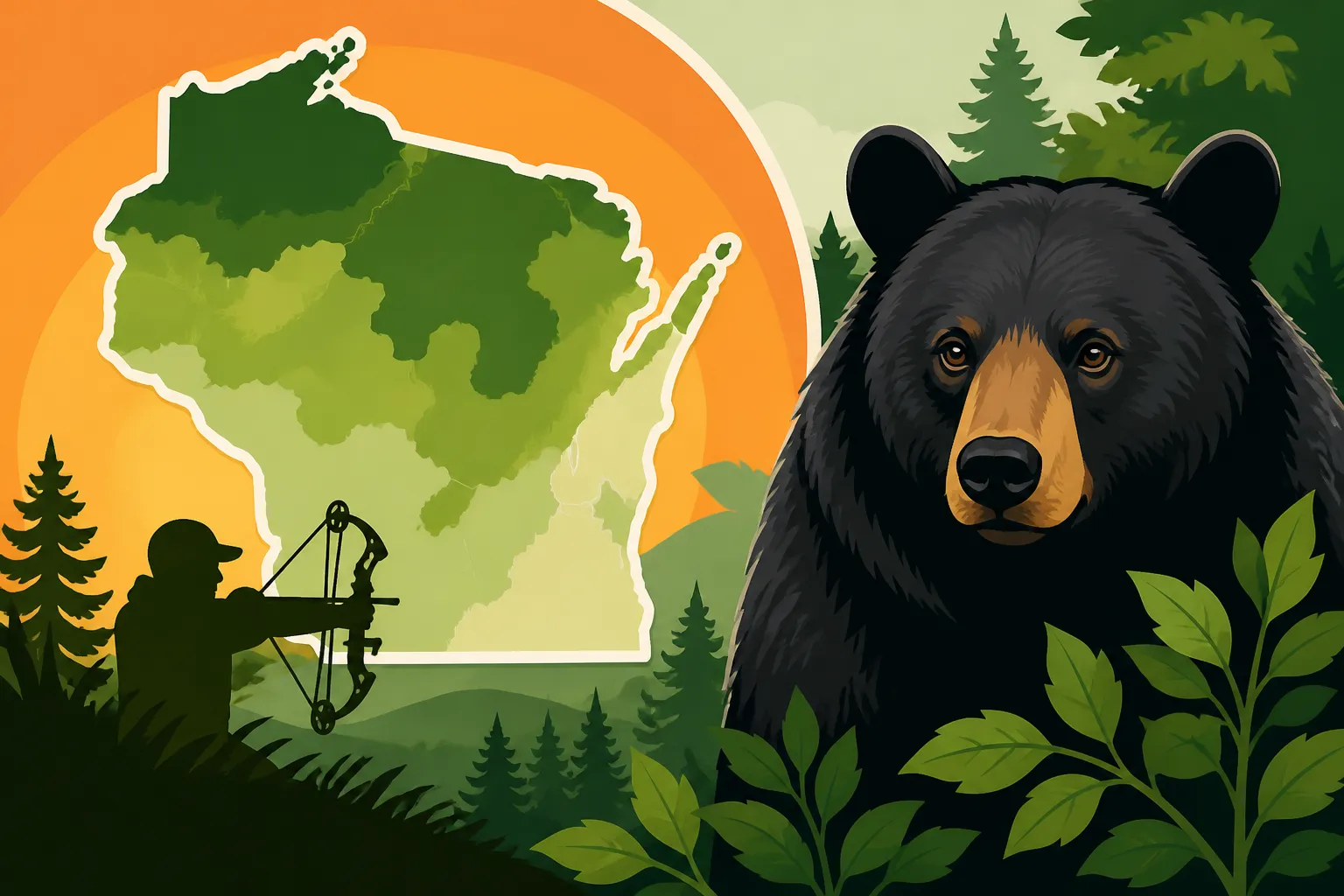
It's a common misconception that Wisconsin's black bears are exclusively tucked away in the deepest recesses of the far Northwoods. While it's true that the northern counties are their traditional stronghold, the reality of bear distribution in our state is far more dynamic and widespread than many realize. This guide will walk you through exactly where you can expect to find black bears across Wisconsin, delve into the reasons behind their expanding presence, and help you understand the crucial habitat features that draw them in.
The Northern Stronghold: Where Bears Have Always Roamed
For generations, when people thought of black bears in Wisconsin, their minds immediately went to the vast, wild expanses of the northern third of the state. This region, often referred to as the Northern Forest Zone, remains the undeniable epicenter of Wisconsin's black bear population. Here, the habitat is almost perfectly tailored to their needs, offering a combination of dense forest, sprawling wetlands, and minimal human disturbance that allows them to thrive.
Think about counties like Bayfield, Ashland, Iron, Sawyer, Price, Vilas, Oneida, Forest, Florence, and Marinette. These are the places where bear sightings are not just common, but an expected part of the wilderness experience. The landscape is dominated by mature timber, including mixed hardwoods and conifer swamps, providing ample cover for denning, bedding, and raising cubs. The sheer remoteness of much of this land, especially within large tracts of county forests and the Chequamegon-Nicolet National Forest, offers bears the solitude they prefer. These areas are also prime territory for other wildlife, and knowing Where Northern Forest Bucks Bed can often put you in proximity to bear habitat as well. The deep woods offer abundant natural food sources, from berries and nuts to the insects and small mammals that make up a significant portion of a bear's diet. For anyone looking to immerse themselves in true Northwoods hunting, understanding this bear country is essential, even if you're primarily Hunting the Wisconsin Northern Forest for Deer.
Bears on the Move: Expansion into Central and Southern Wisconsin
While the Northwoods will always be synonymous with black bears, one of the most significant wildlife trends in Wisconsin over the last few decades has been the steady expansion of their range. Our bear population has been robust and growing, leading to younger bears striking out to find new territories, pushing the boundaries of what was once considered "bear country." This phenomenon of Bears Moving Into Southern Wisconsin is a clear indicator of a healthy and thriving population, but it also brings new considerations for residents and hunters alike.
This expansion has seen a noticeable increase in bear activity in central Wisconsin, particularly in counties with significant tracts of state and county forests, as well as large marsh complexes. Counties like Jackson, Juneau, Wood, Adams, and even parts of Marquette, Waushara, and Monroe, now report regular bear sightings. These areas might not boast the unbroken wilderness of the far north, but they offer enough suitable habitat, often a patchwork of woods, agricultural fields, and wetlands, to support a growing bear presence. Young male bears, in particular, are known to roam great distances in search of their own turf, sometimes popping up in unexpected places much further south. It's not unheard of to see a bear cross a busy highway in areas that were once considered bear-free. This shift means that even if you're not in the "traditional" bear zones, understanding bear behavior and habitat is becoming increasingly important. For hunters, this means keeping an eye out for fresh sign even in areas where you might only expect deer or turkeys.
What Draws Them In: Understanding Bear Habitat
Understanding where Wisconsin's black bears live isn't just about drawing lines on a map; it's about understanding why they choose certain areas. Bears are incredibly adaptable, but their presence is fundamentally driven by three key factors: food, cover, and water. These elements dictate their movements, their home range size, and ultimately, their survival.
The Allure of Abundant Food Sources
A bear's life revolves around food, especially from spring through fall as they try to pack on enough weight for winter hibernation. Their diet is incredibly varied, making them excellent opportunists. Natural food sources like acorns, beechnuts, and a wide array of berries (raspberries, blueberries, blackberries, chokecherries) are paramount, especially in the northern forests. A productive acorn crop in the fall can concentrate bears in oak ridges, while a bountiful berry crop in summer will draw them to sun-drenched clearings.
However, as bears expand their range, agricultural crops become increasingly attractive. Fields of corn, oats, and even clover plots can be significant draws, especially when natural foods are scarce. This often brings bears into closer proximity to humans, leading to potential conflicts. Bird feeders, pet food left outdoors, and poorly secured garbage cans can inadvertently become irresistible attractants, teaching bears to associate human dwellings with easy meals. This is why managing potential attractants is crucial, especially in areas where Bear Encounters Around Wisconsin Cabins are becoming more common. For those interested in bear hunting, understanding these food sources is critical for success, whether you're building a bait site or simply scouting for natural forage. The information provided by resources like GoHunt can be invaluable for identifying areas with rich natural food sources or historical bear activity.
The Necessity of Dense Cover and Water
Beyond food, bears need adequate cover for security, bedding, and denning. They are creatures of solitude and prefer dense, thick areas where they can feel safe from detection. This typically means vast tracts of mature forest, especially those with an understory of thick brush, conifer swamps, or tangled clear-cuts. These dense pockets provide shelter from the elements, escape routes from perceived threats, and crucial locations for establishing their winter dens. Think of the sprawling cedar swamps and mixed conifer forests of northern Wisconsin – perfect bear hideouts. Even in more fragmented landscapes further south, bears will seek out the largest remaining blocks of dense cover.
Water is another non-negotiable requirement. Bears need regular access to water for drinking, cooling off, and often, for finding certain food items. Rivers, streams, lakes, and extensive wetlands all contribute to making an area suitable for bears. The combination of dense cover and abundant water creates ideal conditions for bears to live undisturbed. Knowing these elements can help you predict bear presence. For instance, if you're looking at an area on a mapping application like GoHunt, and you see large, dark green blocks indicating conifer swamps adjacent to a river system, that's a prime candidate for bear habitat.
Bear Management Zones: A Hunter's Perspective on Distribution
For hunters, understanding where Wisconsin's black bears live takes on a more structured dimension through the state's bear management zones. The Department of Natural Resources (DNR) divides the state into specific zones, each with its own population goals and permit allocations. These zones generally reflect the density and distribution of the bear population and are crucial for anyone looking to pursue these magnificent animals.
Wisconsin historically operates with The Six Wisconsin Bear Zones, often labeled A, B, C, D, E, and F. Zones A and B, typically covering the far northern counties, traditionally represent the highest bear densities and receive the most permits. As you move south into zones like C and D, the populations generally decrease, reflecting the historical distribution patterns. However, with the ongoing expansion, bear numbers in some of these "southern" zones have been on the rise, influencing permit availability and hunter opportunities.
Here's a simplified look at the general bear presence by region:
| Region of Wisconsin | General Bear Presence | Typical Habitat | Notes for Hunters |
|---|---|---|---|
| Far North (Zones A & B) | High Density, Widespread | Vast conifer/hardwood forests, swamps, remote areas | Primary hunting zones, strong populations, requires long-term preference points. |
| Central (Zones C & D) | Moderate Density, Expanding | Mixed forests, agricultural edges, large marsh complexes | Increasing opportunities, requires scouting for less traditional bear sign. |
| Southern (Zones E & F) | Low Density, Occasional | Fragmented woodlands, river bottoms, urban fringes | Bear sightings are less common; incidental encounters or transient bears. |
This zonal system, along with the detailed annual harvest reports available through the DNR and platforms like GoHunt, provides valuable data on where bears are being harvested most frequently, offering another lens through which to understand their current distribution. If you're considering applying for a bear permit, understanding these zones is the first critical step in your planning process. You’ll want to research How Many Black Bears Wisconsin Has and the specific dynamics of each zone to make an informed decision on where to concentrate your efforts. Knowing a bit about Wisconsin Bear Denning Behaviour can also help you understand where bears might congregate in late fall.
Hunting Wisconsin Black Bears: Where to Focus Your Efforts
For those fortunate enough to draw a tag, knowing Where Wisconsin Black Bears Live is paramount to a successful hunt. Whether you're considering Baiting Bears in Wisconsin or Running Bear Hounds in Northern Wisconsin, your strategy will hinge on understanding local bear movements and habitat use.
If you've drawn a tag for one of the northern zones, you're in the heart of prime bear country. Here, scouting focuses on identifying travel corridors between food sources and bedding areas, finding natural funnels, and locating active feeding sites like berry patches or oak ridges. Many hunters in these zones utilize bait, and setting up an effective bait station involves not just placing food, but doing so in an area with good cover, near water, and along routes bears are already using. The sheer amount of remote public land, including national and county forests, means there's ample room for bears to roam, and for hunters to find solitude. For detailed information on specific tactics, you might want to look at What Bear Baiters Use in Wisconsin to understand the nuances of attracting bears effectively.
Even if you're in one of the central zones where bears are less dense but expanding, your scouting efforts will be critical. Bears here are often more transient or concentrated in specific pockets of suitable habitat. This might mean focusing on larger blocks of state land, river bottoms with dense cover, or areas adjacent to significant agricultural fields that could be providing supplemental food. Tools like GoHunt can be incredibly useful for overlaying property boundaries, identifying dense cover, and marking potential bear sign, helping you pinpoint those elusive animals in less traditional territories. Remember to also check the Wisconsin Bear Season Dates by Method to ensure you're hunting during the correct period for your chosen method.
Ultimately, the black bear is a testament to Wisconsin's wild character. Their expanding range is a success story for wildlife management, bringing these intelligent and powerful animals into new parts of the state. For hunters, naturalists, and rural residents alike, understanding their habits and habitats is key to coexisting with and appreciating them.
Disclaimer
This article is for general informational purposes only and does not constitute professional advice. Laws, prices and regulations vary by location and change over time. Consult a qualified professional for guidance on your specific situation.