Hunting Mississippi River Backwaters
The Mississippi River backwaters are a true gem for Wisconsin waterfowl hunters, offering some of the most diverse and challenging experiences in the state. However, if you've ever tried to navigate its maze of sloughs, channels, and timber, you know it can feel like stepping into an entirely different world, often leaving you wondering where to even begin. This comprehensive guide is here to untangle the complexities of hunting these productive waters, providing you with practical strategies, essential gear advice, and local insights to help you not just survive, but truly thrive.
Understanding the Mississippi River Backwater Ecosystem
The Mississippi River is more than just a big river; it's a vast, intricate ecosystem that changes almost daily. For waterfowl hunters, understanding its unique characteristics is the first step toward consistent success. It’s not just about finding ducks; it’s about understanding why they are where they are and how to safely navigate to them.
The Dynamic Nature of the Backwaters
What makes the Mississippi River backwaters so captivating and, at times, so frustrating, is their constantly shifting nature. Water levels are rarely static for long, influenced by rainfall, dam operations, and seasonal changes. A slough that was a prime feeding spot last week might be bone dry or too deep this week. This constant flux impacts everything from where ducks feed and rest to where you can even get your boat. Imagine trying to run an outboard through what was previously a deep channel, only to find yourself on a sandbar due to a sudden drop in water levels – it's a common, and often maddening, experience. These backwater areas are a labyrinth of interconnected sloughs, timbered islands, submerged stumps, and shallow mud flats, all constantly being reshaped by the river's powerful currents and sediment deposits. Being prepared for these changes, checking river gauges, and scouting often is absolutely critical.
The current, too, plays a significant role. Even in seemingly calm backwaters, subtle currents can dictate how decoys set, where birds prefer to land, and how quickly your boat might drift. Strong currents can also scour out new channels or fill in old ones, making navigation a perpetual challenge. This ever-changing landscape means that relying on a single spot or a single plan often leads to disappointment. Instead, adaptability and a deep understanding of river stages, like those found when researching Wisconsin Waterfowl Hunting on Marsh and River, become your most valuable assets. You might find a hidden pocket of still water just out of the main current's reach that holds birds, or a newly formed mud flat that becomes a hotspot when water levels recede slightly.
Key Waterfowl Species and Their Habitat Preferences
The beauty of the Mississippi River backwaters lies in the sheer diversity of waterfowl they attract. You're not just hunting one type of duck; you're often targeting a mixed bag, each with its own preferred haunts and habits. Understanding these preferences is key to setting up in the right spot with the right spread.
For many hunters, dabbling ducks like mallards, wood ducks, and teal are the primary targets. Mallards are the quintessential puddle duck, often found in shallow sloughs, flooded timber, or along marsh edges where they can tip up to feed on submerged vegetation and seeds. Wood ducks, with their incredible agility, favor the flooded timber and brushy edges, especially those with acorn-bearing trees. They're often the first to arrive at shooting light and prefer quieter, more secluded pockets. Teal, both blue-winged and green-winged, are fast-flying smaller ducks that love shallow, vegetated mud flats and ephemeral pools. Their migration patterns can be very specific, often arriving early in the season, as highlighted in the broader context of Duck Migration Timing Through Wisconsin.
Divers, on the other hand, such as canvasbacks, redheads, and bluebills (scaup), typically prefer the more open, deeper water areas of the backwaters, or even the main channel, where they can dive for aquatic vegetation and invertebrates. You'll often find them congregating in large rafts on bigger lakes or wider sloughs within the backwater complex, especially further into the season when colder temperatures push dabblers out of shallower, freezing areas. The trick is identifying these specific habitats and tailoring your approach to the species you're hoping to encounter. A mixed bag of ducks requires a versatile approach, both in terms of location and decoy setup.
Accessing and Navigating the Backwaters
Getting to your hunting spot in the Mississippi River backwaters is often half the adventure. This isn't a place for casual strolls or easy launches. You'll need the right equipment and a good understanding of how to use it safely and effectively.
Boat Types and Essential Gear for River Travel
When it comes to backwater hunting, your boat is your lifeline and your primary mode of transport. The most common and effective choices are sturdy aluminum jon boats or specialized duck boats, typically ranging from 14 to 18 feet. These boats are designed for stability, durability, and relatively shallow drafts, allowing you to navigate the maze of sloughs, open water, and even some flooded timber. A reliable outboard motor, usually a 25-50 horsepower jet or prop drive, is absolutely crucial. Jet drives excel in extremely shallow water, allowing you to skim over submerged stumps and sandbars that would ruin a prop, though they do require a bit more horsepower and consume more fuel. Prop drives are generally more efficient in deeper water, but you'll need to be hyper-vigilant about submerged hazards. It's often a trade-off, and many experienced river hunters carry spare props, sheer pins, and a full toolkit.
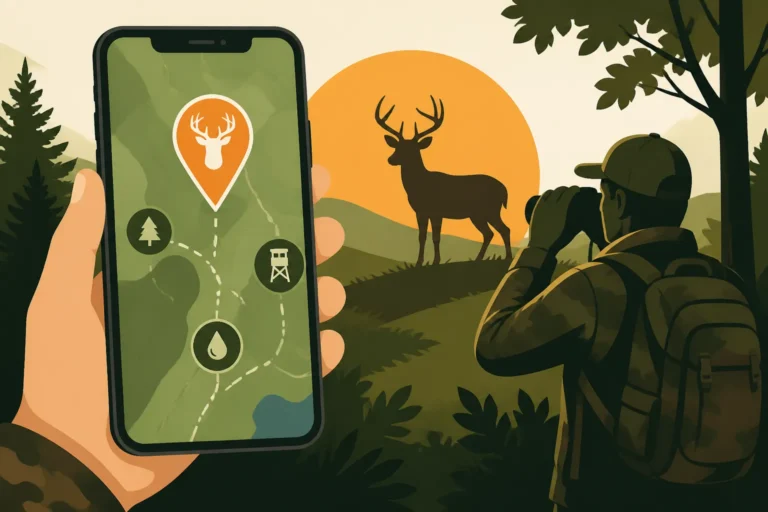
Beyond the boat itself, essential gear is paramount for both success and safety. Personal Flotation Devices (PFDs) for everyone on board are non-negotiable. Navigation lights are a must, especially for early morning or late evening runs when fog can roll in quickly and visibility drops to zero. A robust anchor system with plenty of rope is critical for holding your position in a current or when dealing with wind. A spare paddle, a bilge pump, and basic repair supplies can turn a potential disaster into a minor inconvenience. For navigation, a reliable GPS unit or a smartphone with a quality mapping app like GoHunt is invaluable. These tools allow you to mark your trails, identify Mississippi River Backwater Access Points, pinpoint submerged hazards, and find your way back in low light or fog. Always ensure your mapping device is fully charged, and consider carrying a portable power bank.
Reading the Water and Choosing Entry Points
Learning to "read the water" is an art that comes with experience on the Mississippi. It's about more than just looking for open water; it's about interpreting subtle clues that indicate depth, current, and potential hazards. Turbulent water can indicate shallow areas or submerged obstructions, while calm, glassy stretches might hide deeper holes. Swirling eddies near points or islands often create slack water where ducks prefer to rest. Pay attention to the color of the water; darker areas often signify deeper channels, while lighter, turbid water can mean shallow sand or mud flats.
Choosing your entry point is just as critical. Many public boat launches provide access to the river, but not all of them are ideal for reaching specific backwater areas. Consider the prevailing wind direction, current, and the location of known waterfowl concentrations. Look for bottlenecks or pinch points where ducks are funneled through specific channels, often creating prime ambush spots. Old logging roads, forgotten ditches, or subtle bends in a slough can act as natural highways for ducks. Using detailed topographical maps or satellite imagery on your GoHunt app during preseason scouting can reveal these features, allowing you to plan your routes long before the season opens. Remember, some backwater areas are part of larger wildlife refuges or managed areas, so always check Mississippi River Public Hunting regulations for specific zones and allowed activities.
Waterfowl Hunting Strategies for Backwater Success
Once you've safely navigated to your chosen spot, the real work of attracting waterfowl begins. The Mississippi backwaters demand a nuanced approach to decoy spreads, concealment, and calling.
Decoy Spreads for Different Scenarios
The Mississippi River backwaters present a variety of different hunting scenarios, and your decoy spread needs to match the situation. You're rarely just throwing out a dozen mallards and hoping for the best.
For dabbling ducks in flooded timber or along vegetated marsh edges, a natural, relaxed spread is often most effective. Think about creating a "J-hook" or "U-shape" with your decoys, leaving an open landing zone for incoming birds directly in front of your blind. A small number of mallards, wood ducks, and a few teal mixed in can mimic a natural feeding group. Don't be afraid to add a few spinning-wing decoys (where legal and effective) to grab attention from a distance, but use them judiciously. In heavy timber, even just a half-dozen decoys placed strategically to break up the water's surface and suggest activity can be enough. The key is realism – make it look like a safe, inviting spot for ducks to land.
When targeting divers on more open water, such as wider sloughs or river lakes, a larger, more visible spread is usually necessary. Divers tend to be more comfortable in larger groups. Long lines of decoys, often 20-50 feet long, stretched across open water, or a V-shape funneling into your shooting zone, can be highly effective. The spread should simulate a resting or feeding raft of ducks. Consider species-specific decoys like canvasbacks and bluebills, and mix them in with common divers. Often, a combination of dabbler and diver decoys can work well if you're hunting a transition area where both species might pass through. Positioning your spread to take advantage of the wind, which helps them appear more lifelike, is always a good practice, as discussed in Diver Hunting on Wisconsin Open Water.
Blind and Concealment Techniques
Concealment in the backwaters is critical. Ducks flying over the river are constantly scrutinizing the landscape for anything out of place. The beauty of the backwaters is often the abundance of natural cover. Willow thickets, stands of cattails, smartweed patches, and flooded timber all offer excellent opportunities for building natural blinds. When setting up, think about breaking up your silhouette, not just hiding it. A simple blind built into a dense willow patch, brushed in with local vegetation, can be incredibly effective. Make sure your boat is also well-camouflaged, tucked tightly into cover or covered with natural materials.
For more open areas, or when hunting from a boat, specialized boat blinds or layout blinds come into play. A good boat blind system that folds down for travel but quickly pops up with natural brush loops can be a game-changer. For field edges or wide-open mud flats, a layout blind allows you to hide completely flat, blending into the background. Remember that the sun's position throughout the day can change the visibility of your blind, so always consider where the sun will be when ducks are flying. Being too high, having reflections off your boat, or wearing non-camouflage clothing can flare birds quickly.
Calling Strategies and Timing
Duck calling is an art, not just a noise-making exercise. On the Mississippi River, where ducks are often pressured and highly educated, subtlety and realism often trump loud, aggressive calling. Start with soft greeting calls and clucks to get their attention, escalating only if the birds show interest or are passing by without looking. A simple quack-quack-quack followed by a few contented feeder chuckles can be incredibly enticing.
Different species respond to different calls. While a mallard hen call is versatile, don't forget specialized calls for wood ducks or teal if those are prevalent in your area. For divers, sometimes a sharp whistle or simply letting your decoys do the talking is best, as they are often less responsive to calling than dabblers. The timing of your calls is as important as the call itself. Call to birds far out to grab their attention, then back off as they get closer, only making soft clucks or murmurs to finish them. If birds are circling, watch their wingtips; if they start to cup their wings, go silent and let them commit. If they start to turn away, a soft comeback call might just turn them around. Practice is key, and listening to live birds will teach you more than any instructional video. And of course, having the right ammunition, like Waterfowl Loads for Wisconsin Divers, ensures that when they do commit, you're ready.
Weather, Water Levels, and River Conditions
Hunting the Mississippi River backwaters means constantly checking the forecast and river gauges. This isn't a static environment; conditions can shift dramatically, influencing everything from bird behavior to your personal safety. Ignoring these factors is a sure path to frustration or worse.
Impact of Water Levels and Current on Hunting
Water levels are arguably the single most critical factor in backwater hunting success. High water, often associated with spring rains or prolonged wet periods, can spread ducks out across vast areas of newly flooded timber and lowlands. This can be a boon for hunters willing to motor deeper into the woods, accessing areas that are usually dry. However, it also means birds are less concentrated, making them harder to find. Navigation also becomes trickier; what looks like open water might be filled with submerged stumps and debris, requiring slower travel and constant vigilance.
Conversely, low water levels, common during dry spells or late in the season, can concentrate ducks into smaller, deeper channels, sloughs, and permanent water bodies. This can create incredible hunting opportunities as birds are forced into predictable patterns. The downside? Access becomes a major challenge. Many areas that are boatable in normal conditions become impassable, requiring hunters to wade, drag boats, or find alternative entry points. Sandbars and mudflats become exposed, creating new hazards for outboards. The river's current also changes with water levels; higher water generally means stronger currents, while lower water can reduce current speed in the backwaters, making decoy setup easier but sometimes leading to stagnant, freezing conditions. You can monitor river stages using online tools, which are essential for planning your trip to Mississippi River Backwater Access Points.
Adapting to Changing Weather Patterns
Wisconsin weather is notoriously unpredictable, and the Mississippi River magnifies its effects. Wind, for example, is a double-edged sword. A steady breeze can make your decoys dance, giving them lifelike movement that can be irresistible to ducks. It also often dictates flight paths, pushing birds along sheltered edges or through specific travel corridors. However, too much wind can make setting decoys a nightmare, create dangerous chop on open water, and make accurate shooting incredibly difficult. When the wind howls, consider hunting tighter, more protected pockets or timber.
Rain and snow also play a significant role. A light drizzle or a soft snow can often bring ducks down, improving hunting conditions. Heavy rain, however, can make visibility poor, dampen spirits, and make gear management a pain. Freezing temperatures, especially combined with cold fronts, are often welcomed by hunters as they bring in new pushes of migratory birds. However, they also lead to ice formation in shallow backwaters, forcing ducks to deeper, open water. This might mean shifting your focus to larger sloughs or even parts of the main channel. Being prepared with the right cold-weather gear, ensuring your boat starts reliably in freezing temps, and adapting your hunting location based on the weather and Wisconsin Duck Season Dates by Zone is paramount.
Legal Considerations and Safety First
Hunting on a major waterway like the Mississippi River, which forms a border between Wisconsin, Minnesota, and Iowa, comes with its own set of legal complexities and inherent safety challenges. Don't let ignorance turn a great day into a costly mistake or a dangerous situation.
Understanding Regulations Specific to the Mississippi River
The Mississippi River is unique because its waters are often managed under both state (Wisconsin, Minnesota, Iowa) and federal regulations. This means you need to be acutely aware of which state's rules apply to your exact location, especially when you're hunting near boundary lines. Generally, the state in which you are physically located or launched your boat dictates the primary regulations, but there can be nuances. Always carry your valid Wisconsin hunting license, federal duck stamp, and be Wisconsin HIP Certification for Bird Hunters certified. Remember that federal law requires hunters 16 years and older to purchase a Wisconsin Federal Duck Stamp Rules, and all migratory bird hunters must be HIP certified.
Beyond general requirements, there are specific regulations regarding non-toxic shot (federally mandated for all waterfowl hunting), daily bag limits, and possession limits. Bag limits, like the Wisconsin Duck Daily Bag Limit, can vary by species and may be different from state to state or even within specific zones. Additionally, certain areas within the Mississippi River corridor may be designated as federal refuges or closed areas where hunting is prohibited or restricted. Always consult the latest Wisconsin DNR waterfowl regulations pamphlet, as well as any specific refuge rules, before heading out. Information on various zones and season dates, such as in Wisconsin Waterfowl Seasons and Zones, is updated annually and can be found on the DNR website.
Prioritizing Safety in a Dynamic Environment
Safety on the Mississippi River cannot be overstated. This is big, powerful water, and conditions can change rapidly. First and foremost, always wear a properly fitting Personal Flotation Device (PFD), especially when traveling in low light, adverse weather, or when alone. Cold water shock and hypothermia are real threats, and a PFD can be a lifesaver. Ensure your boat is equipped with all required navigation lights, and use them during low light conditions or fog, which can appear suddenly and drastically reduce visibility.
Communication is also vital. Carry a fully charged cell phone (with a waterproof case), and consider a marine radio if you're venturing far from shore or into remote areas. Let someone know your hunting plan, including where you'll be and when you expect to return. Be aware of other hunters and commercial traffic, especially barges, which cannot maneuver quickly and create powerful wakes. Give them a wide berth. Pay attention to weather forecasts, including wind and temperature, and be willing to call off a hunt if conditions become too dangerous. Submerged obstacles, strong currents, and ice are constant hazards. A robust mapping app like GoHunt can further enhance your safety by providing real-time location tracking and detailed navigation tools, allowing you to avoid known hazards and quickly find safe passage back to shore.
| Duck Species | Preferred Backwater Habitat | Decoy Spread Strategy | Calling Strategy |
|---|---|---|---|
| Mallard | Shallow sloughs, flooded timber, marsh edges, mud flats | J-hook/U-shape, small "feeding" groups, open landing zone | Soft greeting calls, clucks, contented feeder chuckles |
| Wood Duck | Flooded timber, brushy edges, secluded pockets with acorns | Few decoys in timber, very natural and close to cover | High-pitched "wheeeet" whistle, soft clucks |
| Teal (Green/Blue-winged) | Shallow, vegetated mud flats, ephemeral pools, small open areas | Small, tight groups, active splashing or spinner decoys | Short, quick peeps or whistles, often subtle |
| Canvasback | Open, deeper sloughs; river lakes, main channel | Large rafts, long lines, V-shapes on open water | Minimal calling; rely on visual appeal of large spread |
| Bluebill (Scaup) | Open water, deeper sloughs, areas with aquatic invertebrates | Medium to large rafts, long lines, often mixed with other divers | Minimal calling, can respond to sharp whistles |
Disclaimer
Hunting is an inherently risky activity. The information provided in this guide is for informational purposes only and is not a substitute for professional instruction, thorough research of current regulations, or personal scouting. Always prioritize safety, obey all local, state, and federal laws, and respect the environment and other outdoor enthusiasts. Conditions in the field can change rapidly and unexpectedly.