Wisconsin Bear Baiting Start Date
If you're gearing up for a Wisconsin bear hunt, you know the excitement builds long before opening day. But let's be honest, figuring out the exact date you can legally start placing bait can feel like navigating a maze of regulations. It's a common source of confusion for many hunters, new and seasoned alike, and getting it wrong can jeopardize your season. This guide is here to clear up that confusion, laying out the specific dates, the 'why' behind them, and crucial tips to ensure your bear baiting efforts are both compliant and successful.
Understanding Wisconsin's Bear Baiting Start Date
Wisconsin's bear hunting regulations are designed to provide both opportunity and responsible management, and the baiting period is a critical component of that. It's not just a free-for-all; there are specific windows to adhere to, and for good reason.
The Specific Dates for Placing Bear Bait
This is the big one, the piece of information every bear hunter anxiously awaits. For the 2024 bear hunting season, the official start date for placing bear bait in Wisconsin depends on your hunting zone.
- For Zones A, B, D, and E: You can begin placing bear bait as early as August 30th. This gives hunters in these zones a crucial lead time to establish their bait sites before the earliest bear hunting periods commence.
- For Zone C: The start date for placing bear bait is a week later, on September 6th. This staggered approach is typical of Wisconsin's zone management strategy, accounting for differences in bear populations, habitat, and hunting pressure across the state.
It’s absolutely vital to double-check the most current Wisconsin Department of Natural Resources (DNR) regulations each year, as these dates can sometimes shift slightly. A handy tool like GoHunt's app or website can often provide immediate access to these updated regulations, saving you from digging through lengthy PDF documents.
Why the Dates Matter So Much
You might wonder, why such specific dates? Why can't I just put bait out whenever I want? Well, there are several important reasons behind these regulations, all aimed at maintaining fair chase principles, managing hunter pressure, and promoting ethical hunting.
First, establishing a uniform start date ensures that all hunters begin on an even playing field. Imagine the chaos if some hunters could bait months in advance while others couldn't. It would create an unfair advantage and undermine the spirit of the hunt. This controlled start allows bears to become accustomed to bait sites in a somewhat synchronized manner, giving hunters a reasonable window to attract animals.
Secondly, these dates align with the bears' natural cycles and the overall hunting season structure. Bear hunting in Wisconsin typically opens in early September for hunters using dogs or bait, followed by periods for still-hunting or using bait, and then an archery/crossbow-only period. The baiting start date is strategically placed to give bears enough time to find and regularly visit bait sites before hunting season opens, maximizing your chances of success without allowing for excessive habituation that could lead to other issues. You can find detailed information on the different periods in Wisconsin Bear Season Dates by Method.
Finally, strict adherence to these dates is a matter of legal compliance. Violating baiting start dates can lead to significant penalties, including fines, loss of hunting privileges, and confiscation of equipment. No hunter wants their hard work and investment to be jeopardized by a simple misunderstanding of the rules.
Navigating Bear Zones and Baiting Bans
Wisconsin is a big state with diverse habitats, and its bear management reflects that complexity. What applies in one part of the state might not apply in another, especially when it comes to baiting.
Regional Differences in Baiting Start Dates
As we've already touched upon, bear baiting start dates are not universal across Wisconsin; they are zone-specific. The state is divided into several bear management zones (A, B, C, D, E, F), each with unique quotas, season structures, and, yes, baiting regulations.
- Zones A, B, D, E: These zones, primarily in the northern and central parts of the state, tend to have larger bear populations and more extensive bear habitat. The earlier baiting start date of August 30th for these zones reflects the greater number of tags available and the need to distribute hunting pressure over a wider area. These areas include vast tracts of national and county forests, offering ample space for multiple bait sites.
- Zone C: This zone, often encompassing more agricultural or transitional landscapes, typically has a later baiting start date (September 6th). Zone C usually has a lower bear quota and sometimes different hunting periods. The staggered date helps manage pressure in these areas and aligns with local bear movement patterns.
- Zone F: It's worth noting that Zone F, specifically for youth hunters, often has its own set of rules, including different hunting dates, though baiting rules usually align with nearby adult zones. Always confirm for youth-specific regulations.
Understanding which zone your permit is valid for is paramount. Before you even think about setting up a bait site, confirm your zone and its specific rules. Information about these zones is readily available through the Wisconsin DNR's Go Wild system, and understanding Wisconsin Bear Preference Points and Zones can give you a better grasp of the overall management system.
CWD and Local Baiting Restrictions
Beyond the general statewide baiting dates, Wisconsin faces an ongoing challenge with Chronic Wasting Disease (CWD) in its deer herd. To help curb the spread of this devastating disease, the DNR implements baiting and feeding bans in counties where CWD has been detected, and often in adjacent counties as a precautionary measure.
How CWD Bans Affect Bear Baiting:
- Deer-specific bans: The baiting and feeding bans are primarily aimed at deer, as concentrated deer at bait sites can increase the risk of CWD transmission.
- Overlap with bear baiting: Unfortunately, these bans often extend to all recreational feeding and baiting of wildlife, which includes bears. This means that even if you're targeting bear, you might be prohibited from baiting in a CWD-affected county.
- Dynamic nature: The list of CWD-affected counties is dynamic and can change annually. A county that allowed baiting last year might be under a ban this year.
Before you haul a single bucket of pastries into the woods, you must check the current Wisconsin Baiting and Feeding Bans map on the DNR website. This map is updated frequently and shows which counties have active bans. Failing to do so could result in a hefty fine, loss of hunting privileges, and your hard-earned bear tag going unused. Even if you're legally allowed to bait for bear, if your county has a CWD ban for deer, that ban typically supersedes bear baiting. It's a frustrating reality for many hunters, but it's a critical regulation to respect for the health of Wisconsin's wildlife.
Setting Up Your Bait Site Legally and Effectively
Once you've confirmed your zone, checked for any CWD bans, and marked the official baiting start date on your calendar, the real work begins: establishing a successful bait site. This isn't just about dumping food; it's about strategy, legality, and understanding bear behavior.
What Constitutes Legal Bear Bait
Wisconsin has clear guidelines on what you can and cannot use as bear bait. These rules are in place for several reasons, including preventing the spread of disease, minimizing attractants for unwanted animals, and ensuring responsible baiting practices.
Legal Bait Components:
- Food materials: Bears are omnivores, and bait sites typically consist of high-energy, high-calorie foods. This often includes baked goods (doughnuts, bread, cakes), candy, nuts, fruits, and even some types of meat scraps (though less common due to spoilage). Many hunters use agricultural by-products or restaurant discards.
- Volume limits: There's usually a maximum volume of bait allowed at any single site. Currently, the limit is 10 gallons of bait at any one time. This prevents excessive stockpiling of food and helps distribute bears across multiple sites.
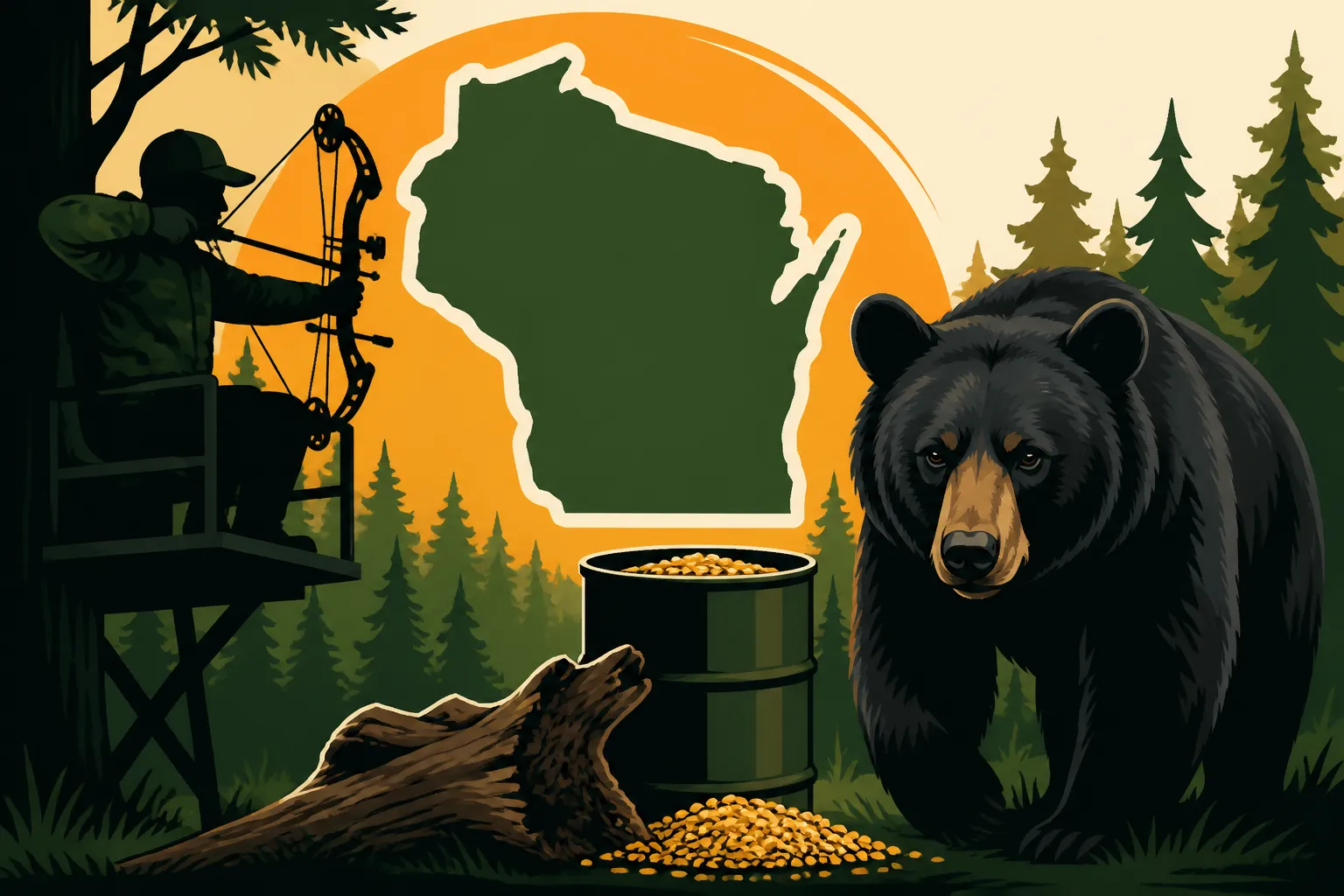
- Container rules: Bait must be placed in a container that allows the bear to access it naturally, or simply scattered on the ground. Many hunters use barrels or tubs, sometimes secured to a tree, to prevent the bait from being scattered too widely or consumed too quickly by smaller animals.
- Prohibited items: Generally, anything toxic, diseased, or potentially harmful to wildlife is strictly forbidden. This includes anything that's not readily digestible or natural food sources.
When sourcing your bait, remember that fresh is often best. Bears have an incredible sense of smell, but highly fermented or spoiled foods can deter them or attract other unwanted scavengers. For more in-depth ideas on what works well, check out What Bear Baiters Use in Wisconsin. Many hunters attest to the effectiveness of sweet, high-fat items in drawing bears in.
Smart Baiting Strategies Before the Season Opens
The time between the baiting start date and the hunting season is crucial. This isn't just about putting out bait once; it's about consistent management and observation.
- Start Strong and Consistent: As soon as the legal date hits (August 30th or September 6th), get your bait out. Initial visits are key to establishing a pattern. After that, consistency is paramount. Bears are creatures of habit. If a bait site is regularly refreshed, they'll learn to check it. How often you refresh depends on consumption, but every 2-3 days in the early stages, then perhaps every 4-7 days as activity picks up, is a good general guideline. Remember, the goal is to make your site a preferred, reliable food source.
- Location, Location, Location: Choosing the right spot is everything. Look for natural travel corridors, dense cover where bears feel secure, and proximity to water sources. Consider prevailing winds and your access routes to minimize human scent. Avoid placing bait too close to roads or residential areas. A quiet, secluded spot will be much more effective. Don't forget to consider how you'll get a bear out once harvested; dragging a big bruin out of a swamp is no fun.
- Scent is King: Bears are drawn by scent. Use strong-smelling attractants like anise oil, molasses, or commercial bear lures around your bait site and along entry trails. These powerful odors will carry far and help bears locate your site initially.
- Trail Cameras Are Your Best Friend: This is where modern technology really shines. Deploying trail cameras at your bait site is invaluable. They allow you to:
- Monitor activity: See which bears are visiting, when they visit (day or night), and how often.
- Identify individual bears: This helps you track specific bears, especially if you're looking for a mature animal.
- Assess bait consumption: Understand how quickly bait is being eaten and adjust your refresh schedule.
- Determine sex and size: Helps with making ethical harvest decisions.
- For tips on optimal placement, refer to Trail Cameras on a Wisconsin Bait Site. GoHunt members often share strategies for maximizing camera effectiveness.
- Secure Your Bait: While not always required by law, securing your bait container (e.g., a barrel) to a tree with a chain can prevent bears from dragging it off into the brush. This saves you time and effort in locating and refreshing your site. It also helps keep smaller animals from completely emptying the site before a bear can get to it.
- Patience and Persistence: Not every site will be a hit immediately. It takes time for bears to find bait, especially if they haven't encountered it before. Don't get discouraged if you don't see activity right away. Keep it fresh, keep it smelling good, and give it time.
A well-managed bait site can dramatically increase your odds of success. It's not just about attracting a bear; it's about creating a predictable pattern that allows you to plan your hunt effectively. You can learn more about the hands-on process in Building and Freshening a Wisconsin Bear Bait.
Preparing for the Hunt Beyond the Bait
While baiting is a crucial component for many Wisconsin bear hunters, it's just one piece of the puzzle. The most successful hunters combine effective baiting with thorough scouting and appropriate gear, ensuring they're ready when the opportunity arises.
The Importance of Scouting and Observation
Even with a hot bait site, your success hinges on more than just the food. Observing patterns, understanding the surrounding area, and fine-tuning your approach are critical.
- Approach and Exit Routes: Your trail cameras will tell you when bears visit, but how will you get to your stand undetected? Spend time scouting potential entry and exit routes that minimize your scent and noise. This is especially important during hunting hours when bears are most wary. Think about wind direction and natural cover.
- Stand Placement: Your stand needs to be positioned for a clear shot, considering typical bear approach angles. Account for shooting lanes, background safety, and natural camouflage. Don't just place it for the bait; place it for the shot.
- Understanding Bear Behavior Around Bait: Watch your trail camera footage closely. Do bears approach cautiously, or are they bold? Do they come in alone or with cubs? This information helps you predict their behavior and react accordingly when you're actually in the stand. Sometimes a bear will approach from an unexpected direction, so having a good understanding of the surrounding terrain is invaluable.
- Beyond the Bait: What's drawing bears to this general area, even before your bait? Are there natural food sources like acorns or berries nearby? Are there bedding areas in dense cover? Understanding the broader landscape helps you if the bait goes cold or if you need to adjust tactics. It also helps you understand How Many Black Bears Wisconsin Has in your area and their typical movements. For those who choose to hunt without bait, a strong understanding of natural food sources is even more critical, as discussed in Hunting Bear Without Bait or Dogs.
Gear Considerations for Your Bear Hunt
A bear hunt is a serious endeavor, and your gear needs to be up to the task. While bait attracts them, the right equipment ensures a successful, safe, and efficient harvest.
- Firearm or Archery Equipment: Ensure your weapon is sighted in and capable of ethically taking a bear. For firearms, this means a sufficient caliber and bullet construction for thick-skinned animals. For archery, broadheads must be razor-sharp and your bow setup powerful enough for a clean pass-through. You can find more specific guidance in Rifle Calibers for Wisconsin Bear or Bow Draw Weight for Wisconsin Whitetails (which also applies to bear in terms of power).
- Scent Control: Bears have an incredible sense of smell. Employ thorough scent control measures—scent-free detergents, sprays, and storing hunting clothes separately—to minimize your human odor. Your approach to the stand should be as scent-free as possible.
- Optics: Good binoculars and a rangefinder are essential. Bear hair can be deceptive, making it hard to judge distance and size, especially in low light. Quality optics like those discussed in Binocular Choice for Wisconsin Whitetails will help you make an ethical shot.
- Recovery Gear: Bears are tough animals, and tracking them can be challenging. Carry a bright headlamp, flagging tape, and a good field dressing knife. Consider a sturdy game cart or sled for extraction, especially if you're hunting in rugged terrain. It's never too early to think about Handling a Bear After the Shot and how you'll get that meat out of the woods.
- Comfort and Safety: Depending on the weather, dress in layers. Carry a first-aid kit, communication device (fully charged phone), and let someone know your hunting location and expected return time. Safety always comes first, especially when hunting large game like bears.
A well-prepared hunter understands that success isn't just about bait; it's about a holistic approach to the hunt. From the moment you place that first legal piece of bait to the moment you recover your bear, every step counts.
Disclaimer
Please remember that hunting regulations can change. While this guide is compiled with the most current information available, it is always your responsibility to consult the official Wisconsin Department of Natural Resources (DNR) regulations and publications before heading into the field. This article is for informational purposes only and should not be considered a substitute for the official DNR rules.