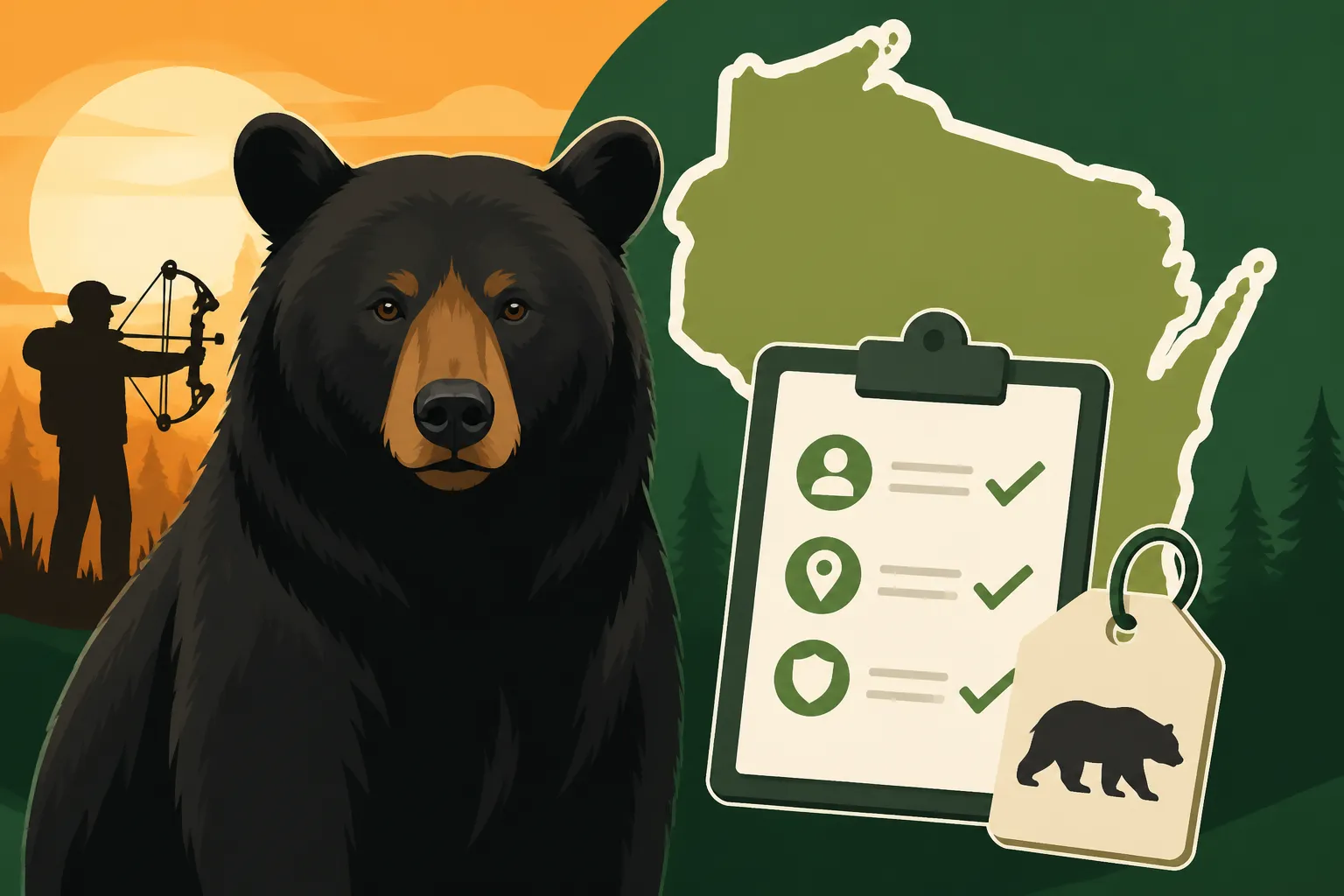
Wisconsin Bear Registration Rules
Alright, fellow hunters, you've put in the scouting time, endured the cold mornings, maybe even dealt with the frustration of a bear not showing up on the bait site, and finally, you've harvested a Wisconsin black bear. That feeling of success is incredible, but then the practical questions hit: "What do I do now?" and "How do I make sure everything is legal?" The registration process can sometimes feel like another hurdle after the hard work is done, but it's an absolutely critical step. This guide is here to walk you through the specifics of Wisconsin's bear registration rules, ensuring you confidently navigate this final, vital part of your hunt.
Understanding Wisconsin's Bear Registration System
Hunting in Wisconsin isn't just about the chase; it's also about being a responsible steward of our wildlife. And when it comes to magnificent animals like black bears, that responsibility extends right to the final step of registering your harvest. It might seem like a bureaucratic formality, but every piece of information collected helps shape the future of bear hunting in our state.
Why Registration is Crucial for Bear Management
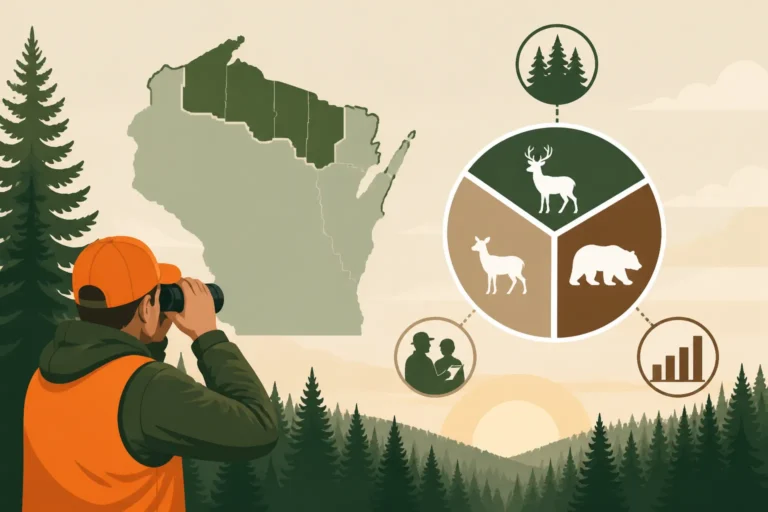
Imagine trying to manage a business without knowing how many products you're selling or what your inventory looks like. That's essentially what wildlife management would be without accurate harvest data. When you register your bear, you're not just reporting a successful hunt; you're contributing vital statistics to the Wisconsin Department of Natural Resources (DNR). This data helps biologists understand the overall health of the bear population, track harvest trends, and ensure that future hunting quotas are set appropriately. Without this information, it would be impossible to make informed decisions that sustain a healthy bear population for generations to come. It’s how we ensure that our children and grandchildren will also have the opportunity to experience bear hunting in Wisconsin.
Beyond population numbers, registration also provides insights into geographic distribution and hunter success rates, which in turn influences strategies for managing different bear zones. For instance, if a particular zone shows a decline in harvest numbers despite a healthy population estimate, it might signal changes in bear movement patterns or hunting pressure that need to be addressed. This comprehensive data allows the DNR to fine-tune management strategies, ensuring a sustainable and thriving bear population. It's a testament to the collaborative effort between hunters and wildlife managers.
The Online Registration Process
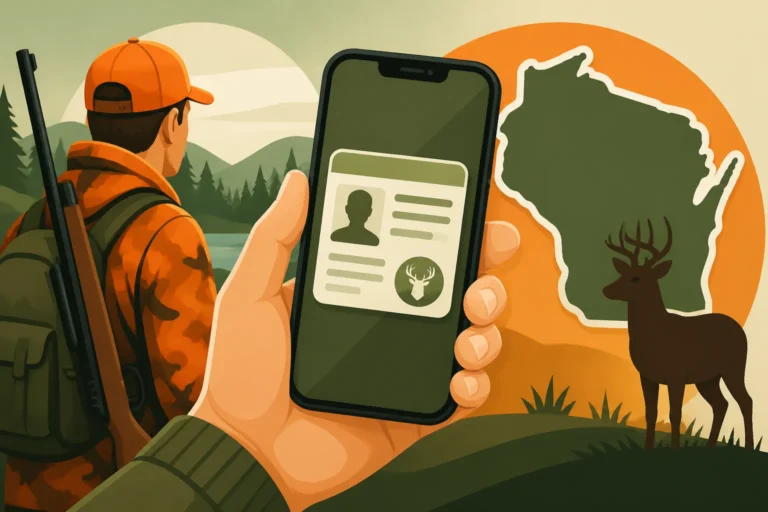
For many hunters today, the most convenient way to register a bear is through Wisconsin's online Go Wild system. This platform, which you're likely already familiar with from purchasing your hunting licenses, makes the process relatively straightforward, provided you have all your information handy and a reliable internet connection. Once you've logged into your Go Wild account, you'll navigate to the "Game Registration" section. It's designed to be user-friendly, guiding you step-by-step through the necessary fields.
When using the online system, be prepared to enter details like your customer ID, the unique harvest authorization (tag) number assigned to your bear, the date and time of the harvest, and the county and specific location (usually down to the township, range, and section) where the bear was taken. You'll also need to accurately report the sex of the bear. The system also often asks about the hunting method used, whether it was still-hunting, baiting, or with dogs, which is important for understanding Wisconsin Bear Season Dates by Method. Double-checking these details before submitting is always a good idea; it's easy to make a typo in the excitement of the moment, and inaccurate data is, well, inaccurate data.
Phone Registration for Remote Areas
While online registration is the preferred method for its efficiency and accuracy, the reality of hunting in Wisconsin, especially in the vast northern forests, means that internet access isn't always a given. We've all been there, trying to get a signal in the middle of nowhere! Recognizing this, the DNR also provides a phone registration option. This is a lifesaver for those times when you're deep in the Chequamegon-Nicolet National Forest Hunting or other remote public lands where cell service is spotty at best.
To register by phone, you'll need to call the designated toll-free number provided by the DNR. Just like with online registration, it's absolutely crucial to have all the required information ready before you call. This includes your customer ID, bear tag number, harvest date and time, county and location, and the sex of the bear. The dispatcher will guide you through the process, verbally collecting the same data points that you would enter online. It’s a bit more personal, but equally effective in getting your harvest legally reported. Make sure to write down any confirmation number they give you for your records. This ensures that even if you're miles from the nearest Wi-Fi hotspot, you can still fulfill your legal obligation within the required timeframe.
Navigating the Specifics of Bear Registration
Understanding how to register is just one part of the equation; knowing when and what specific details are needed is equally important. Wisconsin's bear registration rules are designed to be clear, but real-world hunting situations can sometimes throw a wrench into the best-laid plans.
Timelines and Deadlines for Registration
One of the most critical aspects of bear registration in Wisconsin is the strict 24-hour rule. You are legally required to register your harvested bear within 24 hours of the kill. This timeline is non-negotiable and helps ensure that fresh, accurate data is collected promptly. Missing this window can lead to penalties, so it's a deadline you absolutely need to take seriously. This means that if you shoot a bear late in the evening, you can't just wait until the next weekend; you need to make arrangements to register it the following day.
This 24-hour rule can definitely add a layer of stress, especially if you're hunting far from home or planning to camp out for a few days. Imagine being deep in the woods of Vilas County, far from any signal, and bringing down a bear an hour before sunset. You still have to field dress and recover the animal, often in fading light, and then figure out how to get to a place with cell service or internet within 24 hours. This is why planning ahead is so important. Before you even head out, have a mental (or even written) plan for how you'll register your bear, considering potential challenges like limited cell service or driving distances to a reliable connection point. Understanding the Wisconsin Bear Preference Points and Zones and the specific area you'll be hunting can help you anticipate these challenges.
Information Required at Registration
When you're ready to register your bear, whether online or by phone, you'll need to provide a fairly comprehensive set of information. This isn't just busywork; each piece of data serves a purpose in the DNR's ongoing efforts to manage Wisconsin's Black Bear Population. Here's a breakdown of the key details:
- Your Customer ID: This is your unique identifier in the Go Wild system, linking the harvest to your license and permit.
- Harvest Authorization (Tag) Number: Every bear hunter receives a specific tag. This number identifies the specific permit used for the harvest.
- Date and Time of Harvest: Precisely when the bear was killed. This is crucial for verifying compliance with the 24-hour rule and provides useful data on activity patterns.
- County of Harvest: The specific Wisconsin county where the bear was taken.
- Location of Harvest: This is often the most detailed part. You'll need to provide the township, range, and section where the kill occurred. Many hunting apps, like GoHunt or OnX Hunt, can help you pinpoint this exact location using GPS coordinates, even offline. This precise mapping helps the DNR understand Where Wisconsin Bears Range at a granular level.
- Sex of the Bear: Male or female. This is fundamental for population modeling and assessing reproductive potential.
- Method of Harvest: Whether you used bait, dogs, or still-hunting. This data provides insights into hunter effort and success rates by method, influencing future regulations on practices like Baiting Bears in Wisconsin.
- Ear Tag Information (if applicable): If the bear you harvested was previously tagged by the DNR (often as part of a research study), you'll need to report the numbers on those ear tags. This helps track individual animals and gather long-term data.
It's a good habit to keep a small notepad and pen with you or use a dedicated hunting app like GoHunt to jot down these details right after the harvest. This way, when you get to a registration point, you're not scrambling to remember everything, reducing the chance of errors.
Physical Registration Stations: Are They Still a Thing?
For many years, the image of a hunter bringing their deer or bear to a local tavern or sporting goods store to be physically registered was a quintessential part of Wisconsin hunting culture. These "check stations" served as community hubs where stories were shared, and weights and measurements were often taken. However, with the advent of modern technology, including the Go Wild online and phone registration systems, the mandatory physical check station for bears has largely become a thing of the past in Wisconsin.
Today, the emphasis is on digital reporting due to its efficiency and the immediate data collection it provides. While there might still be some taxidermists or meat processors who voluntarily offer assistance with online registration, or certain areas might have temporary kiosks during peak seasons, they are no longer the primary, mandated method for bear registration. The shift has streamlined the process for both hunters and the DNR, moving away from a system that relied heavily on paper forms and manual data entry. However, some hunters miss the camaraderie and tradition associated with the old physical stations. It’s a trade-off: convenience and data efficiency versus a beloved aspect of hunting heritage.
Common Pitfalls and Best Practices for Bear Registration
Even with a seemingly straightforward process, it's easy to make mistakes when the adrenaline is pumping, or you're just plain tired after a successful hunt. Knowing what to watch out for and adopting some best practices can save you a lot of headache.
Avoiding Common Registration Errors
Nobody wants to find themselves in trouble with the DNR, especially after a successful hunt. Yet, common errors in registration can occur, usually due to oversight, miscommunication, or simply forgetting a detail. One of the most frequent mistakes is misreporting the location of harvest. With the advent of precise GPS mapping in apps like GoHunt, there's little excuse for guessing the township and range. An inaccurate location can skew data on Where Wisconsin Bears Range and even lead to questions about illegal hunting if the reported area doesn't align with your permit zone or public land regulations.
Another common pitfall is missing the 24-hour deadline. As discussed, this is a strict rule, and "I didn't have cell service" isn't always an acceptable excuse if you haven't made reasonable efforts to find a connection. Forgetting crucial details, like the exact time of harvest or the sex of the bear, can also lead to issues. It's often difficult to accurately determine the sex of a bear after the hide has been removed or if the animal is quartered, so make that identification early. The consequences for these errors can range from a warning to fines, and in severe cases, even forfeiture of the harvested animal or hunting privileges. Always take a moment to double-check all your entries before finalizing your registration.
What to Do in Remote Areas Without Service
Hunting in Wisconsin’s vast northern timber often means going off-grid, which presents a unique challenge for the 24-hour registration rule. You've just hauled out your bear, you're exhausted, and your phone has no signal. What then? The key here is proactive planning. Before you even leave home for your hunt, assess the cell service coverage in your planned hunting area. Apps like GoHunt often have offline map capabilities and can show cell tower locations, giving you an idea of where you might get a signal.
If you anticipate being in an area without service, identify the closest reliable cell service point or landline phone before you hunt. This could be a small town gas station, a public library, or even a local diner. Have that route mapped out in your head. Consider bringing a satellite communication device, like a Garmin InReach or Zoleo, which can send text messages or even make emergency calls, allowing you to connect for registration if absolutely necessary. You could also coordinate with a hunting partner or family member who stays in an area with service, providing them with all the necessary information to register the bear on your behalf once you've recovered it. The DNR understands the realities of remote hunting, but they expect hunters to have a plan to comply with the rules.
The Importance of Accurate Data
It bears repeating: the accuracy of the data you provide during registration directly impacts the future of bear hunting in Wisconsin. Every piece of information, from the sex of the bear to the precise harvest location, contributes to a larger picture that wildlife biologists use to make critical management decisions. This includes setting The Wisconsin Bear Harvest Quota, determining How Many Wisconsin Black Bears There Are, and assessing the health of regional bear populations.
Think about it: if many hunters consistently misreport locations or dates, it creates "ghost data" that makes it harder for the DNR to understand real trends. This could lead to overly conservative quotas in some zones or, conversely, over-harvest in others, both of which are detrimental to the long-term health of the bear population and future hunting opportunities. So, when you're going through the registration process, take a moment to appreciate that you're not just checking a box; you're actively participating in the scientific management of one of Wisconsin's most majestic game animals. Your attention to detail ensures that the legacy of bear hunting continues to thrive.
Here's a quick summary of key bear registration rules:
| Requirement | Details |
|---|---|
| Registration Method | Online via Go Wild system (recommended) or phone registration (toll-free number). |
| Deadline | Within 24 hours of harvesting the bear. |
| Information Needed | Customer ID, Harvest Authorization (tag) number, Date/Time of Harvest, County, Specific Location (T-R-S), Sex of Bear, Method of Harvest, Ear Tag Info (if present). |
| Physical Stations | No longer mandatory; primarily digital. |
| Consequences | Failure to register or providing false information can result in fines, loss of privileges, and forfeiture of game. |
| Best Practice | Plan ahead for remote areas, use GPS for accurate location, double-check all details before submission. |
Disclaimer
Please remember that hunting regulations, including registration rules, can change. While this guide aims to provide accurate and up-to-date information, it is always your responsibility as a hunter to consult the most current Wisconsin Department of Natural Resources (DNR) hunting regulations and official publications before heading into the field.