Wisconsin’s Record Elk Hunt
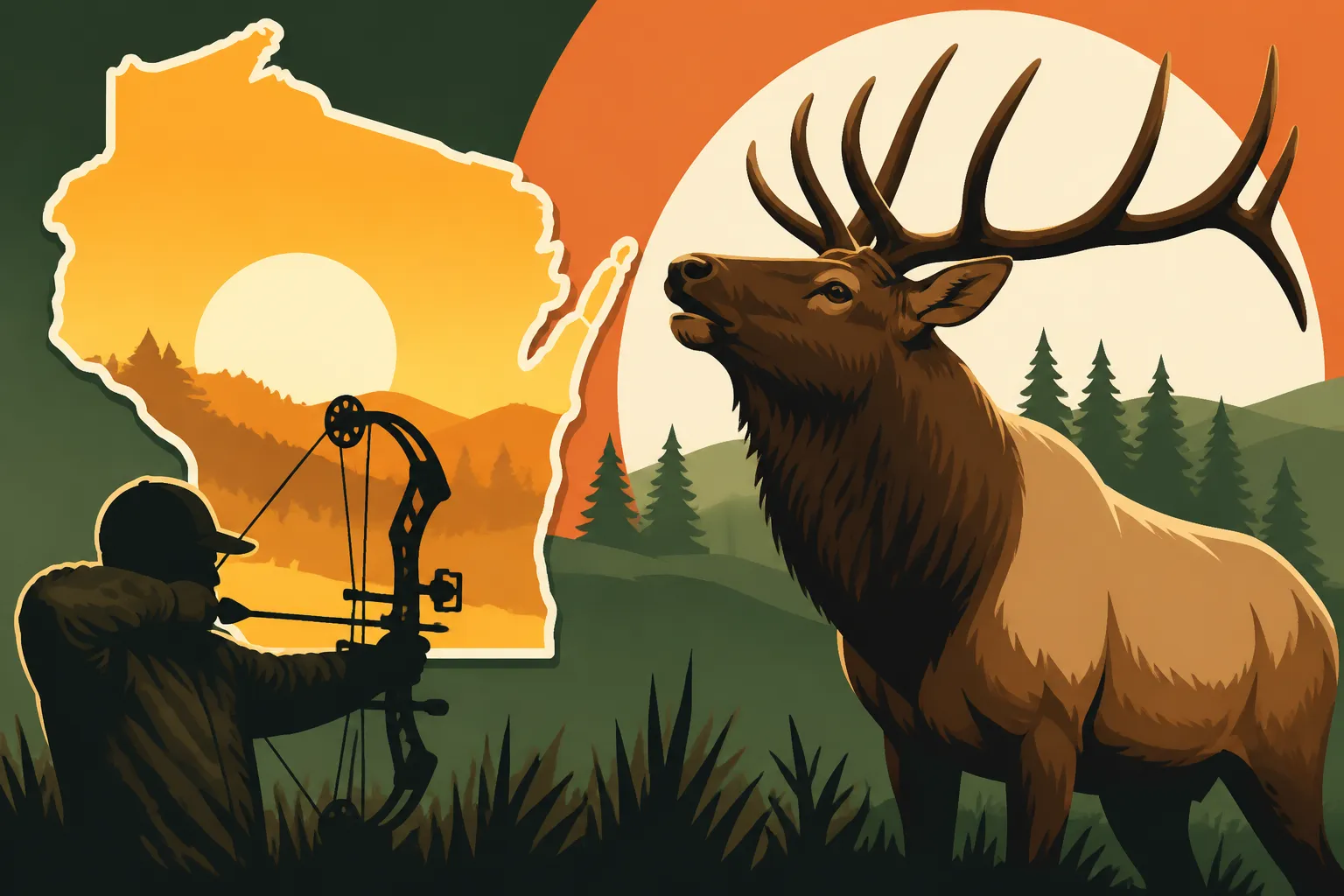
The dream of drawing a Wisconsin elk tag can feel like winning the lottery, a testament to the decades of tireless conservation efforts that brought these magnificent animals back from extinction in our state. For many hunters, just the thought of pursuing an elk in the Northwoods is an aspiration that defines a lifetime, and for those few lucky enough to draw a tag, the experience is truly unforgettable. This comprehensive guide will walk you through the incredible story of Wisconsin's elk, the rare opportunity of a record hunt, and everything you need to know about pursuing these majestic creatures.
The Return of a Majestic Species: Wisconsin's Elk Restoration Story
It’s hard to imagine, but for over a century, the echoing bugle of a bull elk was completely absent from Wisconsin’s forests. Our state’s landscape felt a profound void without these incredible animals, a silent reminder of what was lost to unregulated hunting and habitat destruction in the late 19th century. But thanks to dedicated conservationists, tribal partners, and forward-thinking state agencies, the tables have turned, and elk are once again thriving in our woods.
From Extinction to Reintroduction: A Long Journey Home
The last native elk in Wisconsin was thought to have been killed around 1866, marking the end of an era. For generations, the only elk sightings were in zoos or on distant television screens. The idea of bringing them back was a monumental undertaking, fraught with challenges from habitat suitability to public acceptance. The initial conversations about reintroduction weren't just about dropping some elk in the woods; they involved intricate biological studies, community outreach, and securing funding, all while navigating the complex ecological landscape of modern Wisconsin. It was a true labor of love and a massive commitment to restoring a vital part of our natural heritage.
The first significant step in this long journey home came in 1995 when 25 elk from Michigan were released into the Clam Lake region of northern Wisconsin. This wasn't a simple release; it was a carefully managed endeavor. Each animal was monitored, and biologists worked tirelessly to ensure they adapted to their new surroundings. The early years were critical, with conservationists closely tracking herd health, reproduction rates, and dispersal patterns. It took immense patience and a deep understanding of elk behavior to overcome the initial hurdles, including limited numbers and the need for genetic diversity to build a robust and self-sustaining population. It was a risky venture, but one that held the promise of bringing a truly iconic species back to our state.
Establishing the Herds: Clam Lake and Black River
Today, Wisconsin boasts two distinct and growing elk herds, each with its own story and characteristics. The original Clam Lake herd, nestled within the Chequamegon-Nicolet National Forest in Sawyer, Bayfield, Ashland, and Price counties, has been a beacon of success. From those initial 25 elk, the herd has grown steadily, adapting to the mosaic of mixed hardwood forests, dense conifers, and sprawling wetlands that define the Northwoods. This herd's growth is a testament to the quality of the habitat and the management strategies implemented. If you're looking for an opportunity for Elk Viewing in Wisconsin, the Clam Lake area is often the best bet, as the elk have become more accustomed to human presence, albeit still wild and elusive.
Seeing the success of the northern herd, the Wisconsin DNR, in partnership with the Rocky Mountain Elk Foundation and other conservation groups, embarked on a second reintroduction effort. In 2015, animals from Kentucky were brought to central Wisconsin to establish the Black River Falls herd, primarily within Jackson County. This region offers a different but equally suitable habitat, characterized by sprawling oak savannas, pine barrens, and agricultural edges. The Black River herd's establishment aimed to create a genetically diverse, geographically separate population, further solidifying the elk's presence in the state. Understanding The Clam Lake and Black River Elk Herds is crucial for anyone interested in their management, as each herd faces unique ecological pressures and contributes to the state's overall elk population goals.
Understanding Wisconsin's Elk Hunt: A Chance of a Lifetime
For Wisconsin hunters, the opportunity to pursue an elk is unlike any other. It’s not just a hunt; it's a profound connection to the state's conservation legacy and a chance to participate in something truly extraordinary. But with this incredible opportunity comes immense competition and a deeply structured system designed to ensure sustainability and fair access.
The Rarity of an Elk Tag: Lottery and Preference Points
Let's be brutally honest: drawing a Wisconsin elk tag is one of the toughest draws in the nation. It's not a matter of simply filling out an application and hoping for the best; it's often a multi-year, sometimes multi-decade, commitment to the preference point system. Each year, thousands of eager hunters apply, but only a handful of state-allocated tags are available – typically less than ten for residents, a number that fluctuates based on population goals and herd health. This scarcity means that simply applying isn't enough; you need luck, and a whole lot of built-up preference points.
The Wisconsin DNR uses a preference point system to give loyal applicants a better chance over time. For every year you apply for an elk tag and are unsuccessful, you accrue a preference point. The more points you have, the higher your odds in future drawings. However, it's not a guaranteed draw; it merely improves your chances. Hunters often joke about applying for years, watching their points climb, hoping that this will be the year their name is finally pulled. It’s a game of patience, hope, and unwavering dedication. You can find all the specific details on Wisconsin Elk Application Rules to understand how this system truly works and how to maximize your application strategy.
Who Gets to Hunt: Resident and Tribal Allocations
The allocation of elk tags in Wisconsin reflects a commitment to both state residents and the state's sovereign tribal nations. Each year, the Wisconsin DNR determines the total number of elk that can be harvested to maintain healthy population growth. From this total, a significant portion of tags is allocated to the state's Ojibwe tribes for their sustenance and cultural needs. This recognizes their inherent treaty rights and their historical connection to the land and its wildlife. These tribal hunts are managed internally by the individual Ojibwe bands, often conducted using traditional methods, and are a vital part of their heritage.
For state residents, the remaining tags are distributed through the highly competitive lottery system. Typically, this means a very small number of bull tags and sometimes a few antlerless tags, depending on population management needs. The number of tags made available through the lottery is always meticulously calculated to ensure the long-term health and growth of the elk herds. This dual allocation system means that while the overall number of elk harvested each year is low, it serves both vital conservation goals and respects the diverse communities that value this iconic animal. You can stay informed about the application windows by checking Wisconsin Elk Application Dates annually.
The Hunt of a Lifetime: Preparing for a Wisconsin Elk Hunt
Drawing an elk tag in Wisconsin is, for many, the pinnacle of their hunting career. It’s a privilege that comes with immense responsibility and demands serious preparation. This isn't your average deer hunt; elk are larger, tougher, and often inhabit more rugged terrain. Success hinges on more than just luck; it requires dedication, strategic planning, and the right approach.
Scouting and Preparation: Beyond the Application
Even before you think about gear or shot placement, the real work begins with extensive scouting and preparation. For those fortunate enough to draw a tag, the clock starts ticking immediately. You'll want to spend as much time as possible in your designated elk hunt zone, even if it means driving for hours to walk the woods. This isn't just about finding elk; it's about understanding their patterns, their preferred bedding areas, their travel corridors, and their feeding grounds. Elk are creatures of habit, but those habits can shift with pressure, weather, and food availability. Identifying key areas, such as old logging roads, thick cover edges, and water sources, will be paramount.
Utilize modern tools, but don't forget the old ways. Satellite imagery and topographic maps are invaluable for identifying potential hotspots and planning your approach. Tools like GoHunt can provide detailed maps and data that help in narrowing down areas to focus your on-the-ground efforts. However, nothing replaces boots on the ground. Walk the timber, look for tracks, scat, rub lines on trees, and wallows. Listen for bugles, especially during the pre-rut and rut periods. Pay attention to wind direction and thermals, which are critical in the often-hilly and varied terrain of Wisconsin's elk country. Remember, a successful hunt isn't just about the shot; it's about the entire journey of discovery and connection with the landscape. Effective scouting is key to success, much like when Scouting Wisconsin Public Land Before Season for deer.
Gear and Equipment: Outfitting for Wisconsin Elk
Elk are big animals, and the terrain they inhabit can be unforgiving. Your gear selection needs to reflect this reality. For rifles, you'll want something with enough knockdown power and trajectory for potential longer shots, especially if you're hunting in more open areas within the designated Wisconsin Elk Hunt Zone Boundaries. Common calibers for elk include .30-06, .300 Win Mag, 7mm Rem Mag, or even a .338 Win Mag. While a .270 might be fine for deer, elk require a bit more punch. Ensure your rifle is zeroed precisely and practice shooting from various positions. You wouldn't want to miss the shot of a lifetime because of an unfamiliar stance.
Optics are equally important. High-quality binoculars (10×42 or 12×50) are essential for spotting elk at a distance, especially in the low light of dawn and dusk. A reliable rangefinder is non-negotiable for accurate shot placement. Dress in layers, as Wisconsin's weather can be notoriously unpredictable, especially during the fall elk season. Think durable, quiet clothing that can withstand brush and wet conditions. Waterproof boots are a must. Beyond the basics, consider a good pack frame for hauling out meat (field dressing an elk is no small task), a sharp knife, a bone saw, and game bags. Don't forget a GPS unit or a reliable phone app with downloaded maps, as getting lost in dense woods can quickly turn a dream hunt into a nightmare. Physical fitness is also gear; train for long walks and uphill climbs.
Guide Services and Local Knowledge: Enhancing Your Odds
For many lottery winners, especially those who haven't spent extensive time in Wisconsin's elk country, hiring a reputable guide service can significantly increase their chances of success. Local guides possess an intimate knowledge of the terrain, elk movements, and public and private land access points that can take years to acquire on your own. They spend countless hours scouting, tracking, and understanding the nuances of the herds, and their expertise is invaluable. While this is an additional expense, it can be a wise investment for a once-in-a-lifetime opportunity.
When considering a guide, look for those with a proven track record, good references, and a deep respect for ethical hunting practices and conservation. They can help with everything from pre-hunt scouting and stand placement to tracking and meat recovery. A good guide isn't just someone who puts you on an animal; they enhance the entire hunting experience by sharing their knowledge and passion for the land and its wildlife. They can help navigate the complexities of specific units and even assist with interpreting the latest information from platforms like GoHunt that integrate land ownership data. They can even provide insights into managing issues like Wolves and Wisconsin Elk Calves, as wolves are a factor in some areas.
The Record Hunt: A Triumph for Conservation and Hunters
Every elk harvested in Wisconsin is a testament to the success of the restoration efforts and a moment of immense pride for the hunter. However, some harvests stand out as truly exceptional, earning the title of "record-breaking." These are the animals that capture the imagination and further cement Wisconsin's place in the broader elk hunting community.
What Constitutes a "Record" Elk in Wisconsin
When hunters talk about "record" elk, they're typically referring to animals that achieve exceptional antler growth, measured by systems like the Boone and Crockett Club or Pope and Young Club. These scoring systems meticulously measure antler length, circumference, spread, and the number of points, subtracting any asymmetries to arrive at a final score. A truly large bull elk in Wisconsin, with a main beam spanning 50 inches or more and a dense, symmetrical rack, is a rare and awe-inspiring sight. Such an animal represents years of optimal nutrition, good genetics, and survival in a challenging environment.
Beyond the numbers, a "record" elk also symbolizes the incredible potential of Wisconsin's herds. Each impressive harvest provides valuable data points for the DNR, illustrating the health and age structure of the population. These magnificent animals aren't just trophies; they are indicators of a thriving ecosystem and a testament to the hard work and financial investment in the How Elk Returned to Wisconsin program. While every harvested elk is a success story for conservation, those truly massive bulls represent the pinnacle of what our state's elk country can produce.
The Experience of the Hunter: Beyond the Trophy
For the fortunate hunter who downs a record-class bull, the experience transcends the score sheet. It's an emotional rollercoaster of anticipation, adrenaline, and profound respect for the animal. Imagine spending days, perhaps weeks, tracking an elusive bull, navigating the dense timber and rugged terrain of northern Wisconsin. The sound of a distant bugle, the discovery of a fresh rub, the slow stalk through a whispering aspen stand – each moment builds to the climax. When the shot is finally taken, and the giant animal falls, there’s a rush of emotions: relief, exhilaration, and a deep sense of gratitude.
Many hunters describe their record elk hunt as a spiritual experience, a primal connection to the wild. It’s a moment born from patience and skill, but also from the sheer luck of drawing the tag and encountering such a magnificent creature. The process of field dressing, packing out, and ultimately savoring the meat from such an animal becomes part of the enduring memory. These experiences strengthen the hunter’s bond with conservation, reinforcing the understanding that these opportunities exist because of dedicated efforts to protect and manage wildlife. It’s a story passed down through generations at deer camp, reminding everyone of the incredible wildlife Wisconsin has to offer, alongside stories from Wisconsin Deer Camp Traditions.
Navigating the Regulations: Rules for Wisconsin Elk Hunters
Hunting elk in Wisconsin isn't just about getting an opportunity; it's about adhering to a strict set of regulations designed to ensure the ethical and sustainable management of this precious resource. Familiarizing yourself with these rules is not only crucial for legal compliance but also for upholding the integrity of the hunt.
Season Dates and Zones: Staying Compliant
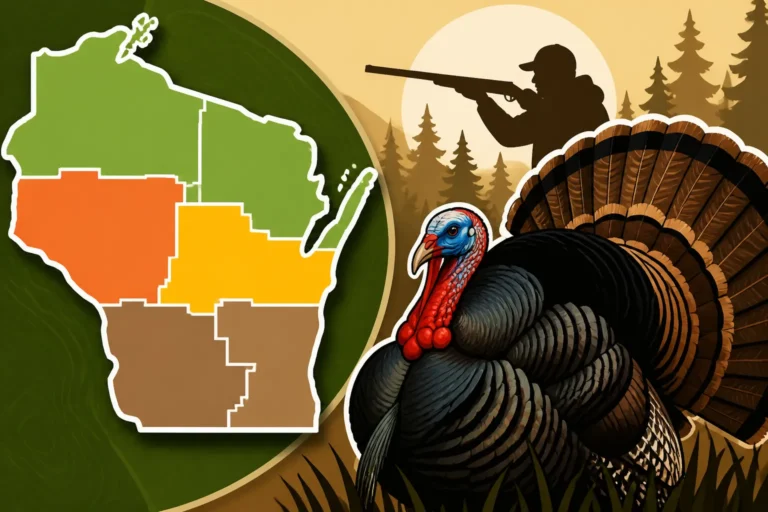
The Wisconsin elk hunting season is a carefully orchestrated event, with specific dates and designated zones. Unlike the broad scope of Wisconsin Deer Seasons and Zones, elk hunting is much more confined. The season dates are typically set in the fall, often aligning with a portion of the rut, allowing hunters the opportunity to call bulls. However, these dates are subject to change year to year based on population surveys and management objectives, so always consult the latest Wisconsin DNR regulations. Hunters must also be acutely aware of their assigned elk hunt zone. Wisconsin's elk range is divided into specific areas, and your tag will be valid only within the zone you were drawn for, whether it's in the Clam Lake or Black River Falls region. This precise zoning helps to distribute hunting pressure and target specific areas for harvest goals.
Beyond the hunt itself, hunters must also be mindful of post-harvest regulations, especially concerning disease management. While Chronic Wasting Disease (CWD) is primarily a concern for deer in other parts of the state, all hunters in Wisconsin are expected to understand and follow carcass transport rules. Even if the elk herds are CWD-free, transporting an entire carcass across county lines can be restricted, especially if you pass through a CWD-affected area. Knowing where to find Wisconsin CWD Sampling and Test Sites is also important, although elk testing procedures might differ slightly from deer. Adherence to these rules is critical to prevent the potential spread of any wildlife diseases and protect the health of all Wisconsin's ungulates.
Legalities and Reporting: After the Harvest
Once an elk is harvested, the hunter's responsibilities continue. Mandatory registration is a non-negotiable requirement. Just like with deer, a harvested elk must be registered with the Wisconsin DNR by a specific deadline, often by phone or online. This process provides vital data for wildlife biologists, helping them to accurately track harvest numbers, monitor population trends, and inform future management decisions. Before you even move the animal, ensure you properly tag your elk immediately after harvest, attaching the tag to the animal in a visible and secure manner as specified by the regulations.
Hunters must also be aware of legal shooting hours, which are typically defined as 30 minutes before sunrise to 30 minutes after sunset. Hunting outside these hours is illegal and carries severe penalties. It is absolutely paramount to respect all hunting laws, including those concerning trespassing, firearm safety, and ethical shot placement. Any violation can jeopardize not only your hunting privileges but also the future of Wisconsin's elk hunting program. It's a privilege to hunt elk in Wisconsin, and upholding these legalities and reporting requirements is part of being a responsible steward of this magnificent resource.
The Future of Elk Hunting in Wisconsin: Growth and Challenges
Wisconsin's elk story is one of incredible success, but it's an ongoing narrative. As the herds continue to grow and expand, so do the complexities of managing them. The future of elk hunting in our state hinges on careful planning, adaptive strategies, and continued collaboration between all stakeholders.
Population Management and Herd Expansion
The Wisconsin DNR, in partnership with conservation groups and tribal nations, continuously monitors the elk populations to ensure their health and growth. Current population estimates show robust and increasing numbers for both the Clam Lake and Black River herds. This positive trend holds the promise of increased hunting opportunities in the future, as herd numbers allow for sustainable harvests. The goal is not just to maintain the current herds but to facilitate their expansion into suitable new habitats. This might involve additional reintroduction efforts or simply allowing natural dispersal as the populations grow.
However, this growth isn't without its challenges. One of the biggest hurdles is disease, particularly Chronic Wasting Disease, though thankfully it has not been detected in Wisconsin's elk herds to date. Vehicle collisions are another increasing concern, especially as elk venture closer to roads in search of forage or mates. Additionally, managing interactions with other large predators, such as wolves, remains a key aspect of elk management. Understanding the dynamics of Wolves and Wisconsin Elk Calves is an ongoing study, as predation pressure can impact calf survival rates and overall herd growth. These factors require constant vigilance and adaptive management strategies to ensure the long-term health and vitality of Wisconsin's elk.
Ensuring Sustainable Hunting Opportunities
The limited number of elk tags issued each year is a direct reflection of the DNR's commitment to sustainable hunting. Harvest quotas are meticulously set based on scientific data, including population surveys, recruitment rates, and desired herd demographics. The goal is always to ensure that hunting contributes to a healthy, balanced population, rather than detracting from it. As the herds continue to grow, there's cautious optimism that the number of available tags might increase, offering more hunters the chance to participate in this extraordinary experience.
The financial contributions from elk tag applications and other hunting licenses play a critical role in funding ongoing conservation efforts. These funds support habitat restoration, disease monitoring, research, and public education initiatives that benefit not only elk but all wildlife in Wisconsin. The opportunity to hunt elk is a direct result of decades of conservation work, and by participating responsibly, hunters contribute to the ongoing legacy of wildlife management. It’s a powerful cycle where passion for hunting directly fuels the future of these magnificent animals in our state, allowing for the potential of more hunters to eventually experience Wisconsin's Record Elk Hunt.
| Elk Herd | Location (Primary Counties) | Year of Reintroduction | Origin of Stock | Primary Habitat Type | Approx. Current Size (2023) | Key Management Focus |
|---|---|---|---|---|---|---|
| Clam Lake | Sawyer, Bayfield, Ashland, Price | 1995 | Michigan | Mixed Hardwood/Conifer Forest, Wetlands | 400-500+ | Expansion, Habitat Enhancement |
| Black River | Jackson | 2015 | Kentucky | Oak Savanna, Pine Barrens, Agricultural Edge | 100-150+ | Establishment, Genetic Diversity |
Disclaimer
Please remember that hunting regulations, season dates, and specific rules for elk hunting in Wisconsin can change annually. Always consult the most current Wisconsin Department of Natural Resources (DNR) regulations and official publications before planning any hunting trip. This guide is for informational purposes only and should not be considered a substitute for official DNR resources.