How Many Black Bears Wisconsin Has
For many of us who love the Wisconsin wild, the elusive black bear holds a special kind of mystique. You might be out shed hunting in spring, or scouting for deer in the fall, and suddenly, you spot fresh tracks, a rub on a tree, or even catch a fleeting glimpse of that dark, powerful shape disappearing into the timber. It stirs up a lot of questions, especially: just how many black bears are actually roaming our woods? That curiosity isn't just about spotting one; it’s about understanding the health of our ecosystem and the incredible success story of wildlife management in our state. This guide will dive deep into how Wisconsin keeps tabs on its black bear population, where these magnificent animals make their homes, and how their numbers have grown, providing a comprehensive look at one of Wisconsin's most iconic big game species.
Understanding Wisconsin's Black Bear Population
It’s easy to feel like bears are everywhere or nowhere, depending on your luck in the woods. But behind those casual sightings and trail camera pictures, there's a serious amount of scientific work dedicated to understanding exactly how many black bears call Wisconsin home. It’s not a simple headcount, of course; these animals are masters of stealth and cover. Instead, wildlife biologists employ a suite of clever techniques to estimate the population, which in turn helps inform conservation and hunting strategies.
The Current Bear Population Estimate and How It's Determined
The Wisconsin Department of Natural Resources (DNR) doesn't just pull numbers out of a hat. They use a multi-pronged approach to arrive at their population estimates, which are surprisingly robust given the challenges of counting such wide-ranging and secretive animals. One of the primary tools involves what's called a "bait station survey." Imagine a grid across vast tracts of bear habitat, where scientists regularly set up bait stations. These aren't just for feeding bears; they're designed with unique "hair snares"—basically, wires or sticky pads that collect hair samples when a bear visits. From these hair samples, DNA is extracted, allowing individual bears to be identified. By tracking how many unique bears visit how many stations over a set period, biologists can use capture-recapture models to estimate the overall population density. It’s a bit like taking a small sample of marked deer, releasing them, and then seeing how many marked deer show up in a later sample to estimate the total herd.
Beyond hair snares, other critical pieces of the puzzle come from dens and hunter harvest data. Each winter, wildlife researchers venture into known bear dens, often after a sow has had her cubs. They'll count and tag the cubs, assess the health of the mother, and collect biological samples. This "den check" data provides invaluable information on cub production, survival rates, and the overall reproductive health of the population. When combined with detailed records from hunters — including the age, sex, and weight of harvested bears — the DNR builds a very comprehensive picture of the bear population dynamics. All these pieces, from individual hair follicles to massive harvest data, are fed into complex computer models that generate the population estimates we rely on.
Historical Trends and Growth Factors
Wisconsin’s black bear population hasn't always been as robust as it is today. Historically, habitat loss and unregulated hunting took a significant toll, pushing bear numbers down to precarious levels. Back in the early 20th century, bears were largely confined to the most remote northern reaches of the state. However, through diligent conservation efforts, improved forest management practices, and a well-regulated hunting season, the population has made a remarkable comeback. As Wisconsin's forests matured and recovered from earlier logging booms, they once again provided excellent habitat, rich with the mast crops, berries, and denning sites bears need to thrive.
The regulated hunting season, often viewed solely as a means of harvest, is actually a crucial management tool. By setting carefully calculated quotas based on population estimates, the DNR can maintain the bear population at a healthy, sustainable level, preventing overpopulation in some areas while allowing for growth in others. The preference point system for bear tags, which many hunters apply for annually, reflects this careful balance – a testament to the high demand and limited supply necessary for sustainable management. The state has seen a steady increase in Wisconsin's Black Bear Population over the past several decades, expanding not only in density within their traditional range but also geographically. This expansion is a clear indicator of a healthy and growing population, thanks to decades of thoughtful management.
Where Wisconsin Black Bears Live
When you think of black bears in Wisconsin, your mind probably jumps straight to the vast, wild forests of the Northwoods. And you'd be right – that's their traditional stronghold. But the story of the black bear in Wisconsin is one of adaptation and expansion, with these intelligent animals gradually venturing into new territories, much to the surprise and sometimes concern of residents in previously bear-free zones.
Geographic Distribution and Primary Habitats
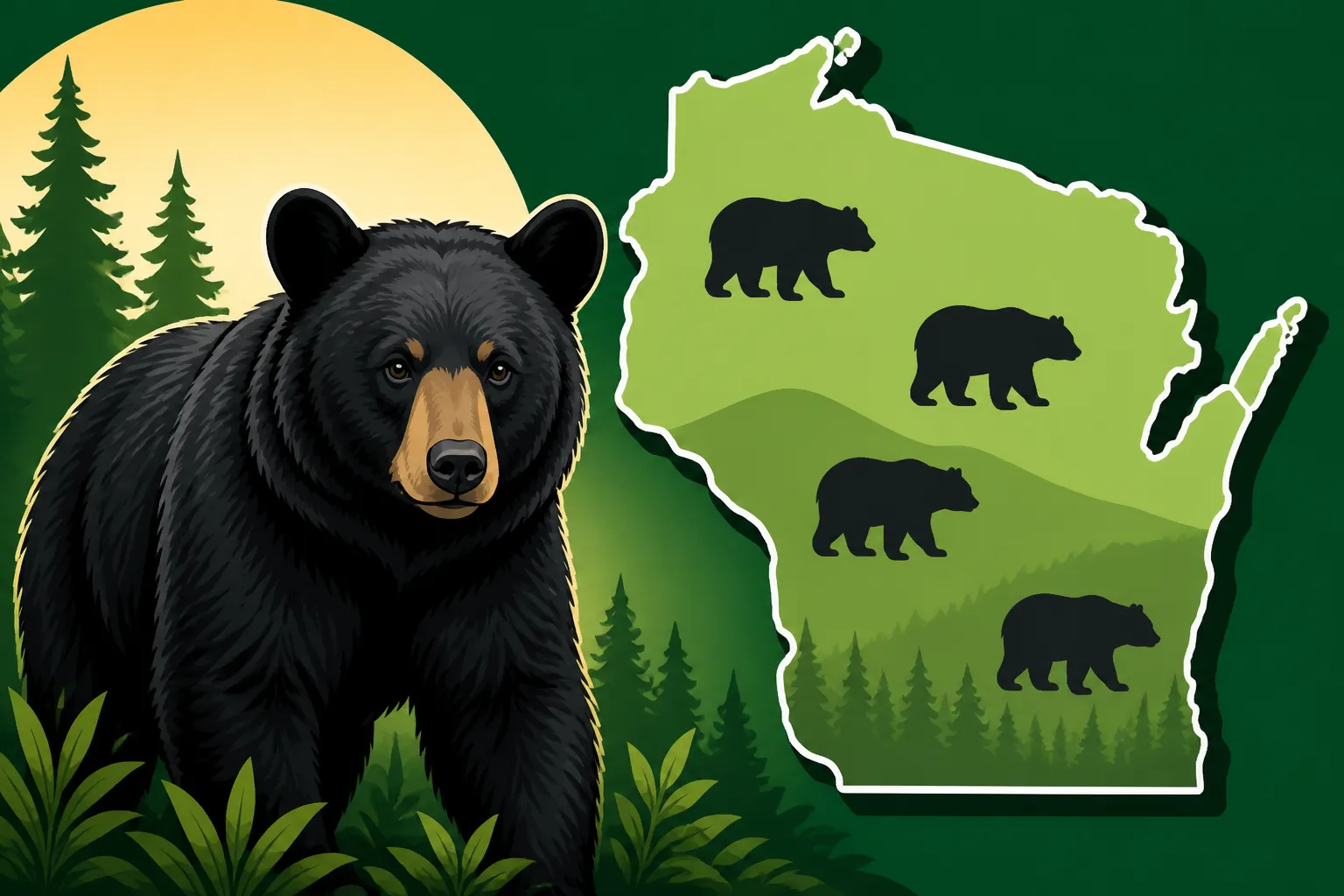
Historically, the range of black bears in Wisconsin was largely confined to the northern third of the state. This expansive region, characterized by dense hardwood and conifer forests, wetlands, and abundant food sources like acorns, berries, and grubs, remains the heart of Where Wisconsin Bears Range. Counties like Bayfield, Douglas, Ashland, Sawyer, and Price are consistently among the areas with the highest bear densities. These large, unbroken tracts of timber offer the solitude and resources necessary for bears to thrive, providing ample denning sites for Wisconsin Bear Denning Behaviour and cover for foraging.
However, in recent decades, bear sightings have become increasingly common in central Wisconsin, and even periodically in some southern parts of the state. While not establishing permanent breeding populations in these areas, young males in particular are known to disperse widely in search of new territories, leading to occasional encounters much further south than most people would expect. This slow but steady expansion reflects both the growing statewide population and the adaptability of black bears to different landscapes, as long as sufficient food and cover are available.
Factors Influencing Bear Movement and Expansion
The primary drivers behind the black bear's movement and expansion are quite straightforward: food and habitat. As the northern Wisconsin bear population has grown, competition for prime territories and food sources naturally increases. This pushes younger bears, especially males, to strike out and explore new grounds. These adventurous individuals might follow river corridors, move through smaller woodlots, or navigate agricultural landscapes, sometimes ending up in unexpected places like suburban backyards or even urban parks, creating headlines and a fair bit of local excitement.
Food availability plays a massive role year-to-year. In years with abundant natural foods – a good acorn crop, a bumper crop of berries – bears may stay closer to their established ranges. But in years where natural foods are scarce, bears become more opportunistic and may travel greater distances in search of sustenance. This can lead them into areas where human development is more prevalent, increasing the chances of conflict. Habitat changes, such as reforestation in previously cleared areas or the establishment of new public lands that offer suitable cover, also contribute to the gradual shift in bear distribution, making Bears Moving Into Southern Wisconsin a more frequent occurrence.
Wisconsin Bear Management and Hunting's Role
Managing a thriving population of large, powerful animals like black bears requires a careful hand, a lot of science, and a deep understanding of ecological principles. In Wisconsin, the DNR works diligently to ensure the bear population remains healthy and sustainable, while also addressing concerns about human-bear interactions. Hunting plays a pivotal and often misunderstood role in this intricate management puzzle.
How Harvest Quotas Are Set and Their Impact
The setting of annual bear harvest quotas is a prime example of data-driven wildlife management in action. It's not an arbitrary number; it's a carefully calculated figure based on all the population data we discussed earlier – bait station surveys, den checks, harvest reports from previous seasons, and even projected recruitment rates. Biologists analyze trends in population growth, reproductive success, and mortality rates to determine how many bears can be harvested without jeopardizing the long-term health and stability of the population. This scientific approach ensures that Wisconsin Bear Harvest Numbers remain sustainable, preventing both over-harvest and overpopulation.
The impact of these quotas is profound. By allowing a regulated harvest, the DNR can:
- Maintain population health: Harvesting a certain number of bears, particularly reducing the number of adult males in high-density areas, can help maintain a healthy age and sex structure within the population, reducing stress on natural food sources.
- Reduce human-bear conflicts: In areas where bear populations are dense or expanding, a managed harvest can help mitigate conflicts with humans, such as property damage or nuisance encounters, fostering coexistence.
- Provide recreational opportunities: For thousands of Wisconsin hunters, the bear season represents a cherished tradition and an incredibly challenging pursuit, providing valuable recreational and economic benefits.
The quota system, therefore, is a dynamic tool that adapts to changing population estimates and ecological conditions, demonstrating a commitment to responsible wildlife stewardship.
The Bear Preference Point System and Hunter Opportunities
Drawing a Wisconsin bear tag isn't easy, and that's by design. The demand for bear hunting opportunities far outstrips the available tags, a direct consequence of a healthy but carefully managed population. To ensure fairness and give long-time applicants a better chance, Wisconsin employs a "preference point" system. Every year you apply for a bear license and don't draw a tag, you earn a preference point. The more points you accumulate, the higher your odds of drawing a tag in subsequent years. This system means that dedicated hunters who stick with it for many years eventually get their turn.
This preference point system, outlined in detail when looking into Wisconsin Bear Preference Points and Zones, creates a cyclical opportunity structure. While it can take many years to draw a tag, it guarantees that persistence pays off. Hunters need to decide which bear management zone to apply for, as zones have different quotas and thus different drawing odds and wait times. This system also means that hunters who draw a tag often have many years to scout, prepare, and plan their hunt, leading to a more engaged and knowledgeable hunting community. Understanding How Many People Apply for Wisconsin Bear versus How Many Wisconsin Bear Licences Are Issued really drives home the importance of this preference point system for managing hunter expectations and opportunities. It’s a transparent way to allocate a highly sought-after resource, promoting both conservation and equitable access for hunters.
Living with Wisconsin's Black Bears
As black bear numbers have risen and their range has expanded, it’s become more and more likely that Wisconsinites, particularly those living near wooded areas, will encounter one of these magnificent animals. While these encounters are usually brief and the bears are typically just passing through, understanding how to coexist peacefully is essential for both human safety and bear welfare.
Coexisting with Bears in Rural and Suburban Areas
The vast majority of black bears want absolutely nothing to do with humans. They are naturally shy and prefer to keep their distance. However, bears are also incredibly intelligent and opportunistic when it comes to finding food. The most common reason for bears to venture close to human habitation is simple: easy access to calories. If a bear discovers a readily available food source, whether it's garbage, birdseed, pet food, or even a barbecue grill with drippings, it will keep coming back. This is where conflicts typically begin.
To minimize the risk of unwanted bear visits, especially in areas where Bear Encounters Around Wisconsin Cabins are increasing, proactive measures are key:
- Secure garbage: Use bear-resistant garbage cans or store trash in a secure building until collection day. Never leave garbage bags outside overnight.
- Remove bird feeders: Especially during spring and summer when bears are actively foraging, bird feeders are a huge attractant. Consider removing them entirely during these months or only putting them out when birds are active during the day.
- Store pet food indoors: Pet food left on porches or in garages is an easy meal for a hungry bear.
- Clean grills: After use, thoroughly clean outdoor grills to remove any food residue or grease.
- Harvest fruit/vegetables: Pick ripe fruit from trees and collect fallen fruit from the ground.
- Compost responsibly: Ensure compost piles are meat-free and turned regularly.
- Talk to neighbors: Encourage your neighbors to follow these practices too. A single unsecured food source can attract bears to an entire neighborhood.
By removing these attractants, you’re essentially teaching bears that human areas are not reliable food sources, helping them stay wild and reducing potential issues.
Reporting Bear Sightings and Conflicts
While most bear sightings are simply fleeting glimpses of a wild animal, there are times when it’s important to report an encounter or conflict to the authorities. The Wisconsin DNR relies on public reports to track bear activity, manage nuisance animals, and identify areas where human-bear conflicts might be increasing. If a bear is simply passing through your yard and causes no damage, often the best approach is to give it space and let it move on. However, if a bear exhibits aggressive behavior, repeatedly damages property, or appears to be habituated to humans and shows no fear, it's time to act.
When to report a bear incident:
- Property Damage: If a bear causes significant damage to property, such as breaking into sheds, homes, or vehicles in search of food.
- Aggressive Behavior: If a bear charges, stalks, or acts aggressively towards people or pets.
- Repeated Nuisance: If the same bear consistently returns to an area despite efforts to remove food attractants and hazing.
- Injured or Deceased Bear: If you find a bear that appears injured, sick, or deceased.
For non-emergency situations, you can typically contact your local DNR office. In emergency situations where there is an immediate threat to human safety, always call 911. Reporting these incidents helps wildlife managers understand the bigger picture of bear activity across the state and allows them to intervene when necessary to ensure both public safety and the continued health of Wisconsin's remarkable black bear population.
| Bear Population Metric | Description | Significance |
|---|---|---|
| Population Estimate | The scientifically calculated number of black bears in Wisconsin. | Basis for all management decisions, hunting quotas, and conservation efforts. |
| Geographic Range | The areas where bears are found, traditionally concentrated in Northern Wisconsin but expanding. | Indicates habitat suitability and potential for human-bear interaction. |
| Harvest Quota | The maximum number of bears allowed to be taken by hunters in a given season. | Controls population growth, prevents overpopulation, and mitigates conflicts. |
| Preference Points | System allowing hunters to accumulate points annually for not drawing a bear tag, increasing future odds. | Ensures fair allocation of limited hunting opportunities for a highly sought-after species. |
| Human-Bear Conflicts | Incidents where bears and humans interact negatively (e.g., property damage, close encounters). | Monitored to inform public education efforts and targeted management actions in problem areas. |
Disclaimer
This article is for general informational purposes only and does not constitute professional advice. Laws, prices and regulations vary by location and change over time. Consult a qualified professional for guidance on your specific situation.