Hunting Wisconsin’s Late Archery Season
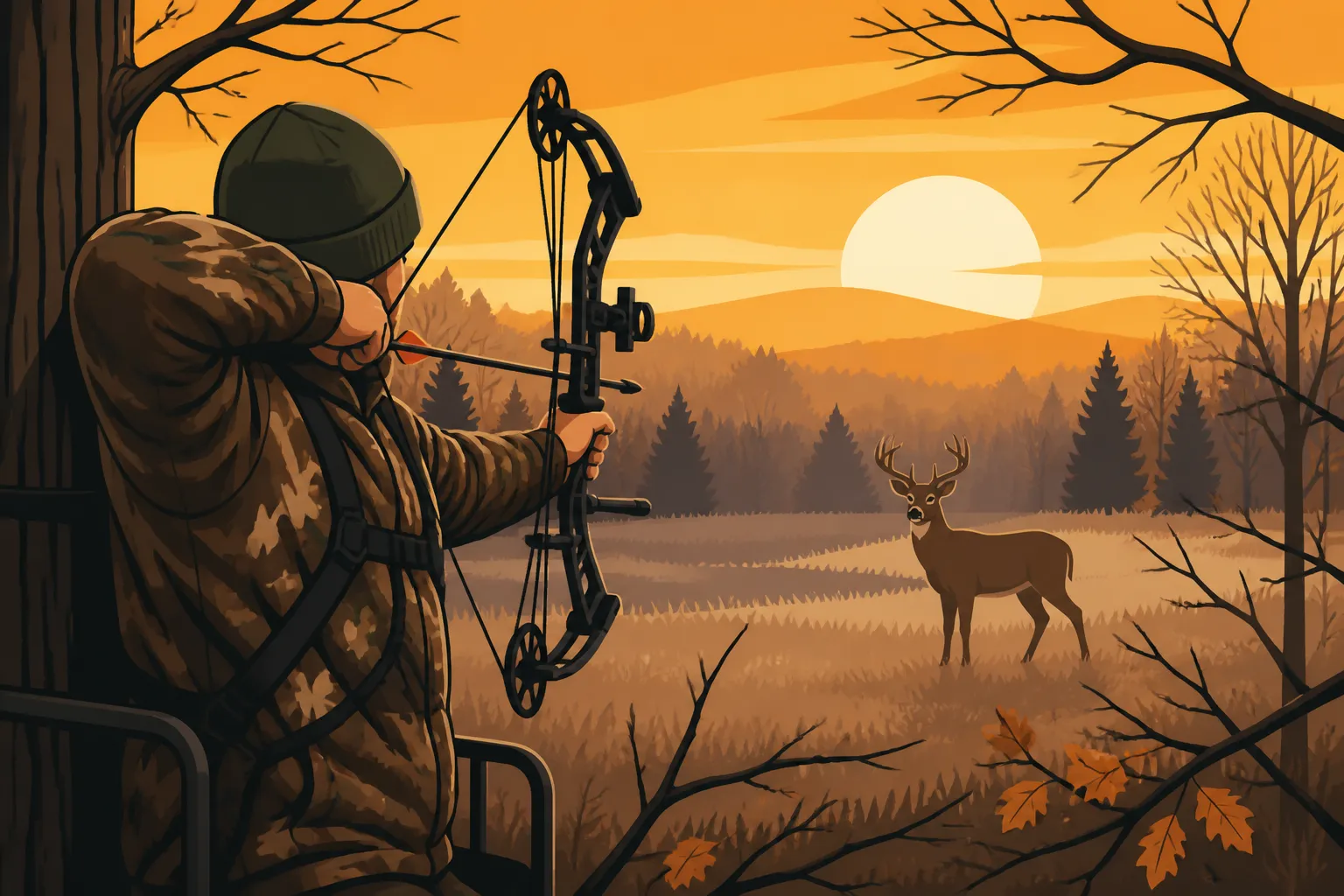
As the vibrant reds and golds of Wisconsin's autumn fade, many bowhunters hang up their gear, assuming the best hunting is behind them. But for those willing to brave the biting cold and often snowy conditions, Wisconsin's late archery season offers a unique and incredibly rewarding challenge. This isn't the chaotic rut you experienced in November, but a game of precision, patience, and adapting to a completely different deer pattern. This guide will walk you through the nuances of hunting during this frigid, yet fruitful, period, helping you unlock success when most others are warming by the fire.
Understanding the Late Archery Season in Wisconsin
The late archery season in Wisconsin is often overlooked, overshadowed by the intense excitement of the earlier rut or the popularity of the nine-day gun season. However, it presents a unique opportunity for archers to fill tags after much of the hunting pressure has subsided. But don't mistake "less pressure" for "easy hunting" – this period comes with its own set of formidable challenges.
Dates and Overlapping Seasons
Wisconsin's archery season is remarkably long, giving hunters a fantastic window of opportunity. While the early part, stretching from September through October, focuses on pre-rut and early rut activity, the late season kicks in after the gun season concludes, often running from early December through the first few days of January. It's crucial to always verify the exact Wisconsin Archery Deer Season Dates with the Wisconsin DNR's current regulations, as they can shift slightly year to year. During this late period, you'll find that the archery season often runs concurrently with the muzzleloader season and the special Wisconsin Holiday Antlerless Hunt. This means that while bowhunter numbers might be down, you could still encounter pressure from muzzleloader hunters or those specifically targeting antlerless deer. Always be aware of blaze orange requirements if hunting during these overlapping firearm seasons, even as an archer.
The Unique Challenges of Post-Rut, Pre-Winter Hunting
Hunting in late season Wisconsin is a completely different ballgame than the early fall. The deer you're pursuing are no longer fueled by the frantic urge to breed. Instead, their primary focus has shifted entirely to survival. They're trying to recover from the physical toll of the rut, find enough calories to sustain themselves through the harsh winter, and conserve energy. This makes them incredibly wary and predictable in some ways, yet frustratingly elusive in others.
The weather itself is often the biggest challenge. Frigid temperatures, biting winds, and accumulating snow can make long sits excruciatingly difficult for the unprepared hunter. Deer also change their movement patterns drastically in response to these conditions. Gone are the days of bucks blindly cruising for does; now, every movement is calculated, every calorie precious. This necessitates a fundamental shift in strategy, moving away from rut-centric calling and rattling to a more food- and cover-focused approach. Hunters who don't adapt to these new patterns will quickly find themselves cold, frustrated, and empty-handed. It’s about understanding the deer's current motivations and adjusting your game plan accordingly.
Key Deer Behavior and Movement in Late Season
Deer behavior in the late season is largely dictated by two overarching factors: caloric intake and thermal regulation. They are in survival mode, trying to replenish fat reserves depleted by the rut and insulate themselves against the brutal Wisconsin winter. Understanding this fundamental shift is paramount to success.
Survival Mode and the Relentless Pursuit of Calories
After the intense physical demands of the rut, bucks are often run down, having lost a significant amount of body weight. Does, too, are focused on recovery and preparing for gestation. This means all deer, regardless of age or sex, are obsessed with finding and consuming high-calorie food sources. Their lives literally depend on it.
This makes finding reliable food sources the absolute cornerstone of late-season hunting. Forget the acorn flats that were hot in October; most acorns have been consumed or are buried under snow. Now, deer are targeting persistent food sources. Standing cornfields, if still available, become absolute magnets. Unharvested soybean fields are also prime. Brassicas like turnips, rape, and kale, especially those planted for late-season forage, offer critical nutrition. Even specific natural browse that remains palatable and accessible through the snow, such as certain woody stems or evergreen tips, can draw deer. As a hunter, your primary objective becomes locating these critical Late-Season Food Sources for Whitetails and understanding the specific travel routes deer are using to get to them.
Thermal Cover and Safe Bedding Areas
When temperatures plummet and harsh winds pick up, deer seek shelter. Just as you want to be warm and out of the wind, so do they. This means thermal cover becomes just as important as food, often dictating where deer bed during the day. Thick conifer stands, particularly cedar swamps, spruce thickets, or dense pine plantations, offer excellent insulation from the cold and snow. The dense canopy traps heat and blocks wind, providing a relatively warm sanctuary.
You'll also find deer bedding on south-facing slopes, particularly those with good cover, as these areas catch the most sunlight and offer some relief from northerly winds. In areas with deep snow, deer might "yard up" in these dense conifer stands, creating a network of trails and significantly reducing their movement outside these areas. Understanding Where Northern Forest Bucks Bed is crucial, as their thermal needs are intensified. By identifying these areas, you can pinpoint where deer are likely spending the bulk of their daylight hours, often within close proximity to their chosen food sources. This creates predictable movement corridors between bedding and feeding, which is exactly what a late-season bowhunter wants to exploit.
The Impact of Snow and Extreme Cold
The presence of snow dramatically alters deer movement and behavior, offering both challenges and opportunities. Light, fresh snow makes tracking easier, revealing fresh sign and precise travel routes. It can also muffle sound, allowing for quieter approaches. However, deep snow creates significant obstacles for deer, making travel difficult and energy-intensive. In these conditions, deer will stick to established trails, logging roads, or the path of least resistance.
Extreme cold, especially when combined with high winds, can shut down deer movement almost entirely during daylight hours. Deer will hunker down in their thermal cover, only moving during the warmest parts of the day, or even restricting their feeding to the dead of night. Conversely, a warming trend after a period of extreme cold can trigger increased activity, as deer seize the opportunity to feed and move more comfortably.
| Factor | Early Season (Sept-Oct) | Late Season (Dec-Jan) |
|---|---|---|
| Primary Driver | Antler growth, social hierarchy, early rut | Calorie intake, thermal regulation, survival |
| Key Food | Acorns, soft mast, early browse | Standing corn, brassicas, persistent browse |
| Bedding | Varied, often thick summer cover | Dense conifers, south-facing slopes |
| Movement | Crepuscular, increasing daylight during rut | Often restricted to low light, warmer periods |
| Hunter Impact | Moderate pressure, scouting effective | High pressure initially, then drops; low-impact crucial |
| Tactics | Scrapes, rubs, calling, ambushing | Food plots, thermal cover, patient sits |
Tactical Approaches for Late Archery Success
Hunting success in the late season hinges on meticulous scouting, strategic stand placement, and the sheer mental fortitude to endure challenging weather. It's a grind, but a rewarding one.
Scouting for the Last Stand
Gone are the days of casually scouting for rubs and scrapes from early fall. Late-season scouting needs to be precise and focused on current conditions. Once the snow falls, it becomes your best friend. Look for fresh tracks leading to and from food sources, thermal cover, and water. Pay attention to the size of the tracks and the frequency of use. Large groups of tracks heading into a standing cornfield are a dead giveaway.
Walk the edges of fields, glassing for deer in the distance, and mark potential entry and exit points on your mapping app. Platforms like GoHunt are incredibly useful here, allowing you to identify standing crops, dense timber, and topographical features like funnels or pinch points that might concentrate deer movement. Use aerial photos on GoHunt to virtually scout for potential bedding areas in thick evergreens and then confirm them on the ground. When it comes to Reading Aerial Photos for Coulee Deer, look for benches and draws that provide sheltered travel. It's also vital to find out which fields still have standing crops. Often, farmers will leave a few rows or even entire fields unharvested, creating late-season havens. Don't be afraid to knock on doors to confirm which fields are still standing or if permission can be granted for access.
Strategic Stand Placement
With deer movement dictated by food and thermal cover, your stand placement needs to be surgical. Set up as close to the most attractive food source as possible, but ensure your entry and exit routes are completely silent and undetectable. Deer are incredibly wary this time of year, and even the slightest disturbance can push them to nocturnal behavior.
Often, the best strategy is to set up between a bedding area and a preferred food source, intercepting deer as they move in low light. Mornings can be slow, as deer will often be feeding through the night and returning to bed at first light. However, if a food source is extremely hot and close to bedding, an early morning sit can catch deer making a final push for calories before settling in. Evenings, however, are often more productive as deer leave their thermal cover to feed. Be prepared for Cold Weather Sitting Strategy because you'll need to remain motionless for long periods to catch these wary animals.
Consider using a ground blind. Not only does it offer excellent concealment, but it can also provide much-needed shelter from the wind and cold, making those long sits much more bearable. When you're thinking about Using a Ground Blind on Wisconsin Public Land, consider brushing it in well a week or two before you hunt it so deer get accustomed to its presence. For spots near fields, a well-placed blind on the edge of a Hunting a Standing Cornfield in Farm Country can be deadly. Remember, deer are more likely to move in lower light, so ensuring you can see your target without silhouetting yourself is key.
Patience and Low-Impact Hunting
The late season demands an extreme level of patience. Deer aren't moving constantly, and when they do, they're often moving slowly and deliberately. This is not the time for aggressive tactics like those used during Hunting the Wisconsin Rut in November. Forget rattling or grunting unless you're absolutely certain a buck is within close range and showing interest. Your presence should be as minimal as possible.
Minimize your time in the woods outside of active hunting. Avoid walking through bedding areas. Utilize wind and thermals to your advantage, ensuring your scent never blows into key areas. A single bad hunt can educate deer and push them off your property or make them completely nocturnal. Success often comes down to one perfect, undisturbed sit. This means meticulously planning your approach, understanding the wind currents in your specific area, and being prepared to sit for hours in conditions that would send most hunters home.
Essential Gear and Preparation for Cold Weather
Hunting in Wisconsin's late archery season isn't just about deer behavior; it's a battle against the elements. If you're not properly equipped, even the best tactics will fail because you'll be too cold to hunt effectively.
Layering for the Long Haul
Staying warm is non-negotiable for comfort, safety, and focus. This means layering, and doing it right. Start with a good moisture-wicking base layer – wool or synthetic. Avoid cotton, as it retains moisture and will make you cold. Your mid-layers should provide insulation, such as fleece or down. The outer layer needs to be windproof and waterproof, offering a barrier against the elements while still allowing for quiet movement.
Think about the specific areas where you lose the most heat: head, hands, and feet. A warm hat, preferably wool or fleece, is essential. A neck gaiter or balaclava will protect your face and neck from biting winds. Layering up tops and bottoms is crucial, ensuring you can add or shed layers as activity levels or temperatures change.
Insulated Footwear and Hand Protection
Your feet are particularly vulnerable to cold, especially when sitting motionless for hours. Invest in high-quality, insulated hunting boots, rated for extreme cold. Look for boots with at least 800-1200 grams of Thinsulate or equivalent. Oversized boots allow for thicker socks and better circulation. Consider using chemical toe warmers.
For hands, a system works best. Start with thin, sensitive gloves for dexterity when shooting your bow. Over these, wear larger, insulated mittens or a hand muff. The mittens can be easily slipped off for a shot, while the muff, often equipped with chemical hand warmers, keeps your hands toasty otherwise. This combination allows you to stay warm while maintaining the ability to make a clean shot.
Staying Warm on Stand
Beyond clothing, there are a few extra comforts that can make a huge difference during those frigid late-season sits. An insulated seat pad or a cushion with a chemical warmer can prevent cold from seeping into your core from the stand. Portable, safe catalytic heaters (check local regulations to ensure they are allowed in your hunting area) can offer a welcome boost of warmth in a ground blind.
Bringing a thermos of hot coffee, tea, or broth can also provide internal warmth and a morale boost. Remember to stay hydrated, as dehydration can also contribute to feeling cold. When you're focusing on Cold Weather Sitting Strategy, the goal is to be so comfortable that you can remain motionless and focused for hours, waiting for that one opportunity.
Game Recovery in the Cold
Once you make a successful shot in the late season, the cold can actually be an advantage for meat preservation. However, tracking can be challenging. While snow might make blood trailing easier in some respects, frozen ground can make blood hard to find if it's not a heavy trail. If you hit a deer late in the evening and the temperature is dropping rapidly, you'll need to decide quickly if you can track it immediately or if it's better to wait until morning. For instances like Blood Trailing After Dark in Wisconsin, always bring a powerful headlamp and mark your last blood if you lose the trail.
Once recovered, the cold temperatures mean you don't have to rush the field dressing or cooling process as much as during early archery season, but it's still good practice to get the deer field dressed promptly. Getting the deer out of the woods can also be a struggle, especially in deep snow or rugged terrain. A deer sled is an invaluable tool for this, making it much easier to drag a deer across snow-covered ground. Look into Deer Sleds for Snow Country to save your back and energy.
Disclaimer
Hunting is an inherently dangerous activity. Always prioritize safety, follow all Wisconsin Department of Natural Resources regulations, and obtain appropriate licenses and tags before heading into the field. This guide offers general advice and should not replace official DNR guidelines or personal judgment. Be aware of private land boundaries, wear proper blaze orange when required, and inform someone of your hunting location and expected return time.