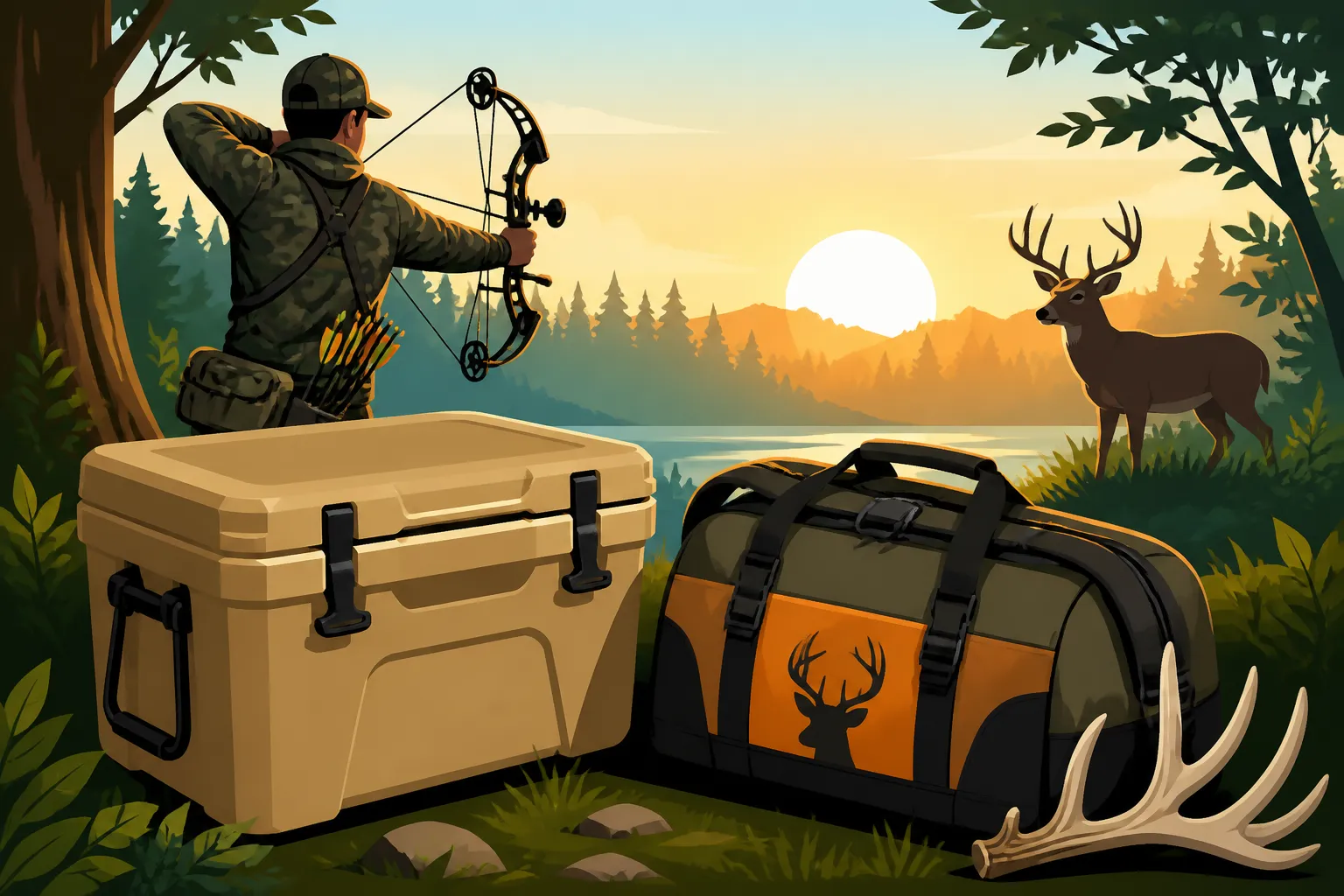
Coolers and Game Bags for Early Archery
Oh, the early archery season in Wisconsin! It's a magical time, filled with crisp mornings, changing leaves, and the thrill of deer movement. But let's be honest, it also brings a very real and persistent dread for us hunters: the heat. You've worked tirelessly, made a perfect shot, and now you've got a beautiful deer on the ground, but the mercury is climbing, and the clock is ticking against meat spoilage. It's a stomach-churning thought, isn't it? This guide is all about equipping you with the knowledge and gear, specifically coolers and game bags, to confidently tackle those warm-weather hunts and ensure every ounce of that hard-earned venison makes it to your freezer in prime condition.
The Pressing Challenge of Early Archery Meat Care in Wisconsin
There’s nothing quite like the excitement of Wisconsin’s early archery season. It opens when the leaves are just beginning to turn, or sometimes even before, and the air can still carry the warmth of summer. While this can make for comfortable hunting weather, it also presents a significant challenge for preserving your hard-earned venison. Losing meat to spoilage is a gut punch no hunter wants to experience, and it’s a very real threat when temperatures climb.
Wisconsin's Warm Early Archery Season: Why it's a Concern
Our early archery season often kicks off in September, and let's face it, September in Wisconsin can still be downright hot. I've been out there in short sleeves, sweating in my stand, even on opening day. The ambient air temperature might hover in the 70s or even 80s during the day, which is far from ideal for cooling down a large game animal. This isn't like the late November hunts where you can leave a deer out overnight and know it'll be fine; those crisp, freezing nights are a distant dream in early fall.
When you drop a deer, its body still retains a significant amount of heat. This internal warmth, combined with high external temperatures, creates a perfect breeding ground for bacteria. These invisible enemies are what cause meat to spoil, giving it that sour smell and greenish hue we all dread. The faster you can remove that internal heat and get the core temperature of the meat down, the better your chances of preserving its quality. It’s a race against time, and understanding the conditions you're up against is the first step to winning. Bowhunting Wisconsin's Long Archery Season gives a great overview of this period, reminding us of the unique challenges and rewards.
Understanding the Science of Spoilage: Time and Temperature
At its core, meat spoilage is a bacterial process. Bacteria thrive in warm, moist environments, and a recently harvested deer provides just that. The danger zone for bacterial growth is typically between 40°F and 140°F. Unfortunately, the internal temperature of a deer can be well over 100°F at the time of harvest, and an early September day can keep the ambient air well within that danger zone for hours. This is why every minute counts.
When meat sits at elevated temperatures, bacteria multiply exponentially, leading to rapid degradation of quality. You'll notice sliminess, off-odors, and discoloration. Even if you don't see visible signs, the flavor and texture can be negatively impacted. Our goal as responsible hunters is to minimize the time the meat spends in this danger zone. This means immediate action, from field dressing to getting the meat cooled, which is critical for turning a successful hunt into delicious meals. This battle against time and temperature is what drives our gear choices and our field strategies.
Choosing the Right Coolers for Warm-Weather Venison
Once the deer is on the ground, your cooler isn't just a place to store sandwiches anymore; it's a critical tool for preserving your meat. In warm weather, a cheap cooler from the gas station just isn't going to cut it. You need something that can truly stand up to the challenge of keeping your venison cold, often for extended periods.
Insulation is King: Rotomolded vs. Other Types
When we talk about coolers for serious meat preservation, we're really talking about insulation. The better the insulation, the longer your ice lasts, and the colder your meat stays. This is where rotomolded coolers have really changed the game. Brands like Yeti, RTIC, and others in this category are built with a seamless, rotationally molded construction and thick, injected polyurethane foam insulation. This design drastically reduces heat transfer compared to older, thinner-walled coolers.
While the initial investment in a rotomolded cooler might seem steep, consider the cost of losing an entire deer's worth of venison. It’s a small price to pay for peace of mind and preserved meat quality. For early archery, a rotomolded cooler is practically non-negotiable if you plan on quartering your animal in the field and transporting it. They can keep ice for days, even in scorching temperatures, giving you a crucial buffer of time. Traditional coolers with thinner walls and less robust lids will struggle, melting ice quickly and leaving your meat vulnerable.
Size Matters: Matching Cooler Capacity to Your Harvest
Choosing the right size cooler is also incredibly important. You might think bigger is always better, but it's about efficiency. A cooler that's too large for the amount of meat you have will have more air space, which can lead to faster ice melt. Conversely, a cooler that's too small means cramming meat in, which hinders airflow and effective cooling. For a typical Wisconsin whitetail, you're generally looking at needing at least a 75-quart cooler, and often a 100-150 quart for a large buck that you plan to quarter fully.
My advice? Always err on the side of slightly larger if you're unsure, especially if you plan to get two deer in the same season, or if you're hunting further from home. You want enough room for the deboned meat, or at least the major bone-in sections (like hindquarters and shoulders), plus plenty of ice. Think about how much space a quartered deer will take up, and then visualize adding bags of ice around and on top of it. You want the meat to be surrounded by ice, not just resting on a few cubes. Remember, efficient cooling means maximizing contact between the cold source and the meat.
Mastering Ice Management: The Key to Extended Cooling
Having a great cooler is only half the battle; how you manage your ice is just as important. The first rule for warm weather is pre-chill your cooler. Don't just toss ice into a hot cooler you pulled out of a warm garage. Fill it with ice and a gallon or two of water the night before your hunt, let it sit, then dump that ice out right before you load your meat. This brings the cooler's internal temperature down, so your fresh ice isn't wasting its cooling power just chilling the plastic walls.
When packing your meat, use block ice if possible, as it melts slower than cubed ice. If only cubed ice is available, freeze some gallon jugs of water to supplement it; they'll last longer and you can drink the water later. Layer your meat and ice, ensuring every surface of the meat is in contact with cold. Don't drain the meltwater immediately if you're just starting the cooling process; ice water is extremely effective at pulling heat out of meat. However, if you're transporting for an extended period, or if the water starts to look murky, you'll want to drain and re-ice. The goal is to keep that meat submerged in cold, clean water or tightly packed with ice. For extended cooling, consider methods similar to those used in colder conditions as described in Aging Venison in Cold Weather, but with more aggressive ice management.
The Unsung Hero: Game Bags for Optimal Meat Preservation
Beyond the cooler, game bags are an absolute game-changer for warm-weather hunting. Many new hunters underestimate their importance, thinking any old sack will do, but a good game bag is designed specifically to protect and preserve your meat.
Breathability and Protection: Why Specialized Game Bags are Essential
Imagine wrapping your freshly quartered venison in a plastic garbage bag on a warm day. Disaster, right? Plastic traps heat and moisture, suffocating the meat and accelerating bacterial growth. This is precisely why specialized game bags are so crucial, especially for early season hunts. They are designed to be breathable, allowing air to circulate around the meat, which helps it to "skin over" or form a protective crust. This dry surface inhibits bacterial growth and helps draw residual heat out of the meat.
A quality game bag acts as a protective barrier. It keeps flies, dirt, leaves, and other contaminants off your meat while allowing that vital air exchange. This dual function is what makes them indispensable. Even if you're only packing your quarters a short distance to a cooler, having them in breathable bags helps prevent initial surface contamination and sets the stage for better preservation. Investing in a good set of game bags is as important as investing in a good knife, because they both directly impact the quality of the final product.
Material Matters: From Cotton to Synthetic and Beyond
When it comes to game bags, you'll find a few different material options, each with its pros and cons. Traditional cotton game bags are often inexpensive and biodegradable. They breathe well, but they can be heavy when wet and might not be as durable as synthetic options. They're good for single-use situations or if you're on a budget, but they can tear more easily if dragged through brush.
On the other hand, synthetic game bags, often made from specialized nylon blends, are incredibly durable, lightweight, and often reusable. They resist tearing, are easier to wash, and typically have a tighter weave to keep out even the smallest insects, like no-see-ums. Some premium brands also incorporate features like reflective strips for easy visibility in the dark. These synthetic bags are a fantastic investment for the serious hunter, offering superior protection and longevity. The choice often comes down to budget and how frequently you plan to use them, but for warm weather, the protective qualities of a synthetic bag are hard to beat. Packs for a Day on Public Land should definitely include some of these bags for when you're headed into the woods!
Hygiene and Handling: Preventing Contamination in the Field
Even the best cooler and game bags are useless if you don't practice meticulous hygiene in the field. Your hands, knife, and any surfaces that touch the meat must be as clean as possible. Carry a small bottle of hand sanitizer or wipes, and thoroughly clean your knife before and during field dressing. If you’re quartering your deer, try to keep the meat off the dirt and leaves as much as possible. A clean tarp or even the deer's hide laid hair-side down can serve as a temporary clean surface.
Once the meat is in the game bags, avoid dragging them directly on the ground if you can help it. If you're hunting in challenging terrain like the Driftless Area Deer Hunting in Wisconsin or the thick cover described in Hunting the Wisconsin Northern Forest for Deer, consider using a deer cart or sled for extraction to keep the bags clean and intact. The less dirt, hair, and foreign material that comes into contact with the meat, the less bacterial load you’re introducing. This attention to detail from the moment the deer hits the ground through its journey to the cooler is paramount to ensuring food-safe, delicious venison.
Expedited Field Processing and Immediate Cooling Strategies
The moments immediately following a successful shot are critical. The faster you can address the deer, the better your chances of preserving the meat. This isn't just about getting it back to the truck; it's about systematically reducing the internal temperature of the animal.
Rapid Field Dressing: The First Line of Defense
As soon as you find your deer, the very first thing you need to do is field dress it. This isn't a task to be rushed carelessly, but it certainly needs to be done quickly and efficiently. The goal of field dressing is to remove the entrails, which are a major source of heat and bacteria, as quickly as possible. The sooner those internal organs are out, the faster the body cavity can begin to cool.
I always carry a sharp, dedicated field dressing knife. A good one, like those mentioned in Field Dressing Knives Worth Carrying, makes the job much easier and cleaner. Open the body cavity from the sternum to the pelvis, cutting around the anus to free the colon. Roll the deer onto its side to help gravity pull the entrails out. Once the organs are removed, wipe out the cavity with paper towels or clean cloth, or even better, rinse it with water if you have some available. Prop the cavity open with a stick to allow maximum airflow. Every minute you shave off this initial step is a win for meat preservation.
Efficient Quartering and Deboning for Cooling
In warm weather, simply field dressing and dragging a whole deer out is often not enough. The bone and muscle mass of the animal will retain heat for hours, even with the cavity open. For early archery, quartering or even deboning the animal in the field is often the best strategy. This breaks the deer down into smaller, more manageable pieces, which allows heat to dissipate much more rapidly and gives you more surface area for cooling.
You can quarter the deer by removing the four legs and the backstraps and tenderloins. If you're comfortable, going a step further and deboning these sections in the field can save even more space in your cooler and further accelerate cooling. This means separating the muscle groups from the bone. There are various techniques, including the "gutless method" discussed in Bone Saws Versus the Gutless Method, which is fantastic for keeping the meat clean and off the ground. Once you have the individual muscle groups or quartered sections, immediately place them into breathable game bags. This step dramatically increases the efficiency of your cooling efforts.
Active Cooling: Getting Heat Out of the Meat Fast
Once you’ve field dressed and quartered (or deboned) your deer, the next immediate goal is active cooling. If you’re close to your vehicle, get those game-bagged meat sections into your pre-chilled cooler with plenty of ice. Pack them loosely at first if possible, to allow cold air and ice water to circulate around them. If you’re deep in the woods, far from your truck, you’ll need to improvise.
One effective strategy is to hang the bagged meat in the shade, allowing any breeze to further cool it down. If there’s a cold stream or spring nearby, you can carefully submerge the bagged meat (making sure the bags are sealed and waterproof if submerging in water, though breathability is preferred if hanging) to draw out heat. However, avoid getting the meat directly wet with unfiltered water as this can introduce bacteria. The key is to constantly be thinking about how to reduce the meat's temperature, even before it hits the cooler. Every action you take, from opening the body cavity to breaking down the carcass, should be with the aim of rapid heat dissipation.
Smart Logistics: Transporting Your Harvest from Woods to Processor
The success of your meat preservation hinges not just on your field skills, but also on your logistical planning. In early archery season, getting your meat from the kill site to a proper cooling facility or processor quickly and efficiently is absolutely paramount.
Planning Your Extraction: Every Minute Counts
Before you even head into the woods for Wisconsin Archery Deer Season Dates, you should have a recovery plan. This means knowing the terrain, identifying the quickest and least strenuous routes back to your vehicle, and having the necessary gear for extraction. A deer cart can be a lifesaver in flatter, more open terrain, while a good frame pack might be essential for steep, rugged areas like those you might encounter in the Driftless region. The longer that meat sits in the woods, even field dressed and bagged, the more vulnerable it is to spoilage, especially if it's not actively cooling.
Consider the time of day you typically hunt. If you shoot a deer late in the evening and it's going to take you hours to recover, you'll need to work fast through the night or accept a higher risk of spoilage if it's a particularly warm night. Having a hunting partner or two can drastically cut down on recovery time. Being able to communicate effectively, perhaps with two-way radios, can also streamline the process. The less time spent floundering, the more time the meat spends cooling. Scouting Wisconsin Public Land Before Season is invaluable for planning these extraction routes.
Packing Your Cooler for the Journey Home
Once you have your game-bagged meat at the vehicle, the way you pack your cooler for the drive home is crucial. The goal is to keep the meat as cold as possible for the entire journey. Start with a layer of ice at the bottom, then place your game bags on top, leaving as much space between them as possible for ice. Fill all voids with more ice. If using block ice, try to put it on the bottom and top, with cubed ice filling in the middle gaps.
Don't be afraid to use a lot of ice—you can't have too much in this situation. Close the cooler lid tightly, ensuring a good seal. Avoid opening the cooler unnecessarily during transit, as this lets cold air out and warm air in. If you're driving a long distance, consider stopping for additional ice if you see yours melting rapidly. For really long drives, some hunters even use dry ice, but that requires careful handling as it can freeze meat solid if placed directly in contact. The primary objective is to maintain a consistently low temperature around the meat until it reaches its final destination.
Leveraging Technology for Efficient Recovery: GoHunt and Beyond
Modern technology has given hunters powerful tools that can indirectly, but significantly, aid in meat preservation by improving recovery efficiency. Mapping applications, like those offered by GoHunt, can be incredibly valuable. Before your hunt, you can use these apps to meticulously scout access points, identify natural funnels that might simplify a drag, or even pinpoint water sources that could be used for initial cleaning. Knowing the shortest, most navigable path from your stand to the truck before you even climb up a tree saves precious time when a deer is down.
Beyond just mapping, these apps can also help you mark the exact spot of the shot and the last known location of the deer, which is invaluable for a quick recovery, especially in thick cover or fading light. Some platforms can even help you locate nearby meat processors or stores that sell ice, which is fantastic for ensuring a smooth transition from field to processing. Utilizing tools like Using the Wisconsin Hunt Wild App or similar sophisticated platforms helps you make informed decisions, reducing the time from kill to chill, and ultimately safeguarding your hard-won venison.
Beyond the Field: Final Meat Care Before the Butcher or Freezer
Once you've done all the hard work in the field and successfully transported your game-bagged, iced-down venison, the journey isn't quite over. The final steps before it hits the butcher's table or your home freezer are critical to ensuring the highest quality end product.
Temporary Storage and Continued Cooling
You've got your meat in coolers, packed with ice. Now what? If you're not heading straight to the butcher or starting home processing, you need to maintain that cold chain. Your garage or basement might be cool, but it's rarely cold enough for long-term storage of raw meat, especially after a warm early season hunt. Keep the meat in your coolers, continually monitoring the ice. If you see it melting rapidly, drain the water and add fresh ice.
For truly optimal temporary storage, if you have access to a large walk-in cooler, that’s ideal. Otherwise, your well-managed rotomolded cooler is your best friend. The goal is to keep the meat's internal temperature below 40°F until it can be processed. This might mean topping up the ice every 12-24 hours. Don't let your guard down just because the meat is out of the woods; maintaining constant cold is crucial. This continued vigilance is particularly important if you're planning to process it yourself over a day or two.
Deciding on Aging: When it's Safe, When it's Not
Many hunters like to "age" their venison, allowing it to hang in a cool environment for several days to tenderize the meat and enhance flavor. This is a fantastic practice, but it's absolutely critical to understand that aging must be done under specific, controlled conditions. The temperature needs to be consistently between 34°F and 40°F, with good humidity and airflow, to prevent bacterial growth while enzymes work their magic.
In the early archery season, achieving these conditions without a dedicated walk-in cooler is incredibly difficult, if not impossible. Trying to age venison in a warm garage or even an unmanaged cooler will almost certainly lead to spoilage. For this reason, my strong recommendation for early season deer is to not attempt to age the meat unless you have access to a professional cooler. Instead, focus on rapid cooling and getting the meat processed and frozen as quickly as possible. The priority should always be food safety over potential tenderness in these warmer conditions.
Prepping for the Processor: What They Need From You
If you're taking your deer to a professional processor, a little preparation on your end can go a long way. Most processors appreciate meat that is clean, free of hair and dirt, and properly cooled. Make sure your game bags are secure and your cooler is well-iced. If you've deboned the meat, consider separating different cuts (e.g., backstraps in one bag, stew meat in another) and labeling them, though this isn't strictly necessary as the butcher will sort it.
Communicate clearly with your butcher about how you want your meat handled. Do you want steaks, roasts, ground venison, or specialty products like sausage? Having this conversation upfront ensures you get exactly what you want from your harvest. And always remember to thank your processor – they perform an invaluable service, especially during the busy hunting seasons when they're working tirelessly to handle the influx of game. The end result of all your hard work and meticulous meat care will be a freezer full of delicious, high-quality venison, a fitting reward for a successful Bowhunting Wisconsin's Long Archery Season experience.
Disclaimer
This article is for general informational purposes only and does not constitute professional advice. Laws, prices and regulations vary by location and change over time. Consult a qualified professional for guidance on your specific situation.