Crossbows Under Wisconsin Rules
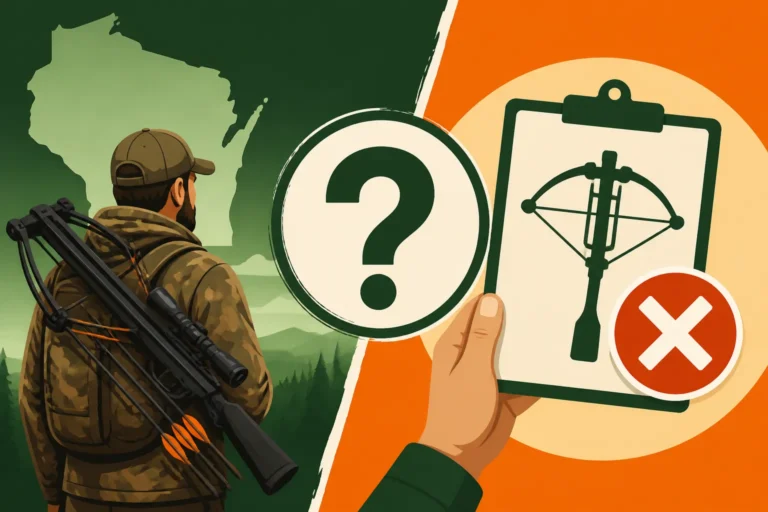
For many Wisconsin hunters, the question of crossbows has always been surrounded by a bit of confusion, and let's be honest, sometimes a fair amount of debate. What used to be a niche option or strictly for those with specific physical limitations has evolved significantly, leaving many wondering what the actual rules are now. This guide aims to clear up all that ambiguity, offering a comprehensive look at the current Wisconsin regulations governing crossbow hunting, so you can confidently head into the woods with your preferred equipment.
The Evolution of Crossbow Hunting in Wisconsin
It wasn't that long ago that the idea of hunting with a crossbow in Wisconsin was met with a very different set of rules and attitudes. The hunting landscape, like any other aspect of our outdoor traditions, is always in motion, reflecting changes in technology, hunter demographics, and conservation goals. Understanding this evolution helps put the current regulations into perspective.
A Shifting Landscape for Hunters
For decades, the traditional vertical bow held a revered status, often seen as the pinnacle of archery hunting skill. Crossbows, while certainly archery equipment, were often relegated to a separate category, largely due to perceptions of their ease of use and perceived ballistic advantages. Initially, access to crossbow hunting in Wisconsin was quite restricted. You typically needed a specific permit that verified a physical disability preventing you from drawing and holding a traditional vertical bow. This created a distinct divide, and for many able-bodied hunters, crossbows simply weren't an option for general seasons.
This created a somewhat frustrating situation for many. Hunters who might have wanted to try a crossbow for various personal reasons—perhaps a less intense learning curve, or simply a different hunting experience—were locked out unless they met a very specific medical criteria. It led to a lot of questions about fairness and accessibility within the hunting community. The regulations, while well-intentioned to preserve certain traditions, ultimately created barriers for participation.
Why the Rules Changed: Accessibility and Opportunity
The shift away from these strict disability-only rules didn't happen overnight, but it was a thoughtful process driven by several factors. One of the primary motivations was to increase participation and retention in hunting. As populations age and lifestyles change, state wildlife agencies across the country, including Wisconsin's, have been looking for ways to make hunting more accessible to a broader audience. Crossbows, with their easier learning curve and reduced physical demands compared to traditional vertical bows, presented a clear pathway to achieve this.
By allowing all hunters, regardless of physical ability, to use crossbows during the archery season, Wisconsin broadened the appeal of bowhunting. It meant that someone new to hunting didn't have to spend years developing the muscle memory and strength required for a vertical bow, potentially shortening the time it takes to become proficient and ethical. It also meant that older hunters, or those with minor injuries that might make drawing a vertical bow difficult, could continue to participate in the archery season, extending their time in the woods. This move has been instrumental in helping to sustain hunter numbers, which is crucial for funding conservation efforts through license sales. It's about opening the door wider, not about diminishing the challenge or tradition for those who prefer vertical bows.
Current Wisconsin Crossbow Regulations Explained
Navigating hunting regulations can sometimes feel like trying to untangle a stubborn knot. When it comes to crossbows in Wisconsin, the good news is that the rules have largely simplified, opening up opportunities for a wider range of hunters. However, knowing the specifics is key to staying legal and making the most of your time afield.
Who Can Hunt with a Crossbow
The most significant change in Wisconsin's crossbow regulations is probably the answer to this question: virtually anyone can now hunt with a crossbow. Gone are the days of needing a special disability permit. If you hold a valid Archery or Crossbow hunting license, you are generally authorized to hunt with a crossbow for deer and other game for which it is legal. This shift was a game-changer, leveling the playing field and inviting more people to participate in the archery seasons.
This means if you're a seasoned vertical bowhunter looking for a new challenge or simply a different experience, a crossbow is now an option. If you're new to hunting altogether, a crossbow can offer a more approachable entry point into archery hunting, allowing you to focus more on hunting tactics and less on the strenuous physical demands of drawing a traditional bow. Similarly, if you're an experienced gun hunter curious about extending your time in the woods during the earlier archery season, a crossbow provides that opportunity. This broad accessibility has contributed to the growing popularity of crossbow hunting across the state.
When You Can Hunt with a Crossbow
Understanding the seasons is paramount. In Wisconsin, the crossbow season generally runs concurrently with the state's long archery season. This means you can typically use a crossbow from the archery season opener, usually in mid-September, all the way through the firearm deer season, and into the late archery season that often extends into early January. This extensive timeframe provides ample opportunity for hunters.
It’s important to note that while crossbows are allowed during the traditional archery season, the rules regarding blaze orange still apply during certain periods. Specifically, if you are hunting during the November nine-day gun deer season or during any special firearm hunt, such as the Wisconsin Youth Deer Hunt Rules or the Wisconsin Holiday Antlerless Hunt Dates, you must adhere to the blaze orange requirements, even if you are hunting with a crossbow. Always check the current regulations pamphlet for precise dates and any county-specific rules that might affect your hunt, as these can sometimes change.
Crossbow Licenses and Authorizations
To legally hunt with a crossbow in Wisconsin, you'll need the proper licensing. The primary license required is either an Archery license or a Crossbow license. When you purchase your hunting license through The Wisconsin Go Wild Licence System, you’ll typically have the option to choose which type of equipment authorization you prefer for your deer tag. Many hunters opt for an "Archery/Crossbow" license which covers both. This flexibility means you don't necessarily need a separate license if you switch between a vertical bow and a crossbow during the season.
Your general hunting license and your archery/crossbow authorization will then allow you to apply for or purchase deer tags (often referred to as harvest authorizations). These authorizations dictate whether you can take an antlered or antlerless deer, and in which deer management unit or zone. For instance, if you purchase an Archery/Crossbow license, you will receive a general archery deer harvest authorization, typically good for one antlered deer. You might also be able to purchase additional bonus antlerless tags depending on the management unit you plan to hunt. Always verify the specifics for Wisconsin Antlerless Harvest Authorizations and how they align with your chosen weapon, as regulations can vary.
Crossbow Specifics: What's Legal and What's Not
Just because you can use a crossbow doesn't mean any crossbow setup is legal, or that all accessories are fair game. Wisconsin has specific regulations governing the physical characteristics of the crossbow itself, the projectiles it shoots, and what you can attach to it. Understanding these details is crucial for ethical and legal hunting.
Equipment Requirements: What Your Crossbow Needs
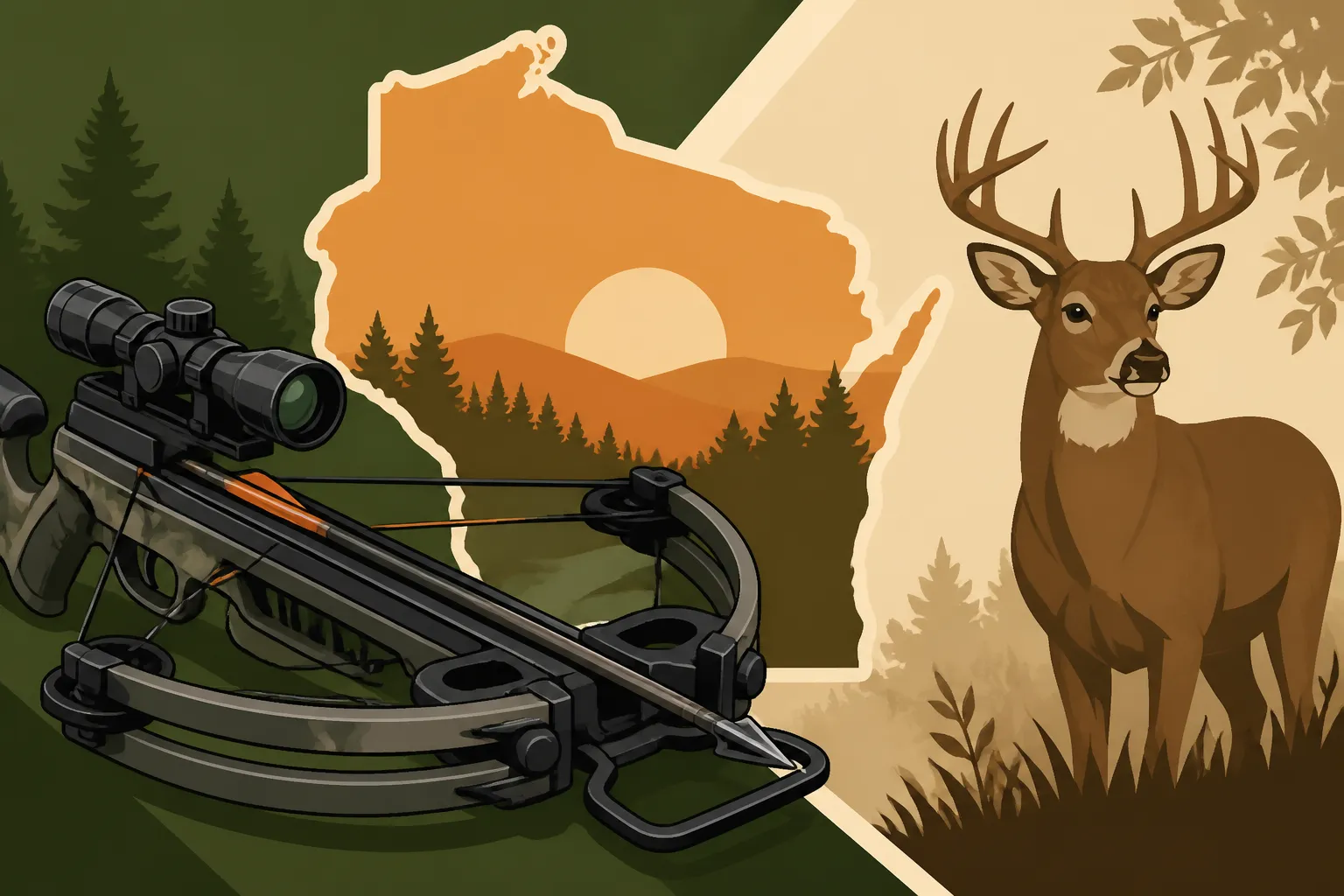
Wisconsin regulations are fairly straightforward when it comes to the crossbow itself. There isn't a minimum draw weight specified, which is common in many states for traditional bows. This means most commercially available hunting crossbows will meet the power requirements. However, there are rules around how it operates. A legal crossbow must be shouldered and designed to be fired from the shoulder. It also must have a working safety mechanism that automatically engages when the crossbow is cocked. This is a critical safety feature that protects both the hunter and those around them.
Furthermore, there are usually length requirements. While not overly restrictive, the intent is to ensure that the equipment remains within reasonable dimensions for hunting purposes. As for optics, scopes, including illuminated reticles, are generally permitted. Many crossbow hunters appreciate the precision offered by a good scope, especially in low-light conditions or when trying to distinguish legal game. Just be aware that certain electronic enhancements, like night vision or thermal imaging, are typically prohibited for hunting deer and most game animals, so always double-check those specific rules before outfitting your crossbow with advanced electronics.
Broadheads and Bolts: Ensuring Ethical Harvest
The bolt (the "arrow" fired from a crossbow) and its broadhead are critical for an ethical harvest. Wisconsin regulations typically specify that broadheads used for big game, like deer and bear, must be at least 7/8 inch wide at their widest point. This applies to both fixed-blade and mechanical (expandable) broadheads. The purpose of this minimum width is to ensure a sufficiently large cutting diameter to create a quick, humane kill. Mechanical broadheads are widely accepted, provided they meet the minimum cutting diameter when deployed.
It's equally important that your bolts are properly matched to your crossbow's draw weight and length. Using bolts that are too light or too heavy for your specific crossbow can lead to poor accuracy, reduced kinetic energy, and even damage to your equipment. While the regulations don't specify bolt weight, an ethical hunter will always ensure their setup is optimized for maximum accuracy and penetration. Also, make sure your broadheads are razor-sharp. A dull broadhead will lead to poor penetration and an increased chance of wounding an animal without recovering it.
Legal Accessories and Prohibitions
Modern crossbow hunting often involves various accessories designed to improve accuracy, safety, or convenience. Many of these are perfectly legal. Lighted nocks, for example, are allowed and incredibly helpful for tracking your shot in low light or recovering bolts after a shot. They help confirm shot placement and simplify recovery. Quivers that attach to the crossbow or your body are also standard and legal. Rangefinders are also completely legal and highly recommended for precise shot placement, especially with a flatter-shooting crossbow where range estimation can be critical.
However, certain accessories are off-limits for hunting in Wisconsin. As mentioned, devices that project a light or laser onto the target are generally prohibited for most game, as are night vision and thermal imaging scopes. While some exceptions might exist for specific predator hunting, for deer and turkey, stick to traditional optics. Remote-controlled devices are also typically banned. Always be mindful of any devices that project light or significantly enhance vision in the dark, as these are usually restricted.
| Feature / Equipment | Crossbow | Vertical Bow | Firearm (Rifle/Shotgun) |
|---|---|---|---|
| Learning Curve | Low-Medium | High | Medium |
| Physical Demand | Low | High | Low |
| Effective Range | 20-70 yds | 20-50 yds | 100-300+ yds |
| Accuracy | High | High | Very High |
| Recoil | Minimal | None | Medium-High |
| Legal Seasons | Archery/Gun | Archery/Gun | Gun (specific only) |
Practical Considerations for Wisconsin Crossbow Hunters
Beyond the legalities, there are practical aspects every crossbow hunter in Wisconsin should consider to maximize success and ensure an ethical hunt. The equipment might be different, but the core principles of scouting, strategy, and shot execution remain paramount.
Stand Placement and Shot Distances
Crossbows offer a flatter trajectory and often greater accuracy at slightly longer distances than many vertical bows, but they are still inherently short-range weapons compared to a rifle. This means your stand placement strategies need to reflect that. In dense Wisconsin hardwoods or thick cedar swamps, where shots might be limited to 30-40 yards, a crossbow excels. However, hunting wide-open ag fields or long pipeline clearings might put you beyond the ethical range of your crossbow, even if you can hit a target further out.
When setting up a Treestand Setups in Wisconsin Hardwoods or deploying a Using a Ground Blind on Wisconsin Public Land, think about typical shot opportunities. Look for natural funnels, pinch points, or food sources where deer are likely to pass within 40-50 yards. While a crossbow might be capable of a 60-yard shot, conditions in the field—like an excited animal, subtle deflections from brush, or wind—can make such distances highly risky. Aim for closer shots, and scout extensively using tools like a GoHunt subscription to identify key terrain features and travel corridors. This type of mapping software can also help you understand elevation changes, which are especially critical when Reading a Ridge Point for Deer Movement in the Driftless Area, impacting both shot angle and deer movement.
Practice and Proficiency: Beyond the Rules
One of the common misconceptions about crossbows is that they require less practice than a vertical bow. While the learning curve to become proficient might be shorter, achieving mastery and consistent ethical shot placement still demands regular practice. A crossbow is a tool, and like any tool, its effectiveness depends on the skill of the operator. Don't fall into the trap of thinking you can just pick it up once a year and be ready for opening day.
Regular target practice at various distances, from 20 to 60 yards, is crucial. Practice shooting from different positions—standing, kneeling, from a tree stand, and from a ground blind—mimicking real hunting scenarios. Understand how your crossbow performs in varying weather conditions, particularly how wind might affect bolt flight. Familiarize yourself with the feel of the trigger, the sound of the shot, and the proper follow-through. Ethical hunting isn't just about legality; it's about making the cleanest kill possible, and that comes from dedicated practice.
Understanding Public Land Restrictions
Wisconsin boasts a substantial amount of public hunting land, from county forests to national forests and state wildlife areas. While crossbows are legal on most of this land, it's vital to be aware of any specific restrictions that might apply. For instance, while you can often leave a stand overnight on public land, there are usually rules about how it must be marked and for how long. Similarly, baiting regulations can vary significantly, especially if you're in a county with a CWD baiting ban. You'll need to know Hunting Deer Without Bait in Wisconsin if you find yourself in one of these zones.
Tools like GoHunt or the Wisconsin Public Access Lands Maps are invaluable here. They allow you to pinpoint public land boundaries, identify land ownership, and often highlight special regulations for specific parcels. Before heading out, always consult the Wisconsin DNR's current regulations for the specific area you plan to hunt. Some state parks or refuges might have limited hunting opportunities or require special permits, even if they are technically public land. Being prepared with knowledge of the local rules ensures a smooth and legal hunt.
Comparing Crossbows to Traditional Archery and Firearms
The introduction of crossbows into the general archery season has naturally sparked discussions about how they fit into the broader spectrum of hunting equipment. They occupy a unique space, offering some advantages over traditional bows while still differing significantly from firearms.
Crossbow vs. Vertical Bow: Advantages and Disadvantages
The debate of Crossbow Versus Vertical Bow in Wisconsin is a common one, and each has its merits. A primary advantage of the crossbow is its ease of use. It requires minimal physical exertion to cock and hold, making it accessible for hunters of all ages and physical conditions. The short learning curve means new hunters can become proficient faster, focusing more on shot placement and hunting strategy. Crossbows are also generally more accurate out of the box for many shooters, thanks to their stable platform and trigger release, often allowing for slightly longer ethical shots than a vertical bow for the average archer.
However, vertical bows offer a unique challenge and a deeper connection to the traditional art of archery. They are often lighter and more maneuverable in dense cover, and the drawing motion can be smoother and quieter than the mechanical cocking of a crossbow. For many, the personal satisfaction derived from mastering a vertical bow is immense. Crossbows can be bulkier and sometimes noisier to cock in the field, which can be a disadvantage in close-quarters hunting. The choice often comes down to personal preference, physical capability, and the type of hunting experience you're seeking.
Crossbow vs. Firearm: Bridging the Gap
Crossbows often bridge the gap between traditional archery and firearms in terms of effective range and power. While they can shoot further and flatter than a vertical bow, they still lack the range, energy, and bullet velocity of a firearm. This means that while a crossbow might extend your ethical shot distance a bit, you're still fundamentally hunting in a similar close-range fashion as a vertical bowhunter, requiring careful stalk, calling, or stand placement.
Firearms, especially modern rifles, offer significantly greater range and kinetic energy, allowing for clean kills at much longer distances. This fundamentally changes hunting tactics, often favoring spotting and stalking or hunting larger, more open areas. The firearm seasons in Wisconsin also have different Wisconsin Blaze Orange and Pink Rules and specific legal shooting hours. Crossbows, while allowing for some of the convenience of a firearm's aim and trigger, still require the hunter to get much closer to the animal, maintaining an archery-style challenge. They offer a unique middle ground, allowing hunters to extend their season and enjoy a different form of hunting that sits comfortably between the two traditional methods.
The Future of Crossbow Hunting in Wisconsin
The trend toward greater accessibility for crossbows seems likely to continue in Wisconsin. With their proven role in hunter recruitment and retention, crossbows have become a firmly established part of the hunting landscape. Discussions may arise regarding potential rule adjustments, perhaps around specific weapon definitions or season structures, but the general allowance for crossbows is well-entrenched.
As technology advances, crossbows may become even more efficient and user-friendly, pushing the boundaries of what's possible in the archery season. However, conservation agencies will always balance these advancements with the principles of fair chase and ethical hunting. For now, crossbow hunters in Wisconsin can feel confident in their choice of equipment, knowing they are part of a growing community, enjoying the long seasons and diverse landscapes Wisconsin has to offer.
Disclaimer
This article is for general informational purposes only and does not constitute professional advice. Laws, prices and regulations vary by location and change over time. Consult a qualified professional for guidance on your specific situation.