Wisconsin Pheasant Numbers Today
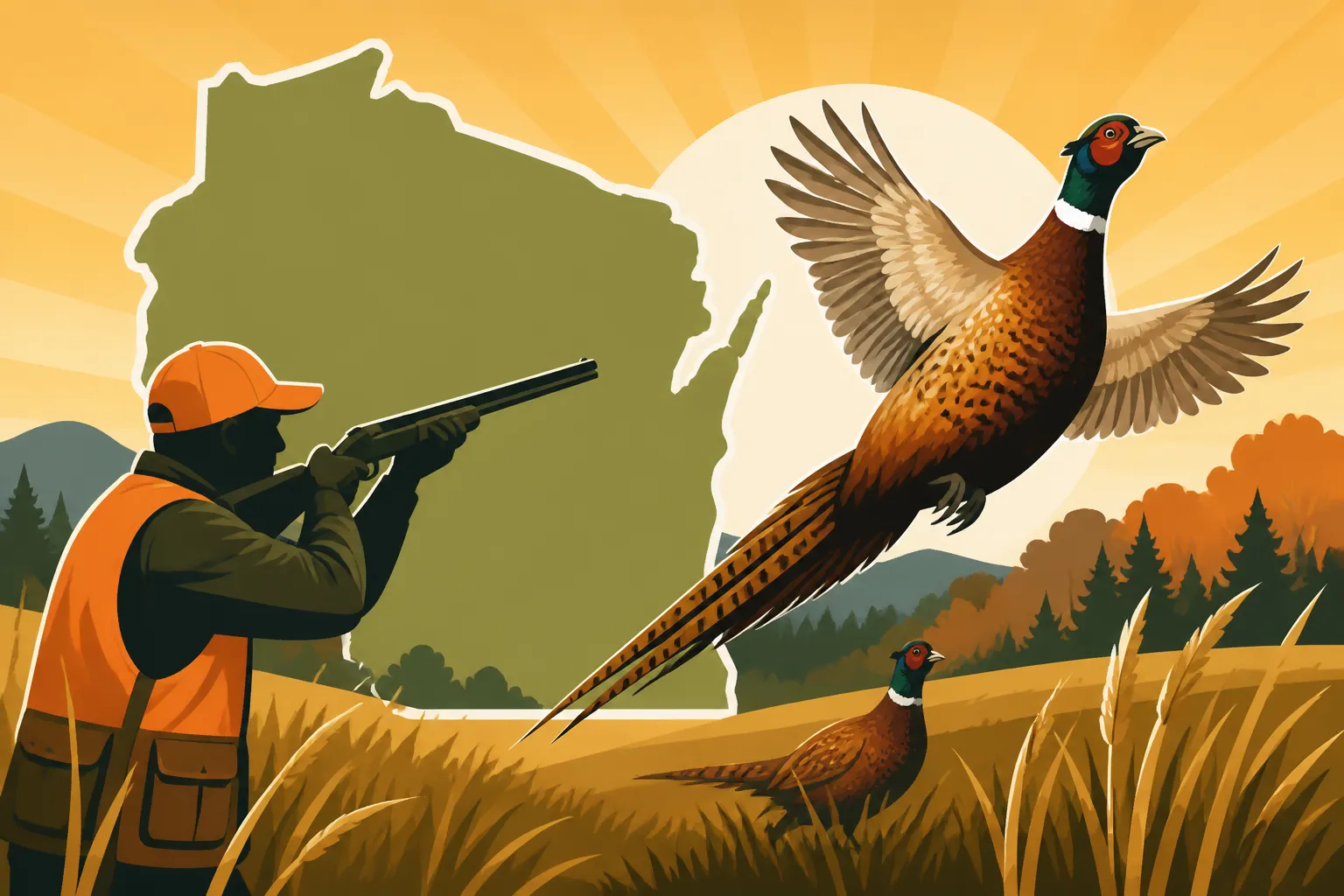
It’s a question on the minds of many upland hunters across the state: what's the deal with Wisconsin's pheasant numbers these days? If you've spent any time chasing these beautiful birds, you've probably noticed that seeing a true wild pheasant flush can feel like hitting the lottery. This guide is here to dig into the reality of pheasant populations in Wisconsin, explore the challenges they face, and discuss what it means for hunters like us.
The Reality of Wisconsin's Pheasant Populations: A Hunter's Perspective
For many of us who grew up in Wisconsin, or heard tales from older generations, the idea of pheasants conjures images of vibrant wild birds busting out of CRP fields or sprawling fencerows. The truth is, things have changed pretty dramatically over the decades. Today, wild pheasant populations, while still present in pockets, are a shadow of their former glory. This can be a tough pill to swallow, especially when you remember or hear about those banner years. It’s frustrating to put in the miles with your dog, knowing the odds of a truly wild bird are slim.
The reality is complex, stemming from a perfect storm of environmental shifts and agricultural practices. When we talk about "pheasant numbers today," we're really talking about a mix of remnant wild birds clinging to existence in specific habitats and a significant population sustained through robust stocking programs. While some states might boast widespread wild bird numbers, Wisconsin's situation is more nuanced, requiring hunters to be strategic and adaptable. The distribution of these birds, both wild and stocked, is heavily tied to the available habitat, which is often fragmented and under pressure. If you're looking for where the wild birds might be, it usually comes down to finding that precious, unfragmented grassland and wetland edge habitat. It's often concentrated in specific regions, and even then, it's a constant struggle for them to thrive.
Wild Versus Stocked Pheasants: Understanding the Difference
It’s crucial to understand the distinction between a truly wild pheasant and a stocked bird, as it heavily influences both hunting strategy and the overall population picture. Wild pheasants are the descendants of birds that have lived and reproduced in their natural habitat, adapting to local conditions, avoiding predators, and finding food sources without human intervention beyond habitat management. They are typically much warier, fly stronger, and are often leaner and more colorful, having survived the rigors of the wild.
Stocked pheasants, on the other hand, are raised in game farms and released into public hunting grounds, usually just before or during the hunting season. These birds are released to provide hunting opportunities where wild populations are insufficient or absent. While they offer a fantastic chance to enjoy pheasant hunting, they often behave differently. They might be less wary of humans and dogs, might not fly as strong, and their survival instincts for the long term are often diminished compared to their wild counterparts. This means that while stocking boosts the number of pheasants available for hunting, it doesn't necessarily contribute to a self-sustaining wild population that can weather Wisconsin's harsh winters and evade predators year-round. This distinction is vital for setting realistic expectations when you head out into the field. You can learn more about how the state manages these efforts in The Wisconsin Pheasant Stocking Program.
Here's a quick look at some general differences you might observe:
| Feature | Wild Pheasant | Stocked Pheasant |
|---|---|---|
| Plumage | Often vibrant, rich, natural colors | Can appear duller, sometimes missing feathers |
| Behavior | Extremely wary, strong fliers, runs well | Can be less wary, may hold tight or flush weakly |
| Flight | Powerful, sustained flight | Often shorter, weaker flight |
| Legs/Feet | Tough, calloused, strong | Softer, sometimes show signs of captivity |
| Condition | Lean and muscular | Can be heavier, less conditioned |
| Survival | Adapted for year-round survival | Lower long-term survival in the wild |
Habitat Loss: The Biggest Hurdle for Wild Pheasants in Wisconsin
If you're wondering why wild pheasant numbers are so challenging to come by, look no further than habitat loss. This isn't just a Wisconsin issue, but it's acutely felt here, especially in the prime agricultural regions where pheasants once thrived. The landscape has changed dramatically over the last 50 to 70 years, and these changes have directly impacted the ability of wild pheasants to find food, shelter, and nesting cover. This transformation of the land is probably the single biggest frustration for upland hunters, as it’s largely out of our control on an individual level. You can search tirelessly using mapping tools like GoHunt, but if the habitat simply isn't there, neither will the birds be.
Think about it: pheasants need specific types of cover to survive. They need dense, undisturbed grass for nesting in the spring, which also provides vital brood-rearing cover for chicks. They need thick, brushy fencerows, cattail marshes, or dense patches of switchgrass for winter cover, protecting them from harsh blizzards and predators. And, of course, they need reliable food sources like waste grain and weed seeds.
Agricultural Changes and Their Impact
Modern agriculture, while incredibly efficient for food production, has unfortunately been a detriment to these specific pheasant needs. The trend towards larger farms, cleaner farming practices, and the consolidation of fields has led to the removal of many of the features that pheasants once relied upon. For instance, gone are many of the small woodlots, brushy creek bottoms, and wide, weedy fencerows that used to crisscross the landscape. These "edge habitats" were incredibly important, providing transition zones for pheasants to move between different types of cover safely.
The push for maximizing every acre means fewer uncultivated areas. Crop rotations often leave fields barren for long periods, or immediately tilled after harvest, removing crucial winter food sources. Monoculture farming, focusing on single crops like corn or soybeans over vast areas, reduces biodiversity and limits the variety of food and cover available. Plowing right to the edge of fields eliminates critical nesting and escape cover. The widespread use of pesticides and herbicides also reduces the insect populations that pheasant chicks depend on for protein in their early weeks, and eliminates the "weeds" that produce valuable seeds. This relentless march of intensive farming has shrunk and fragmented the remaining good habitat, making it incredibly difficult for wild pheasants to find enough safe places to nest, raise young, and survive winter. This is also a significant factor in Pheasants and Wisconsin Farmland.
Wetland Drainage and Urban Sprawl
Beyond agricultural intensification, other forms of habitat destruction have taken their toll. Wisconsin, like many states, has seen significant wetland drainage over the past century to create more farmland or develop urban areas. Wetlands, particularly those with dense cattails and thick grasses, are absolutely vital for pheasants, especially for winter survival. They provide thermal cover, protection from predators, and often have reliable food sources nearby. When these wetlands are drained, a critical piece of the pheasant's survival puzzle disappears.
Furthermore, the expansion of towns and cities, often referred to as urban sprawl, encroaches on what little quality habitat remains. Farmland on the outskirts of growing communities, once prime pheasant country, is converted into housing developments, shopping centers, and roads. This not only destroys habitat directly but also further fragments existing areas, isolating small populations and making them more vulnerable to local extinctions. These combined pressures have created a landscape that is increasingly hostile to wild pheasant populations, pushing them into smaller, more isolated pockets where their long-term survival is constantly at risk. This is why it's so important for hunters to understand the value of every remaining piece of suitable habitat, especially those accessible on public land. For those interested in understanding land access, consider reading Wisconsin Public Hunting Land in Wisconsin.
Wisconsin's Pheasant Management: Stocking, Habitat & Hunter Contributions
Given the challenges wild pheasants face, the Wisconsin DNR and various conservation groups work tirelessly to support pheasant populations through a combination of habitat restoration, public land acquisition, and, importantly, a robust pheasant stocking program. It's a multi-faceted approach, and hunters play a vital role in funding and participating in these efforts. Without these concerted actions, the pheasant hunting opportunities we enjoy today would be even more scarce. When you’re looking to find these hunting opportunities, tools like the GoHunt app can be invaluable for identifying state-managed pheasant release areas or public lands with good habitat.
The Role of the Wisconsin Pheasant Stocking Program
Since wild populations can’t sustain the hunting pressure and provide enough birds for all interested hunters, Wisconsin has long relied on its pheasant stocking program to create opportunities. This program involves raising thousands of pheasants at game farms and releasing them onto public hunting grounds across the state. These release sites are carefully selected to ensure adequate habitat and public access. For many hunters, especially those in areas with little to no wild pheasant habitat, these stocked birds are the only chance they have to experience the thrill of a pheasant hunt.
The stocking program is a vital component of pheasant hunting in Wisconsin, providing an accessible experience for new hunters, youth hunters, and seasoned veterans alike. It allows for predictable hunting opportunities and helps to distribute hunting pressure, making the most of available public lands. While these birds may not have the same "wild" characteristics, they fulfill a crucial role in maintaining hunting traditions and supporting local economies through hunting tourism. Knowing The Wisconsin Pheasant Stocking Program and its schedule is essential for planning a successful hunt.
Habitat Restoration and Conservation Efforts
Beyond stocking, significant efforts are dedicated to restoring and creating quality pheasant habitat. This often involves working with private landowners and managing public lands to provide the necessary nesting, brood-rearing, and winter cover. Programs like the federal Conservation Reserve Program (CRP) incentivize landowners to take marginal agricultural land out of production and plant it with grasses and other cover, which greatly benefits pheasants and other grassland birds. State-managed public lands, including wildlife areas and state forests, are actively managed to create and maintain ideal pheasant habitat.
This management can include prescribed burns, planting native grasses, creating food plots, and managing wetlands. Organizations like Pheasants Forever also play a critical role, focusing specifically on habitat initiatives through local chapters that work directly with landowners and public land managers. These habitat efforts are long-term investments, and they are the cornerstone of any hope for increasing self-sustaining wild pheasant populations. Hunters often contribute to these efforts directly through membership in conservation groups, or indirectly through the purchase of hunting licenses and pheasant stamps, which dedicate funds specifically to wildlife management and habitat work. Finding Where Wild Pheasants Remain in Wisconsin often means finding these actively managed areas.
Hunter Contributions and Ethical Practices
As hunters, we are critical to the future of pheasants in Wisconsin. Our license and stamp purchases directly fund the stocking program and much of the habitat work. But our contribution goes beyond money. Practicing ethical hunting, respecting private land, and being good stewards of the land are equally important. This includes adhering to season dates and bag limits, which you can find details on under Wisconsin Pheasant Season and Stamp.
Furthermore, supporting habitat initiatives, whether through volunteering or financial contributions to conservation groups, helps ensure that pheasants have a place to thrive. Many hunters also participate in the state's Mentored Hunting Program, introducing new individuals to the sport and instilling a love for conservation from a young age. While it can be frustrating to see lower wild bird numbers, understanding the management efforts and our role in them helps us appreciate the work being done and keeps the tradition alive for future generations. When exploring new areas, an app like GoHunt can help you identify public hunting lands that might have active pheasant management or stocking programs.
Hunting Pheasants in Wisconsin Today: Strategies for Success
Okay, so we've talked about the challenges and the efforts to support pheasant populations. Now, let's get down to brass tacks: how do you actually hunt pheasants successfully in Wisconsin given the current situation? It’s true that you might not be walking through endless fields of wild birds, but with the right strategy, knowledge, and a good dog (if you have one), you can still have fantastic days afield. This requires a shift in mindset from expecting to find wild birds everywhere to strategically targeting areas where birds are either released or where remnant wild populations persist.
Targeting Stocked Areas
For many, stocked areas on public lands are the most consistent bet for pheasant hunting in Wisconsin. These locations are regularly maintained and birds are released throughout the season. The key to success here is often timing and strategy.
- Be Early or Late: The initial release dates often draw a crowd. If you can hunt right after a release, you might find more birds, but also more competition. Alternatively, hunting later in the week after a release, when the initial rush has passed, can also be productive. Some birds will have dispersed or become warier, making it more challenging but also more rewarding.
- Hunt Thick Cover: Stocked pheasants, while sometimes less wary, still seek thick cover for protection. Don't be afraid to push through dense cattails, brushy draws, or heavy switchgrass. These are the places where birds will hold tight.
- Use Your Dog (or a Friend's!): A good bird dog is invaluable in stocked pheasant hunting. They can root out birds holding tight, retrieve downed birds in thick cover, and make the experience much more efficient and enjoyable. If you don't have a dog, consider hunting with friends to cover more ground and flush birds.
- Check DNR Websites: The Wisconsin DNR often posts schedules for pheasant releases on specific public lands. This information is gold for planning your hunts. Tools like GoHunt can layer this information with public land maps, helping you pinpoint likely areas.
Finding Wild Bird Pockets
While less common, finding wild pheasant pockets is incredibly rewarding. These hunts are more about scouting, understanding habitat, and often covering more ground.
- Focus on Prime Habitat: Look for areas with a mosaic of habitat: dense nesting cover, winter thermal cover (like wetlands or dense brush), and nearby food sources (like waste grain or weedy fields). These are often found in areas with less intensive agriculture or where conservation programs are actively managing land for wildlife. This might include exploring specific parcels found by using mapping systems and checking things like What MFL Open Land Allows You to Do.
- Study Maps: Use topographical maps, aerial photos, and online mapping tools (like GoHunt) to identify these critical habitat components. Look for uncultivated field edges, creek bottoms, marshy areas, and dense fence rows. Look for clues like un-mowed areas, old farmsteads, or areas where fields transition to woodland.
- Walk the Edges and Transitions: Wild pheasants are often found along the edges where different habitat types meet. Walk slowly and deliberately, paying attention to areas that offer both cover and escape routes.
- Be Patient and Persistent: Wild birds are smart and elusive. It might take several outings to find a good spot, but the reward of flushing a wild rooster is worth the effort. Consider exploring areas discussed in Hunting Wisconsin Farmland Deer as these agricultural landscapes also hold the key to where pheasants might be found.
Ultimately, pheasant hunting in Wisconsin today is about adapting to the landscape we have. It means appreciating the opportunities provided by stocking programs and celebrating every wild flush you encounter. It’s about being a diligent scout and a persistent hunter.
Disclaimer
This article is for general informational purposes only and does not constitute professional advice. Laws, prices and regulations vary by location and change over time. Consult a qualified professional for guidance on your specific situation.