Wisconsin Cottontail Population Trend
It's easy to take cottontail rabbits for granted in Wisconsin, as they seem to be everywhere, munching away in our backyards and darting across rural roads. But for many of us who cherish the tradition of small game hunting or simply love seeing these lively creatures, there's a real curiosity about their overall well-being. Are their numbers holding strong, or are they facing unseen challenges? This guide will dive deep into the nuanced trends shaping Wisconsin's cottontail population, helping you understand the complex factors behind their ebb and flow, and what it means for hunters and conservationists alike.
The Elusive Numbers: What's Happening with Wisconsin's Cottontails?
Understanding the precise population trend of any small game species, especially one as widespread and rapidly reproducing as the cottontail rabbit, can be surprisingly difficult. Unlike larger game like deer or bear, where detailed harvest registration and intensive surveys are standard, cottontail numbers are often inferred through a combination of hunter harvest reports, roadside surveys, and general habitat assessments. This means we're often looking at a mosaic of clues rather than a single, crystal-clear picture.
Historically, cottontails have been incredibly resilient across Wisconsin's diverse landscapes, adapting to everything from dense northern forests to sprawling southern farmlands. They are generalists, meaning they can thrive in a variety of environments as long as adequate food and cover are present. However, "resilient" doesn't mean "invulnerable." Over the decades, Wisconsin has seen shifts in agricultural practices, increased urbanization, and changes in land management that inevitably impact these small mammals. Many seasoned hunters will tell you their local cottontail hotspots aren't quite what they used to be, while others might report seeing more bunnies than ever in newly developed brushy areas. This anecdotal evidence points to a patchwork of trends, with localized booms and busts that don't always reflect a statewide average.
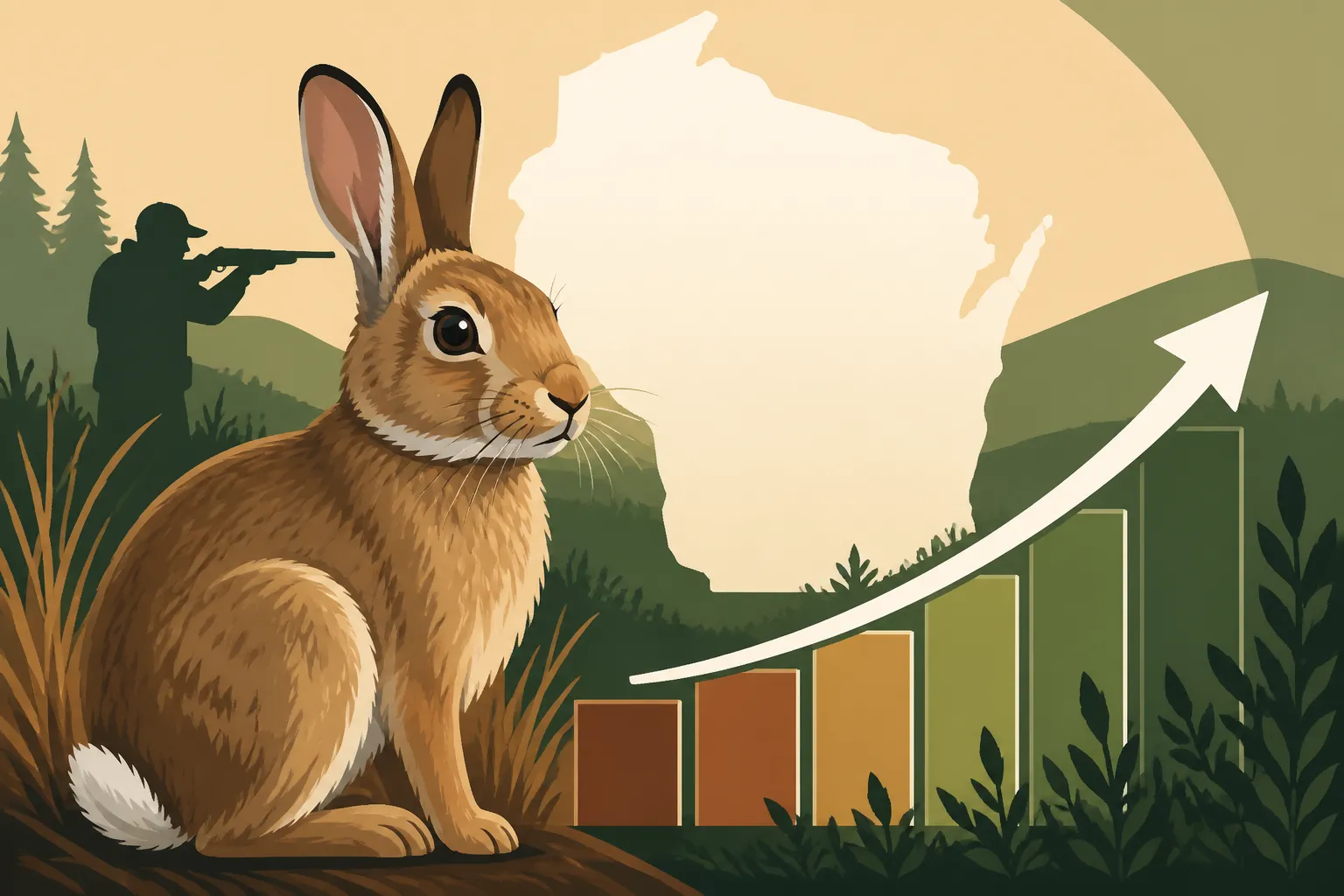
The Wisconsin Department of Natural Resources (DNR) does monitor cottontail harvest data, which offers one of the most consistent long-term indicators. While harvest numbers aren't a direct count of the population, significant declines or increases in the annual take often correlate with population changes. What we often see is a general stability, punctuated by years where environmental factors lead to noticeable upticks or downturns. For instance, a mild winter followed by a productive spring can lead to multiple successful litters, boosting numbers, while a severe winter coupled with heavy predation might cause a dip. It’s a constant dance between environmental pressures and the rabbit’s incredible reproductive capacity.
Decoding the Decline and Resurgence: Factors Influencing Cottontail Populations
When we talk about what drives cottontail population trends in Wisconsin, it's rarely one single factor. Instead, it's a dynamic interplay of habitat, weather, predation, and disease. Each element contributes to the overall health and density of local rabbit populations.
Habitat Loss and Fragmentation
Perhaps the most significant long-term challenge for cottontails, and indeed many small game species, is habitat alteration. Cottontails thrive in what's often considered "edge habitat" – the transitional zones between open fields and dense cover. Think hedgerows, brush piles, overgrown fence lines, old farmsteads, and the edges of timber stands. These areas provide the perfect blend of food sources (grasses, forbs, clover, bark in winter) and crucial escape cover from predators.
Over the years, modern agricultural practices have often removed these vital edge habitats. Fields are tilled right up to the property line, fence rows are cleared, and brushy corners are converted to tillable land. Urban sprawl also plays a role, gobbling up prime rabbit habitat with new housing developments, roads, and commercial areas. Even in forested regions, changes in timber management can reduce the dense, low-growing cover that rabbits rely on for shelter and nesting. When habitat becomes fragmented, it isolates populations, making them more vulnerable to localized threats and less able to recover quickly. Hunters looking to find rabbits often rely on tools like GoHunt or other mapping apps to identify these crucial habitat features, like brushy draws or old clearcuts, which can be easily overlooked from a road.
Predation and Disease
Cottontails are a fundamental part of the food chain, meaning they have a long list of natural predators. Foxes, coyotes, bobcats, hawks, owls, and even domestic cats and dogs regularly prey on rabbits. While a healthy predator population is natural and keeps prey animals strong, localized imbalances can put extra pressure on cottontail numbers. For example, a sudden increase in coyote numbers in an area with declining rabbit cover could have a noticeable impact.
Disease can also play a significant, though often unseen, role. Tularemia and Pasteurellosis are two common bacterial diseases found in rabbits that can cause localized die-offs, especially in dense populations or during stressful environmental conditions. Epizootic hemorrhagic disease (EHD), while primarily known for its impact on deer, can also affect rabbits. The DNR does monitor Wisconsin Wildlife Disease Monitoring, but it's hard to get precise numbers on disease-related cottontail mortality given their widespread nature and short lifespan.
Weather Extremes and Reproduction Rates
Wisconsin weather is famously variable, and these fluctuations have a direct impact on cottontail reproduction and survival. Cottontails are prolific breeders, capable of producing multiple litters of 3-8 young per year, starting as early as March and continuing through late summer. This high reproductive rate is their primary strategy for dealing with high mortality from predators, disease, and weather.
However, severe weather can throw a wrench in this strategy. Harsh, prolonged winters with deep snow can make foraging difficult and increase exposure to predators. Late spring freezes or heavy, cold rains can decimate early litters, setting back the entire breeding season. Conversely, mild winters and moderate springs often lead to excellent survival rates for young rabbits and multiple successful breeding cycles, resulting in noticeable population surges. Hunters often observe these fluctuations year-to-year, understanding that a good "rabbit year" often follows favorable weather conditions.
Here's a quick look at some of the primary factors influencing cottontail populations:
| Factor | Impact on Population | Primary Mechanism | Severity of Impact |
|---|---|---|---|
| Habitat Loss | Negative (long-term decline) | Reduces food, cover, nesting sites; fragments populations | High |
| Predation | Negative (constant pressure) | Direct mortality | Moderate to High |
| Disease | Negative (localized die-offs) | Direct mortality, weakens animals | Variable |
| Severe Weather | Negative (seasonal decline, reproductive impact) | Exposure, reduced food, increased mortality of young | Moderate |
| Favorable Weather | Positive (seasonal increase) | Increased survival of young, multiple successful litters | Moderate |
| Agricultural Change | Variable (often negative) | Removal of edge habitat, pesticide use | Moderate |
Hunting the Hopper: Navigating Seasons, Regulations, and Success
Cottontail hunting has long been a cherished tradition in Wisconsin, often serving as an entry point for new hunters or a way to extend time afield after deer seasons close. The relatively long Wisconsin Small Game and Furbearer Seasons for rabbits reflects their robust nature and generally stable populations. Typically, the cottontail season runs from September well into the winter months, allowing ample opportunity to pursue them. The bag limits are usually quite generous, indicating that hunting pressure, while a factor, isn't generally seen as a primary driver of statewide population trends.
For hunters, understanding the cottontail population trend means adjusting tactics and expectations. In areas where rabbits are abundant, you might find success simply still-hunting slowly through brushy cover or working with a beagle to flush them out. Where numbers are lower, it becomes more about careful scouting and focusing on prime pockets of remaining habitat. Many hunters consult detailed mapping platforms, like the GoHunt app, to pinpoint dense cover, old farm machinery piles, or bramble thickets that might hold rabbits. These tools are invaluable for efficient scouting, especially on large tracts of Public Hunting Land in Wisconsin.
A common strategy, particularly in winter, involves walking out brushy draws, field edges, and old fencerows. Snow cover can make tracking easier and often reveals areas of heavy rabbit activity, but deep snow can also make it harder for rabbits to move and forage, concentrating them in specific areas of accessible food and cover. Many hunters enjoy Rabbit Hunting Thick Wisconsin Brush precisely because it challenges them to navigate dense cover while keeping an eye out for a quick flush. It’s not just about the numbers; it's about the experience and the skills honed in pursuit of these quick little animals.
It's crucial for hunters to stay informed about current Small Game Seasons and Bag Limits and any local regulations. While statewide populations may be generally stable, local conditions can vary, and being a responsible hunter means adhering to all rules and taking only what you need. Small game hunting is an excellent way to introduce new participants, including youth, to the outdoors, often under Wisconsin Hunter Safety and Mentored Hunting guidelines, which encourage responsible and ethical practices from the start.
Beyond the Shotgun: Contributing to Healthy Cottontail Futures
For those who care about Wisconsin's cottontail rabbits, whether you hunt them or simply appreciate their presence, there are tangible ways to contribute to their long-term health and stability. Conservation isn't just about large, charismatic megafauna; it's about the entire ecosystem, including the humble cottontail.
One of the most impactful things individuals and landowners can do is focus on habitat improvement. Even small efforts can make a big difference. This includes creating or maintaining brush piles, planting native shrubs and dense grasses for cover, and leaving un-mowed strips along field edges or in corners of yards. For agricultural producers, participating in conservation programs that encourage the establishment of buffer strips, hedgerows, or conservation tillage can provide invaluable rabbit habitat. These types of initiatives don't just benefit cottontails; they support a wide array of other small game and non-game wildlife, improving biodiversity across the landscape. Utilizing resources like GoHunt to understand your land's current habitat and potential for improvement can be a great starting point for such projects.
Community involvement is another powerful tool. Supporting local conservation groups, participating in habitat workdays on public lands, or even simply reporting wildlife sightings (including perceived declines or increases) to the DNR helps gather more comprehensive data. While the DNR manages large tracts of public land like state wildlife areas and county forests, the cumulative effort of private landowners is essential. Understanding land use patterns and how they connect with areas of Hunting Pressure on Wisconsin Public Land can also inform local management strategies, ensuring both hunter access and wildlife well-being.
Finally, responsible hunting itself is a form of conservation. By adhering to regulations, practicing ethical harvesting, and supporting wildlife agencies through license purchases, hunters directly fund habitat management and research that benefits cottontails and all Wisconsin wildlife. The future of cottontails in Wisconsin, like many species, hinges on a continued commitment to understanding their needs and actively working to maintain and enhance the diverse habitats they rely on.
Disclaimer
This article is for general informational purposes only and does not constitute professional advice. Laws, prices and regulations vary by location and change over time. Consult a qualified professional for guidance on your specific situation.