Where Wild Pheasants Remain in Wisconsin
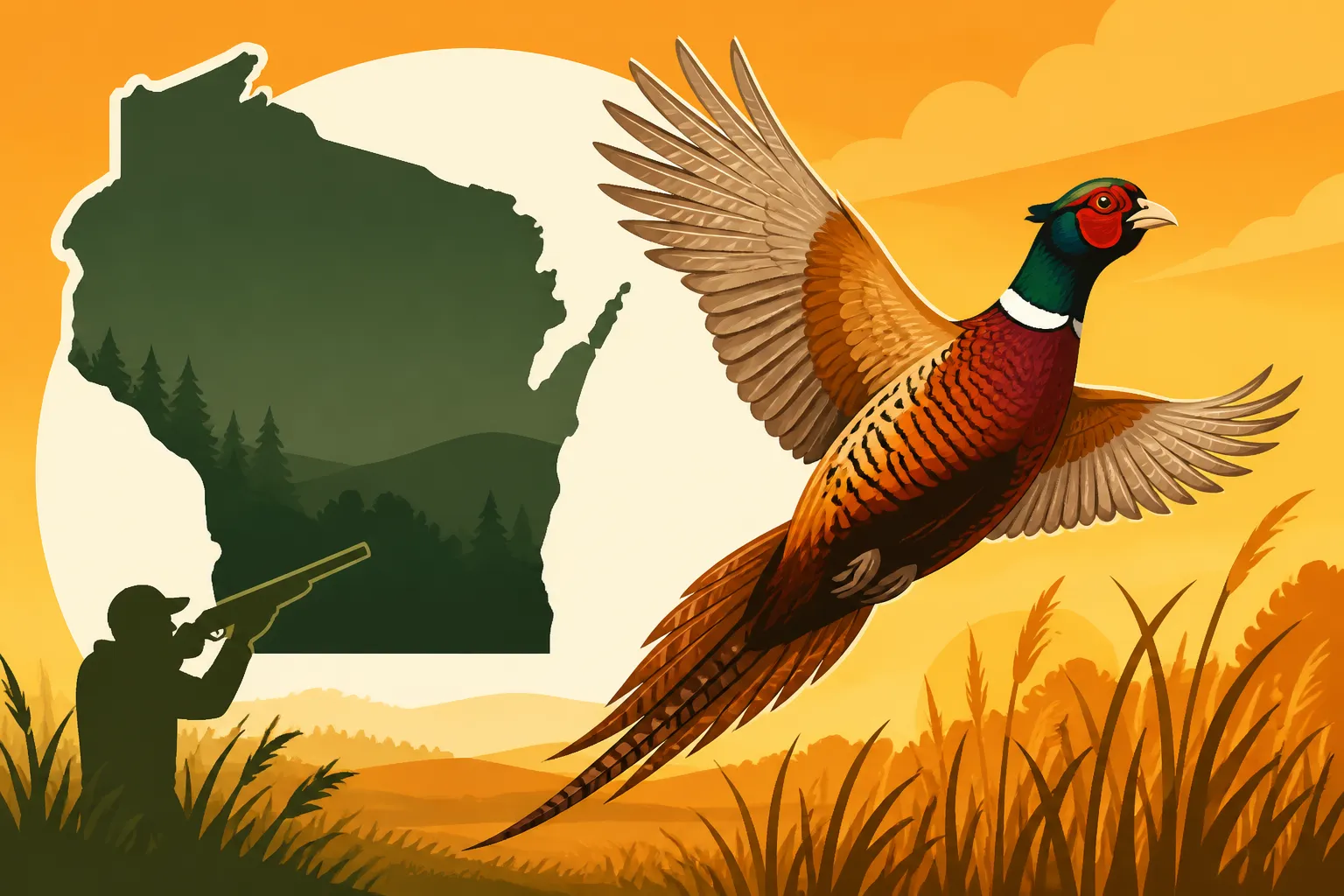
For many Wisconsin hunters, the thought of flushing a wild pheasant evokes a sense of nostalgia and challenge that's increasingly hard to come by. The days of roadside ditches brimming with cackling roosters seem to fade further into memory with each passing season, leaving many of us wondering if we'll ever experience that thrill again. This comprehensive guide is here to shed light on where truly wild pheasants still persist in Wisconsin, what conditions they need to thrive, and how you can increase your chances of finding them, even in an era dominated by put-and-take hunting.
The Elusive Wild Pheasant in Wisconsin
Let's be honest: finding a truly wild pheasant in Wisconsin these days feels like hitting the lottery. There's a distinct difference between the adrenaline surge of a strong, fast-flying wild rooster erupting from dense cover and a pen-raised bird that might barely clear the fence. The challenge and reward of a wild bird are unparalleled, and it’s why so many of us continue the quest. But what happened to these magnificent birds, and why are they so much harder to find now?
Why Wild Pheasant Numbers Have Declined
The decline of wild pheasant populations in Wisconsin isn't a mystery; it's a story told across much of the Midwest, primarily driven by dramatic shifts in agricultural practices and habitat loss. Decades ago, smaller farms with diverse crop rotations, hayfields, and weedy fence rows provided a patchwork quilt of ideal pheasant habitat. Roosters and hens had everything they needed: nesting cover in hayfields, brood-rearing cover in pastures and crop edges, and winter thermal cover in brushy draws and cattail marshes.
Today, however, the landscape is largely dominated by vast monocultures of corn and soybeans. Fields are tilled right to the edge, herbicides eliminate vital weeds and insects for chicks, and fewer livestock mean fewer pastures and hayfields. The large equipment used today leaves very little "edge" habitat where pheasants can hide and forage. This relentless push for efficiency in farming has inadvertently squeezed wild pheasants out of their traditional strongholds. Coupled with increased predation pressure from animals like coyotes and raccoons, which thrive in fragmented landscapes, the wild pheasant faces an uphill battle for survival. It's a tough reality for hunters who remember the good old days, and it underscores just how precious those remaining pockets of wild birds truly are.
The Difference Between Wild and Stocked Birds
If you've spent any time chasing pheasants in Wisconsin, you've likely encountered both wild and stocked birds. The distinction isn't just a matter of semantics; it fundamentally changes the hunting experience. A wild pheasant is a master of its environment. They're wary, quick to flush, and incredibly strong flyers, often holding tight in the nastiest cover imaginable until you're right on top of them. When they burst out, they fly with purpose, often putting distance between themselves and the hunter at an astonishing rate. Successfully bringing down a wild rooster feels like a true accomplishment, earned through diligent scouting and hard hunting.
Stocked birds, on the other hand, are bred in captivity and released specifically for hunting pressure. While they provide fantastic opportunities for many hunters, especially those new to the sport or without access to prime wild bird habitat, their behavior is noticeably different. They tend to be less wary, often flushing closer or even running more predictably. Their flight can sometimes be slower or less determined than their wild counterparts. While still fun, the challenge isn't quite the same. Understanding this difference is key to appreciating why hunting for those truly wild, self-sustaining populations is such a cherished pursuit. It’s about the raw, untamed nature of the hunt.
Hotbeds of Remaining Wild Pheasant Populations
Despite the widespread decline, wild pheasants haven't vanished entirely from Wisconsin. They persist in specific regions where habitat conditions still align with their needs, often where farming practices haven't completely eliminated critical cover. These areas are not always easy to find, and they certainly aren't overflowing with birds, but for the dedicated hunter, they offer a genuine chance at a wild rooster.
Focus on Southwestern and East-Central Wisconsin
If you're looking for a higher probability of encountering wild pheasants, your best bets generally lie in southwestern Wisconsin's Driftless Area fringes and certain parts of east-central Wisconsin. These regions, while facing the same agricultural pressures, still retain a mosaic of landscapes that provide pheasants with a fighting chance.
In the Driftless Area, the rugged topography often means smaller, less intensively farmed fields. The numerous coulees and ridges create natural breaks in cultivation, leaving behind brushy draws, stands of native grasses, and uncultivated creek bottoms. These areas often have diverse cover, from switchgrass and tall forb fields to brushy fence lines that offer escape routes and winter thermal cover. Counties like Iowa, Grant, and Lafayette might still hold pockets, particularly on the edges of larger public lands or where private landowners actively manage for wildlife. The challenge here is finding contiguous habitat; it's often fragmented, requiring hunters to stitch together different pieces of cover.
East-central Wisconsin, particularly counties like Dodge, Columbia, and Fond du Lac, has historically been a pheasant stronghold. While much of it is now large-scale agriculture, there are still areas where wetlands, drainage ditches, and state-managed wildlife areas offer crucial sanctuary. The key here is often proximity to large cattail marshes, wet meadows, and diverse crop rotations that include hay or small grains. Areas with strong local conservation groups or active landowners who plant food plots and maintain native grass buffers tend to be your best bet. These regions often have a mix of public and private land, so understanding where you can legally access ground is paramount. Pheasants and Wisconsin Farmland are intrinsically linked, and where that farmland is managed thoughtfully, pheasants can persist.
Key Habitat Features to Look For
When you're out scouting, or even just driving through potential pheasant country, keep an eye out for these critical habitat features. Wild pheasants are masters of survival, and they gravitate towards specific types of cover that provide food, shelter, and protection from predators.
First and foremost, tall, dense grassy cover is non-negotiable. This includes native prairie grasses like switchgrass, big bluestem, and Indian grass, often found in CRP (Conservation Reserve Program) fields, state wildlife areas, or uncultivated field edges. This cover is vital for nesting hens in the spring and offers excellent escape cover during the hunting season. Look for fields that haven't been mowed or disturbed.
Cattail marshes and brushy wetlands are also gold mines, especially as the season progresses and temperatures drop. These provide essential thermal cover against harsh Wisconsin winters, protecting birds from snow and wind. They also offer excellent escape routes and often hold abundant insect life, which is crucial for pheasant chicks. Don't overlook the edges of these marshes, where they transition into uplands—these are prime loafing and feeding areas.
Brushy fence rows, woodlots, and thickets provide corridors for movement, loafing cover during the day, and additional protection. These aren't just for deer; pheasants will use them extensively, especially if they connect larger blocks of grassland or wetlands to food sources. Think about a dense multiflora rose thicket or a stand of wild plum connecting a cornfield to a slough.
Finally, food sources are critical. Unharvested corn, standing soybeans, or even patches of weedy fields rich in seeds are irresistible to pheasants. They'll often feed in these areas in the morning and evening, retreating to denser cover during the day. A perfect pheasant paradise would have all of these elements in close proximity: tall grass for nesting and escape, a thick marsh for winter cover, and an adjacent food plot or unharvested crop field. Identifying these habitat mosaics, even small ones, is key to finding where wild birds call home.
Hunting Strategies for Wild Pheasants
Hunting wild pheasants in Wisconsin is less about simply walking a field and more about strategic planning, careful observation, and a whole lot of patience. These aren't pen-raised birds that are easy to flush; these are survivors who know every trick in the book.
Scouting for Success
The old adage "you can't shoot a bird if it isn't there" rings especially true for wild pheasants. Pre-season scouting is paramount. Don't just show up on opening day hoping for the best. Spend time in the areas you've identified as potential hotbeds. Drive around, look for those key habitat features: undisturbed tall grass, cattail sloughs, and brushy fence rows adjacent to food sources.
Utilize tools like the Wisconsin DNR's Hunt Wild App or mapping services like GoHunt. These resources can be invaluable for identifying public land, understanding property boundaries, and scrutinizing aerial photos for subtle changes in cover that might hold birds. Look for areas where different cover types meet—these "edges" are natural travel corridors and holding spots. Scouting With the Wisconsin Hunt Wild App can help you pinpoint these promising areas even before you step foot out of your truck. Pay attention to ditches, creek bottoms, and unharvested field corners, which are often overlooked by other hunters. Look for tracks in the mud, droppings, and even shed feathers, which are clear signs of pheasant activity. The more information you gather beforehand, the less time you'll spend walking unproductive ground.
Tactics for Flushing Elusive Birds
Once you're on promising ground, your hunting tactics need to be methodical and persistent. Wild pheasants will run, often for hundreds of yards, before flushing, especially in thick cover.
- Walk Slow and Deliberate: Don't rush through cover. Take your time, allowing pheasants to feel pressured into holding tight or flushing rather than running ahead of you. Stop often; sometimes a brief pause is enough to make a nervous bird flush.
- Work the Edges and Corners: Pheasants love edges—the boundary between two different cover types, like a cornfield and a grassy ditch, or a marsh and a brushy fence line. Corners of fields, especially those with dense cover, are also prime spots where birds can feel trapped and be forced to flush.
- Utilize Blocking and Pushing: If you're hunting with a group, coordinate your approach. Have some hunters walk through the cover, pushing birds towards others positioned at the end or along escape routes. This is particularly effective in linear cover like ditches or long strips of grass.
- Bring a Dog (Preferably a Good One): A well-trained bird dog is almost essential for wild pheasants. Their keen nose can pinpoint birds that would otherwise be missed, and their ability to retrieve downed birds from thick cover is invaluable. A dog's enthusiasm and scenting ability can often convince a running bird to hold or flush when a human alone cannot.
- Focus on the Thickest Cover: Don't shy away from the nastiest, most overgrown patches. If it's hard for you to walk through, it's probably where the wild pheasants are hiding. Cattail marshes, dense dogwood thickets, and thorny multiflora rose are often ignored by less determined hunters, making them potential honey holes.
Remember, every wild pheasant flush is hard-earned. Persistence and adapting your tactics to the specific cover you're hunting are key.
Public vs. Private Land Opportunities
Navigating public and private land is a significant aspect of hunting wild pheasants in Wisconsin. While there are some excellent public land opportunities, many of the remaining wild birds reside on private property.
Public Land: Wisconsin boasts a commendable amount of public hunting land, including state wildlife areas, public hunting grounds, and some federal lands. Many of these areas are specifically managed for upland birds, often featuring extensive native grass plantings, food plots, and wetland restoration. Websites and maps, including those provided by the Wisconsin DNR and platforms like GoHunt, can help you locate these areas. The challenge on public land is often hunting pressure. Popular spots can see a lot of foot traffic, making birds even warier. To succeed on public ground, you often need to walk further, target less accessible areas, or hunt during off-peak times. Be sure to check area-specific rules, as some public lands might have special regulations regarding hunting methods or even require managed hunt drawings.
Private Land: This is where many of Wisconsin's remaining wild pheasants often find sanctuary, particularly on farms where landowners value wildlife or participate in conservation programs. Gaining access to private land can unlock incredible hunting opportunities. The golden rule here is always, always ask for permission. Knock on doors well before the season, introduce yourself, explain your intentions, and be respectful. Offer to help with chores, share some of your harvest, or simply be a good steward of their land. A sincere, polite approach often goes a long way. Getting Private Land Permission in Wisconsin is a skill that can open up a whole new world of hunting. Remember, "No" means no, and never trespass. Building a relationship with a landowner can secure you hunting access for years to come. Many private landowners are proud of the wildlife on their property and are more than willing to share it with respectful hunters.
| Region | Key Counties (Examples) | Primary Habitat Type | Hunting Challenge |
|---|---|---|---|
| Southwestern | Iowa, Grant, Lafayette, Crawford | Rugged coulees, small diverse fields, brushy draws | Fragmented habitat, steep terrain, private land access |
| East-Central | Dodge, Columbia, Fond du Lac, Green Lake | Large cattail marshes, wetlands, managed grasslands | High agricultural intensity, public land pressure |
| Other Pockets | Southern portions of Sauk, Richland, Dane | CRP fields, unharvested strips, creek bottoms | Very localized, often require extensive scouting |
Conservation Efforts and Future Outlook
The existence of any wild pheasants in Wisconsin is a testament to ongoing conservation efforts. While the challenges are immense, dedicated individuals and organizations are working tirelessly to maintain and even expand suitable habitat for these iconic birds.
Habitat Programs and Their Impact
Many of the places where wild pheasants still thrive are a direct result of various habitat programs. The Conservation Reserve Program (CRP), a federal initiative, pays farmers to take environmentally sensitive land out of production and plant species that improve environmental health and wildlife habitat. These fields, often planted with native grasses, become crucial nesting and brooding cover for pheasants. When researching potential spots, look for these CRP parcels on mapping apps or through county FSA offices; they are often prime pheasant holding areas.
Wisconsin's own Wildlife Areas and Public Hunting Grounds are also critical. The Wisconsin Department of Natural Resources (DNR) actively manages these lands, often with a focus on creating and maintaining diverse upland habitat. This includes prescribed burns to promote native grass growth, planting food plots, and restoring wetlands. Habitat Work on Wisconsin Wildlife Areas is a continuous effort that directly benefits pheasants and a host of other wildlife. Organizations like Pheasants Forever are also instrumental, working with landowners and agencies to fund and implement habitat projects, from creating grass buffers to planting shelterbelts. Their local chapters are often a wealth of information about local habitat conditions and active projects.
These programs, while sometimes appearing small-scale, collectively create a network of vital habitat corridors and strongholds that allow wild pheasants to persist. Without them, the picture would be much bleaker.
The Role of Hunters in Conservation
Hunters play an absolutely vital role in the conservation of wild pheasants, often without even realizing the full extent of their contribution. Every time you purchase a hunting license, stamp, or ammunition, a portion of that money goes directly into wildlife conservation through the Pittman-Robertson Act. These funds are then distributed to state wildlife agencies like the Wisconsin DNR, which use them for habitat acquisition, management, research, and law enforcement. Essentially, hunters are the primary funding source for wildlife conservation in the state.
Beyond financial contributions, many hunters actively participate in habitat projects. They volunteer their time with organizations like Pheasants Forever or local conservation clubs, helping to plant native grasses, cut brush, or maintain food plots. Educating landowners about the benefits of pheasant habitat, supporting farm policies that favor wildlife, and advocating for conservation funding are all ways hunters contribute to the future of these birds. The future of wild pheasants in Wisconsin depends heavily on the continued dedication of hunters, both financially and through hands-on effort. By supporting these efforts and prioritizing habitat over simply filling a bag, we can help ensure that the thrill of a wild rooster flush remains a part of Wisconsin's hunting heritage for generations to come.
Disclaimer
This article is for general informational purposes only and does not constitute professional advice. Laws, prices and regulations vary by location and change over time. Consult a qualified professional for guidance on your specific situation.