Porcupines and Wisconsin Timber Damage
There's nothing quite like the pride and long-term investment that comes with owning or managing timberland here in Wisconsin. You nurture those trees, watch them grow, envision their future value, and then suddenly, you start seeing the tell-tale signs of porcupine damage. It's a real punch to the gut when you find a beautiful pine or a valuable maple with huge patches of bark stripped away, knowing that if left unchecked, these seemingly docile creatures can cause significant economic losses and alter the very ecosystem you've worked so hard to cultivate. This guide is all about helping you understand why porcupines target our precious trees, how to identify their specific damage, and what practical steps you can take to protect your timber and maintain a healthy forest.
Understanding Porcupine Behavior and Their Impact on Wisconsin Forests
Porcupines, with their distinctive quills and lumbering gait, are a unique part of Wisconsin's wildlife. They're often seen as harmless, but for anyone managing timber, they can be a source of real frustration. Their dietary habits, especially during lean winter months, can lead to substantial and unsightly damage to various tree species.
What Makes Porcupines a Threat to Trees?
You might wonder why these animals are so fixated on eating tree bark. The simple truth is that porcupines are herbivores, and when other food sources become scarce, particularly in winter when snow covers ground vegetation, tree bark becomes a vital part of their diet. They don't just nibble on any old bark; they're after the cambium layer, which is the soft, nutrient-rich tissue just beneath the outer bark. This cambium layer is packed with sugars and starches, providing essential energy and nutrients when other options are limited. A porcupine’s strong incisors are perfectly adapted for peeling away the tough outer bark to reach this nutritious inner layer.
The problem arises because their feeding behavior often involves girdling, which means they chew a ring completely around the circumference of a tree. If a tree is girdled completely, it effectively severs the vascular system that transports water and nutrients from the roots to the leaves, inevitably leading to the tree's death. This isn't always intentional on their part, but it's a devastating consequence for the affected timber. They might return to the same tree over several days or weeks, systematically working their way around the trunk or a large branch.
Identifying Porcupine Damage vs. Other Critters
It's easy to mistake porcupine damage for that caused by other wildlife, like deer, rabbits, or even voles. However, there are distinct characteristics that give away a porcupine's work. Deer, for example, typically browse on twigs and buds, leaving a ragged tear due to their lack of upper incisors. Rabbits and voles will gnaw on young saplings closer to the ground, especially in winter when deep snow allows them access to higher points, leaving small, sharp tooth marks.
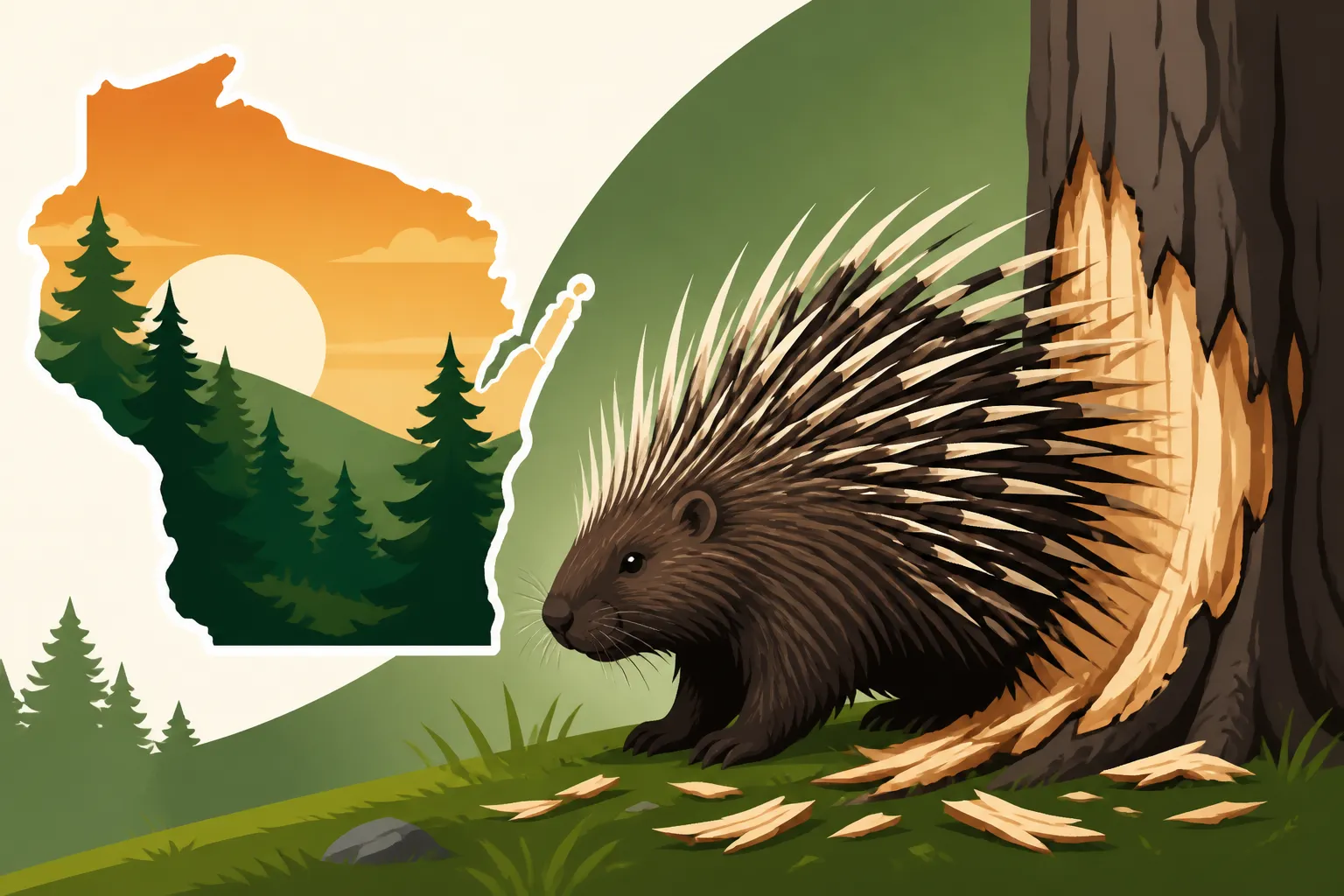
Porcupine damage, on the other hand, is usually higher up on the tree, often several feet off the ground, or on branches within the canopy. You'll see distinct, wide tooth marks (incisor marks) that are much larger and more deliberate than those left by smaller rodents. The bark will be stripped in large, irregular patches, and often, you'll find the gnawed-off bark fragments and wood chips at the base of the damaged tree. If you look closely, you might even spot their distinct, pellet-like droppings nearby, or even quills shed during their feeding activity. Another tell-tale sign is the damage often occurring on the upper trunk or main branches, where they can perch comfortably.
Targeted Trees and Preferred Feeding Habits
Porcupines aren't picky eaters when they're truly hungry, but they do have preferences. In Wisconsin, coniferous trees like pines, hemlocks, and spruces are often high on their menu, especially white pine. They seem to particularly relish the thicker, sweeter bark of these evergreens. However, they are certainly not exclusive to conifers. They will also target deciduous trees, including maple, oak, and birch, especially when these trees are younger and have thinner, more accessible bark. The specific species they target can vary depending on what's most available in a given woodlot and the time of year. For instance, in an area dominated by red pine, you'll likely see damage on red pines. In a mixed hardwood stand, they might show a preference for maple or aspen.
It's not just the trunk they target; they'll climb high into the canopy to access tender branch bark, sometimes even girdling branches, which can cause significant crown dieback even if the main trunk survives. This feeding behavior can lead to a patchwork of damage across a stand, often focusing on certain trees before moving to others. Knowing which species are most vulnerable in your woodlot can help you prioritize protection efforts.
The Extent of Timber Damage and Economic Concerns
The impact of porcupines on timber isn't just an aesthetic issue; it has tangible economic and ecological consequences, especially for those who rely on forests for income or long-term investment.
Financial Impact on Forest Landowners and Logging Operations
For forest landowners, whether they manage a small woodlot or a large commercial tract, porcupine damage translates directly into lost revenue. When a tree is girdled, its value plummets. It becomes unmerchantable for sawtimber or veneer, often only salvageable for firewood if caught quickly enough. Even if a tree isn't completely girdled, extensive scarring from partial girdling or repeated bark stripping can deform the trunk, leading to reduced lumber quality and significantly lowering its market price. Imagine a pristine stand of 60-year-old white pine, destined for high-value lumber, suddenly riddled with porcupine scars. That's years of growth and investment, literally chewed away.
Logging operations also feel the pinch. When crews are harvesting, damaged trees take more time and effort to process, reducing efficiency. They might need to leave behind valuable sections, or the damage might not be visible until the tree is felled and limbed, leading to unexpected losses. Furthermore, the overall health of the stand can be compromised, leading to slower growth rates and reduced timber yields in the future. This kind of widespread damage can significantly impact the long-term financial viability of a forest property. Understanding your property lines and what's happening on your land is crucial, and tools like the GoHunt app, while primarily for hunting, can sometimes offer mapping features useful for general land oversight, though specialized forestry maps are usually more robust for timber management.
Ecological Consequences Beyond Monetary Loss
Beyond the economic hit, porcupine damage has broader ecological implications. Dying trees, especially large ones, can alter forest structure and composition. While some deadwood is beneficial for wildlife, widespread tree mortality can create large gaps in the canopy, changing light conditions on the forest floor, which in turn affects understory vegetation and regeneration patterns. This can shift the balance of plant species, sometimes favoring invasive species over native ones.
Furthermore, weakened or dying trees are more susceptible to insect infestations and diseases. These secondary issues can then spread to healthy trees, escalating the problem far beyond the initial porcupine damage. For example, a tree stressed by girdling might become an easy target for bark beetles, potentially initiating an outbreak that affects a much larger area. This creates a cascade effect, weakening the entire forest ecosystem. Our forests are complex, and even seemingly localized damage can have ripple effects throughout the system, something we see with other wildlife concerns, like those discussed in Wildlife Diseases Wisconsin Hunters Watch.
Porcupines and Forest Regeneration Challenges
One of the most concerning long-term impacts of porcupine damage is on forest regeneration. Young trees, especially valuable seedlings and saplings, are particularly vulnerable to porcupine feeding because their bark is thinner and easier to access. When porcupines target these young trees, they can wipe out an entire cohort of future timber, making it incredibly difficult for the forest to naturally replenish itself. If specific valuable species are preferentially targeted, it can lead to a decline in their presence in the next generation of trees, altering the forest's long-term species composition.
This is especially critical in areas where forest managers are trying to encourage the growth of certain high-value species like oak or pine through planting or natural regeneration. A concerted effort to plant new trees can be undermined if porcupines decimate the young stands. This leads to increased costs for replanting or a complete failure to achieve management objectives. It's a real challenge to ensure successful regeneration when these prickly eaters are active, as timber cuts for regeneration, like those discussed in Timber Cuts and Where Deer Move After, can often create appealing, open areas with young, succulent growth that porcupines find very attractive.
Strategies for Mitigating Porcupine Timber Damage
Dealing with porcupine damage requires a thoughtful approach, balancing the needs of the forest with the presence of wildlife. Simply eliminating every porcupine isn't always feasible or desirable, so a multi-faceted strategy is often best.
Exclusion Methods and Physical Barriers
One of the most effective ways to protect individual, high-value trees or small, critical stands is through physical exclusion.
- Tree Guards: For young trees, plastic tree guards or wire mesh wraps can be installed around the base of the trunk. These need to be tall enough to prevent porcupines from reaching above them, typically at least 3-4 feet high, and made of sturdy material they can't chew through. They should also be slightly loose to allow for tree growth and checked periodically.
- Fencing: While expensive and labor-intensive, robust fencing can protect small plantations or specific areas. The fence needs to be buried slightly underground to prevent burrowing and be tall enough (around 3 feet) with an outward-sloping top section to prevent climbing. This is generally only practical for very high-value, small areas due to the cost.
These methods are most effective for targeted protection, not for large tracts of forest. They provide a direct, immediate solution for vulnerable trees.
Habitat Modification and Deterrents
Changing the environment can sometimes make an area less appealing to porcupines.
- Remove Attractants: Porcupines are often drawn to salt, which they need for their diet. Removing any salt licks, mineral blocks intended for other animals, or even tools with salty residues can make an area less attractive.
- Clear Brush and Debris: Porcupines need cover for dens and protection. Reducing dense brush piles, rock crevices, or old hollow logs can make an area less hospitable, especially in the immediate vicinity of high-value timber. However, completely removing all brush is often detrimental to other wildlife, so this needs to be done strategically.
- Repellents: Some commercial repellents are available, but their effectiveness can vary greatly, and they often require frequent reapplication, especially after rain or snow. They generally work by taste or smell, making the bark unappealing. This might be an option for temporary protection of very few, very high-value trees, but it's not a long-term solution for widespread issues.
Integrating these methods into a broader forest management plan, perhaps informed by tools like the Wisconsin Public Access Lands Maps to understand surrounding habitat, can be quite effective.
Population Management and Control
In severe cases, where damage is extensive and other methods have failed, population management might be necessary. It's important to remember that porcupines are a native species, and eradication is rarely the goal. The aim is typically to reduce localized populations to a manageable level to protect resources.
- Trapping: Live trapping and relocating porcupines is an option, though challenging. Porcupines can be heavy and difficult to handle safely due to their quills. Relocation also means they might become a problem for someone else. Lethal trapping can also be employed in accordance with state regulations.
- Hunting: In Wisconsin, porcupines are not a protected species and can be hunted year-round without a license. This provides an opportunity for landowners or hunters to reduce populations. Targeting active porcupines in problem areas can be an effective way to control localized damage. For those who enjoy hunting and managing their land, this can be a practical, hands-on approach. Always check current regulations, as even for unprotected species, local ordinances or specific methods might have rules.
When considering population control, it’s vital to understand the bigger picture of your local ecosystem, much like understanding the dynamics of other game animals in a specific region, such as White-Tailed Deer Across Wisconsin.
Coexisting with Porcupines: Balancing Wildlife and Forest Health
Ultimately, for most landowners in Wisconsin, it's about finding a balance. Porcupines are part of our natural heritage, but protecting your timber investment and the long-term health of your forest is also paramount.
When is Intervention Truly Necessary?
Not every chewed branch warrants immediate intervention. It’s important to assess the severity and extent of the damage.
- Minor, cosmetic damage: If you're seeing occasional, small patches of bark stripped, especially on non-commercial trees or lower-value species, it might not require active management. The forest often has a natural capacity to heal minor wounds.
- Extensive girdling or high-value trees: If porcupines are consistently girdling valuable timber, or if damage is widespread across economically important stands, then intervention becomes necessary. This is especially true for young plantations or stands being managed for specific timber products.
- Seasonal patterns: Pay attention to when the damage occurs. If it's primarily a winter phenomenon due to food scarcity, your strategy might focus on winter deterrents or population control during those months.
The decision to intervene should be based on a clear understanding of the threat to your specific goals for the land. Resources like Hunting the Wisconsin Northern Forest for Deer highlight how intertwined wildlife and forest health are, and porcupines are no exception.
Monitoring and Early Detection for Forest Health
Regular monitoring is your best friend when it comes to managing porcupine damage. A proactive approach can save a lot of heartache and expense down the road.
- Seasonal Walks: Make it a habit to walk your timberland regularly, especially during late fall and winter when porcupine activity tends to be higher. Look for fresh damage, wood chips at the base of trees, or porcupine droppings.
- Trail Cameras: While often used for deer, trail cameras can also be surprisingly effective for monitoring other wildlife, including porcupines. Placing cameras near damaged trees or potential den sites can help you confirm their presence and activity patterns.
- Mapping Tools: Using mapping apps, like the Wisconsin Hunt Wild App or even more advanced mapping layers found in tools like GoHunt, can help you mark areas of damage, track porcupine activity, and plan your management efforts. This helps you visualize where your most vulnerable areas are and where your efforts should be focused. Keeping detailed records over time can reveal trends and help you predict future problem areas.
Understanding Wisconsin's Wildlife Management Approach
Wisconsin's Department of Natural Resources (DNR) manages a vast array of wildlife, from big game like deer and bear, to small game and furbearers. Porcupines, while not considered a game animal with specific seasons or bag limits, are part of the broader ecosystem that the DNR seeks to maintain. Their approach is generally one of balancing ecological needs with human interests, including timber production.
The fact that porcupines are not protected gives landowners flexibility in managing their presence on private land. However, it's always wise to be aware of any local regulations or best practices for wildlife control. For those who manage larger tracts, or those with specific forestry goals, consulting with a private forester or the DNR can provide tailored advice based on current scientific understanding and local conditions. A healthy forest is a complex system, and understanding all its components, including less charismatic species like porcupines, is part of being a good steward of the land.
Here’s a quick overview of porcupine activity and damage:
| Category | Description | Impact on Trees & Timber | Mitigation Strategy Example |
|---|---|---|---|
| Feeding Season | Primarily winter, when other food sources are scarce. | Girdling and bark stripping, especially on high-value species. | Install tree guards before winter. |
| Preferred Trees | White pine, hemlock, spruce; also maple, oak, aspen. | Direct economic loss, reduced timber value, tree mortality. | Focus protection on valuable timber species. |
| Damage Location | Higher up on trunks, main branches; rarely at ground level (like rabbits). | Weakened trees, entry points for disease/insects, canopy dieback. | Regularly scout high-value trees in the canopy. |
| Identification Marks | Large, distinct tooth marks; stripped bark patches; wood chips at base. | Scarring, deformities, long-term growth reduction. | Differentiate from deer or rabbit damage to apply correct solution. |
| Long-Term Impact | Forest regeneration failure, altered species composition, secondary issues. | Decreased overall forest health and future timber yields. | Implement a long-term forest health plan, including monitoring. |
Disclaimer
This article is for general informational purposes only and does not constitute professional advice. Laws, prices and regulations vary by location and change over time. Consult a qualified professional for guidance on your specific situation.