Small Game Seasons and Bag Limits
Hunting small game in Wisconsin offers a fantastic opportunity to enjoy the outdoors, hone your shooting skills, and put some delicious wild game on the table, often without the intense pressure or extensive gear requirements of big game. However, understanding the intricate web of season dates, daily bag limits, and specific regulations for each species can feel like trying to hit a fast-flushing grouse in thick cover – confusing and frustrating if you don't know where to aim. This guide will meticulously break down Wisconsin's small game seasons and bag limits, ensuring you're fully prepared to make the most of your time afield.
Understanding Wisconsin's Small Game Landscape
Wisconsin is a hunter's paradise, renowned for its whitetail deer and bear opportunities, but the state also boasts a vibrant small game tradition. Many hunters find solace and excitement in pursuing these smaller, often more active, quarry throughout the year.
What Counts as Small Game in Wisconsin?
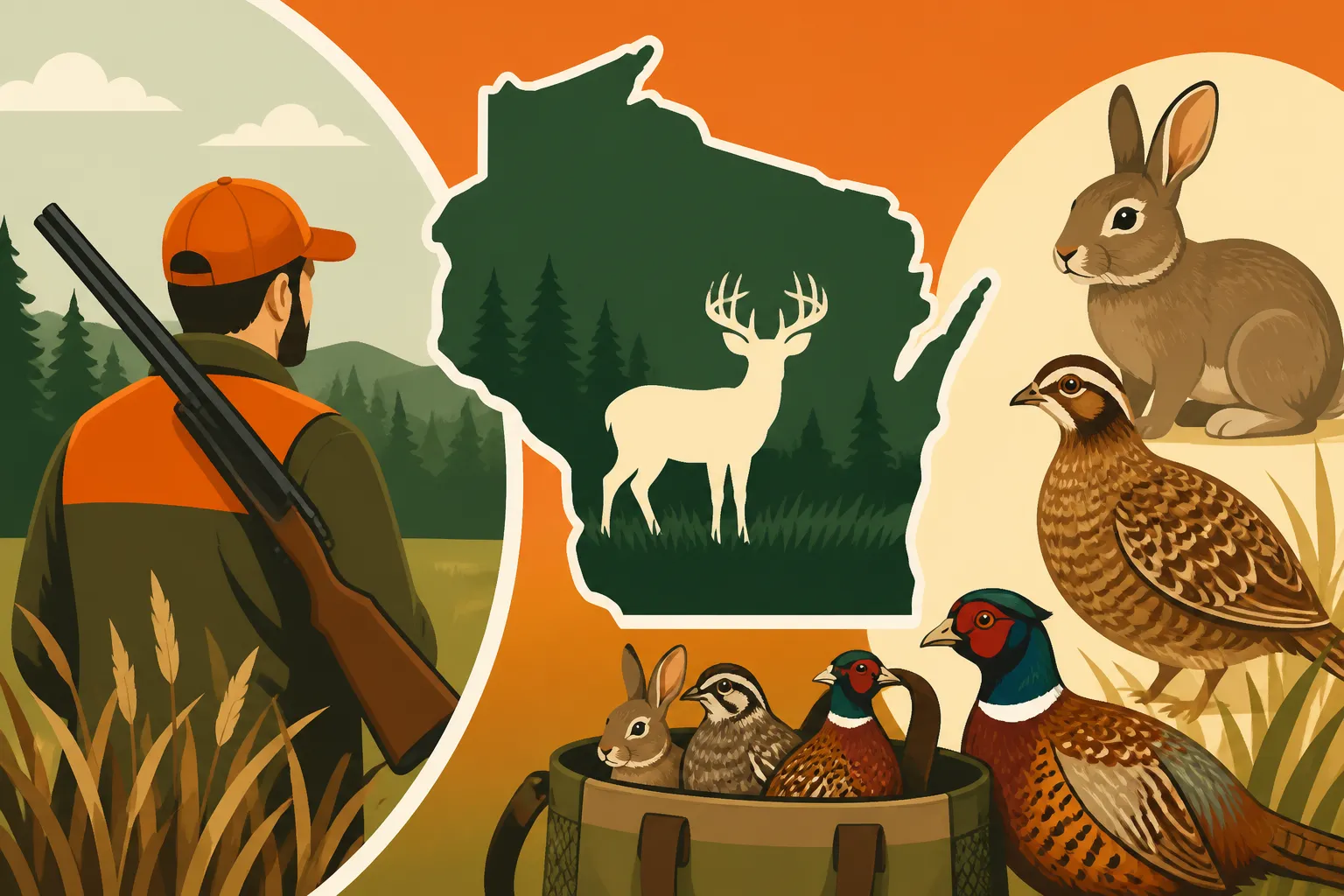
When we talk about "small game" in Wisconsin, we're generally referring to a diverse group of birds and mammals that are smaller than big game like deer, bear, or elk. This category typically includes game birds such as ruffed grouse, woodcock, pheasants, and sharp-tailed grouse, as well as game mammals like cottontail rabbits, snowshoe hares, and squirrels (both gray and fox). Other species like mourning doves and crows are also included under the small game umbrella due to their size and hunting methods.
It's important to differentiate small game from "furbearers" like coyotes, foxes, bobcats, and raccoons, which often have different regulations, seasons, and licensing requirements, although some furbearers, particularly coyotes, are often pursued with similar methods to small game. The beauty of small game hunting is its accessibility; it often requires less specialized gear and can be a fantastic way to introduce new hunters to the sport or keep seasoned veterans engaged between big game seasons.
The Appeal of Small Game Hunting
There’s a unique charm to small game hunting that often gets overshadowed by the pursuit of trophy deer. For starters, it’s incredibly accessible. You don't always need an elaborate treestand setup or weeks of intense scouting. A good pair of boots, a reliable shotgun, and an understanding of habitat can get you into the action quickly. This accessibility makes it an excellent entry point for new hunters, allowing them to learn gun safety, tracking, and fieldcraft in a less pressure-filled environment.
Beyond accessibility, small game hunting offers a dynamic challenge. Fast-flushing grouse, darting rabbits, and quick-climbing squirrels demand keen reflexes and precise shotgunning skills. It’s also an incredible way to bond with a good bird dog, watching them work cover and make retrieves. Many hunters find immense satisfaction in walking through varied cover, anticipating a flush or spotting a twitching ear in the brush. Plus, the wild game table fare from rabbits, squirrels, and pheasants is simply delicious, adding a tangible reward to your efforts. It's a chance to connect with the landscape, observe other wildlife, and appreciate the smaller details of Wisconsin's rich natural environment.
Navigating Licenses and General Regulations
Before you even think about hitting the woods or fields for small game, it's crucial to understand the foundational requirements for hunting in Wisconsin. Skipping these steps can lead to fines and a ruined day afield, so let's make sure all your ducks (or in this case, grouse and rabbits) are in a row.
Essential Licenses and Stamps for Small Game
To hunt any small game in Wisconsin, you'll first need a valid Wisconsin hunting license. For residents, this typically means a Resident Small Game License. Non-residents will need a Non-Resident Small Game License. These licenses cover the majority of the small game species we'll discuss. You can conveniently purchase your licenses and permits through the Wisconsin DNR's Go Wild system, either online or at authorized vendors across the state. Using Go Wild is seamless, and a quick check there will confirm your eligibility and allow you to print your license or carry it digitally on your phone. If you're wondering about the various options and what they might set you back, you can find detailed information on Wisconsin Hunting Licences and What They Cost, which includes specifics on Wisconsin Resident Licence Options and Wisconsin Nonresident Licence Options.
Beyond the basic small game license, there are a few additional requirements depending on what you're targeting:
- Federal Duck Stamp: If you plan to hunt migratory waterfowl like ducks and geese, a federal duck stamp is mandatory. While woodcock and mourning doves are generally considered small game, they are also migratory birds, so hunters pursuing them are required to have a valid HIP (Harvest Information Program) certification. You obtain this certification when purchasing your license on Go Wild.
- Sharp-tailed Grouse Permit: This is a very specific and highly regulated hunt. Sharp-tailed grouse hunting in Wisconsin requires a special permit that is typically distributed through a limited drawing. This isn't something you can just pick up over the counter, so planning ahead is key if this species is on your bucket list.
Always double-check the current regulations before heading out, as fees and requirements can change year to year. The GoHunt app (GoHunt mention 1) is an excellent resource for quick access to regulation summaries right on your phone, making sure you always have the latest info at your fingertips.
Universal Hunting Regulations for Small Game
Regardless of the small game species you’re after, there are some overarching regulations that apply to all hunters in Wisconsin. Familiarizing yourself with these rules is paramount for a safe and legal hunt.
One of the most visible regulations is the blaze orange or fluorescent pink requirement. During the gun deer seasons (including the youth deer hunt, the nine-day gun season, and the muzzleloader season), all hunters, including small game hunters, must wear blaze orange or fluorescent pink. Specifically, you need to wear at least 50% of your outermost clothing above the waist to be blaze orange or fluorescent pink, including a hat. This is a critical safety measure, ensuring you're highly visible to other hunters, especially when Hunting Pressure on Wisconsin Public Land might be higher. Always check the current regulations for exact dates and percentages, but it’s a good habit to wear orange during any firearms season.
Legal shooting hours are another universal rule. For small game, hunting hours typically run from 30 minutes before sunrise to 20 minutes after sunset. This timeframe is consistent across most game species, but it's always wise to check a current sunrise/sunset table for your specific hunting date and location. Many phone apps and hunting licenses include this information.
Regarding weapon restrictions, small game hunting in Wisconsin primarily involves shotguns. Rimfire firearms and air guns are also legal for small game and furbearers. However, centerfire rifles are generally not permitted for small game. Shotguns must be plugged to hold no more than three shells (one in the chamber, two in the magazine) when hunting migratory birds, including woodcock and doves. For species like rabbits, squirrels, and grouse, this three-shell limit isn't technically mandated by state law, but it's a good practice to follow, and many hunters opt for it to conserve ammo and promote ethical shooting.
Finally, trespassing and permission are non-negotiable. Always know your boundaries. If you're on private land, you must have permission from the landowner. Wisconsin law is clear on this, and respecting private property is fundamental to maintaining positive hunter-landowner relations. The article Getting Private Land Permission in Wisconsin offers excellent advice on how to approach landowners respectfully and legally. Utilizing mapping tools like the GoHunt app (GoHunt mention 2) can display property boundaries and land ownership, helping you avoid accidental trespass.
Detailed Seasons and Bag Limits by Species
Wisconsin offers a fantastic variety of small game hunting opportunities, each with its own season dates and bag limits. Let's break down the specifics for the most commonly pursued species. Keep in mind that these dates and limits can be adjusted annually, so always consult the most current Wisconsin DNR hunting regulations pamphlet before you head out.
Upland Game Birds
Upland birds provide some of the most exciting and challenging small game hunting in Wisconsin. The thrill of a flush and the need for quick shooting make these pursuits incredibly engaging.
Ruffed Grouse
Often called the "king of game birds," ruffed grouse are a favorite among Wisconsin hunters. They are native to the state and thrive in young, regenerating forests.
- Season Dates: The ruffed grouse season in Wisconsin is wonderfully long and generous, typically running from mid-September through early January. This extended season allows hunters to pursue grouse in varied conditions, from the vibrant colors of early fall to the quiet solitude of a snowy winter landscape.
- Daily Bag Limit: Typically set at 5 birds per day.
- Possession Limit: Usually 15 birds, meaning you can have up to three days' worth of bag limits in your freezer at home.
Ruffed grouse are primarily found in dense, young aspen stands, mixed conifer-hardwood forests, and alder thickets. They prefer areas with a good understory for cover and food. Hunting these birds often involves walking slowly through their preferred habitat, listening for their distinctive flush. You can find more in-depth tactics and habitat information in Grouse and Woodcock Hunting in Wisconsin and Grouse Hunting Wisconsin Aspen Cover. Many hunters find success by keying into drumming logs and areas with abundant berry-producing shrubs.
Woodcock
These unique migratory birds, often nicknamed "timberdoodles," provide a fast-paced challenge for upland hunters. They prefer moist, young woodlands and alder runs.
- Season Dates: The woodcock season is much shorter than grouse, typically opening in late September and closing in early November. This aligns with their migration south as colder weather sets in. The timing of their arrival and departure can vary slightly year to year based on weather patterns.
- Daily Bag Limit: Typically 3 birds per day.
- Possession Limit: Usually 9 birds.
Hunting woodcock requires HIP (Harvest Information Program) certification, which you get when purchasing your general hunting license. You'll often find woodcock in close proximity to grouse, particularly in mixed stands with dense, moist cover. Their distinctive long bill and camouflaged plumage make them masters of disguise on the forest floor. They can hold incredibly tight, often flushing at your feet, demanding quick reactions. Finding them often means focusing on Woodcock Hunting Wisconsin Alder Runs and other wet, brushy areas with rich soil where they probe for worms.
Pheasants
Wisconsin's pheasant hunting is a blend of wild bird opportunities and a robust stocking program, primarily focused in the southern and western farmland regions.
- Season Dates: The pheasant season generally opens in mid-October and runs through early January. This season often overlaps with the early gun deer season, so remember your blaze orange!
- Daily Bag Limit: Typically 1 rooster (male) pheasant on public lands and stocked areas. Some private lands may have different limits if participating in special programs, but generally, only roosters are legal.
- Possession Limit: Usually 3 roosters.
Wild pheasant populations in Wisconsin are largely tied to the availability of quality grassland and wetland habitat in agricultural areas. Many hunters target stocked pheasants on state-owned public lands, which the Wisconsin DNR actively manages and stocks. These areas are incredibly popular, especially on opening weekend. Understanding the habitat is key; pheasants prefer dense cover like cattail marshes, grassy fields, and brushy fence rows, particularly in Pheasants and Wisconsin Farmland. A good bird dog is almost indispensable for pheasant hunting, helping to flush birds from thick cover and retrieve downed game.
Sharp-tailed Grouse
Sharp-tailed grouse hunting in Wisconsin is a very limited and special opportunity due to their endangered status in many parts of their historical range.
- Season Dates: When a season is open, it's typically very short, often just a few days in October.
- Daily Bag Limit: Usually 1 bird.
- Possession Limit: Typically 1 bird.
Unlike other upland birds, sharp-tailed grouse require expansive, open pine barrens habitat. Their populations are fragile, and management efforts are focused on habitat restoration. Consequently, hunting is highly restricted and requires a special permit obtained through a lottery drawing. If you're lucky enough to draw a permit, you'll be hunting in very specific zones, often in the state's Sharp-Tailed Grouse on Wisconsin Barrens regions like Douglas and Burnett counties. This is not a hunt for the casual small game hunter but a dedicated pursuit for those committed to experiencing a unique piece of Wisconsin's hunting heritage.
Bobwhite Quail
While technically a small game bird in Wisconsin, bobwhite quail hunting is virtually non-existent due to extremely limited populations. Any season is typically closed or has extremely limited opportunities in very specific areas, and hunters should assume no open season. If by some rare chance a season opens, it would be extremely short with a tiny bag limit, likely 1 bird per day. These birds need highly specific grassland and savanna habitats that are largely gone from Wisconsin's landscape.
Small Game Mammals
Beyond birds, Wisconsin offers excellent opportunities for hunting small mammals, providing a different kind of challenge and a chance to extend your hunting season.
Squirrels (Gray & Fox)
Squirrel hunting is often one of the first hunting experiences for many, offering a relaxed pace and plenty of action. Wisconsin is home to both gray and fox squirrels.
- Season Dates: The squirrel season is incredibly long, typically opening in mid-September and running all the way through the end of February. This lengthy season means you can hunt squirrels in various conditions, from early fall leaves to deep winter snow.
- Daily Bag Limit: Usually 5 squirrels per day.
- Possession Limit: Typically 15 squirrels.
Gray squirrels prefer mature, dense hardwood forests, especially oak and hickory stands, where they find abundant acorns and nuts. Fox squirrels, on the other hand, tend to be larger and prefer more open timber, woodlots, and field edges. You can often find them foraging on the ground in Squirrel Hunting Wisconsin Hardwoods. Hunting can be done by still-hunting (moving slowly and quietly), sitting and waiting in productive areas, or with a good squirrel dog. Look for squirrel cuttings (shell fragments) under nut trees to identify active feeding areas.
Rabbits (Cottontail & Snowshoe Hare)
Rabbit hunting is a classic winter pursuit, often involving a brace of beagles and snowy landscapes. Wisconsin has both cottontail rabbits and snowshoe hares.
- Season Dates:
- Cottontail Rabbit: The cottontail season typically opens in mid-September and runs through late February.
- Snowshoe Hare: The snowshoe hare season usually opens in mid-October and also runs through early March, extending slightly later than cottontails.
- Daily Bag Limit:
- Cottontail Rabbit: Usually 3 per day.
- Snowshoe Hare: Usually 3 per day.
- Possession Limit:
- Cottontail Rabbit: Usually 9.
- Snowshoe Hare: Usually 9.
Cottontail rabbits are widespread throughout Wisconsin, favoring brushy areas, thickets, field edges, and overgrown fencerows. They are commonly found in agricultural landscapes and suburban fringes. Snowshoe hares, identifiable by their larger size and seasonal fur change to white in winter, inhabit the northern forests and thick conifer swamps, particularly areas with dense spruce and cedar cover.
Hunting Rabbit and Hare Hunting in Wisconsin is often a social affair, especially with beagles that excel at trailing rabbits in circles. Without dogs, hunters can still-hunt or conduct small drives through dense cover, pushing rabbits out into shooting lanes. Snowshoe hares offer a particular challenge in the deep snows of northern Wisconsin, where their white camouflage makes them incredibly difficult to spot.
Other Small Game (Migratory and Non-Game Birds)
Beyond the traditional small game birds and mammals, Wisconsin also offers opportunities for other species that fall under the small game category.
Mourning Doves
Mourning doves are fast-flying migratory birds that offer an exciting, challenging hunt, often compared to dove hunting in southern states.
- Season Dates: The mourning dove season in Wisconsin is short and sweet, typically opening on September 1st and running through early November. It's a fantastic way to kick off the fall hunting season.
- Daily Bag Limit: Usually 15 birds per day.
- Possession Limit: Typically 45 birds.
Similar to woodcock, hunting mourning doves requires HIP certification. Doves are often found in agricultural areas, particularly around harvested grain fields (like corn, wheat, or sunflowers), water sources, and isolated roost trees. They are incredibly fast and agile flyers, making for challenging pass-shooting. Sitting on a field edge or near a water hole in the late afternoon can provide excellent opportunities. Many hunters use decoys to attract birds.
Crow
Crows are often considered a nuisance by farmers and offer a year-round or near year-round hunting opportunity in Wisconsin, with very liberal rules.
- Season Dates: Crow hunting seasons are typically very long, often running from around mid-September through early March, with a brief closed period during their nesting season. Always check the current regulations for exact dates, as they can vary.
- Daily Bag Limit: There is typically no daily bag limit or possession limit for crows in Wisconsin, making them a unique small game pursuit.
Crow hunting can be a challenging and engaging activity, often involving calling and decoy setups. They are intelligent birds with excellent eyesight, making them difficult to fool. Hunters often target crows around their roosts or by calling them into open areas. It's a great way to practice calling and shotgunning skills, and contribute to local agricultural relief.
Strategies for a Successful Small Game Season
Having your licenses in order and knowing the dates is only half the battle. To truly succeed and enjoy your small game hunts, you need a solid strategy. This involves understanding habitat, knowing what gear to bring, and perhaps even enlisting a four-legged hunting partner.
Scouting and Habitat Identification
Effective scouting is just as crucial for small game as it is for big game, though the methods might differ. Pre-season scouting allows you to identify key areas, understand animal movements, and locate prime cover before the season even begins. Tools like the Wisconsin DNR's public access maps or subscription services like the GoHunt app (GoHunt mention 3) can be invaluable. These resources provide detailed aerial photos and land ownership overlays, helping you pinpoint potential small game hotspots.
For ruffed grouse, focus on areas with young aspen growth (5-20 years old), dense alder thickets along stream beds, and mixed conifer stands. Look for areas with a mix of food sources like clover, berries, and catkins. During the early season, grouse will be more spread out, often near berry bushes. As the season progresses and food becomes scarcer, they'll concentrate in thicker cover for warmth and protection.
Woodcock will be found in similar, often adjacent, habitats to grouse, but they prefer moister soil. Look for areas with thick alder, willow, or young saplings near water sources like creeks or swamps. You can often spot the distinct "borings" (small probe holes) in soft earth where they've been feeding on worms.
Pheasants are creatures of edge habitat. Concentrate your scouting efforts on areas where agricultural fields meet dense grass, cattail marshes, or brushy fence rows. Look for standing cover that provides both protection from predators and winter weather, as well as easy access to food sources. For stocked birds, scout the designated public hunting grounds for the densest cover available, as that's where birds will often retreat after being released.
When hunting squirrels, the focus should be on mature hardwood forests, particularly those with a strong mast crop like oak, hickory, and walnut trees. Scout for freshly fallen nuts and "cuttings" (the chewed remnants of nut shells) on the forest floor, which indicate active feeding areas. Listen for their chatter and the rustle of leaves as they move through the canopy.
Rabbits and hares require dense escape cover. For cottontails, think brush piles, thorny thickets, multiflora rose bushes, and dense fencerows in farm country. Snowshoe hares will be in the dense conifer swamps and young conifer plantations of northern Wisconsin. Look for their distinctive tracks in snow if scouting in winter. The more impenetrable the cover looks to you, the better it likely is for rabbits.
Gear Considerations and Dog Work
The right gear can significantly enhance your small game hunting experience. While less equipment-intensive than big game, thoughtful preparation still pays dividends.
- Shotguns: Most small game hunters opt for a 12-gauge or 20-gauge shotgun. A 20-gauge is lighter and often preferred for walking long distances, especially if hunting with a dog, while a 12-gauge offers a bit more payload for denser patterns or longer shots. For most upland birds and rabbits, modified or improved cylinder chokes are versatile choices, providing a good spread for fast-flushing targets in close quarters. Shot sizes typically range from 7.5 to 6 for grouse, woodcock, and doves, and 4 or 5 for pheasants and rabbits. When Running Beagles on Wisconsin Snowshoe Hares in deep snow, sometimes even buckshot is considered in certain situations, though usually #4 shot is standard.
- Ammunition: Remember that non-toxic shot (steel, bismuth, tungsten-alloy) is required for hunting waterfowl and other migratory birds, including woodcock and mourning doves, if hunting on federal lands (e.g., National Wildlife Refuges). While not typically required for upland game birds or mammals on state lands, it’s always a good idea to check specific area regulations.
- Clothing: Comfort and durability are key. Layers are essential for adapting to changing Wisconsin weather, especially in the fall. Brush pants or chaps are highly recommended for busting through thorny thickets and dense cover without shredding your legs. Waterproof boots are critical for dew-soaked mornings and traversing wet areas.
- Bird Dogs: For upland birds like grouse, woodcock, and especially pheasants, a well-trained bird dog can transform your hunt. Pointers, setters, and flushers like Labs or spaniels are invaluable for finding birds, flushing them within range, and retrieving downed game from thick cover. A good dog not only increases your success rate but adds an incredible dimension to the hunt. If you're serious about bringing a canine companion, research Bird Dog Gear for Wisconsin Cover to ensure they're safe and equipped. Even for rabbits and hares, a pack of beagles can provide an exhilarating chase, making it much easier to locate and harvest these elusive critters.
Maximizing Your Small Game Opportunities
Wisconsin's small game hunting offers endless possibilities, but knowing how to leverage available resources and combine different hunting activities can really elevate your experience.
Public Land Access and Etiquette
Wisconsin is incredibly fortunate to have a wealth of public hunting land, from expansive county forests to numerous state wildlife areas. Navigating these vast tracts of land is key to consistent small game success. The state offers roughly 6 million acres open to hunting, which is a fantastic resource. Learn more about the sheer volume of access in Public Hunting Land in Wisconsin.
- Diverse Public Lands: You'll find excellent small game hunting on Wisconsin's Wisconsin County Forest Hunting lands, which are managed for timber and wildlife, providing excellent grouse and snowshoe hare habitat. State Wildlife Areas, like Horicon Marsh or Mead Wildlife Area, are often managed with specific habitats in mind and can be prime for pheasants, rabbits, and migratory birds. The Chequamegon-Nicolet National Forest Hunting in northern Wisconsin offers vast tracts of land for grouse and hares, though the sheer size requires more extensive scouting.
- Using Resources: The Wisconsin DNR's "Hunt Wild Wisconsin" app is an indispensable tool, allowing you to view public land boundaries, check regulations, and even track your movements offline. Services like the GoHunt app (GoHunt mention 4) or OnX Hunt also offer detailed satellite imagery and property line data, making it easier to find accessible ground and avoid accidental trespass.
- Etiquette and Safety: Public land often means sharing the woods with other users—hunters, hikers, birdwatchers, and even other small game hunters. Always be respectful, maintain safe shooting lanes, and be aware of other people. If you encounter another hunting party, it’s common courtesy to give them space. During gun seasons, remember to always wear your blaze orange or pink. Hunting Pressure on Wisconsin Public Land can be a factor, especially on opening weekends for pheasant or the first few days of grouse season in easily accessible areas. To find less pressured spots, be willing to walk further from roads or scout lesser-known parcels.
Combining Small Game Hunts with Other Pursuits
One of the great advantages of Wisconsin's diverse hunting seasons is the ability to combine different pursuits, making your time afield even more productive and enjoyable.
- Early Season Deer and Small Game: The early archery deer season often overlaps perfectly with the opening of grouse, woodcock, squirrel, and rabbit seasons in mid-September. Imagine heading out to your deer stand in the morning, then spending the midday hours walking clearcuts for grouse or exploring an oak ridge for squirrels. This allows you to scout for deer sign while actively hunting small game. You might even stumble upon a new deer bedding area or scrape line while pushing a brushy draw for rabbits.
- Fall Turkey and Upland Birds: Wisconsin's
Wisconsin's Fall Turkey Seasontypically runs from mid-September through early January. Many fall turkey tactics involve walking and calling, which puts you in ideal cover for grouse and woodcock. Carrying a shotgun loaded for both (check regulations for multi-species loads) can lead to a truly mixed bag hunt. - Winter Scouting and Rabbit Hunting: After the deer seasons conclude, late fall and winter provide excellent opportunities for rabbit and hare hunting, especially with snow on the ground. The snow makes tracking easier and highlights cover where rabbits are hunkering down. This is also a fantastic time for Shed Hunting on Wisconsin Public Land or scouting for next year's deer season, as the bare trees offer clear views of terrain and deer sign. You can identify potential pinch points, rub lines, and travel corridors that were obscured by foliage earlier in the year.
The ability to combine these hunts makes for incredibly rich and varied outdoor experiences. It maximizes your time, sharpens your skills across different disciplines, and deepens your understanding of Wisconsin's diverse ecosystems. Just remember to always be aware of the specific regulations for each species you are pursuing simultaneously.
Disclaimer
Please note that hunting regulations, season dates, and bag limits are subject to change by the Wisconsin Department of Natural Resources. While every effort has been made to provide accurate and up-to-date information, it is the hunter's responsibility to consult the most current official Wisconsin hunting regulations pamphlet or the Wisconsin DNR website before participating in any hunting activity. This guide is for informational purposes only and does not supersede state regulations.