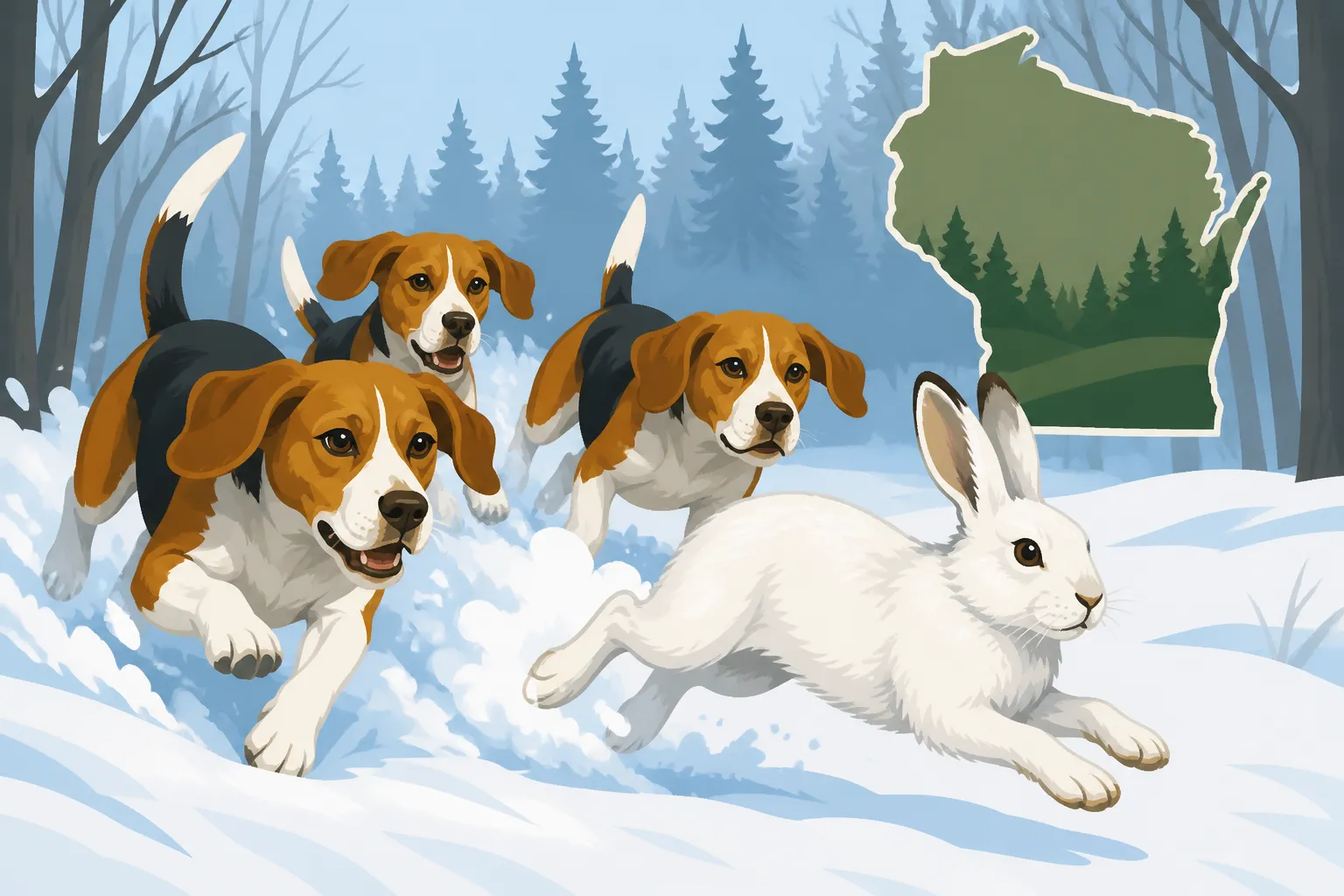
Running Beagles on Wisconsin Snowshoe Hares
For many Wisconsin hunters, the silent stalk for game can be deeply rewarding. But there's a unique thrill that comes with turning the woods into a symphony of barks and bawls as a pack of beagles enthusiastically pursues a snowshoe hare. If you've ever felt the quiet frustration of trying to jump these elusive "swamp rabbits" in their dense cover, or simply crave a more active, dog-driven hunt, then understanding how to effectively run beagles on snowshoe hares is about to change your winter outdoor experience.
Understanding Wisconsin Snowshoe Hares and Their Habitat
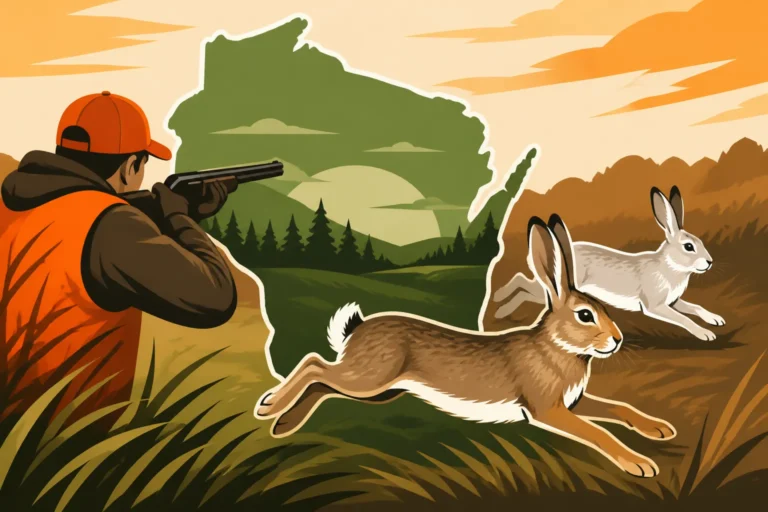
Snowshoe hares, often affectionately called "swamp rabbits" or "varying hares" due to their impressive seasonal color change, are truly a creature of Wisconsin's wilder, more remote landscapes. Unlike their cottontail cousins that thrive in farm country edges, snowshoes prefer the dense, coniferous swamps and young, regenerating forest stands, especially those with plenty of protective undergrowth.
Where Snowshoe Hares Thrive in Wisconsin
These remarkable animals are primarily found in the northern half of Wisconsin, where the coniferous forests truly dominate. Think of places like the vast Chequamegon-Nicolet National Forest, various state forests, and expansive county forests. They absolutely love areas with thick cover – cedars, spruce, balsam fir, and dense thickets of young aspen or tag alders. These spots provide both camouflage and escape routes from predators. If you’re scouting, look for recent timber cuts where new growth is coming in thick and tangled; this is prime snowshoe country. It’s no wonder they love areas like those you'd find when you're Hunting Wisconsin Aspen Cuts for other game, as the dense regeneration offers ideal cover.
One of the most fascinating aspects of the snowshoe hare is its seasonal transformation. As the days shorten and winter approaches, their brown fur gradually gives way to a brilliant white, perfectly matching the snow-covered landscape. This incredible adaptation is why they're known as "varying hares," and it's a critical part of their survival strategy. You can read more about this phenomenon and Why Wisconsin Hares Turn White. When the snow falls, spotting them without the aid of a dog is incredibly difficult, which is precisely why beagles are such an effective tool.
Reading Hare Sign and Behavior
Even with the best beagles, understanding your quarry can make a huge difference in your success and enjoyment. Snowshoe hares are largely nocturnal or crepuscular, meaning they're most active at dawn and dusk. During the day, they'll often "sit tight" in a form, which is a shallow depression they've created in the snow or vegetation for concealment.
When scouting for hare country, look for distinct signs. Their tracks are much larger than those of a cottontail, and in snow, you'll often see the tell-tale "H" pattern of their hind feet landing in front of their front feet during a bounding gait. Droppings are another key indicator – small, round, fibrous pellets, often found in concentrated areas where they've been feeding. They'll browse on woody vegetation like twigs, bark, and evergreen needles, especially in winter. Using a mapping app like GoHunt can help you identify dense cover and coniferous stands even before you hit the ground, allowing you to focus your efforts in promising areas. Knowing the Snowshoe Hare Numbers in Wisconsin in specific regions can also help you predict your success rates.
Here's a quick look at typical snowshoe hare habitat features:
| Habitat Type | Key Features | Why Hares Love It |
|---|---|---|
| Conifer Swamps | Dense cedar, spruce, balsam fir stands | Excellent year-round thermal cover and predator evasion |
| Young Aspen/Birch Stands | Regenerating clearcuts, thick saplings, underbrush | Abundant browse, dense escape cover |
| Tag Alder Thickets | Wet, dense brush along waterways | Provides food and impenetrable cover, especially in winter |
| Mixed Woods Edges | Transition zones between open and dense forest | Access to diverse food sources and quick escape to cover |
The Art of Running Beagles for Hares
Running beagles for snowshoe hares isn't just a hunt; it's an experience. The dogs' relentless pursuit, their melodious voices echoing through the frozen woods, and the anticipation of seeing a hare burst from cover combine to create an exhilarating day outdoors.
Why Beagles Are the Perfect Hare Hunters
Beagles possess an unparalleled sense of smell and an instinctive desire to trail. They live for the chase, and snowshoe hares, with their tendency to run in circles or figure-eights within a defined territory, are perfectly suited to a beagle's hunting style. A good pack of beagles will pick up the hare's scent, often a "cold" trail from the previous night, and slowly unravel it, voicing as they go. This allows the hunters to position themselves, listening to the dogs' progress, rather than blindly crashing through thick brush.
The "music" of a beagle pack is a huge part of the appeal. Each dog often has its own unique voice – a deep bawl, a chopping bark, or a high-pitched chop. When they're all in full cry, working a hot trail, it's a sound that resonates deep within a hunter's soul. It's a testament to the dogs' dedication and skill. As the hares typically circle back through their territory, often utilizing the same escape routes, the dogs will follow these loops, eventually bringing the hare within range of a waiting hunter.
The Dynamics of a Successful Chase
A typical hare hunt involves releasing the beagles in promising cover. They'll fan out, noses to the ground, searching for a scent. Once a dog "strikes" a trail, it will let out an excited bark or bawl, signaling to the other dogs and the hunters that the game is on. The rest of the pack will quickly join in, and soon a chorus will erupt as they work the trail.
Hunters, rather than chasing the dogs, listen intently. The key is to understand that snowshoe hares, unlike some deer or pheasants, don't typically run in a straight line for miles. They prefer to stay within their familiar, dense habitat, often circling back through areas they feel safe in. This means hunters need to find strategic positions along likely escape routes or where the hare is known to loop. Often, this involves standing quietly in a relatively open spot within the thicket, waiting for the hare to come by, driven by the dogs. Using an app like GoHunt to mark your dog's location with a GPS collar can also be a massive advantage, letting you know where the chase is heading and if the dogs are getting close to crossing a road or private property. It helps prevent frustration when a dog gets out of earshot.
Effective communication among hunting partners is also vital. Whether by radio or simple hand signals, knowing where each person is positioned and hearing updates on the dogs' progress allows for better strategic placement. It's an active hunt for the dogs, and a patient, observant hunt for the people. This style of Rabbit and Hare Hunting in Wisconsin truly showcases the dog's prowess.
Essential Gear and Tactics for Success
Hunting snowshoe hares with beagles in Wisconsin demands specific gear and thoughtful tactics to ensure a safe, comfortable, and successful day, especially given the typically cold and often snowy conditions.
Clothing and Footwear for Winter Conditions
Wisconsin winters can be brutal, so proper layering is non-negotiable. Start with moisture-wicking base layers, add insulating mid-layers like fleece or wool, and top it off with a waterproof, windproof outer shell. You'll be moving through thick cover, so durable materials are a plus. Blaze orange or pink is required during any gun deer season, and it's always a good idea for visibility when hunting with dogs, even if not legally required for small game.
Your feet will take a beating, both from walking rough terrain and standing in the cold. Insulated, waterproof boots are critical. Look for options designed for deep snow and wet conditions. Something like what's recommended for Boots for Wisconsin Swamps and Snow would be ideal. Warm, moisture-wicking socks (wool is excellent) are also a must. Don't forget a warm hat and gloves, as you'll be spending a lot of time with your hands exposed.
Firearms and Ammunition
For snowshoe hares, a scattergun is usually the weapon of choice. A 20-gauge or 12-gauge shotgun with an improved cylinder or modified choke and loads of 6 or 7.5 shot are highly effective at the close ranges typical of hare hunting in thick cover. The quick, agile hare offers a fleeting target, so a fast-handling shotgun is beneficial. Many hunters also choose a .22 rifle or pistol for a more challenging hunt, but this requires excellent marksmanship and an understanding of shot placement on a moving target. If you're used to picking a good shotgun for Shotguns for Wisconsin Grouse Cover, you're likely already well-equipped for hares.
Dog Tracking and Safety Gear
Investing in GPS collars for your beagles is a game-changer, especially when hunting in vast public lands or dense cover. Systems from brands like Garmin or Alpha allow you to track your dogs' exact location on a handheld device or even your smartphone via an app. This not only helps you understand the chase but also prevents lost dogs. Consider carrying a portable charger for your devices, as cold weather can quickly drain batteries. Remember, while a good GPS is invaluable, carrying a First Aid Kits for Remote Northwoods Ground is also critical, both for you and your dogs.
Navigating Regulations and Ethical Considerations
Like any hunting activity in Wisconsin, pursuing snowshoe hares with beagles comes with a set of rules and ethical guidelines that every responsible hunter must follow. It’s essential to be prepared and informed before heading out.
Wisconsin Small Game Seasons and Public Land Access
Snowshoe hares fall under Wisconsin's small game regulations. It’s crucial to check the current Wisconsin Small Game and Furbearer Seasons for exact dates, bag limits, and any special regulations that might apply to the specific zone you're hunting in. These regulations can change year to year, so always consult the Wisconsin DNR's hunting regulations pamphlet or their website.
Finding suitable public land for hare hunting is relatively easy in the northern parts of the state. Wisconsin boasts an impressive amount of Public Hunting Land in Wisconsin, including national forests, state forests, and county forests, all of which are generally open to small game hunting. Many hunters utilize mapping tools like the Wisconsin DNR's Hunt Wild App or commercial products such as GoHunt to identify public land boundaries, access points, and optimal habitat. Knowing How Many Acres of Public Land Wisconsin Has can help you appreciate the vast opportunities available.
Dog Training and Handling on Public Ground
Wisconsin has specific regulations regarding dog training and hunting with dogs, particularly on public lands. While using beagles for hare hunting is a long-standing tradition, you must be aware of any restrictions, especially concerning where and when you can train or run your dogs. Some areas might have seasonal restrictions, or you might encounter areas where dog training is not permitted. Always check with the local land management office or the DNR for specific regulations regarding Dog Training on Wisconsin Public Land.
Ethical hunting practices are paramount. This includes:
- Responsible Dog Management: Ensure your dogs are well-trained, under control, and not harassing other wildlife or trespassing on private land. GPS collars are invaluable here.
- Clean Kills: Use appropriate firearms and ammunition to ensure a quick, humane kill.
- Respect for Other Users: Public lands are shared resources. Be mindful of other hunters, hikers, snowmobilers, and cross-country skiers.
- Leave No Trace: Pack out everything you pack in, including spent shell casings.
- Harvest Reporting: While not always required for small game like hares, understanding the value of harvest reporting for other species, such as knowing how to Reading a Wisconsin Harvest Report for deer, highlights the broader responsibility of hunters to wildlife management.
By adhering to these guidelines, you ensure that the tradition of running beagles on snowshoe hares remains a cherished and sustainable outdoor pursuit for generations to come in the great state of Wisconsin.
Disclaimer
Please note that hunting regulations, seasons, and licensing requirements can change. Always consult the most current Wisconsin Department of Natural Resources (DNR) official publications and website before engaging in any hunting activities. This guide is for informational purposes only and should not be considered a substitute for official regulations.